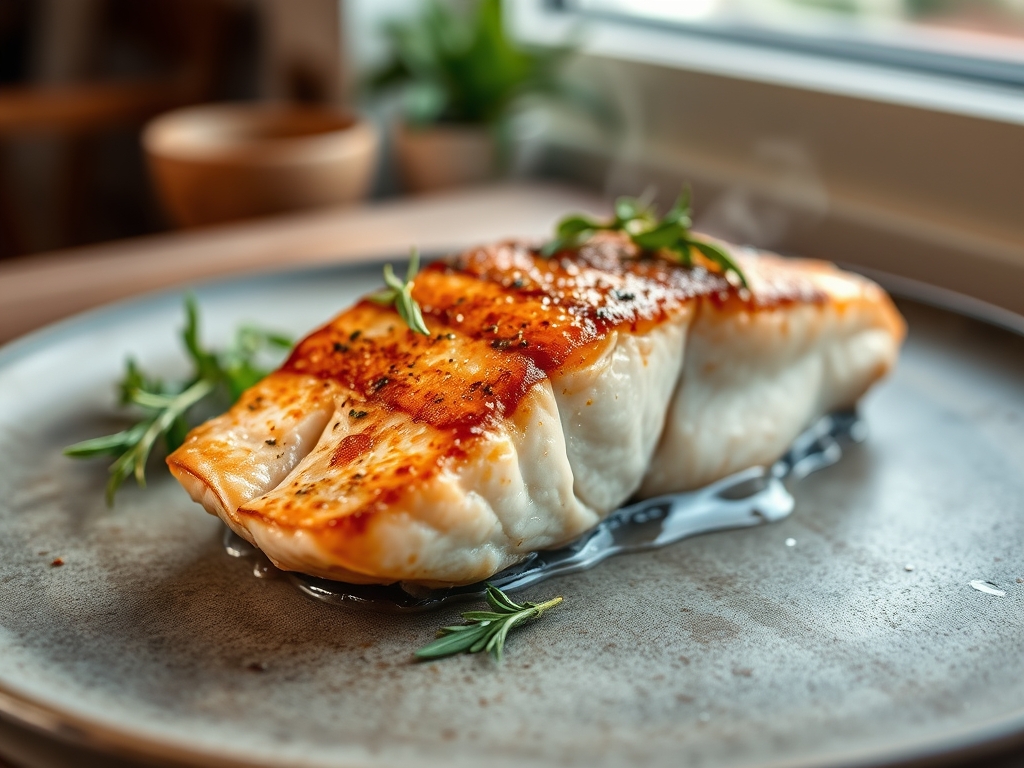
Imagine the scent of citrus zest hitting a hot sheet pan; it is a bright, acidic spark that cuts through the rich, buttery aroma of roasting fish. When you are searching for coho salmon recipes baked to perfection, you are looking for that elusive balance between a crisp, seasoned exterior and a translucent, flakey center. Coho is the elegant middle child of the salmon world. It possesses a more delicate fat content than King salmon but offers a far more robust flavor profile than Sockeye. This makes it a technical darling for home cooks because it responds beautifully to high heat while maintaining a silky mouthfeel.
Getting this right requires more than just a timer; it requires an understanding of how proteins denature and how moisture migrates during the roasting process. We are moving beyond the basic foil packet. We are aiming for a restaurant quality finish that relies on thermal precision and flavor layering. Grab your apron and your favorite digital thermometer. We are about to transform a simple fillet into a masterclass of texture and taste that will make your kitchen feel like a high end bistro.
The Gathers:
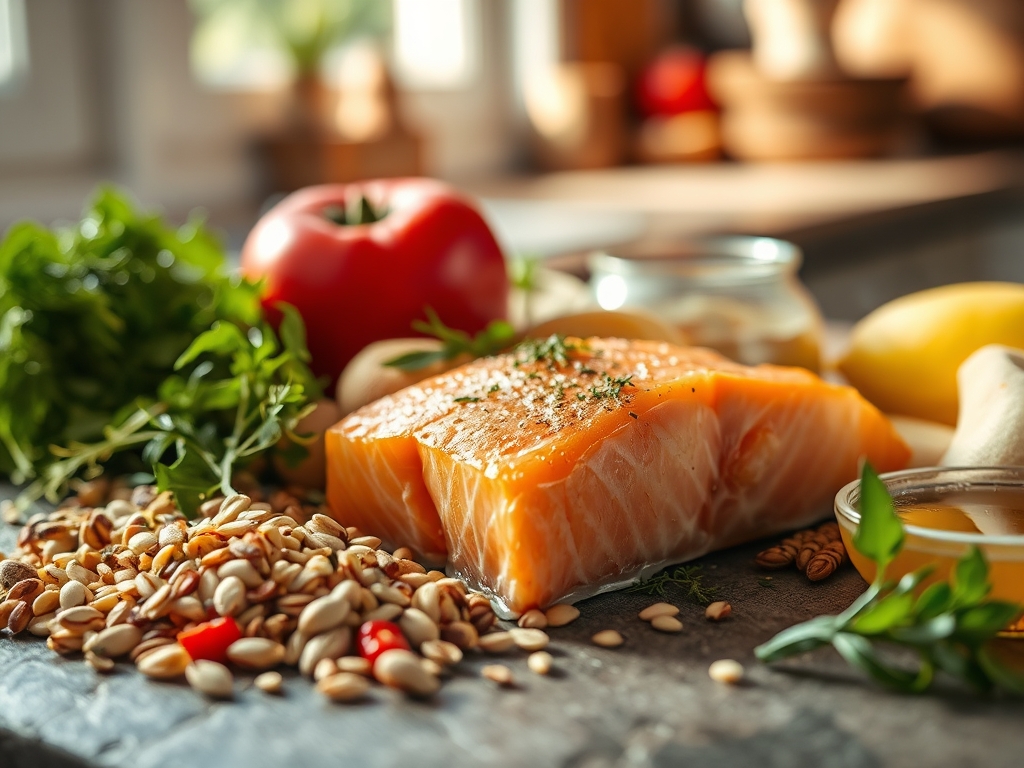
Before we apply heat, we must assemble a mise-en-place that respects the delicate nature of the fish. Start with a 1.5 pound Coho fillet, ideally pin-boned and brought to room temperature to ensure even heat penetration. You will need high quality fats; a combination of clarified butter (ghee) for its high smoke point and extra virgin olive oil for its polyphenols works best. For the aromatic profile, gather fresh dill, flat leaf parsley, and a single shallot. Use a microplane to zest one Meyer lemon; the oils in the zest are more viscous and aromatic than the juice alone.
For the seasoning, skip the table salt. Use Maldon sea salt for its pyramidal structure which provides a tactile crunch, and freshly cracked white peppercorns for a piquant heat that does not muddy the visual aesthetic of the pink flesh.
Smart Substitutions:
If you are out of Meyer lemons, a combination of regular lemon and a splash of tangerine juice mimics that floral sweetness. If you want to avoid butter, a high quality avocado oil provides the necessary fat without the dairy solids. For a woody depth, swap the dill for fresh thyme sprigs, which contain thymol, a compound that pairs exceptionally well with the natural oils found in wild caught Coho.
The Clock
Efficiency in the kitchen is about the Chef's Flow. This is the art of overlapping tasks so that no second is wasted. Your total active prep time is approximately 10 minutes, with a cook time ranging between 12 and 15 minutes depending on the thickness of your fillet.
Start by preheating your oven to 400 degrees Fahrenheit. While the oven stabilizes, pat the fish dry. This is the most critical "hidden" step. If the surface is damp, the fish will steam rather than roast. While the fish rests, use a bench scraper to clear your board of herb stems and prep your side dishes. By the time the oven chime sounds, your salmon should be seasoned and ready to slide onto the center rack. The goal is a seamless transition from the cutting board to the heat source.
The Masterclass
1. The Moisture Barrier
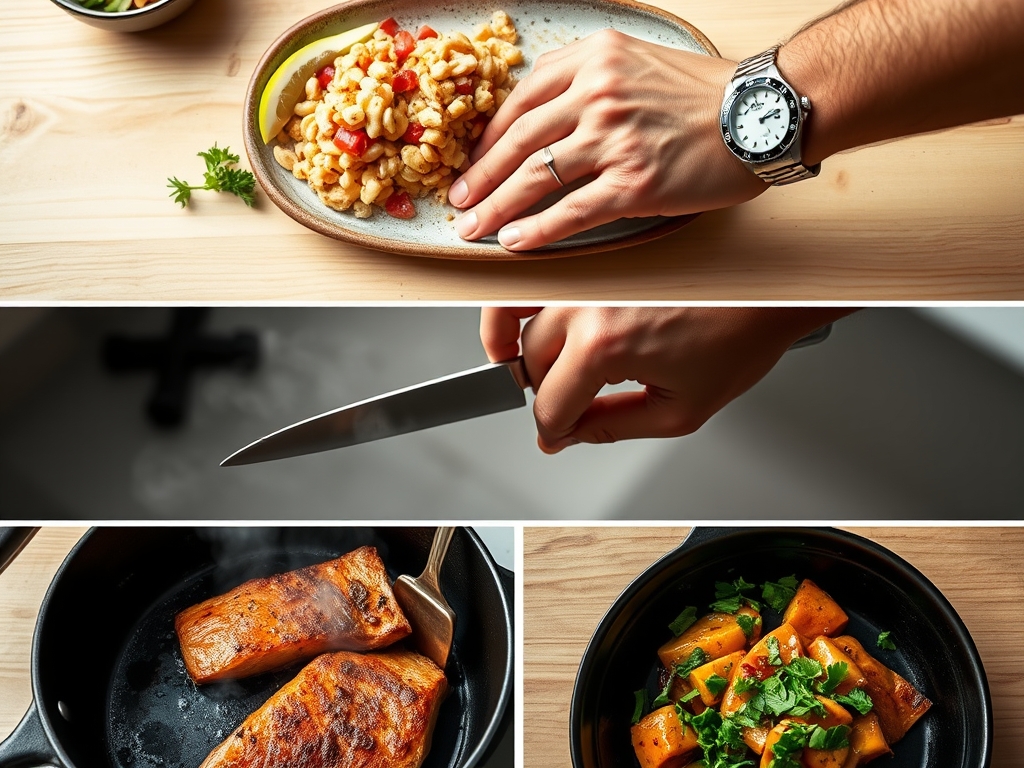
Dry the skin and flesh side of the salmon thoroughly using paper towels. Once dry, apply a thin layer of oil. This creates a hydrophobic barrier that prevents the natural juices from escaping too quickly.
Pro Tip: This technique prevents the "white stuff" (albumin) from pushing to the surface. Albumin is a protein that coagulates when muscle fibers contract too violently from heat shock.
2. Precision Seasoning
Elevate your fillet and season from at least 12 inches above. This ensures an even distribution of salt crystals across the entire surface area.
Pro Tip: Salt acts as a denaturant. By salting just before the fish hits the oven, you manage the osmotic pressure, ensuring the salt seasons the surface without drawing out internal moisture and toughening the flesh.
3. The Cold Pan Start
Place the salmon on a room temperature, parchment lined baking sheet rather than a preheated one. This allows the fish and the pan to rise in temperature together, leading to a more uniform cook.
Pro Tip: This gradual thermal increase prevents the exterior from overcooking before the center reaches the target temperature, a concept known as thermal gradient management.
4. Infusing Aromatics
Place thin slices of shallot and lemon directly under the fillet. As the heat rises, the shallots will render their sugars, and the lemon will infuse the bottom of the fish with steam and acid.
Pro Tip: This creates a micro-environment of flavor. The shallots undergo a mild Maillard reaction, adding savory depth to the otherwise lean underside of the fish.
5. The Butter Baste
Halfway through the bake, use a saucier to melt a tablespoon of butter with garlic. Briefly pull the tray and brush this over the top.
Pro Tip: Fat is a flavor carrier. The lipids in the butter trap the volatile compounds from the garlic and herbs, locking them onto the surface of the salmon.
6. The Carryover Calculation
Remove the salmon from the oven when the internal temperature hits 125 degrees Fahrenheit. Use a digital thermometer inserted into the thickest part.
Pro Tip: This accounts for thermal carryover. The internal temperature will continue to rise by 5 to 7 degrees while resting, bringing the fish to a perfect, medium-rare 132 degrees.
7. The Acid Finish
Immediately after removing the fish from the oven, squeeze fresh lemon juice over the top. The heat will cause the juice to aerate and penetrate the surface layers.
Pro Tip: Acid brightens the heavy fats. This chemical "cut" balances the palate and makes the rich omega-3 fatty acids feel lighter and more vibrant.
8. The Resting Period
Let the fish rest for exactly five minutes before slicing. Do not tent it with foil, as this will trap steam and soften the beautifully roasted exterior.
Pro Tip: Resting allows the muscle fibers to relax and reabsorb the internal juices. If you cut too soon, the moisture will flood the plate, leaving the fish dry.
9. The Texture Garnish
Finish with a sprinkle of fresh herbs and a final pinch of flakey salt. The contrast between the soft fish and the crunchy salt is essential for a professional mouthfeel.
Pro Tip: Adding fresh herbs at the very end preserves their enzymatic brightness and prevents the bitter notes that can occur when delicate herbs are overcooked.
The Deep Dive
Coho salmon is a nutritional powerhouse. A 6 ounce serving provides roughly 35 grams of high quality protein and is rich in Vitamin D and Selenium. Because it is leaner than King salmon, it is a favorite for those tracking macros while still wanting a "melt in your mouth" experience.
Dietary Swaps:
- Vegan: While the fish itself isn't vegan, the flavor profile can be applied to large "steaks" of cauliflower or king oyster mushrooms. Use miso paste to replicate the umami found in salmon.
- Keto: This recipe is naturally keto-friendly. Increase the butter baste for higher fat macros.
- GF: Ensure your spices are certified gluten free; otherwise, this dish is naturally safe.
The Fix-It:
- Fish is sticking: You likely didn't use enough oil or the pan wasn't clean. Use a thin fish spatula to gently slide under the skin.
- Too much albumin (white stuff): The oven was too hot or the fish was cooked too long. Lower the temp next time and use a thermometer.
- Dry texture: You skipped the resting phase. Always allow the proteins to settle.
Meal Prep Science:
To reheat baked coho without it turning into rubber, use the "low and slow" method. Place it in a 275 degree oven with a teaspoon of water and cover tightly with foil. This creates a gentle steam that rehydrates the proteins without further denaturing them.
The Wrap-Up
Mastering coho salmon recipes baked in your own kitchen is a true culinary flex. It is about respecting the ingredient and using science to enhance its natural beauty. When you pull that tray out and see the vibrant orange flesh glistening under a layer of herbs and citrus, you will know the precision was worth it. This isn't just dinner; it is an exploration of flavor, texture, and technique. Go ahead, take that first flakey bite and savor the results of your hard work.
The Kitchen Table
How do I know when baked coho salmon is done?
The most reliable method is using a digital thermometer to reach an internal temperature of 125 to 130 degrees Fahrenheit. Visually, the flesh should be opaque on the outside but still slightly translucent and "flakey" in the very center.
Should I bake salmon covered or uncovered?
Bake it uncovered for the best results. Uncovered cooking allows the dry heat to create a slight crust and prevents the fish from stewing in its own juices, which can lead to a mushy texture and a lack of flavor development.
Can I bake coho salmon from frozen?
It is not recommended. Baking from frozen results in uneven cooking where the outside becomes overdone and tough before the inside thaws. For the best texture, always thaw your salmon overnight in the refrigerator before preparing your favorite recipes.
Why is my baked salmon dry?
Dryness is usually caused by overcooking or failing to let the fish rest. Even a few extra minutes in the oven can cause the delicate muscle fibers to tighten and squeeze out all the moisture. Always use a thermometer for precision.