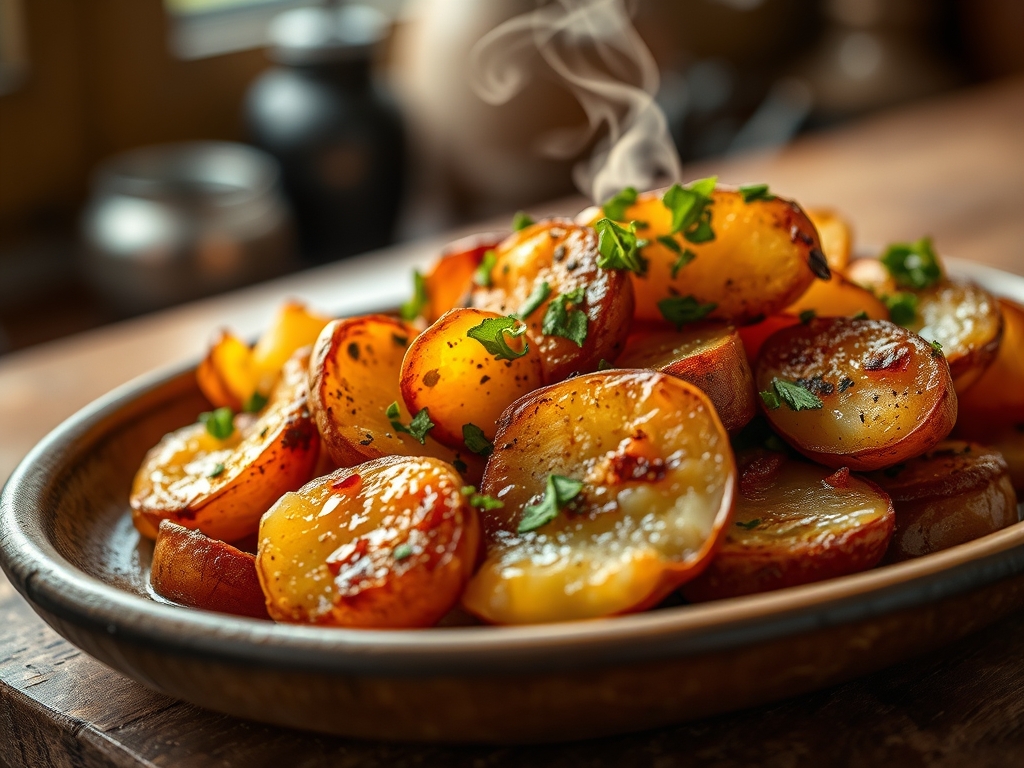
Picture the scene: you just walked through the door after a day that felt like a marathon, and the refrigerator is looking suspiciously empty. Before you reach for the delivery app, I want you to look into the depths of your freezer. That bag of frozen spuds is not just a side dish; it is a structural masterpiece of pre-gelatinized starch waiting for its moment of glory. Most people see a bag of fries and think "fast food," but we are going to treat them like the culinary blank canvas they are. By leveraging the science of flash-freezing, we can create gourmet meals in half the time it takes to peel a single Russet. These frozen potato recipes are about to become your secret weapon for weeknight sanity. We are talking about transforming humble tater tots into sophisticated tapas and turning waffle fries into the ultimate base for a deconstructed poutine. It is time to stop settling for soggy sides and start engineering dinner with intention.
The Gathers:
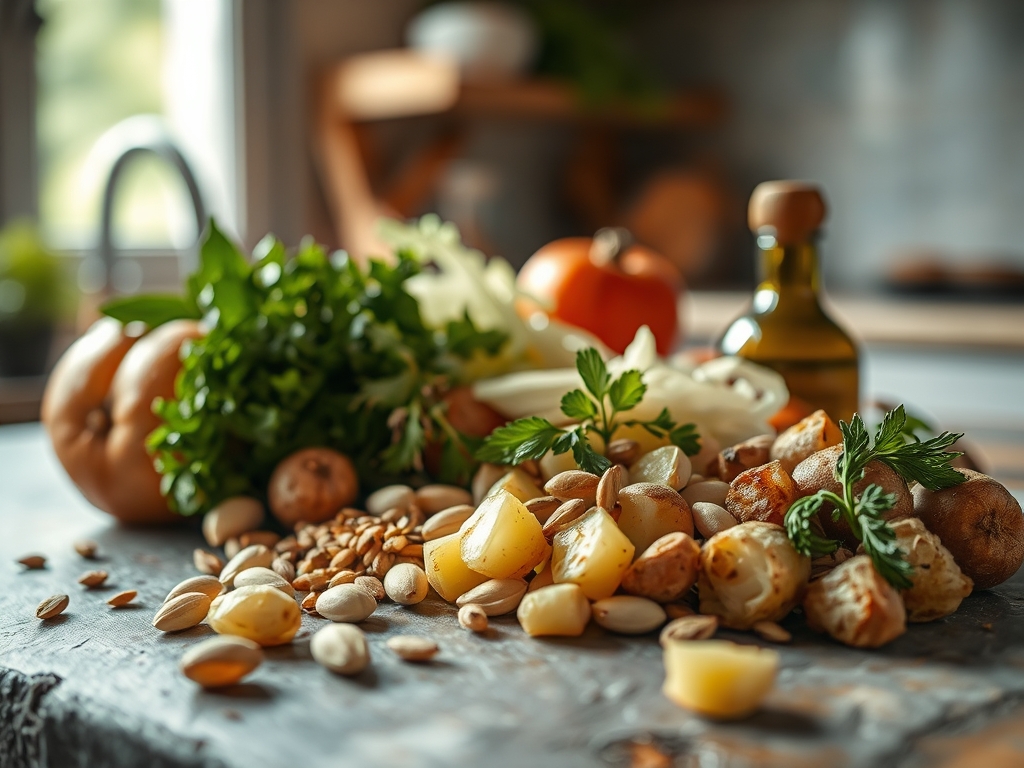
To execute these hacks, your mise-en-place must be precise. Frozen potatoes have already undergone a par-cooking process, which means their cellular structure is partially broken down. You will need a high-quality fat source, such as clarified butter or duck fat, to facilitate the Maillard reaction without burning. Gather your aromatics: fresh rosemary, garlic cloves for infusing, and perhaps some smoked paprika for a piquant kick.
Your tool kit is equally vital. Reach for a heavy-bottomed skillet or a seasoned cast iron pan to ensure even heat distribution. A microplane is essential for showering your finished dishes with aged parmesan or fresh citrus zest. If you are making a mash-up, keep a saucier handy for creating silky, viscous emulsifications.
Smart Substitutions: If you are out of traditional tater tots, frozen hash brown patties can be broken down with a bench scraper to create a rustic, shredded base. No heavy cream for your potato soup hack? A dollop of Greek yogurt adds the necessary acidity and protein while maintaining a rich mouthfeel.
The Clock:
The beauty of the "Chef's Flow" with frozen potatoes is the elimination of the prep-heavy starch extraction phase. Total active prep time for these hacks usually clocks in at under ten minutes. The cooking duration varies between 15 to 25 minutes depending on your heat source.
The strategy here is parallel processing. While your potatoes are crisping in the oven or air fryer, you should be using that window to render fats or deglaze a pan for a quick pan sauce. This overlap ensures that the potatoes reach their peak texture exactly when your toppings or proteins are ready. Remember, frozen potatoes lose heat rapidly due to their high surface-area-to-volume ratio; timing the "hand-off" from pan to plate is the difference between a crisp bite and a lukewarm disappointment.
The Masterclass:
1. The Smash-and-Sear Technique
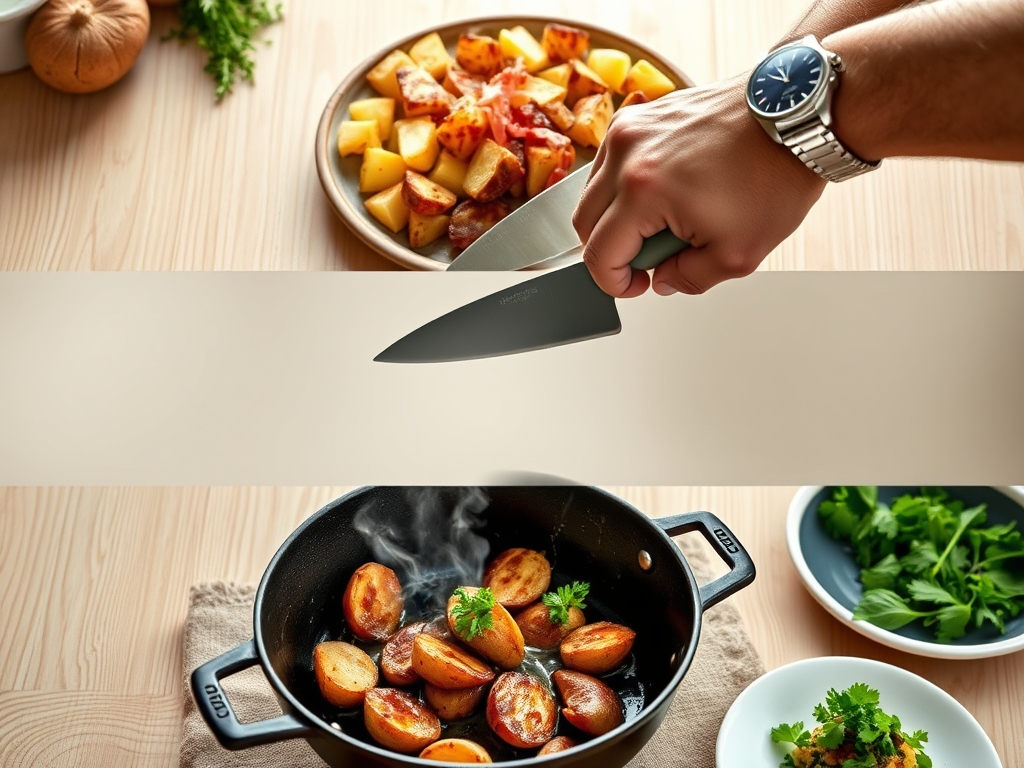
Take frozen tater tots and arrange them on a sheet pan. Let them thaw for five minutes, then use the bottom of a heavy glass to gently compress them into flat discs. Sear them in a heavy-bottomed skillet with a touch of avocado oil until they form a golden crust.
Pro Tip: This works because of surface area maximization. By flattening the tots, you increase the contact point with the heat source, accelerating the Maillard reaction and creating a higher ratio of "crunch" to "fluff."
2. The Sheet Pan "Totchos" Revolution
Spread a layer of frozen rounds on a preheated tray. Bake until 80% finished, then pile on sharp cheddar, black beans, and pickled jalapenos. Return to the oven until the cheese is viscous and bubbling.
Pro Tip: Avoid enzymatic browning by keeping the potatoes frozen until the exact moment they hit the heat. The ice crystals on the surface actually flash-steam in the oven, helping to separate the starch granules for a lighter interior.
3. The Waffle Fry "Croque Madame"
Use frozen waffle fries as the "bread" for a decadent open-faced sandwich. Top with ham, gruyere, and a silky Mornay sauce made in your saucier.
Pro Tip: Use thermal carryover to your advantage. Remove the fries from the oven when they are just shy of your desired darkness; the internal heat will continue to cook the starch for 2-3 minutes after they are pulled.
4. Hash Brown Crusted Quiche
Press frozen shredded hash browns into a pie dish to form a crust. Pre-bake until firm, then pour in your custard of eggs and cream.
Pro Tip: To prevent a soggy bottom, use a digital scale to measure your ingredients. Excess moisture in the egg mixture will migrate into the potato crust via osmosis if the ratios are off.
5. Frozen Fry Stir-Fry
Yes, really. Toss frozen steak fries into a blazing hot wok with ginger, garlic, and soy sauce. The thick cut of the steak fry allows it to hold its structural integrity against the high-moisture vegetables.
Pro Tip: The amylose in the potato starch acts as a natural thickener for your stir-fry sauce, creating a glossy coating without the need for extra cornstarch.
6. The 10-Minute Potato Leek Soup
Sauté leeks in butter, add frozen diced potatoes and chicken stock. Simmer for eight minutes and blend.
Pro Tip: Frozen potatoes are often blanched before freezing, which ruptures the starch cells. This allows them to hydrate and break down into a creamy soup base significantly faster than raw tubers.
7. Pierogi-Style Potato Pizza
Top a pizza crust with mashed frozen tots, caramelized onions, and kielbasa. Use a bench scraper to evenly distribute the potato "mash" across the dough.
Pro Tip: This creates a double-carb delight where the potato starch interferes with the gluten network of the pizza dough, resulting in a unique, tender mouthfeel.
8. Crispy Potato Croutons
Cut frozen hash brown patties into small cubes and fry them in a pan with herbs. Use tongs to turn them individually for a perfect 360-degree sear.
Pro Tip: This utilizes the retrogradation of starches. Potatoes that have been cooked and then frozen develop a more crystalline starch structure, which yields a superior crunch when refried.
9. The Loaded Potato Omelet
Fold crispy frozen rounds into a French-style omelet. Use a microplane to finish with a mountain of Pecorino Romano.
Pro Tip: The contrast in textures is a result of moisture migration. The soft egg protects the potato's interior while the exterior remains crisp against the palate.
The Deep Dive:
When we look at the macro nutrition of frozen potato recipes, the primary concern is often the added sodium and oils used in the commercial freezing process. However, potatoes are a powerhouse of potassium and Vitamin C. To keep things balanced, pair these hacks with lean proteins and high-fiber greens.
Dietary Swaps: For a vegan version, swap butter for coconut oil or a high-quality olive oil. If you are seeking a lower-carb profile, look for frozen cauliflower-potato blends that are now widely available. Most frozen potatoes are naturally gluten-free, but always check the packaging for "dusted" coatings that may contain wheat flour.
The Fix-It:
- Soggy Potatoes: Usually caused by overcrowding the pan. The steam trapped between the potatoes prevents the temperature from rising above 212 degrees Fahrenheit. Use two pans instead of one.
- Burned Outside, Cold Inside: Your heat is too high. Lower the flame and use a lid for two minutes to allow the center to thaw via steam before finishing with an open-air sear.
- Sticking to the Pan: You likely moved the potato too early. Wait for the starch to fully caramelize; it will naturally "release" from the pan once the crust is formed.
Meal Prep: To reheat these dishes while maintaining "day-one" quality, avoid the microwave at all costs. The microwave excites water molecules, turning your crispy masterpiece into a limp sponge. Use an air fryer or a toaster oven at 375 degrees Fahrenheit for 4 minutes to re-crisp the exterior.
The Wrap-Up:
There is no shame in the frozen aisle game. By understanding the chemistry of starch and the mechanics of heat transfer, you can turn a bag of frozen spuds into a five-star dining experience. These hacks are about more than just convenience; they are about reclaiming your time without sacrificing the sensory joy of a perfectly cooked meal. So, grab your tongs, preheat that skillet, and let the Maillard reaction do the heavy lifting for you tonight!
The Kitchen Table:
Can I cook frozen potatoes without oil?
Yes, use an air fryer or a non-stick silicone baking mat. The high-velocity hot air in an air fryer circulates around the potato, utilizing the small amount of oil already present from the par-frying process to create a crisp exterior.
Why are my frozen fries always limp?
This usually happens because the oven wasn't preheated or the pan was crowded. Ensure your oven is at least 425 degrees Fahrenheit and spread the potatoes in a single layer to allow moisture to escape as steam.
Are frozen potatoes less healthy than fresh?
Nutritionally, they are very similar, as flash-freezing locks in vitamins. The main difference is the added sodium or fats used during commercial processing. Always check the ingredient label to find brands with minimal additives or extra oils.
How do I make frozen potatoes taste gourmet?
Infuse your cooking oil with aromatics like smashed garlic, thyme, or rosemary. Finishing the dish with high-quality sea salt, a squeeze of fresh lemon juice, or a dusting of finely grated hard cheese will immediately elevate the flavor profile.