
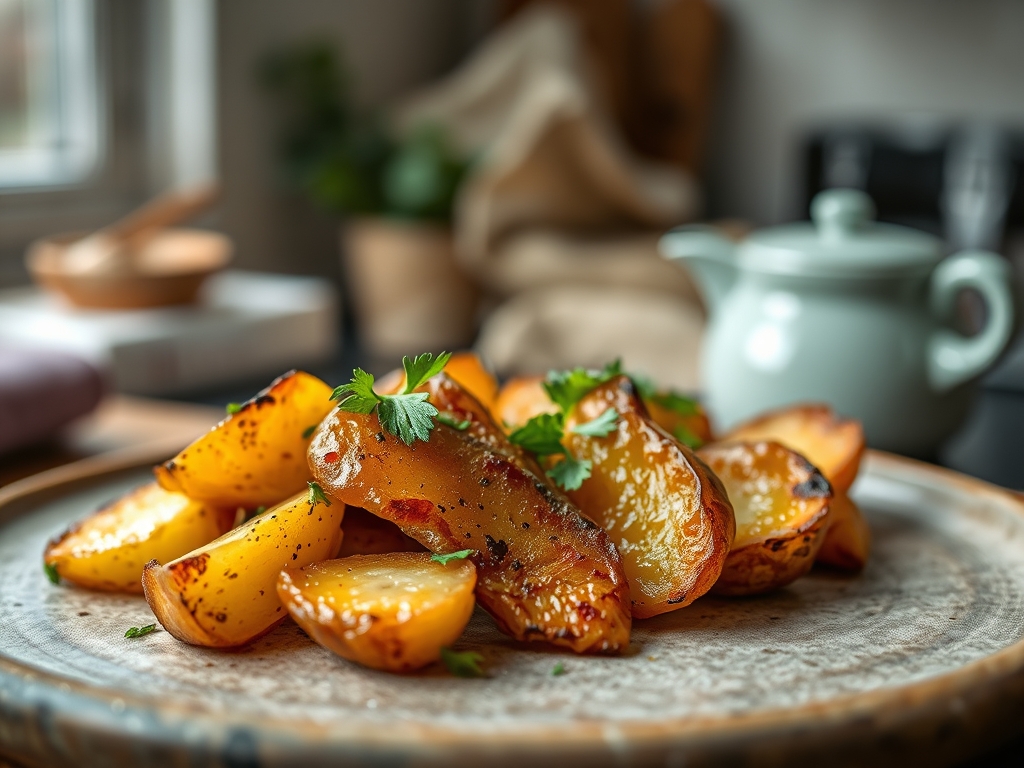
Imagine the sound of a high-velocity fan swirling hot air around a starchy cube of gold. That first bite shatters into a thousand salty shards before giving way to a center so creamy it rivals a French pomme puree. Mastering air fryer breakfast potato recipes is the ultimate morning flex; it is the bridge between a groggy Tuesday and a five-star brunch experience.
Most people treat their air fryer like a glorified microwave, but we are going to treat it like a precision convection laboratory. We are chasing the Maillard reaction, that magical chemical dance where amino acids and reducing sugars transform under heat to create those savory, browned flavors that make your kitchen smell like heaven. Whether you are craving classic home fries or crispy smashed fingerlings, the secret lies in managing moisture and maximizing surface area. We are moving beyond basic "fries" and entering the realm of artisanal texture. Forget the soggy, oil-soaked skillet messes of the past. Today, we are harnessing thermodynamics to ensure every single spud is a masterpiece of crunch and fluff.
The Gathers:
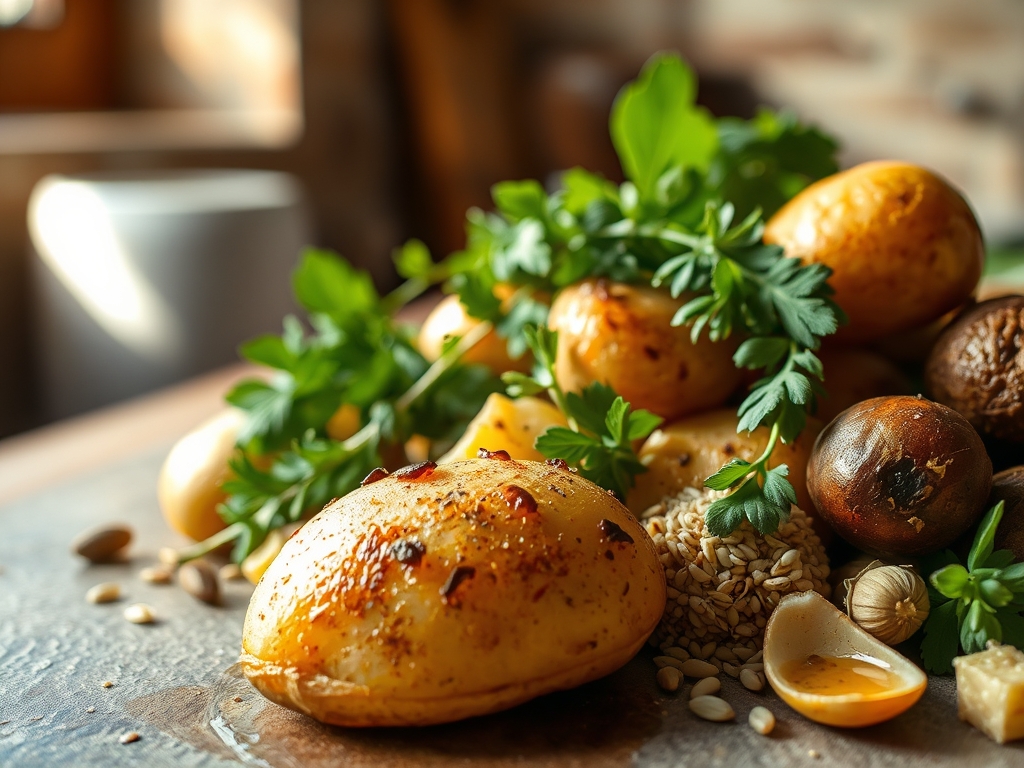
To achieve potato perfection, your mise-en-place must be intentional. Start with high-starch Russets for maximum fluff or waxy Yukon Golds if you prefer a buttery, viscous interior. You will need a digital scale to ensure uniform portioning; consistency is the silent partner of even cooking. For the seasoning, we are looking for a piquant profile. Gather high-quality smoked paprika, garlic powder, onion powder, and kosher salt. The salt is non-negotiable; its jagged crystals provide better surface adhesion than fine table salt.
You will also need a high-smoke-point fat. Avocado oil is my favorite because it can withstand the intense 400-degree heat without breaking down into acrid compounds. If you want to get fancy, use a microplane to zest a bit of lemon over the finished product or to grate fresh Parmesan for an umami kick.
Smart Substitutions:
If you are watching your glycemic index, swap the Russets for sweet potatoes. Note that sweet potatoes contain more natural sugar, so they will caramelize (and burn) faster. If you are out of avocado oil, ghee is a fantastic alternative; it provides a nutty, rendered flavor that mimics the depth of bacon fat without the heavy saturation. For a nightshade-free version, try firm parsnips or even radishes. Radishes lose their peppery bite when air-fried and take on a surprisingly potato-like texture.
The Clock
Efficiency in the kitchen is all about the "Chef's Flow." Total active prep time should take no more than 10 minutes, with a cook time of 18 to 22 minutes depending on your specific air fryer model.
The flow works like this: while your air fryer preheats (yes, you must preheat), you are dicing and soaking. While the potatoes undergo their first ten-minute "blast," you are cleaning your station and prepping your garnish. This ensures that by the time the timer dings, your kitchen is spotless and your coffee is poured. Never skip the preheat phase; putting cold potatoes into a cold basket results in a slow temperature climb that encourages the starch to become gummy rather than crispy.
The Masterclass
1. The Precision Dice and Soak
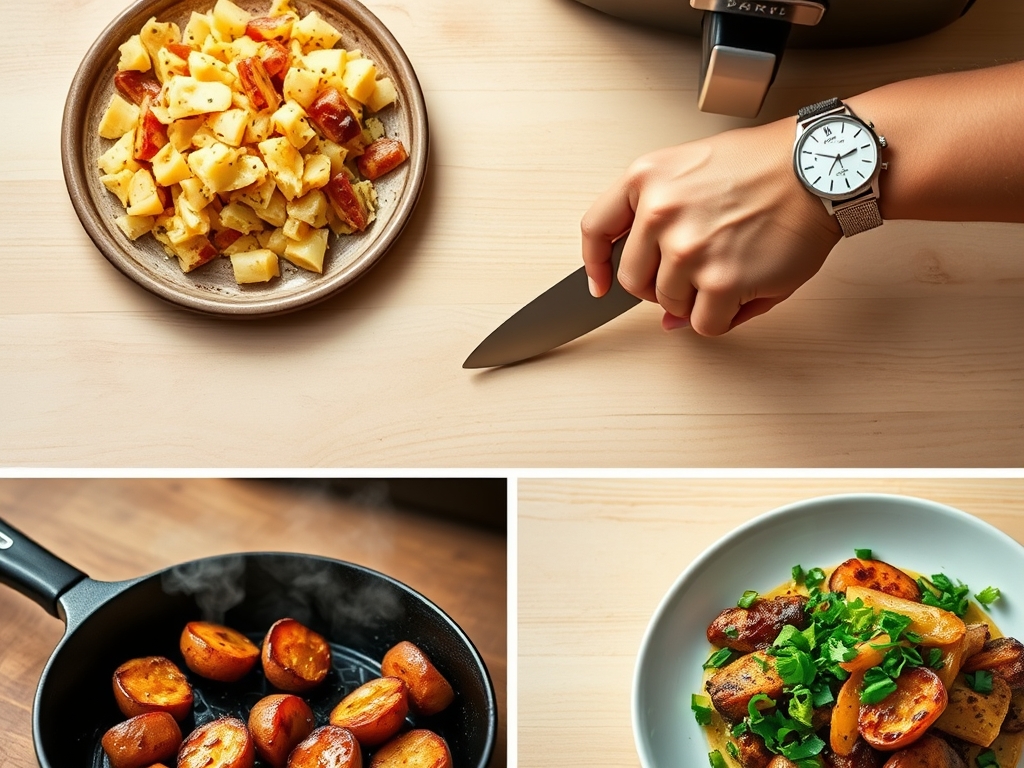
Use a sharp chef's knife or a bench scraper to move your uniform half-inch cubes into a bowl of ice-cold water. Let them soak for at least 10 minutes. This step is vital for removing excess surface starch.
Pro Tip: Removing surface starch prevents the potatoes from sticking together and allows the exterior to dehydrate faster. This accelerates the evaporative cooling process, leading to a much crispier crust once the heat hits.
2. The Dehydration Ritual
Drain the potatoes and pat them bone-dry with a lint-free kitchen towel. Any residual moisture will turn to steam in the air fryer, which is the enemy of the crunch. Once dry, toss them in a bowl with your oil and spices until every surface is glistening.
Pro Tip: This is where emulsification starts. By coating the dry potato in oil before adding salt, you create a barrier that prevents the salt from drawing out internal moisture too early, which would otherwise result in a limp texture.
3. The First Blast
Set your air fryer to 400 degrees Fahrenheit. Place the potatoes in the basket, ensuring they are not overcrowded. If you have a large batch, cook in two rounds. Let them cook undisturbed for 10 minutes.
Pro Tip: During this phase, the Maillard reaction begins. The high heat causes the sugars on the surface to brown. Resisting the urge to shake the basket early allows a solid "crust" to form, which prevents the potatoes from breaking apart later.
4. The Agitation and Finish
Open the basket and use tongs or a vigorous shake to redistribute the potatoes. Cook for another 8 to 12 minutes, shaking every 4 minutes, until they reach a deep mahogany gold.
Pro Tip: Frequent agitation in the final stages ensures even convection airflow. This prevents "cold spots" in the basket and ensures that the thermal energy is distributed to every nook and cranny of the potato cubes.
The Deep Dive
From a nutritional standpoint, air fryer breakfast potato recipes are a revelation. By using an air fryer, you reduce the added fat by up to 80 percent compared to traditional deep-frying. A standard serving provides a solid dose of potassium and Vitamin C, especially if you leave the skins on.
Dietary Swaps:
- Vegan: Use nutritional yeast instead of Parmesan for a "cheesy" flavor.
- Keto: Replace potatoes with cauliflower florets. Reduce cook time to 12 minutes.
- Gluten-Free: This recipe is naturally GF, but ensure your spice blends do not contain anti-caking agents derived from grain.
The Fix-It: Common Pitfalls
- Soggy Potatoes: You overcrowded the basket. The steam had nowhere to go. Fix: Cook in smaller batches.
- Burnt Spices: You used dried herbs like parsley or oregano too early. Fix: Add delicate herbs only in the last 2 minutes of cooking.
- Uneven Cooking: Your dice size was inconsistent. Fix: Use a mandoline or a ruler until your "eye" for size is trained.
Meal Prep Science:
To reheat, never use a microwave. The microwave agitates water molecules, making the starch retrogress into a rubbery state. Instead, toss them back in the air fryer at 350 degrees for 4 minutes. This re-activates the fats and crisps the exterior for "day-one" quality.
The Wrap-Up
You are now armed with the technical prowess to dominate the breakfast game. Remember, great cooking is 20 percent ingredients and 80 percent temperature management. By controlling the starch, moisture, and airflow, you have turned a humble root vegetable into a culinary event. Go forth, grab your tongs, and let that air fryer roar. Your brunch guests (and your taste buds) will thank you for the crispy, golden science you just dropped on the table.
The Kitchen Table
Why are my air fryer potatoes not crispy?
Usually, this is due to excess moisture or overcrowding. Ensure you pat the potatoes completely dry after soaking and leave enough space for air to circulate. If the steam cannot escape, the potatoes will boil rather than fry.
Do I really need to soak the potatoes first?
Yes. Soaking removes surface starch that causes sticking and browning before the interior is cooked. A 10-minute soak ensures a crispier exterior and a fluffier interior by managing the sugar-to-starch ratio on the potato surface.
Can I use frozen potatoes for these recipes?
Absolutely. Frozen potatoes are often par-boiled, which can actually save time. However, do not thaw them first. Put them in the air fryer frozen and add 2 to 4 minutes to the total cook time for the best results.
What is the best oil for air frying potatoes?
High-smoke-point oils like avocado, grapeseed, or refined coconut oil are best. These oils can withstand 400-degree temperatures without smoking or developing off-flavors, ensuring your potatoes taste clean and savory rather than burnt or bitter.