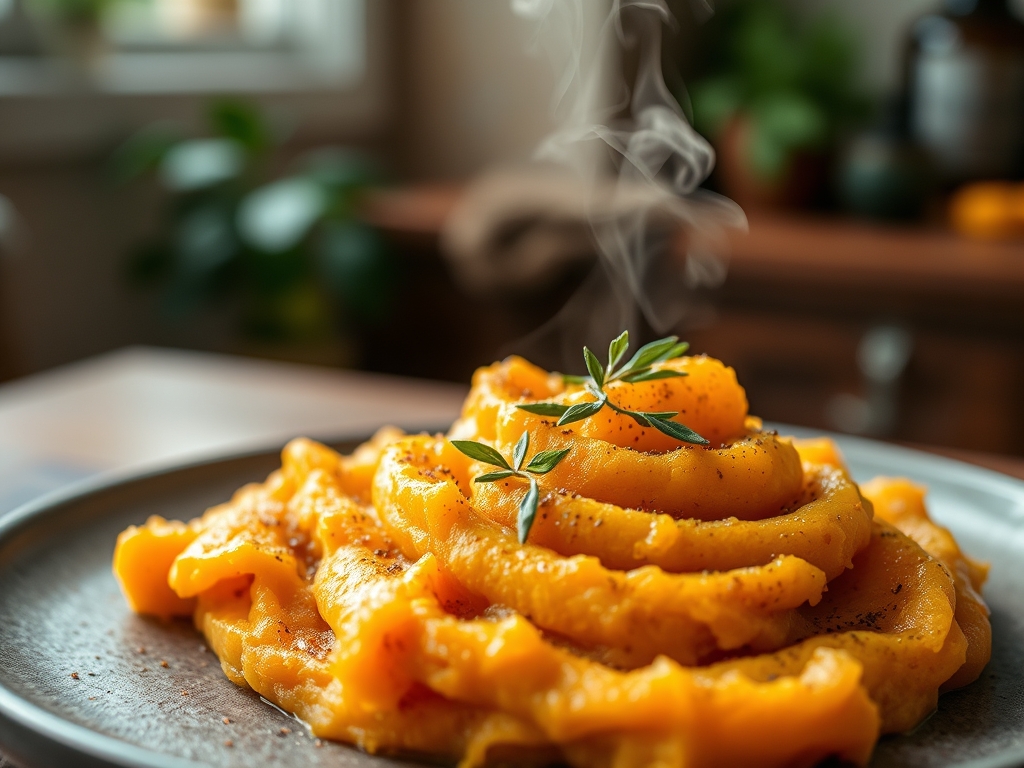
Imagine the scent of caramelizing sucrose dancing through your kitchen as a pot of vibrant orange tubers reaches its peak tenderness. We are moving beyond the basic holiday side dish to explore the sophisticated chemistry of mashed sweet potato recipes brown sugar. This is where earthy beta-carotene meets the deep, molasses-heavy notes of dark sugar to create a velvety masterpiece.
The secret to a truly elite mash lies in the balance of moisture and aeration. When you combine the natural starches of the sweet potato with the hygroscopic nature of brown sugar, you create a texture that is both silky and structurally sound. We are not just boiling vegetables here; we are orchestrating a symphony of thermal breakdown and emulsification. Whether you prefer your mash spiked with piquant ginger or mellowed with cultured butter, mastering mashed sweet potato recipes brown sugar will elevate your weeknight dinner from mundane to magnificent. Grab your favorite heavy-bottomed pot and your most reliable whisk. We are about to dive into the technical nuances of the perfect mash, ensuring every bite is a precise balance of salt, fat, and unrefined sweetness.
The Gathers:
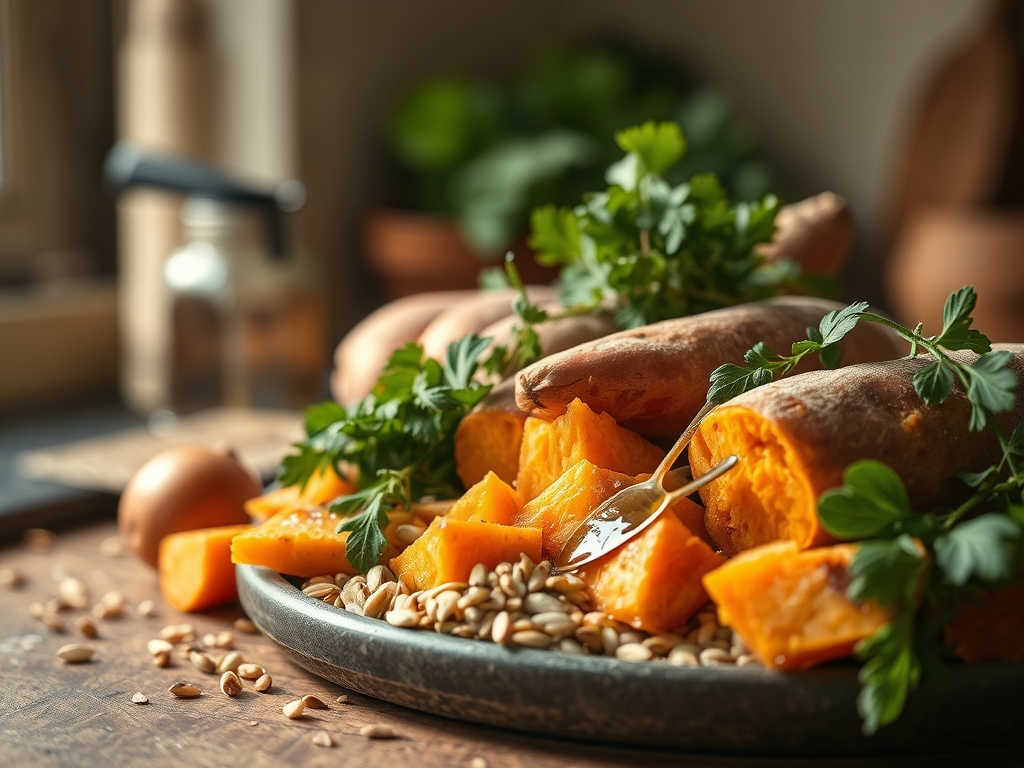
To achieve a restaurant-grade result, your mise-en-place must be intentional. Start with four pounds of Beauregard or Jewel sweet potatoes. These varieties contain the optimal starch-to-sugar ratio for a smooth finish. You will need a digital scale to ensure your measurements are exact, as the ratio of fat to fiber determines the final viscosity.
The supporting cast includes high-fat European butter (look for 82 percent butterfat), heavy cream, and high-quality dark brown sugar. The dark variety contains more molasses, which provides a deeper flavor profile and a more viscous mouthfeel. You will also need a fine-mesh sieve or a ricer to ensure zero lumps. For aromatics, keep a microplane handy for fresh nutmeg and a pinch of flaky sea salt to brighten the sugars.
Smart Substitutions:
If you are looking for a lower glycemic index, substitute the brown sugar with coconut sugar. It mimics the caramel notes without the sharp insulin spike. For a dairy-free alternative, full-fat coconut milk provides the necessary lipids to emulsify the mash, while ghee offers a nutty, lactose-free depth. If you find your potatoes are too fibrous, a teaspoon of maple syrup can help bridge the texture gap.
The Clock
Efficiency in the kitchen is about "Chef's Flow," which means minimizing downtime by overlapping tasks. Total active time for this recipe is approximately 15 minutes, with a total duration of 45 minutes from soil to table.
While the potatoes undergo thermal hydrolysis in the boiling water, use that 20-minute window to render your butter and infuse your cream. This ensures that when the potatoes are ready to be aerated, your liquid components are already at the optimal temperature. This prevents the "thermal shock" that can lead to a gummy, glue-like consistency. Always set a timer; overcooked sweet potatoes absorb excess water, which dilutes the flavor and ruins the structural integrity of the mash.
The Masterclass
1. The Precision Prep
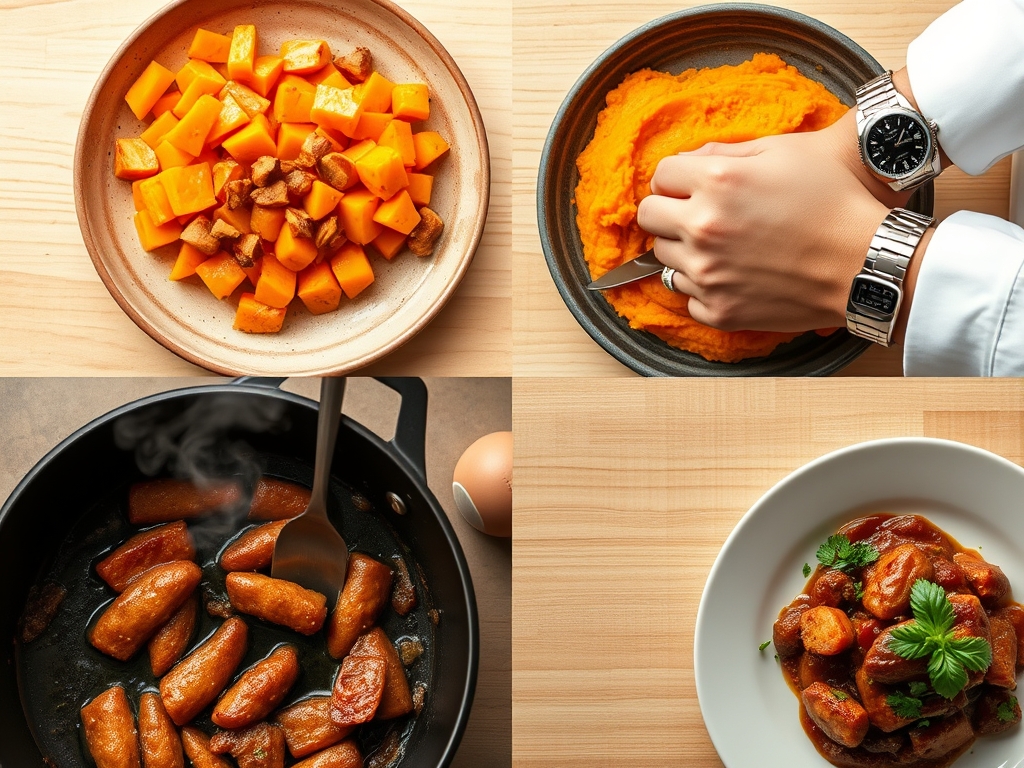
Peel and cube your potatoes into uniform one-inch pieces using a sharp chef's knife and a bench scraper to move them efficiently. Uniformity is not just for aesthetics; it ensures every piece cooks at the exact same rate.
Pro Tip: This prevents enzymatic browning. By placing the cut cubes immediately into cold, salted water, you stop the oxygen from reacting with the phenols in the potato, keeping the color vibrant orange rather than dull brown.
2. The Controlled Simmer
Bring the water to a boil, then reduce to a steady simmer. Aggressive boiling can break the exterior of the potato before the interior is soft, leading to an uneven texture.
Pro Tip: Salt the water heavily. The salt penetrates the cellular structure of the potato during the cooking process, seasoning it from the inside out. This is your only chance to season the starch granules themselves.
3. The Moisture Purge
Once fork-tender, drain the potatoes and return them to the warm pot for sixty seconds over low heat. Use tongs to move them around gently.
Pro Tip: This step facilitates evaporative cooling. Removing excess surface moisture ensures that the potatoes will better absorb the butter and cream, preventing a watery or "weeping" mash later on.
4. The Mechanical Breakdown
Pass the hot potatoes through a ricer or food mill into a stainless steel bowl. Avoid using a high-speed blender, which can shear the starch molecules and turn your mash into a sticky paste.
Pro Tip: This process uses mechanical aeration. By forcing the potato through small holes, you incorporate air and separate the fibers, resulting in a light, fluffy cloud rather than a dense mass.
5. The Lipid Integration
Slowly fold in your room-temperature butter and warmed cream using a silicone spatula. Add the brown sugar and spices last, stirring until the sugar crystals have completely dissolved.
Pro Tip: This is a classic emulsification. The fats in the butter coat the starch molecules, creating a barrier that prevents them from clumping. The residual heat of the potatoes is enough to melt the sugar without scorching it.
The Deep Dive
From a nutritional standpoint, sweet potatoes are a powerhouse of Vitamin A and potassium. A standard serving of mashed sweet potato recipes brown sugar provides roughly 250 calories, with the majority of the energy coming from complex carbohydrates and healthy fats. To make this Vegan, swap the butter for a high-quality avocado oil spread and use oat milk. For Keto enthusiasts, replace the brown sugar with a monk fruit gold blend and increase the butter-to-potato ratio.
The Fix-It:
- Too Runny: If your mash is soupy, return it to a saucier over medium-low heat. Stir constantly to evaporate excess liquid without burning the sugars.
- Lumpy Texture: If you skipped the ricer, use a hand mixer on the lowest setting for thirty seconds. Do not overwork it, or it will become gluey.
- Too Sweet: Balance the sugar by adding a teaspoon of apple cider vinegar or a squeeze of lemon. The acid cuts through the sucrose and brightens the overall flavor profile.
Meal Prep:
To maintain "day-one" quality, store the mash in an airtight container for up to four days. When reheating, avoid the microwave if possible. Instead, place the mash in a small saucepan with a splash of milk. The reheating science here is about restoring the emulsion; the extra liquid and gentle heat allow the fats to redistribute without separating.
The Wrap-Up
Mastering the art of mashed sweet potato recipes brown sugar is a rite of passage for any home cook looking to blend scientific precision with soulful comfort. By focusing on the temperature of your ingredients and the method of your aeration, you transform a humble root vegetable into a sophisticated culinary experience. Remember, the best recipes are those where you understand the why behind the how. Now, go forth and whip up a batch that would make a professional chef weep with joy!
The Kitchen Table
Can I make these ahead of time?
Yes. Prepare the mash up to two days in advance. Reheat slowly on the stovetop with a tablespoon of heavy cream to restore the creamy viscosity and prevent the starch from drying out.
Why is my mash sticky or gluey?
This usually happens from over-processing. High-speed blades tear the starch granules, releasing too much amylose. Always use a ricer or hand masher for the best structural integrity and a light, fluffy mouthfeel.
Can I use light brown sugar instead?
Absolutely. Light brown sugar has less molasses, resulting in a milder caramel flavor. If you want that deep, robust profile, you can add a tiny drop of molasses to your light sugar.
What is the best way to peel sweet potatoes?
Use a Y-peeler for maximum efficiency. Peel in long, downward strokes away from your body. This removes only the skin, preserving the nutrient-dense flesh just beneath the surface.
How do I keep the color bright?
Adding a pinch of cream of tartar or a teaspoon of lemon juice to the boiling water lowers the pH. This stabilizes the anthocyanins and keeps your mash looking vibrantly orange.