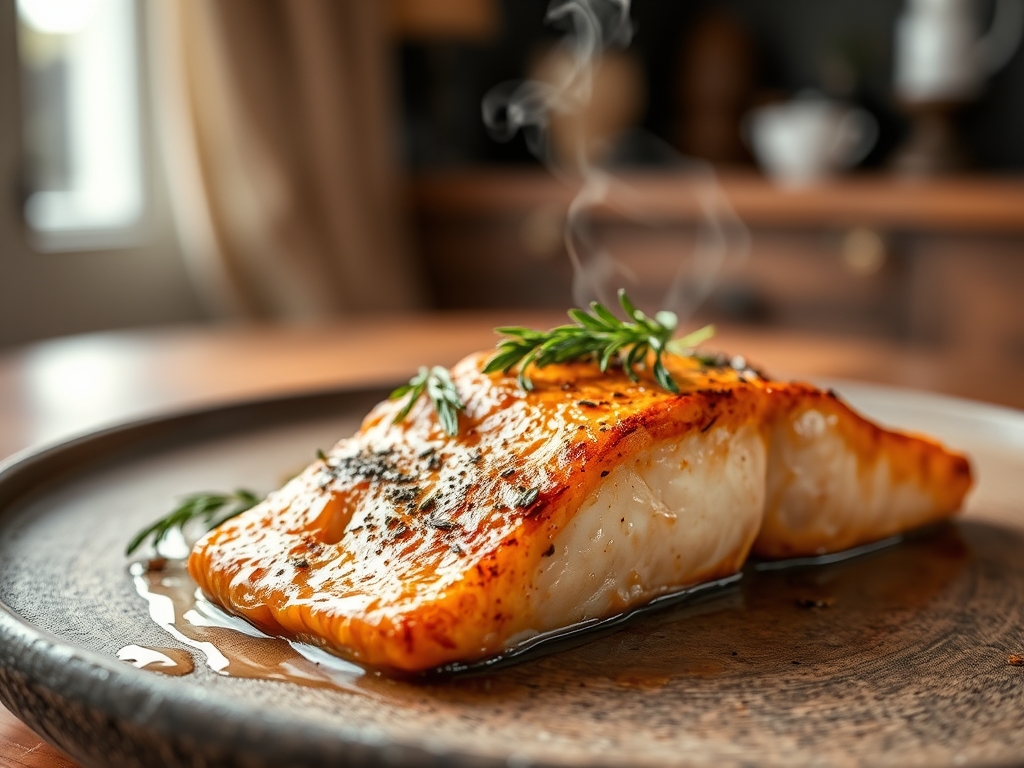
Imagine the sharp, citrusy scent of lemons hitting a hot heavy-bottomed skillet while the earthy perfume of smoked pimenton fills your kitchen. We are moving beyond basic pan-searing into the vibrant world of spanish salmon recipes; a culinary landscape where fatty Omega-3s meet the bold, acidic brightness of the Mediterranean. It is a masterclass in balance. You want that skin to shatter like glass while the interior remains a buttery, translucent medium-rare. Spanish cuisine excels at this because it treats seafood with a mix of reverence and high-heat aggression. We are talking about the "Sizzle and Soul" method. Whether it is the garlic-heavy influence of the north or the saffron-infused warmth of the south, these dishes rely on high-quality olive oil and the precision of heat management. By the end of this guide, you will not just be following a recipe; you will be mastering the molecular transition of proteins from raw to silk. We are diving deep into the chemistry of the sear to ensure your dinner party feels like a sunset meal in San Sebastian.
The Gathers:
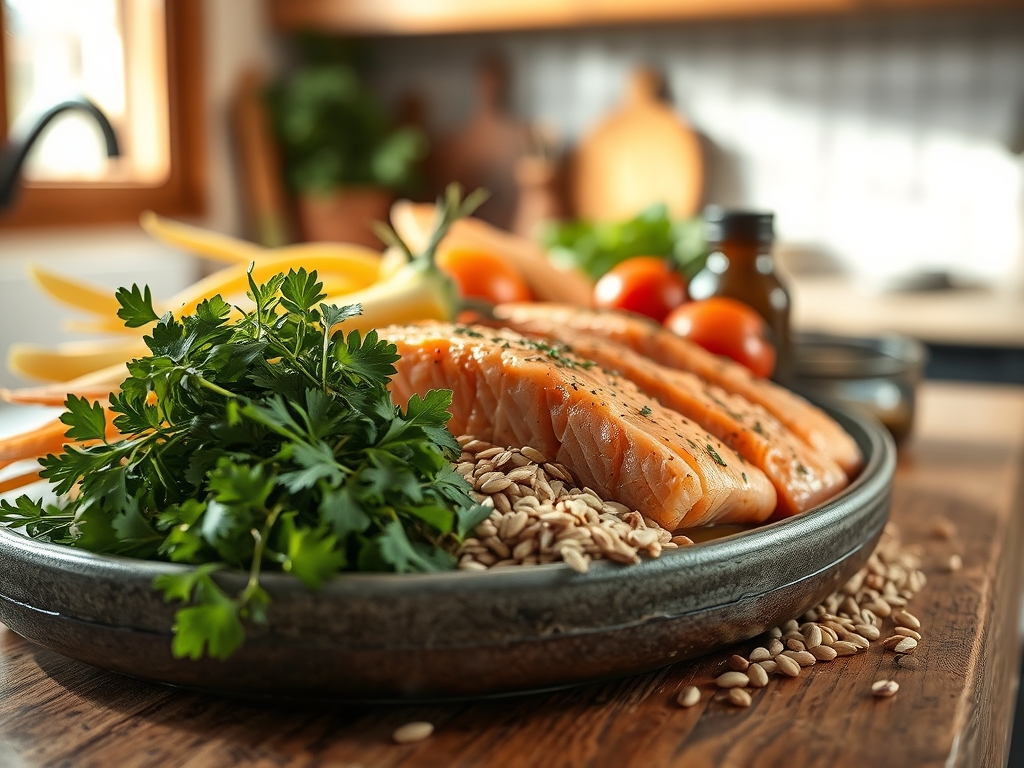
To execute these spanish salmon recipes with precision, your mise-en-place must be flawless. We start with the star: center-cut Atlantic or King salmon fillets. Look for deep pigmentation, which indicates high astaxanthin levels. You will need a high-quality extra virgin olive oil with a high smoke point for the initial sear. Next, gather your aromatics. We are using purple garlic for its higher sulfur content and piquant kick. You will need a microplane to zest lemons and a digital scale to ensure your dry spice rubs are consistent.
Smart Substitutions:
If you cannot find authentic Pimenton de la Vera, a mix of smoked paprika and a pinch of cayenne will replicate that smoldering depth. For those avoiding nightshades, swap the peppers for a crust of toasted Marcona almonds and lemon zest to maintain that crunch. If fresh parsley is unavailable, freeze-dried chives offer a similar grassy note without the bitterness of dried flakes. Always keep a bottle of dry Sherry (Fino or Manzanilla) nearby; its acidity is superior to standard white wine for deglazing a saucier.
The Clock
Efficiency in the kitchen is about "Chef's Flow," which is the art of overlapping tasks to minimize downtime. For these dishes, expect a total commitment of 35 minutes. Prep takes 15 minutes: this includes slicing aromatics with a sharp chef knife and patting the fish bone-dry to prevent steaming. The cooking phase is a swift 12 to 15 minutes.
The secret to the flow is the "Resting Phase." While the salmon sits on a wire rack to allow the internal temperature to stabilize, you will use those final 5 minutes to emulsify your pan sauce. This ensures the fish does not overcook while you are whisking your reduction. Timing is a chemical necessity here; if you plate too early, the albumin (that white protein) will leak out, ruining the aesthetic.
The Masterclass
1. The Desiccation Ritual
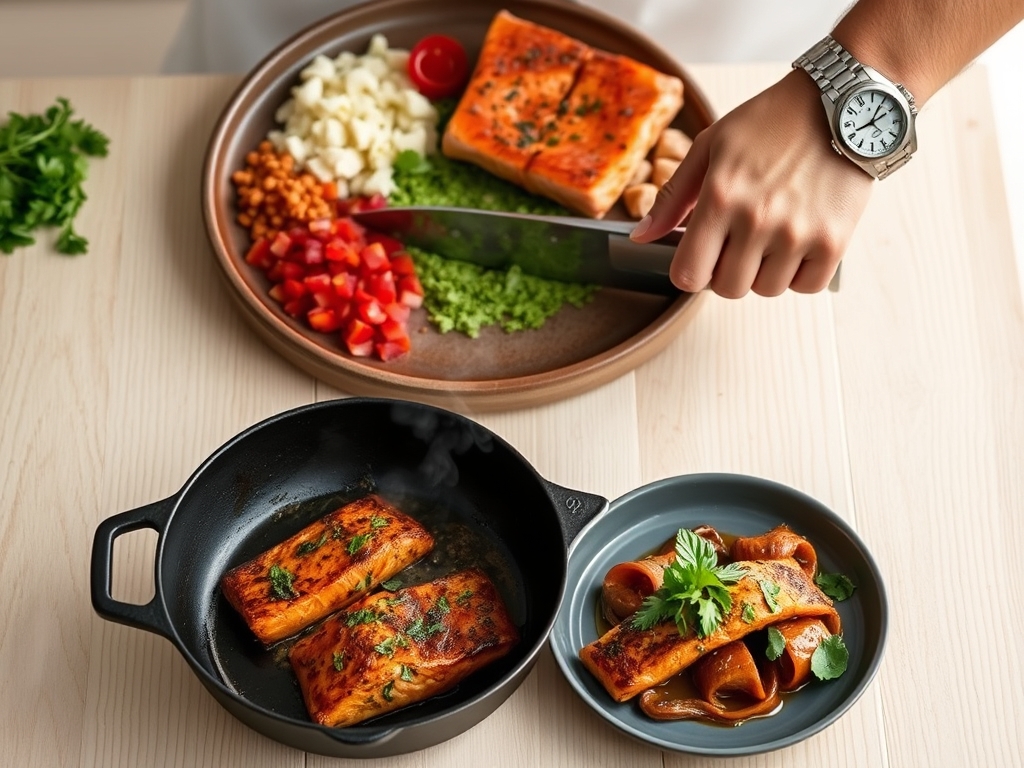
Start by using a paper towel to remove every molecule of moisture from the skin. Moisture is the enemy of the Maillard reaction. If the surface is damp, the heat energy is wasted evaporating water rather than browning the protein.
Pro Tip: This is known as surface dehydration. By removing water, you allow the skin to reach 300 degrees Fahrenheit almost instantly, creating a crisp, polymerized crust.
2. Tempering the Fillet
Never pull your salmon straight from the refrigerator to the pan. Let it sit at room temperature for 15 minutes. Cold fish causes the muscle fibers to contract violently when hitting heat, squeezing out moisture and leaving the meat tough.
Pro Tip: This reduces the thermal gradient between the core and the surface, ensuring the center reaches 125 degrees Fahrenheit just as the outside finishes browning.
3. The Cold-Start Infusion
Place your olive oil, sliced garlic, and a sprig of rosemary in a cold saucier. Turn the heat to medium-low. This allows the fat-soluble flavor compounds in the garlic to infuse into the oil without burning the delicate solids.
Pro Tip: This is a gentle extraction. High heat destroys the volatile oils in aromatics; starting cold preserves the complex flavor profile of the Spanish oil.
4. High-Tension Searing
Increase the heat to medium-high. Place the salmon skin-side down and press firmly with a flexible fish spatula for 30 seconds. This prevents the skin from curling as the collagen contracts.
Pro Tip: This physical pressure ensures maximum surface area contact, facilitating even heat transfer and a uniform golden color across the entire fillet.
5. Deglazing the Fond
Once the fish is flipped and nearly finished, remove it. Pour in a splash of Sherry to deglaze the pan, scraping up the browned bits (the fond) with a wooden spoon.
Pro Tip: This process uses acidity to dissolve the caramelized proteins and sugars stuck to the pan, creating the base for a deeply savory, viscous pan sauce.
6. The Butter Emulsification
Turn off the heat and whisk in a cold cube of butter. The residual heat will melt the fat while the agitation creates a stable emulsion with the wine and juices.
Pro Tip: Using cold butter is essential; the milk solids encapsulate the fat droplets, creating a "beurre monte" effect that gives the sauce a glossy, professional finish.
7. The Carryover Rest
Transfer the salmon to a warm plate. Let it rest for three minutes before serving. The internal temperature will rise by about 5 degrees during this time.
Pro Tip: This is thermal carryover. Resting allows the agitated cell structures to reabsorb juices, ensuring that the first bite is succulent rather than dry.
The Deep Dive
From a nutritional standpoint, these spanish salmon recipes are powerhouses. A standard 6-ounce portion provides roughly 35 grams of high-quality protein and 2.5 grams of Omega-3 fatty acids. The use of olive oil adds monounsaturated fats, which are heart-healthy and stable under heat.
Dietary Swaps:
For a Keto version, serve the salmon over a bed of sautéed spinach and heavy cream instead of the traditional potato base. Vegan guests can enjoy the same Spanish flavor profile by substituting the salmon with thick slabs of cauliflower or "tofu steaks" pressed and seared using the same spice rub. For a Gluten-Free guarantee, ensure your smoked paprika is certified, as some brands use flour as an anti-caking agent.
The Fix-It:
- Skin Sticking: If the fish won't budge, do not force it. It will naturally release from the pan once the crust has fully formed.
- White Gunk (Albumin): This happens when heat is too high. Lower your flame; it is purely aesthetic but indicates the muscle fibers are tightening too fast.
- Burnt Garlic: If your garlic turns acrid and brown, discard the oil and start over. Bitterness cannot be masked.
Meal Prep:
To reheat without turning the fish into rubber, avoid the microwave. Use a low-temperature oven (275 degrees Fahrenheit) with a splash of water in the dish, covered with foil. This creates a gentle steam environment that rehydrates the proteins.
The Wrap-Up
Mastering spanish salmon recipes is about more than just a meal; it is about bringing the fiery, disciplined technique of a Mediterranean kitchen into your home. You have learned how to manage moisture, control thermal carryover, and emulsify a restaurant-grade sauce using nothing but residual heat and a whisk. This dish is a celebration of texture; the crunch of the skin against the melting tenderness of the fat. Now, pour yourself a glass of Albarino, grab your tongs, and let the sizzle begin. You have got this!
The Kitchen Table
How do I get the skin extra crispy?
The secret is total dryness. Use a bench scraper to squeegee moisture off the skin, then salt it immediately before it hits the hot oil. This prevents the "steaming" effect that leads to soggy skin.
Can I use frozen salmon for these recipes?
Yes, but thaw it completely in the refrigerator overnight. Pat it dry multiple times with paper towels to remove excess moisture from the freezing process, which can interfere with the Maillard reaction.
What is the best pan for searing salmon?
A heavy-bottomed stainless steel skillet or a well-seasoned cast iron pan is best. These materials retain heat efficiently, ensuring the pan temperature doesn't drop when the cold fish is added.
What wine pairs best with Spanish salmon?
A dry, acidic white like Albarino or a chilled Rose works beautifully. The acidity cuts through the fatty richness of the salmon and complements the smoky notes of the pimenton.