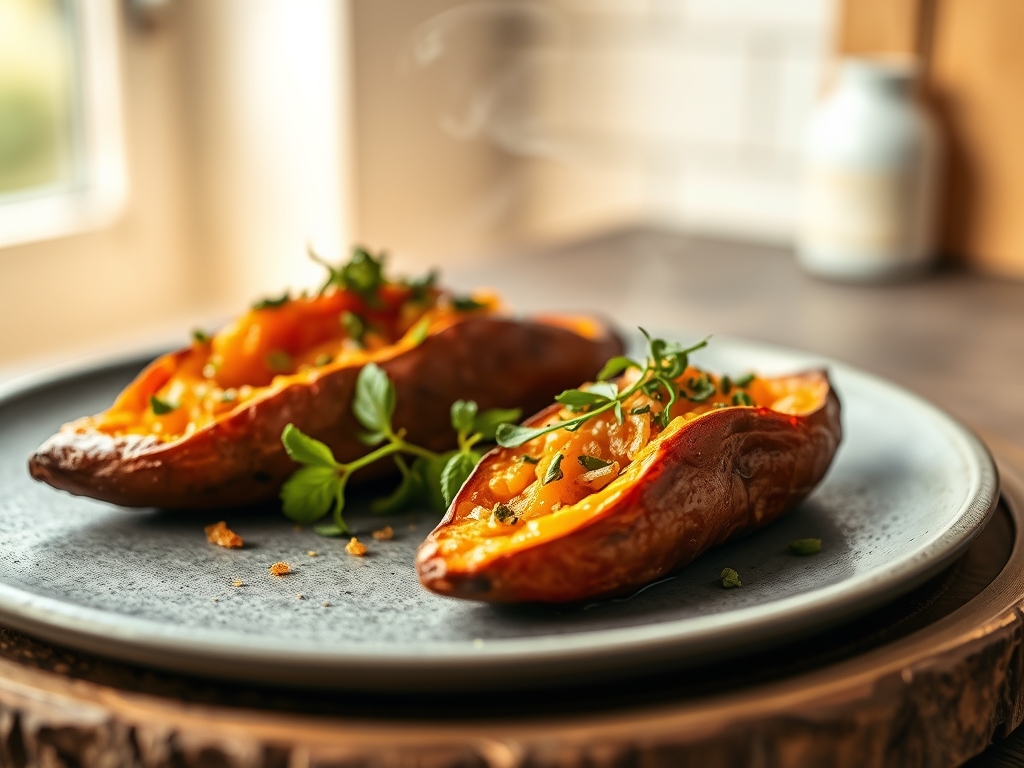
Imagine the scent of caramelized sugars hitting a hot cast iron surface; it is a deep, earthy perfume that signals the start of something transformative. When you master high protein sweet potato recipes, you are not just cooking; you are engineering a metabolic powerhouse that balances complex carbohydrates with essential amino acids for sustained, jitter free energy.
The sweet potato is a culinary marvel. Its orange flesh is packed with beta carotene, but its real magic lies in its versatility as a structural base for lean proteins. Whether you are folding roasted cubes into a spicy chorizo hash or stuffing a baked skin with shredded lemon herb chicken, the goal is the same: achieving a perfect textural contrast between the creamy tuber and the fibrous protein. We are moving beyond the basic "gym bro" meal prep and into the realm of sophisticated, nutrient dense gastronomy. By the end of this guide, you will understand how to manipulate heat and moisture to turn these humble roots into six distinct, high performance meals that keep you fueled from your morning lift to your final email of the day.
The Gathers:
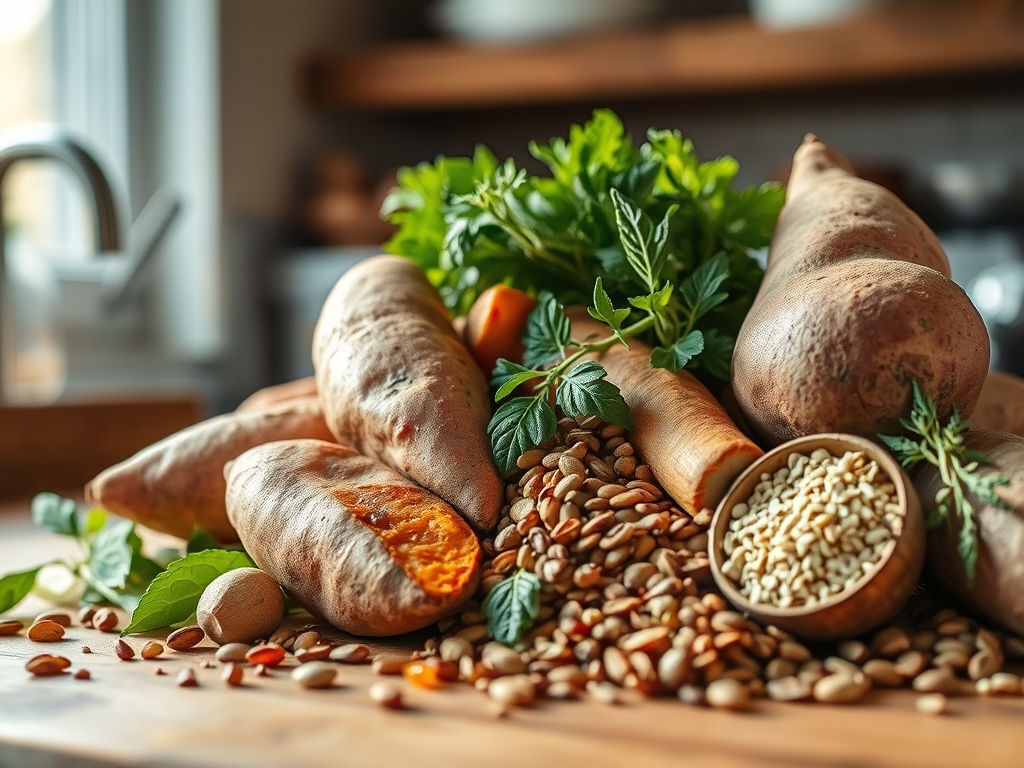
To execute these high protein sweet potato recipes with precision, your mise-en-place must be impeccable. Start with the potatoes themselves; look for Beauregard or Jewel varieties, as their high sugar content facilitates superior Maillard reaction browning. You will need a digital scale to ensure protein ratios are exact, typically aiming for 30 to 40 grams of protein per serving.
Your protein arsenal should include lean ground turkey, wild caught salmon fillets, Greek yogurt for creamy emulsification, and black beans for a plant based punch. For the aromatic base, gather fresh garlic, shallots, and ginger; these contain volatile oils that infuse the cooking fat with depth. Do not forget the "Smart Substitutions." If you are dodging nightshades, swap paprika for toasted cumin. If you need a dairy free creaminess, a viscous cashew cream provides the same mouthfeel as heavy cream without the lactose. Always keep a high smoke point oil, like avocado oil, in a squeezy bottle for precise application during high heat searing.
The Clock:
Efficiency in the kitchen is about "Chef's Flow," a sequence of operations that minimizes downtime. Total prep time for these recipes averages 20 minutes, with active cook times ranging from 15 to 45 minutes depending on the method.
The secret to the clock is parallel processing. While your sweet potatoes undergo thermal conduction in a 400 degree oven, you should be using a bench scraper to clear your board and prepping your proteins. If you are making the Sweet Potato and Black Bean Power Bowls, the beans should be simmering in a saucier while the potatoes roast. This overlapping timeline ensures that all components reach their peak temperature simultaneously, preventing the dreaded "cold side dish" syndrome.
The Masterclass:
1. The Precision Roast
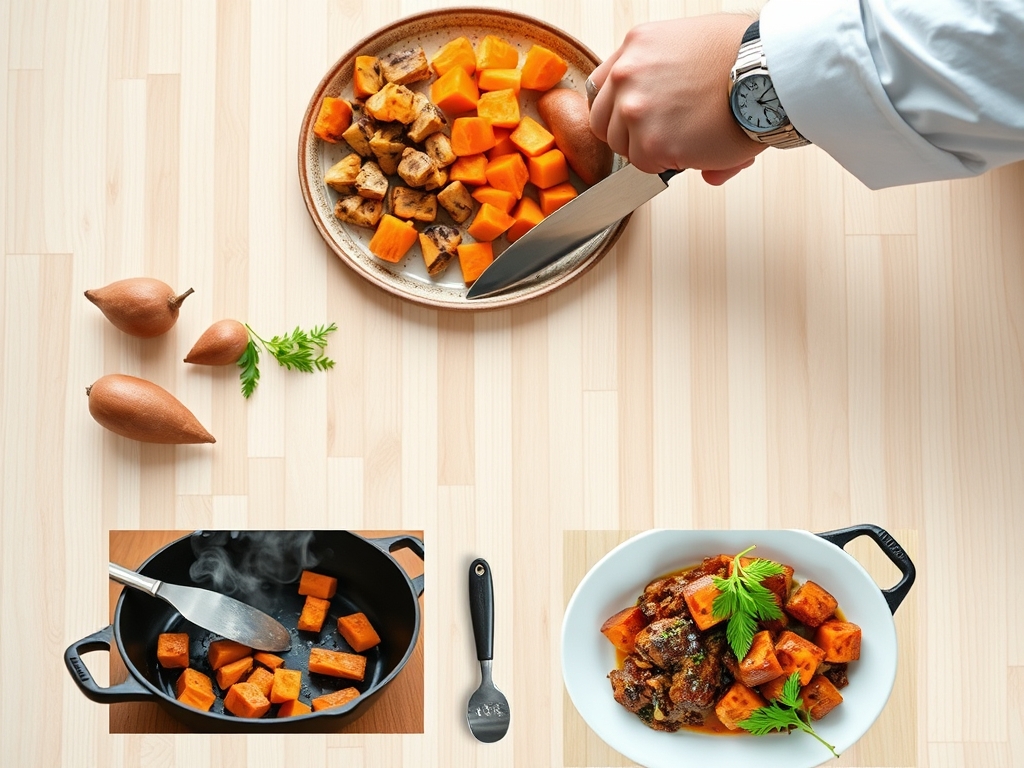
Cut your potatoes into uniform 1/2 inch cubes using a sharp chef's knife. Toss them with avocado oil and sea salt until every surface is glistening. Spread them on a preheated sheet pan, ensuring they do not touch to allow for proper air circulation and moisture evaporation.
Pro Tip: This prevents steaming. When vegetables are crowded, the released moisture creates a humid microclimate that inhibits browning. Spacing them out allows the surface temperature to exceed 300 degrees, triggering the caramelization of natural sugars.
2. The Protein Sear
While the potatoes roast, pat your protein (like chicken breast or steak) bone dry with paper towels. Heat a heavy-bottomed skillet until it wisps with smoke. Lay the protein away from you to avoid oil splatter and leave it undisturbed to develop a crust.
Pro Tip: This is the Maillard reaction in action. By removing surface moisture, you allow the proteins and sugars to recombine into hundreds of different flavor compounds. Use tongs to flip only once the meat releases naturally from the pan.
3. The Deglaze and Infuse
Once the protein is removed, the pan will have "fond," or flavorful brown bits. Pour in a splash of chicken bone broth or dry white wine. Use a wooden spoon to scrape the bottom, incorporating those concentrated flavors into a sauce.
Pro Tip: This technique uses solvent extraction to pull flavor from the pan. Adding a knob of cold butter at the end and whisking vigorously will emulsify the sauce, giving it a glossy, professional finish.
4. The Creamy Base
For recipes requiring a mash, like the Shepherd's Pie with a Sweet Potato crust, use a ricer instead of a masher. This aerates the potato, creating a light, fluffy texture rather than a gummy, dense one.
Pro Tip: Overworking potatoes releases excess amylose, which turns the mash sticky. A ricer separates the cells without rupturing them, preserving the delicate starch granules for a superior mouthfeel.
5. The Aromatic Garnish
Finely mince fresh herbs like cilantro or parsley and zest a lime using a microplane. Fold these in at the very last second before serving.
Pro Tip: Heat destroys the volatile aromatic compounds in fresh herbs. By adding them at the end, you preserve the bright, piquant notes that cut through the richness of the sweet potato and protein.
6. The Final Assembly
Combine your roasted potatoes and seared protein in a large bowl. Top with a dollop of Greek yogurt or a drizzle of tahini to add healthy fats, which aid in the absorption of the fat soluble vitamins in the sweet potato.
Pro Tip: This is about bioavailability. Vitamins A, D, E, and K require dietary fat to be absorbed by the body. Adding a healthy lipid source ensures you are getting the maximum nutritional "bang for your buck."
The Deep Dive:
When we look at the macro nutrition of high protein sweet potato recipes, we see a near perfect ratio. A typical serving provides roughly 45g of carbohydrates, 35g of protein, and 12g of healthy fats. This balance prevents the insulin spikes associated with simple sugars, providing a steady stream of glucose to the brain and muscles.
For those with dietary restrictions, these recipes are incredibly flexible. To make them Vegan, swap animal proteins for tempeh or seitan. For Keto enthusiasts, keep the sweet potato portions small (around 50g) and increase the fatty protein sources like salmon or ribeye. If you are Gluten-Free, you are in luck; sweet potatoes are naturally GF, just ensure your spices and broths are certified.
The Fix-It:
- Soggy Potatoes: Your oven temperature was too low or the pan was crowded. Fix: Finish them under the broiler for 2 minutes to crisp the exteriors.
- Dry Protein: You likely overcooked it. Fix: Slice the meat thinly and toss it in a quick "pan sauce" of broth and lemon juice to rehydrate the fibers.
- Bland Flavor: You lacked acidity. Fix: A squeeze of fresh lemon or a teaspoon of apple cider vinegar will "brighten" the dish and wake up the palate.
Meal Prep Science: To maintain "day-one" quality, store your potatoes and protein in airtight glass containers. When reheating, add a teaspoon of water and cover loosely. This creates a steam chamber that prevents the protein from becoming rubbery and keeps the potato moist.
The Wrap-Up:
Mastering high protein sweet potato recipes is your ticket to a high energy lifestyle without sacrificing culinary joy. By understanding the science of the sear and the chemistry of the roast, you have transformed a simple root vegetable into a sophisticated vehicle for performance nutrition. Now, take these techniques, grab your heavy-bottomed skillet, and start cooking. Your body and your taste buds will thank you for the upgrade!
The Kitchen Table:
Can I freeze sweet potato meal prep?
Yes, but texture changes slightly. For best results, freeze roasted cubes rather than mash. Reheat in an air fryer at 350 degrees for five minutes to restore the exterior crispness and prevent the centers from becoming unpleasantly mushy.
Which sweet potato is best for protein recipes?
Jewel or Beauregard potatoes are ideal. Their high moisture content and natural sugars allow for better caramelization during roasting. This creates a flavorful contrast when paired with savory proteins like ground turkey, spicy chorizo, or grilled steak.
How do I keep my chicken from getting dry?
Use a digital thermometer to pull chicken at 160 degrees. Thermal carryover will bring it to the safe 165 degree mark while resting. This preserves the internal juices, ensuring your high protein sweet potato recipes remain succulent and flavorful.
Are sweet potatoes better than white potatoes for energy?
Sweet potatoes have a lower glycemic index and higher fiber content. This results in a slower release of glucose into the bloodstream, providing sustained energy levels and preventing the "crash" often associated with high carb, low fiber meals.