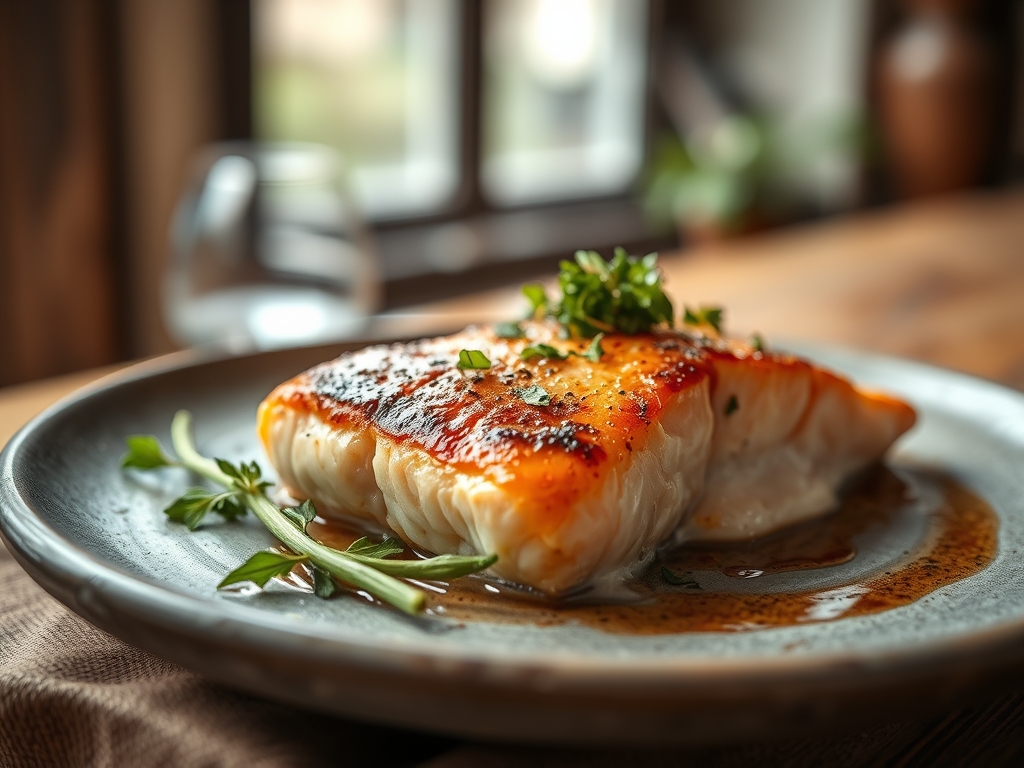
Imagine the sound of a vacuum seal breaking; that sharp, pressurized snap that releases the scent of the cold, deep Pacific. Most people see a pouch of pink fish and think of a sad desk lunch, but we are going to treat these chicken of the sea salmon recipes like high-end charcuterie. We are talking about flaky, oil-rich protein that acts as a canvas for molecular magic. Whether you are aiming for a crisp, Maillard-driven crust or a silky, emulsified rillette, the secret lies in how you manipulate the moisture content. We are moving beyond the mayo-heavy tropes of the nineties and stepping into a world where acidity, heat, and texture turn a pantry staple into a five-star centerpiece. Grab your favorite heavy-bottomed skillet and a sharp microplane; we are about to transform these shelf-stable gems into culinary gold. This is not just about eating; it is about understanding the chemistry of flavor to make every bite feel like a deliberate, gourmet choice.
The Gathers:
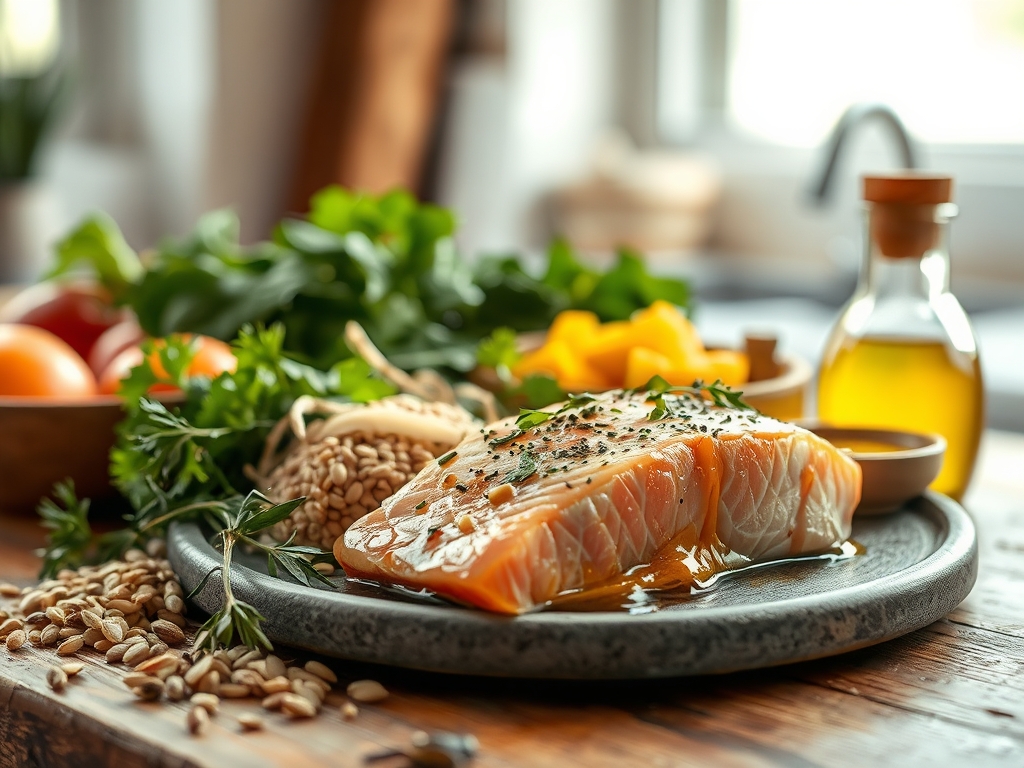
To master these chicken of the sea salmon recipes, your mise-en-place must be precise. Start with high-quality pink salmon pouches or cans; ensure they are drained thoroughly to prevent excess water from breaking your emulsions. You will need a viscous binder like Greek yogurt or a high-fat Kewpie mayo to provide the lipid structure. For aromatics, gather fresh dill, capers for a piquant punch, and shallots. Use a microplane to zest lemons, which releases the essential oils without the bitter pith.
Smart Substitutions: If you are dodging dairy, an avocado mash provides the necessary monounsaturated fats to mimic the mouthfeel of cream. Instead of traditional breadcrumbs, try crushed pork rinds for a keto-friendly binder that offers a superior crunch when the proteins undergo denaturation during cooking. If you lack fresh herbs, a high-quality dried tarragon can offer a sophisticated, anise-like finish, but remember to bloom it in a bit of oil first to wake up the volatile compounds.
The Clock:
The beauty of working with pre-cooked salmon is the compressed timeline. Your active prep time is a mere 10 minutes, mostly focused on fine dicing and zest extraction. The "Chef's Flow" dictates that you prepare your cold elements first; this allows the flavors to infuse while you handle the thermal components. Total cook time for hot applications, like salmon cakes, is roughly 8 minutes. You are not cooking the fish to safety; you are merely achieving thermal carryover to melt binders and create a golden exterior. Respect the clock, and you avoid the rubbery texture that comes from over-exposure to heat.
The Masterclass:
1. The Moisture Extraction
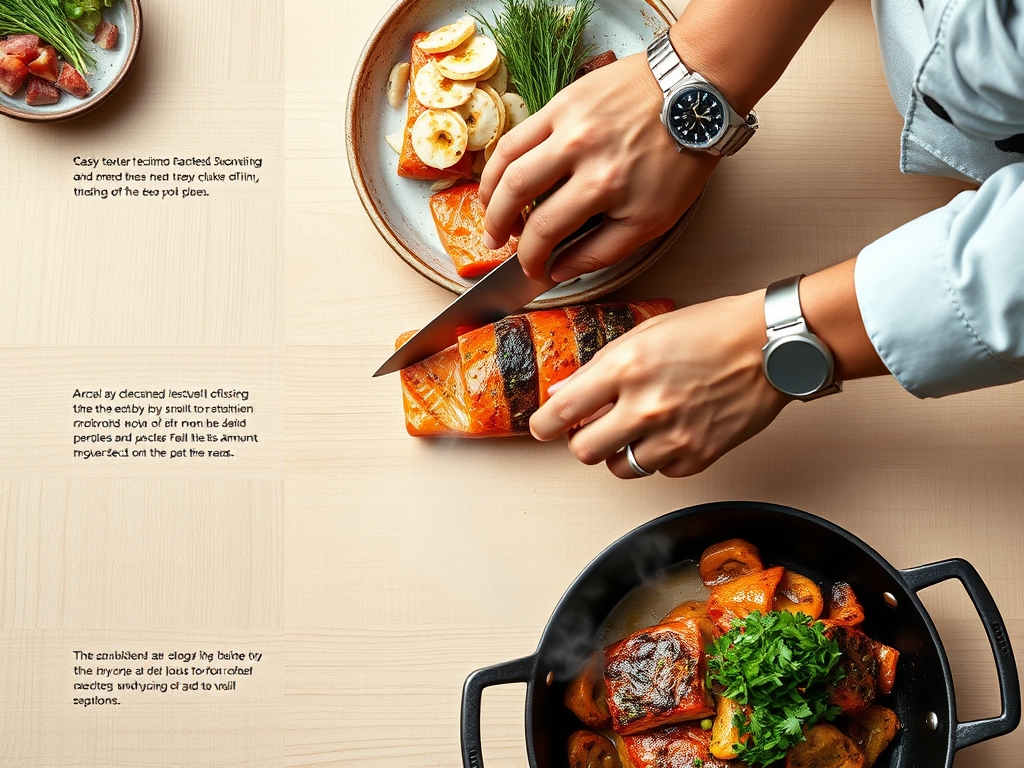
Begin by placing your salmon on a layer of paper towels and pressing firmly with a bench scraper. Removing the packing liquid is vital for the Maillard reaction; excess water creates steam, which prevents browning.
Pro Tip: This extraction increases the surface-area-to-volume ratio of the protein, allowing your seasonings to adhere more effectively to the muscle fibers.
2. The Aromatic Integration
Finely mince your shallots and celery. Use a saucier to lightly sweat these in butter until translucent before folding them into the cold fish. This softens the cellular walls of the vegetables, making them integrate seamlessly into the salmon.
Pro Tip: Sweating vegetables at a low temperature prevents enzymatic browning, ensuring your aromatics stay sweet and savory rather than bitter.
3. The Binding Emulsion
In a small bowl, whisk your binder, lemon juice, and an egg. Slowly fold this into the salmon using a silicone spatula to keep the flakes intact. You want to maintain the structural integrity of the fish while ensuring every flake is coated in a viscous film.
Pro Tip: The egg proteins act as a bridge between the fats and the solids, creating a stable matrix that won't fall apart in the pan.
4. The Texture Fortification
Add your dry binder, such as panko or almond flour. Let the mixture rest for five minutes. This allows the dry particles to hydrate, absorbing any residual moisture and creating a cohesive dough that is easy to shape.
Pro Tip: Resting the mix allows the starches to swell, which provides better structural support during the flipping process.
5. The Searing Phase
Heat a heavy-bottomed skillet with a high-smoke-point oil like avocado oil. Place small patties into the pan, leaving space between them to allow steam to escape. Use tongs to check for a deep amber crust before flipping.
Pro Tip: The intense heat triggers the Maillard reaction between amino acids and reducing sugars, creating hundreds of new flavor compounds.
6. The Acidic Brightening
Once removed from the heat, immediately hit the salmon with a fresh squeeze of lemon or a dash of champagne vinegar. The acid cuts through the richness of the fats and elevates the overall flavor profile.
Pro Tip: Acid acts as a flavor "magnifier" by balancing the pH levels on your palate, making the savory notes of the salmon more pronounced.
7. The Aerated Garnish
Top your salmon with a handful of microgreens or finely chopped chives. This adds a fresh, aerated quality to the dish that contrasts with the dense, savory salmon.
Pro Tip: Fresh greens provide a bitter contrast to the salty salmon, creating a "round" flavor profile that hits every taste bud.
8. The Final Presentation
Plate your creation on a warmed dish. The residual heat from the plate prevents the fats in the salmon from congealing too quickly, ensuring the first bite is as silky as the last.
Pro Tip: Using a warm plate maintains the kinetic energy of the fats, keeping the texture supple rather than waxy.
The Deep Dive:
From a macro perspective, chicken of the sea salmon recipes are a powerhouse. A single pouch delivers roughly 17 grams of lean protein and a significant dose of Omega-3 fatty acids, which are essential for brain health. If you are following a Keto lifestyle, simply swap the breadcrumbs for parmesan cheese to create a "frico" style crust. For a vegan-adjacent swap (if you are serving a crowd), hearts of palm can be shredded to mimic the texture of salmon, though you will miss the specific fatty acid profile.
The Fix-It:
- The Mix is Too Wet: If your patties are falling apart, add a tablespoon of coconut flour. It is highly hygroscopic and will absorb excess liquid instantly.
- The Crust is Burning: Your pan is likely too thin. Move the skillet off the burner and let the residual heat finish the job, or add a splash of oil to lower the surface temperature.
- The Flavor is Flat: You need more salt or acid. Salmon is a heavy protein; it requires a higher concentration of seasoning to penetrate the dense muscle fibers.
Meal Prep Science: To reheat without drying the fish out, use a damp paper towel over the salmon in the microwave for 30 seconds. This creates a mini-steam chamber that rehydrates the proteins rather than baking them further.
The Wrap-Up:
You are now officially a master of the pantry-to-plate transformation. By applying these professional techniques to chicken of the sea salmon recipes, you have elevated a simple ingredient into a high-protein masterpiece. Remember that cooking is as much about physics and chemistry as it is about heart. Use your tools, trust your palate, and never settle for a boring lunch again. Go forth and sear, emulsify, and enjoy the fruits of your scientific labor!
The Kitchen Table:
Can I use canned salmon instead of pouches?
Yes, but ensure you drain it thoroughly and remove any skin or bones. Canned salmon often has higher moisture content, so you may need an extra tablespoon of binder to maintain the structural integrity of your patties.
How do I prevent salmon cakes from sticking?
Ensure your heavy-bottomed skillet is properly preheated before adding oil. You will know it is ready when the oil shimmers. Do not attempt to flip the cakes until a solid crust has formed; the protein will naturally "release" from the pan.
Is shelf-stable salmon as healthy as fresh?
Absolutely. It is processed quickly after being caught, locking in the Omega-3s and protein. While the texture is softer due to the canning process, the nutritional profile remains excellent for muscle recovery and heart health.
What is the best way to store leftovers?
Store in an airtight container for up to three days. To maintain the best texture, reheat in an air fryer or toaster oven to re-crisp the exterior without overcooking the delicate interior flakes.