
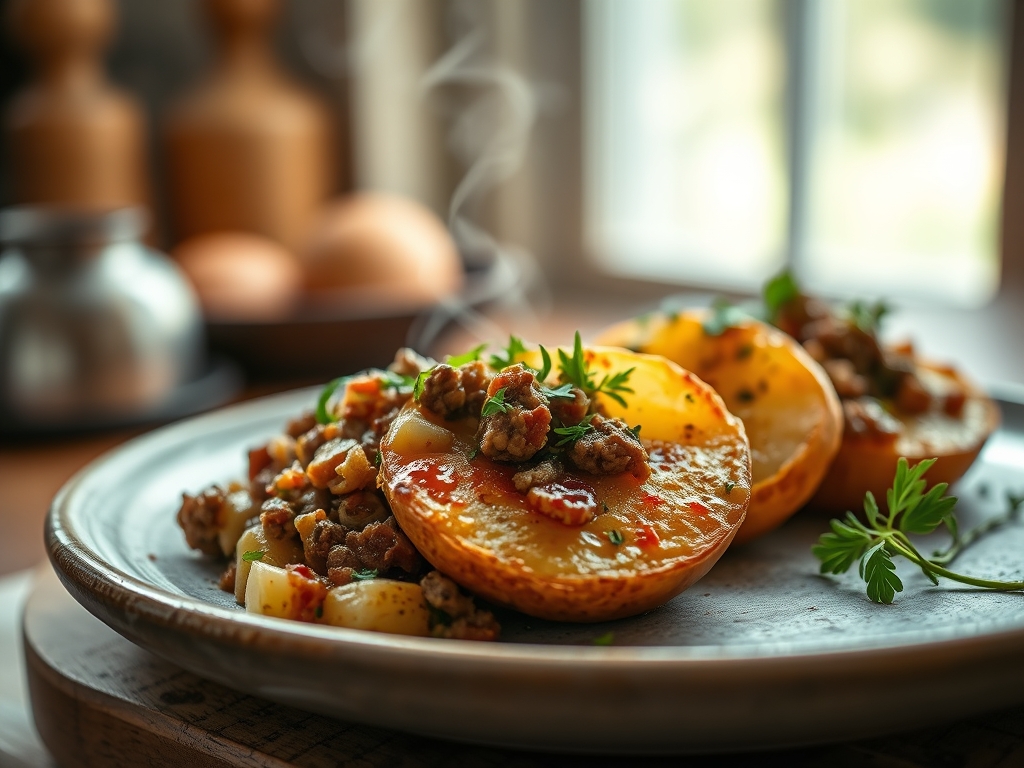
Picture the sound of a heavy-bottomed cast iron skillet meeting a gas flame. Within minutes, the kitchen fills with the scent of rendering fat and toasted fennel. Mastering ground sausage potato recipes is the ultimate culinary hack for weeknight survival. It is the perfect marriage of starch and protein, where every crispy edge tells a story of high-heat chemistry and comfort.
We are not just throwing things in a pan; we are orchestrating a symphony of textures. When you drop that crumbled pork into a hot pan, you are initiating a complex sequence of amino acid reactions. The potatoes act as sponges, soaking up every ounce of seasoned fat. It is rustic, it is fast, and it is scientifically designed to satisfy your deepest cravings. Whether you are craving a spicy chorizo hash or a mild Italian scramble, these seven variations provide a blueprint for flavor density. We are going to transform humble tubers and ground meat into a five-star experience using nothing but heat and timing. Grab your favorite apron and let us dive into the mechanics of the perfect skillet.
The Gathers:
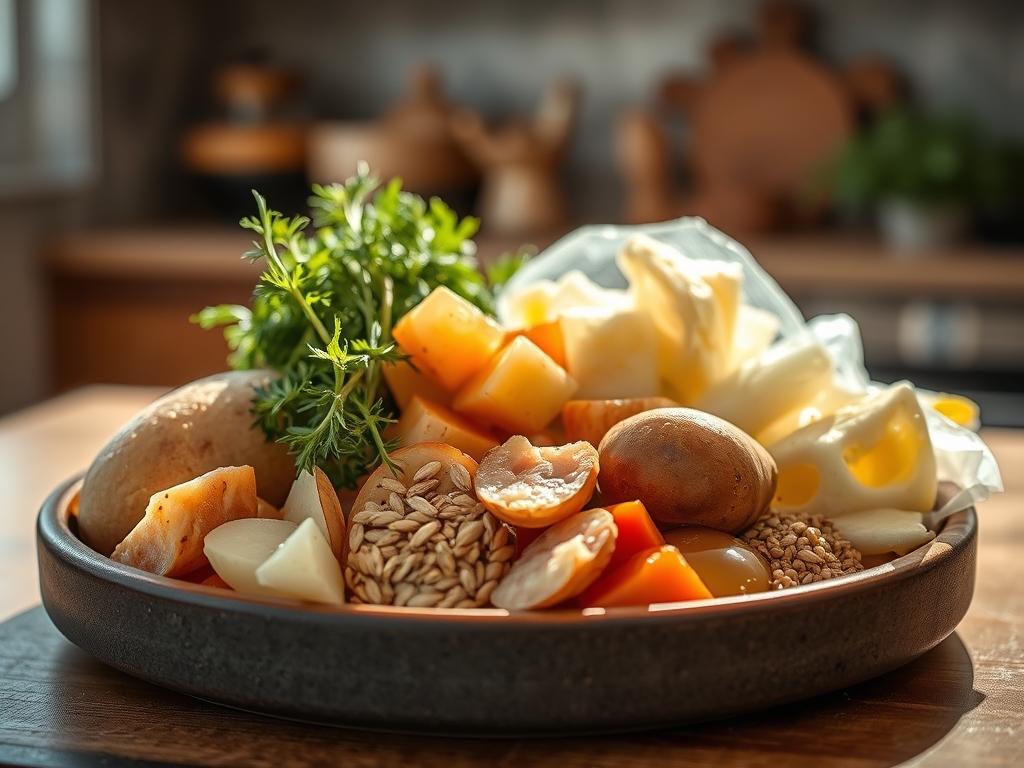
To execute these ground sausage potato recipes with precision, your mise-en-place must be impeccable. We start with the starch. I recommend Yukon Gold potatoes because their medium-starch content allows them to hold their shape while developing a creamy interior. If you prefer a shatter-crisp exterior, choose Russets, which are high in amylose.
Your protein choice dictates the spice profile. Bulk Italian sausage provides a baseline of fennel and garlic; however, spicy breakfast sausage or Mexican chorizo adds a piquant acidity that cuts through the richness of the potato. You will also need aromatics: yellow onions for their high sugar content (perfect for caramelization) and bell peppers for a bright, ascorbic acid crunch.
Smart Substitutions:
If you are looking to lighten the caloric load, ground turkey sausage is a viable alternative, though you must add a teaspoon of neutral oil to compensate for the lower fat content. For a lower-glycemic option, swap the potatoes for cubed celery root or radishes. While radishes sound unconventional, their peppery bite mellows into a turnip-like sweetness when roasted in sausage fat. Always keep a high-quality sea salt and a pepper mill nearby; freshly cracked peppercorns contain volatile oils that pre-ground versions simply lack.
The Clock (H2)
Efficiency in the kitchen is about understanding "Chef's Flow." Total active prep time for these recipes is approximately 15 minutes, with a cook time of 25 minutes. The secret to speed is the par-boil technique. By pre-cooking your potato cubes in salted water for five minutes, you soften the pectin walls. This ensures that the interior is fluffy by the time the exterior reaches golden-brown perfection in the skillet.
While the potatoes simmer, use your bench scraper to clear your cutting board of chopped aromatics. This prevents "crowding the board," which can lead to accidental cuts. The goal is to have the sausage rendering exactly as the potatoes finish their steam-dry phase. This synchronization ensures that no component sits long enough to become soggy or lose its thermal momentum.
The Masterclass (H2)
1. The Sear and Render
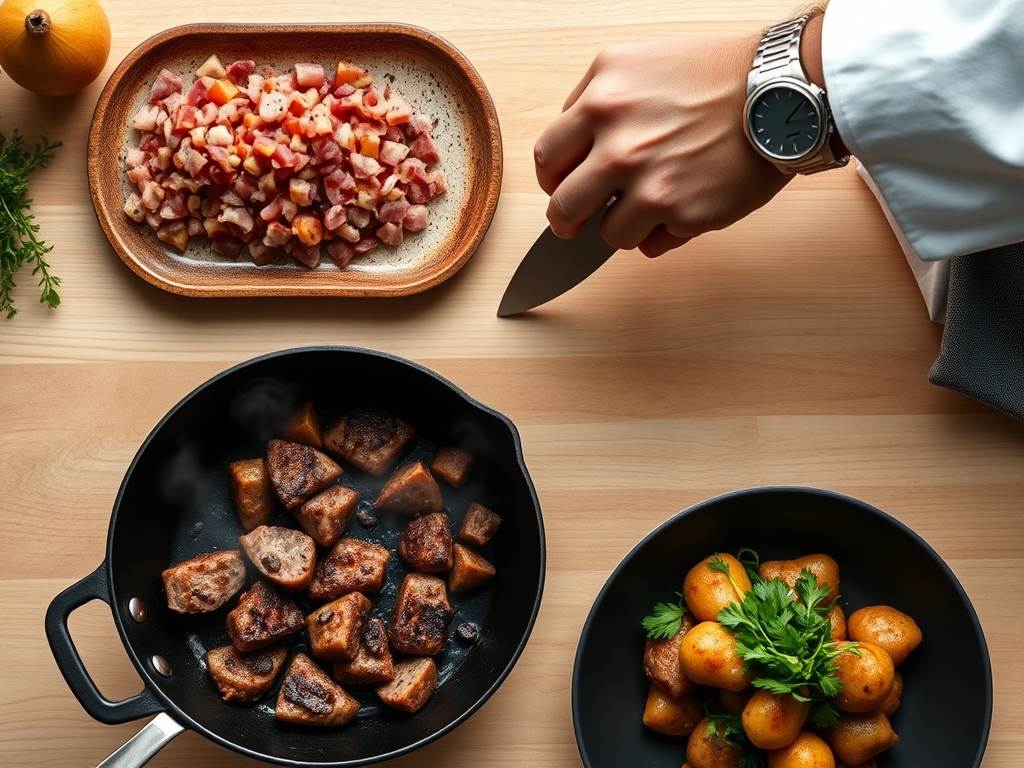
Place your ground sausage in a cold skillet and turn the heat to medium-high. As the pan warms, use a stiff spatula to break the meat into uniform small crumbles. This maximizes the surface area for the Maillard reaction, the chemical process that creates those savory, brown crusts.
Pro Tip: Starting with a cold pan allows the fat to render slowly before the proteins sear, preventing the meat from becoming tough and rubbery.
2. The Potato Infusion
Once the sausage is browned, remove it with a slotted spoon, leaving the liquid gold (the fat) in the pan. Toss in your par-boiled potatoes. Do not stir them immediately. Let them sit undisturbed for three to four minutes to develop a crust.
Pro Tip: This stage utilizes conduction heating. Moving the potatoes too early breaks the starch bond forming against the hot metal, resulting in torn, messy spuds instead of clean cubes.
3. The Aromatic Sweat
Push the potatoes to the outer edges of the skillet and drop your onions and peppers into the center. The onions will release moisture, which helps to deglaze the brown bits (fond) stuck to the bottom of the pan.
Pro Tip: Onions contain sulfur compounds that mellow into sweetness when heated; this sweetness balances the saltiness of the sausage.
4. The Final Integration
Return the sausage to the pan and toss everything together. Use a microplane to grate fresh garlic over the top during the last 60 seconds of cooking. This prevents the garlic from burning, which would introduce a bitter alkaloid flavor to the dish.
Pro Tip: Adding garlic at the end preserves its allicin content, keeping the flavor sharp and aromatic rather than muted.
5. The Emulsified Finish
Turn off the heat and stir in a splash of chicken stock or a knob of cold butter. Stir vigorously to create a light glaze that coats every ingredient.
Pro Tip: This creates a temporary emulsion, linking the fats and liquids into a silky sauce that carries the spices across your palate more effectively.
The Deep Dive (H2)
When we look at the macro nutrition of ground sausage potato recipes, we are looking at a balanced profile of complex carbohydrates, high-quality fats, and dense protein. A standard serving contains roughly 350 calories, 22 grams of protein, and 30 grams of carbohydrates.
Dietary Swaps:
For a Keto-friendly version, replace the potatoes with cauliflower florets. Since cauliflower has a high water content, sear it on high heat to evaporate moisture quickly. For a Vegan twist, use a plant-based "sausage" crumble and increase the smoked paprika and liquid smoke to mimic the traditional depth of cured meats.
The Fix-It:
- Soggy Potatoes: Usually caused by overcrowding. If the pan is too full, steam gets trapped. Fix: Remove half the ingredients and sear in two batches.
- Burnt Spices: If your dried herbs turn black, they become acrid. Fix: Add dried herbs halfway through the cook time, rather than at the start.
- Too Much Grease: Some sausages are exceptionally fatty. Fix: Use a rolled-up paper towel held with tongs to dab excess oil from the center of the pan before adding the potatoes.
Meal Prep Science:
To maintain "day-one" quality, store leftovers in glass airtight containers. When reheating, avoid the microwave if possible. Instead, use a small saucier or pan with a teaspoon of water. The water creates steam that re-hydrates the starch molecules in the potatoes, preventing them from becoming grainy or dry.
The Wrap-Up (H2)
You are now equipped with the technical knowledge to turn a simple skillet into a masterpiece of texture and taste. Ground sausage potato recipes are more than just a meal; they are a lesson in heat management and fat utilization. Remember, the secret is in the sear and the patience to let the Maillard reaction do its heavy lifting. Whether you are cooking for a crowd or just treating yourself after a long day, these techniques ensure a perfect result every single time. Now, go forth and get that skillet screaming hot!
The Kitchen Table (H2)
What are the best potatoes for sausage skillets?
Yukon Golds are the gold standard. They possess a waxy texture that prevents crumbling while maintaining a buttery interior. Their thin skins also mean you can skip the peeling process, saving time and adding fiber to your meal.
How do I keep my sausage from getting dry?
Avoid overworking the meat in the pan. Break it into chunks and let it sear. Use a digital thermometer to ensure the pork reaches an internal temperature of 160 degrees Fahrenheit, then remove it immediately to prevent protein fiber contraction.
Can I make this recipe in a slow cooker?
While possible, you lose the crucial Maillard browning. If you must use a slow cooker, sear the sausage and potatoes in a skillet first to develop flavor, then transfer them to the crockpot to finish on low heat.
Why are my potatoes sticking to the pan?
This usually happens if the pan isn't hot enough or if you try to flip them too soon. Potatoes need time to form a starch crust, which naturally releases from the cooking surface once the sugars have caramelized.