
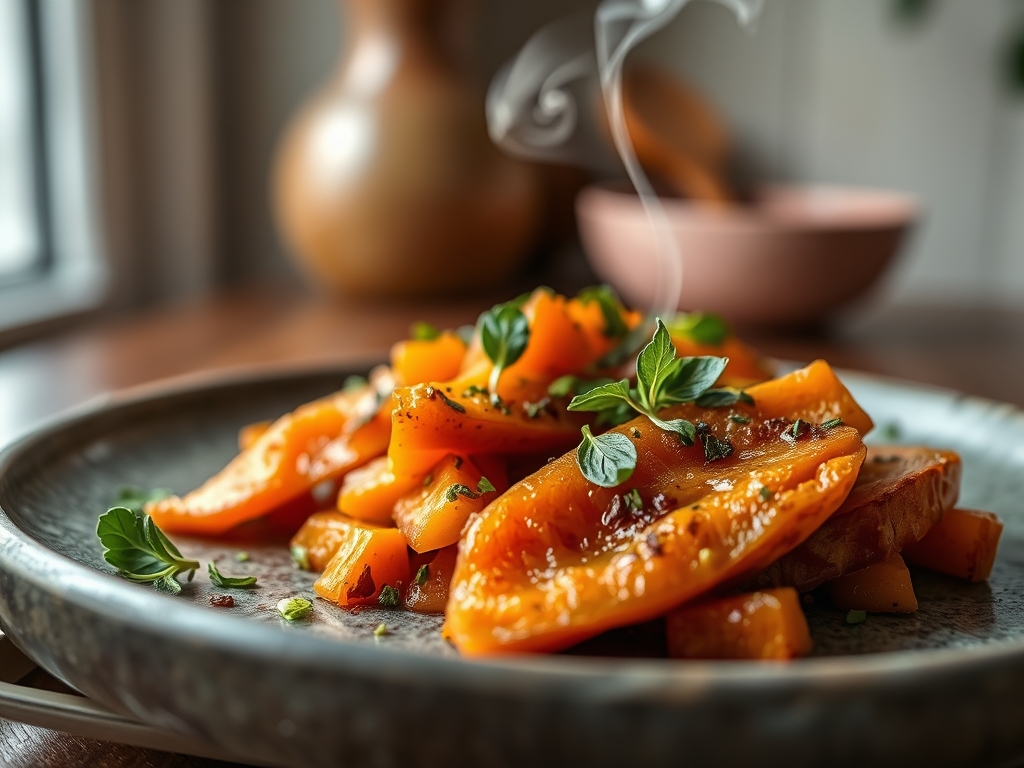
Imagine the smell of caramelized sugars drifting through your kitchen; it is that specific, nutty aroma of a tuber hitting its peak internal temperature. When you are hunting for sweet potato recipes gluten free, you aren't just looking for a starch replacement. You are looking for a flavor powerhouse that bridges the gap between savory comfort and vibrant health.
The sweet potato is a culinary shapeshifter. Its high amylase content breaks down starches into maltose during the roasting process, creating a natural sweetness that requires zero refined additives. Whether we are talking about a velvety breakfast hash or a spicy, southwest-inspired stuffed skin, the versatility of this root vegetable is unmatched. In this guide, we are diving into seven distinct ways to elevate this humble ingredient into gourmet, gluten-free masterpieces that feel indulgent but fuel your body with complex carbohydrates and beta-carotene.
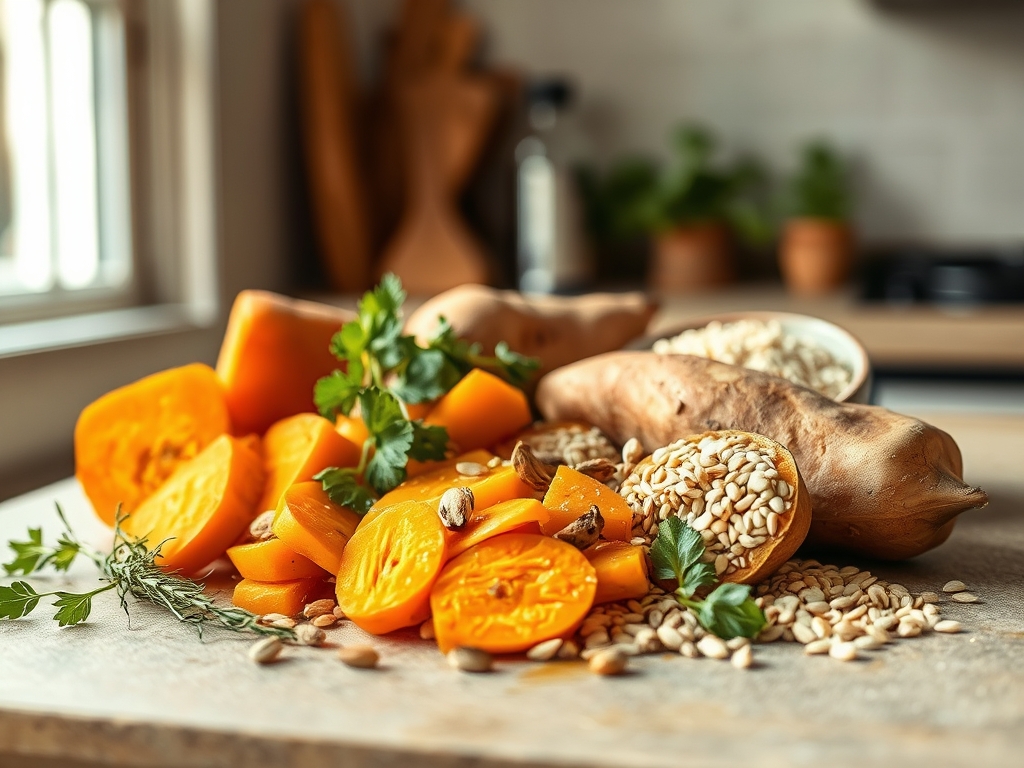
The Gathers:
To master these sweet potato recipes gluten free, your mise-en-place must be precise. Start with the potatoes themselves; look for firm, unblemished skins which indicate a high moisture content. You will need a digital scale to ensure consistent sizing, as uneven chunks lead to uneven roasting. For our savory applications, gather high-smoke-point fats like avocado oil or ghee to facilitate the Maillard reaction without scorching.
Your pantry should include "Smart Substitutions" to keep everything gluten-free without sacrificing texture. Instead of flour-based thickeners for sauces, keep arrowroot powder or tapioca starch on hand; these provide a viscous, glossy finish that is superior to the chalky results of raw cornstarch. Use a microplane to zest fresh ginger and garlic, ensuring they melt into your glazes rather than burning in the pan. For a piquant kick, keep apple cider vinegar or lime juice nearby to balance the earthy sweetness of the tuber with essential acidity.
The Clock
Efficiency in the kitchen is all about the "Chef's Flow." Most of these sweet potato recipes gluten free require a total time of 45 to 60 minutes, but your active labor is usually less than fifteen. The trick is to utilize the roasting time for your secondary prep. While the potatoes undergo thermal conduction in the oven, you should be using a bench scraper to clear your board and prepping your proteins or cold garnishes.
Always factor in a five-minute rest period. Just like a steak, a roasted sweet potato benefits from a brief pause to allow the internal steam to redistribute, ensuring the flesh is creamy rather than watery. If you are meal prepping, roasting in large batches on a heavy-bottomed baking sheet saves hours of cumulative pre-heating time over the week.

The Masterclass
1. The Perfect Roast
Slice your potatoes into uniform half-inch rounds using a sharp chef's knife. Toss them in a bowl with oil and sea salt until every surface is shimmering. Arrange them on a parchment-lined sheet, ensuring no two pieces overlap to prevent steaming.
Pro Tip: This prevents enzymatic browning and ensures the exterior dehydrates enough to crisp up. By leaving space between the rounds, you allow dry air to circulate, which is essential for that golden-brown crust.
2. The Savory Mash
Boil peeled chunks in salted water until fork-tender. Drain thoroughly and return them to the warm pot for sixty seconds to evaporate excess moisture. Use a saucier to warm your coconut milk or grass-fed butter before folding it in with a silicone spatula.
Pro Tip: Adding cold fats to hot starch can cause the mixture to become gummy. Warming your liquids first ensures a stable emulsification, resulting in a silky, aerated texture that feels like a restaurant-grade puree.
3. The Stuffed Power Boat
Prick whole potatoes with a fork and roast at 400 degrees Fahrenheit until the skins are papery and the centers are soft. Split them down the middle and fluff the interior with a fork before piling in black beans, avocado, and a cilantro-lime crema.
Pro Tip: Pricking the skin allows steam to escape, preventing the potato from exploding. This process also concentrates the sugars through evaporative cooling, making the flesh significantly sweeter than if it were steamed or microwaved.
4. The Crispy Spiralized Noodle
Use a spiralizer to create long, thin ribbons. Flash-fry them in a heavy-bottomed skillet with a touch of toasted sesame oil and tamari for a gluten-free "noodle" bowl that holds its shape.
Pro Tip: Do not over-crowd the skillet. If too many noodles are added at once, the temperature of the pan drops, and the potatoes will release water and turn into a mushy pile rather than crisping.
5. The Sweet Potato Toast
Slice large potatoes lengthwise into quarter-inch "planks." Pop them directly into a toaster on the highest setting for two cycles or until the edges are charred and the center is tender. Top with almond butter and hemp seeds.
Pro Tip: This method relies on direct radiant heat to cook the starch quickly. It is the ultimate hack for a quick, gluten-free breakfast that provides a lower glycemic index than traditional bread.
6. The Hasselback Technique
Place a potato between two wooden spoons and slice thin slits across the top; the spoons prevent you from cutting all the way through. Brush with an herb-infused oil and roast until the "leaves" fan out and become crispy.
Pro Tip: The increased surface area allows for more Maillard reaction sites. As the oil seeps into the slits, it fries the interior edges, creating a hybrid texture between a French fry and a baked potato.
7. The Blender Soup
Combine roasted sweet potato flesh with vegetable stock, cumin, and smoked paprika in a high-speed blender. Blitz until completely smooth and finish with a swirl of heavy cream or cashew cream.
Pro Tip: Blending at high speeds introduces air, which can slightly aerate the soup for a lighter mouthfeel. If the soup is too thick, add stock in small increments to reach your desired viscosity without diluting the flavor.
The Deep Dive
From a macro perspective, these sweet potato recipes gluten free are a goldmine. A medium potato offers about 25 grams of complex carbs and 4 grams of fiber, keeping your blood sugar stable. For those following a Keto lifestyle, keep portions small and focus on the skins for fiber. Vegans can easily swap butter for avocado oil or tahini to maintain that rich, fatty mouthfeel.
If you hit a snag, remember "The Fix-It" rules. If your potatoes are soggy, you likely crowded the pan; spread them out and crank the heat for the last five minutes. If the edges are burnt but the center is raw, your slices were too thick; next time, use a mandoline for precision. If the flavor is flat, you are likely missing acid; a squeeze of lemon or a splash of vinegar will brighten the entire profile. For meal prep, reheat your potatoes in an air fryer or oven rather than a microwave to restore the crisp texture through re-dehydration.
The Wrap-Up
Mastering sweet potato recipes gluten free is your ticket to a vibrant, flavorful kitchen that never feels restrictive. By understanding the science of starch and the power of high-heat roasting, you turn a simple root vegetable into a culinary canvas. Grab your tongs, fire up the oven, and start experimenting with these techniques today; your taste buds and your energy levels will thank you.
The Kitchen Table
Can I eat the skin of the sweet potato?
Yes; the skin contains a significant portion of the fiber and potassium. Just ensure you scrub them thoroughly with a vegetable brush to remove any residual grit before roasting to achieve a pleasant, crispy texture.
Why do my sweet potatoes get soggy when roasting?
Soggy potatoes usually result from overcrowding the baking sheet or using too much oil. Ensure there is visible space between each piece so the steam can escape, allowing the exterior to dehydrate and crisp properly.
Are sweet potatoes better for you than white potatoes?
Both have merits, but sweet potatoes generally have a lower glycemic index and higher levels of Vitamin A. They provide more sustained energy and a denser nutrient profile, making them ideal for gluten-free lifestyles.
What is the best way to store cooked sweet potatoes?
Store them in an airtight glass container in the refrigerator for up to five days. To maintain the best texture, reheat them in a toaster oven or skillet rather than the microwave to preserve the exterior crispness.