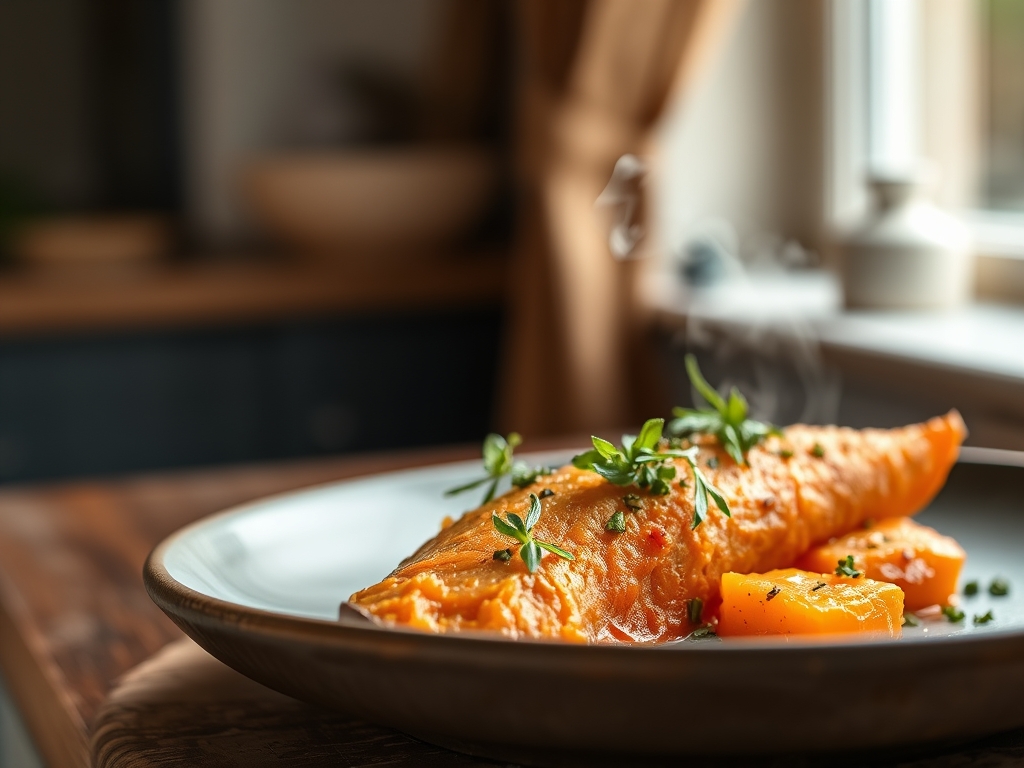
Imagine the scent of caramelized sugars swirling through your kitchen as a humble tuber transforms into a culinary masterpiece. When you dive into the world of food network sweet potato recipes, you are not just cooking; you are performing edible alchemy. These vibrant orange roots are the unsung heroes of the pantry, capable of morphing from a savory, salt-crusted side into a velvet-smooth dessert with just a flick of a silicone spatula. Most home cooks treat them like a standard russet, but that is a missed opportunity for greatness. We are talking about the perfect balance of starch and sweetness that defines modern comfort food. Whether you are looking for a charred exterior with a fluffy center or a silky puree that holds its shape on a plate, the secret lies in understanding the molecular structure of the vegetable itself. Grab your favorite apron and a sharp chef knife; we are about to elevate your kitchen game with professional techniques that turn a simple dinner into a five-star event.
The Gathers:
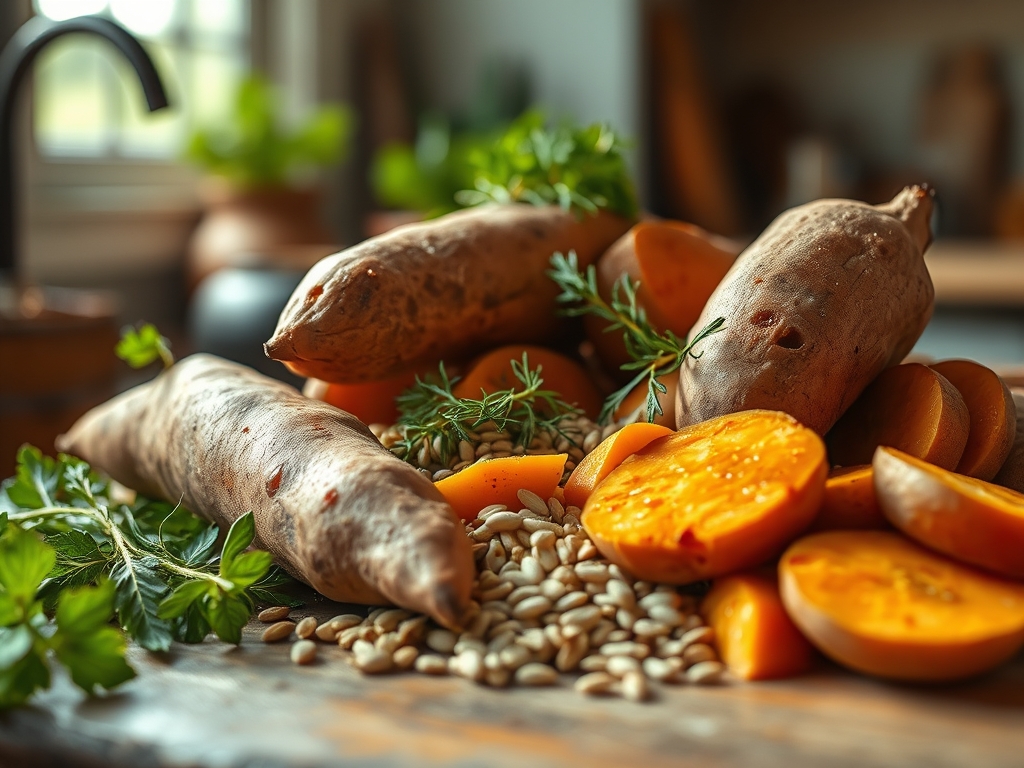
To achieve the results seen in the most popular food network sweet potato recipes, your mise-en-place must be precise. Start with high-quality Beauregard or Jewel sweet potatoes, which offer the best moisture content for roasting. You will need a digital scale to ensure uniformity, as consistent sizing is the only way to guarantee even heat distribution. For the fats, reach for high-smoke-point oils like avocado oil or clarified butter; these allow for the high-temperature roasting required to trigger the Maillard reaction without the oil breaking down into acrid compounds.
Your flavor profile should include kosher salt for its jagged crystal structure that clings to the skin, and perhaps a touch of smoked paprika or freshly grated nutmeg from a microplane to add depth. Smart Substitutions are easy here. If you want a lower glycemic index, swap half the sweet potatoes for parsnips; they provide a similar earthy sweetness but with a sharper, more piquant finish. For a vegan twist on a creamy mash, use full-fat coconut milk or cashew cream to maintain a viscous texture without the need for dairy solids.
The Clock:
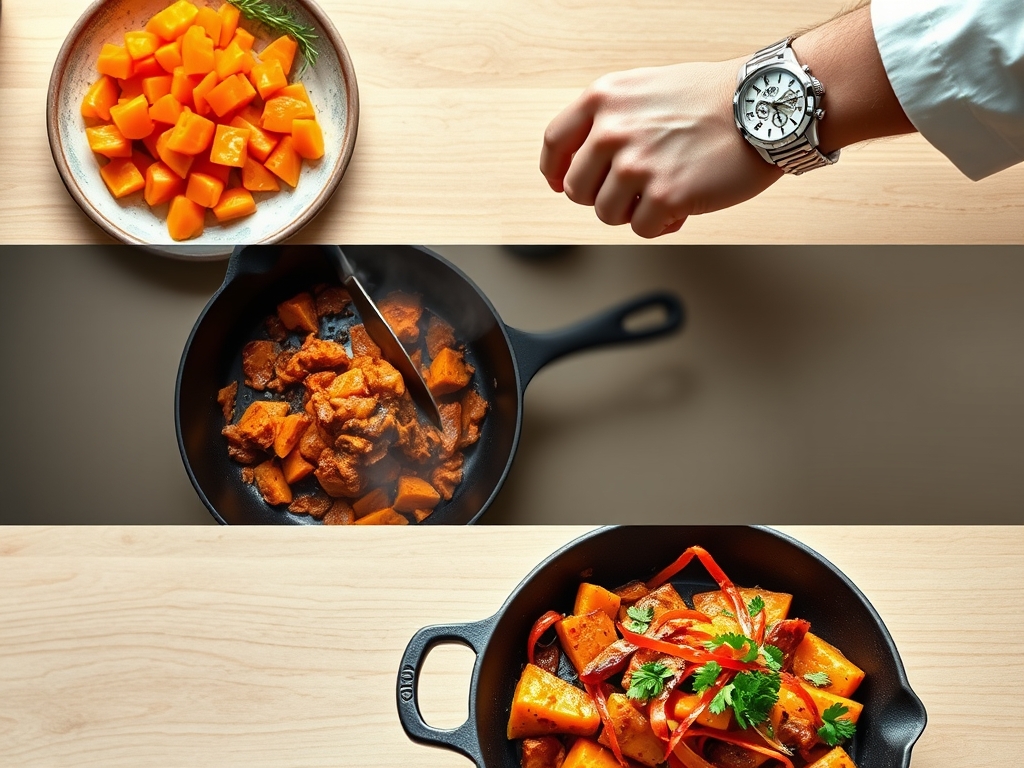
Mastering the "Chef's Flow" is about timing your movements so that every component reaches its peak simultaneously. For most food network sweet potato recipes, you are looking at a 15-minute prep window followed by a 45 to 60-minute cook time. This is not "dead time." While the potatoes are in the oven, you should be preparing your garnishes or reducing a balsamic glaze in a saucier.
The flow begins with the oven preheat; never put your vegetables into a cold oven, or they will steam rather than roast. While the oven climbs to 425 degrees Fahrenheit, you wash, dry, and cube. The drying phase is non-negotiable. If the surface of the potato is wet, the thermal energy will be wasted evaporating that moisture instead of browning the sugars. Once they are in, you have a 20-minute window of high heat, followed by a quick toss with tongs to ensure all sides hit the hot metal of the heavy-bottomed skillet or baking sheet.
The Masterclass:
1. The Precision Prep
Use a bench scraper to clear your station as you peel and dice. Aim for one-inch cubes to maximize surface area for caramelization.
Pro Tip: This stage prevents enzymatic browning. By keeping your cut potatoes in a bowl of cold water until you are ready to roast, you stop the oxygen from reacting with the phenolic compounds, keeping the flesh vibrant orange.
2. The Oil Infusion
Toss your cubes in a large mixing bowl with oil and salt. You want a thin, shimmering coat on every piece.
Pro Tip: This is about emulsification and surface tension. If you add spices now, the oil acts as a carrier, deeply infusing the flavor into the starch as the heat opens up the vegetable's pores.
3. The High-Heat Roast
Spread the potatoes on a preheated sheet pan. You should hear a distinct sizzle the moment they touch the metal.
Pro Tip: This sizzle indicates the start of the Maillard reaction. By preheating the pan, you jump-start the breakdown of amino acids and sugars, creating those complex, savory-sweet flavors that define professional cooking.
4. The Mid-Point Agitation
Halfway through, use a wide spatula to flip the pieces. Do not crowd the pan; airflow is your best friend.
Pro Tip: Overcrowding leads to "steam-locking." If the pieces are too close, the moisture escaping from one potato softens the next, preventing that coveted crispy exterior.
5. The Carryover Finish
Remove the pan when the potatoes look slightly less done than your ideal. Let them rest on the hot pan for five minutes.
Pro Tip: This utilizes thermal carryover. The internal temperature continues to rise even after the heat source is removed, allowing the center to finish softening without burning the delicate exterior sugars.
6. The Aeration Mash
If you are going for a puree, use a food mill or a potato ricer rather than a blender.
Pro Tip: Blenders can shear the starch molecules, turning your mash into a gluey, elastic mess. A ricer allows you to aerate the mixture, keeping it light, fluffy, and sophisticated.
7. The Acid Balance
Just before serving, hit the dish with a squeeze of lime or a drop of apple cider vinegar.
Pro Tip: Sweet potatoes are heavy in natural sugars. Adding an acid provides a "bright" contrast that cuts through the density, making the dish feel lighter on the palate.
8. The Glaze Deglaze
If you roasted them in a pan, add a splash of bourbon or maple syrup to the hot pan once the potatoes are removed.
Pro Tip: This allows you to deglaze the pan, picking up all the "fond" (the brown bits) to create a quick, intense sauce that coats the potatoes in a concentrated burst of flavor.
The Deep Dive:
From a macro nutrition perspective, sweet potatoes are a powerhouse of Beta-Carotene and fiber. They provide a steady release of energy, making them a favorite for athletes. If you are following a Keto diet, you should limit your portion size as they are carb-heavy; however, their high fiber content helps mitigate the net carb count. For Vegan and GF diners, these are naturally safe and incredibly satisfying.
The "Fix-It" guide for common pitfalls:
- Soggy Fries: You likely skipped the cornstarch toss. A light dusting of starch absorbs excess moisture for a crunchier bite.
- Burnt Bottoms: Your rack was too low. Move the pan to the upper third of the oven to balance the radiant heat.
- Bland Center: You didn't salt early enough. Salt needs time to penetrate the cell walls via osmosis.
When it comes to Meal Prep, the science of reheating is vital. Never use a microwave; it turns the starch into a rubbery texture. Instead, use a toaster oven or an air fryer at 350 degrees. This re-crisps the exterior while gently warming the interior, maintaining that "day-one" quality.
The Wrap-Up:
You now hold the keys to the kingdom of food network sweet potato recipes. By focusing on the science of heat, the precision of your tools, and the chemistry of flavor, you have moved beyond being a recipe-follower to being a true culinary artist. These secrets are designed to give you confidence in the kitchen, allowing you to experiment with textures and tastes that will wow your friends and family. Go ahead; put that heavy-bottomed skillet to work and show the world what a sweet potato can really do!
The Kitchen Table:
Why are my roasted sweet potatoes always mushy?
Mushiness usually results from overcrowding the pan or failing to dry the potatoes before roasting. Ensure each piece has space for airflow so that moisture can evaporate quickly, allowing the exterior to crisp via the Maillard reaction.
Can I eat the skin of the sweet potato?
Yes, the skin is entirely edible and contains a significant portion of the vegetable's fiber and nutrients. Just ensure you scrub it thoroughly with a vegetable brush to remove any grit before cooking.
What is the best way to store leftovers?
Store them in an airtight glass container in the fridge for up to four days. To maintain texture, reheat them in an oven or air fryer rather than a microwave to prevent the starch from becoming gummy.
How do I stop sweet potatoes from turning brown after cutting?
Submerge the cut pieces in a bowl of cold water. This creates a barrier against oxygen, preventing the enzymatic browning process from starting. Pat them completely dry before you begin the roasting process.