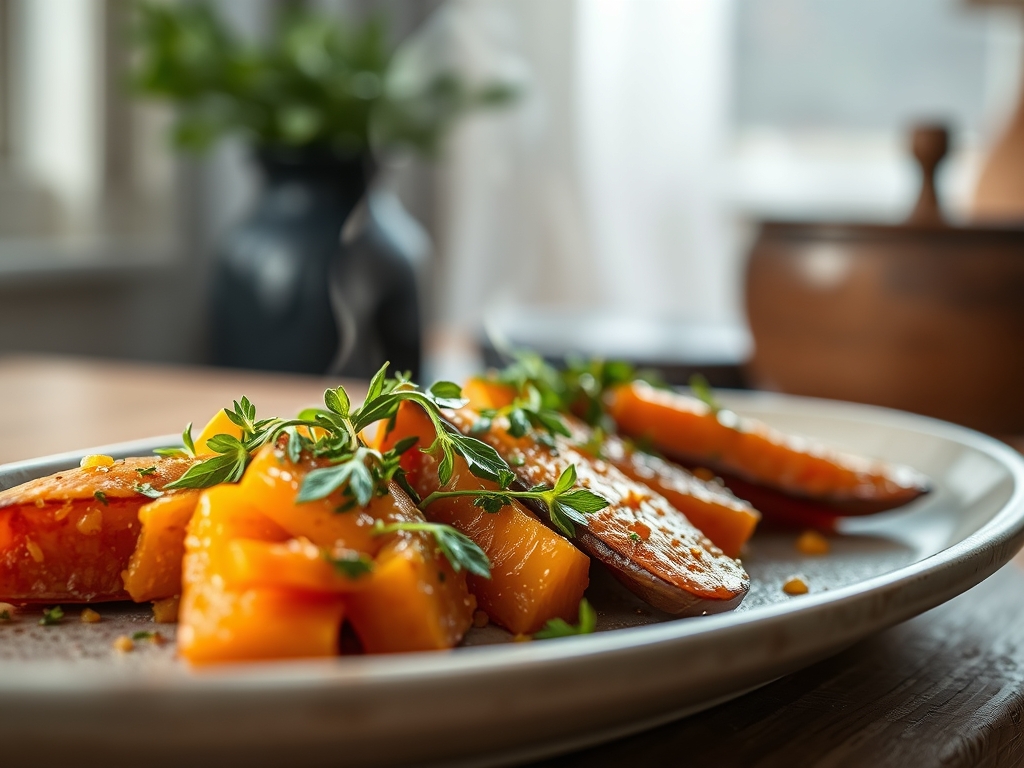
Imagine the scent of caramelized sugars swirling through your kitchen as a heavy-bottomed skillet hisses on the burner. There is a specific, buttery magic that happens when you master stove top sweet potato recipes; a transformation from a dense, starchy tuber into a velvety masterpiece with crisp, lacquered edges. We are moving past the days of mushy, uninspired side dishes. Today, we are focusing on the precise molecular alchemy of high heat and moisture control to ensure every bite is a structural triumph. Whether you are craving a savory char or a honeyed glaze, the stovetop offers a level of textural control that the oven simply cannot replicate. We are talking about achieving that elusive, fork-tender interior while maintaining a structural snap on the outside. It is time to treat your sweet potatoes with the same technical respect you would a prime cut of ribeye. Grab your favorite apron and let us dive into the chemistry of the perfect sear.
The Gathers:
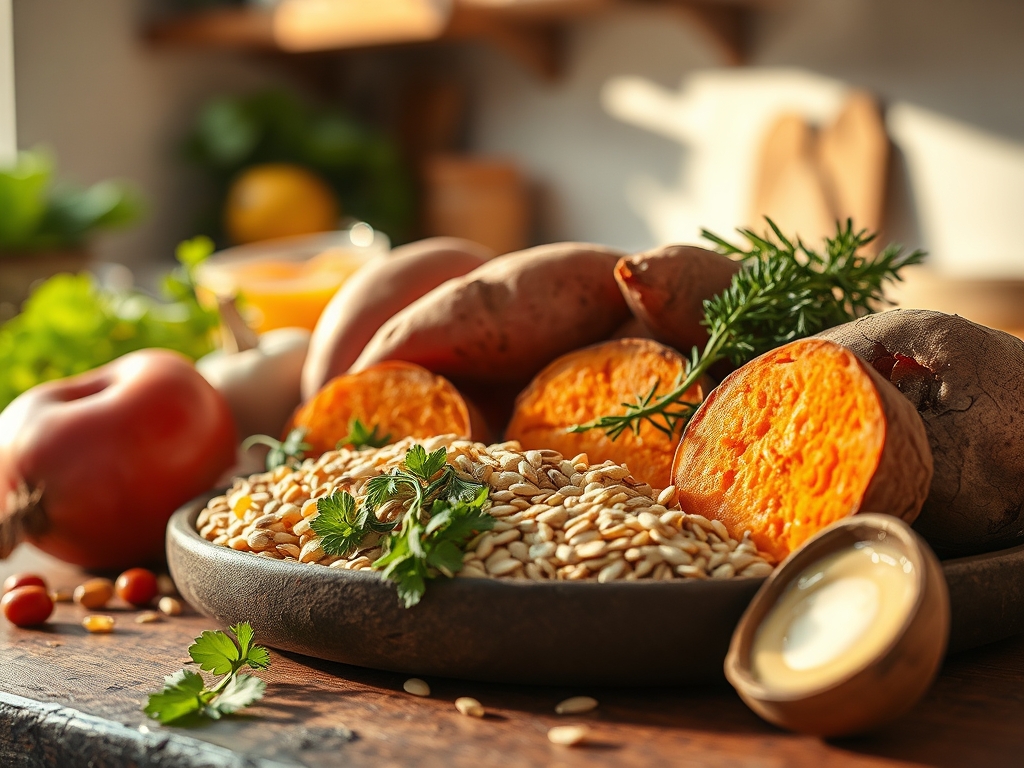
To execute these stove top sweet potato recipes with professional precision, your mise-en-place must be flawless. Start with jewel-toned Garnet or Beauregard potatoes; these varieties possess the high sugar content necessary for superior caramelization. You will need a high-smoke-point fat, such as clarified butter (ghee) or avocado oil, to facilitate the Maillard reaction without scorching. Fresh aromatics are non-negotiable. Gather sprigs of woody rosemary, thyme, and several cloves of garlic to infuse the cooking fat. For the finish, a high-quality flaky sea salt and a bright acid, like apple cider vinegar or a squeeze of lime, will balance the natural glucose levels.
Smart Substitutions:
If you are aiming for a deeper, earthier profile, swap the white potatoes for Japanese Murasaki varieties, which offer a chestnut-like flavor and a starchier crumb. For a vegan-friendly lipid, use a refined coconut oil to maintain a high thermal threshold while adding a subtle tropical undertone. If you lack fresh herbs, a pinch of smoked paprika or ground cumin can provide a piquant depth that mimics the complexity of a slow-roasted dish. Always use a digital scale to ensure your potato cubes are uniform in weight, which guarantees an even rate of thermal conduction across the pan.
The Clock: Mastering the Chef's Flow
Efficiency in the kitchen is about understanding the "Chef's Flow." Prep time for these recipes should take approximately 10 minutes, provided you use a sharp chef's knife and a sturdy bench scraper to organize your workstation. The actual cook time ranges from 15 to 22 minutes depending on the density of the tuber.
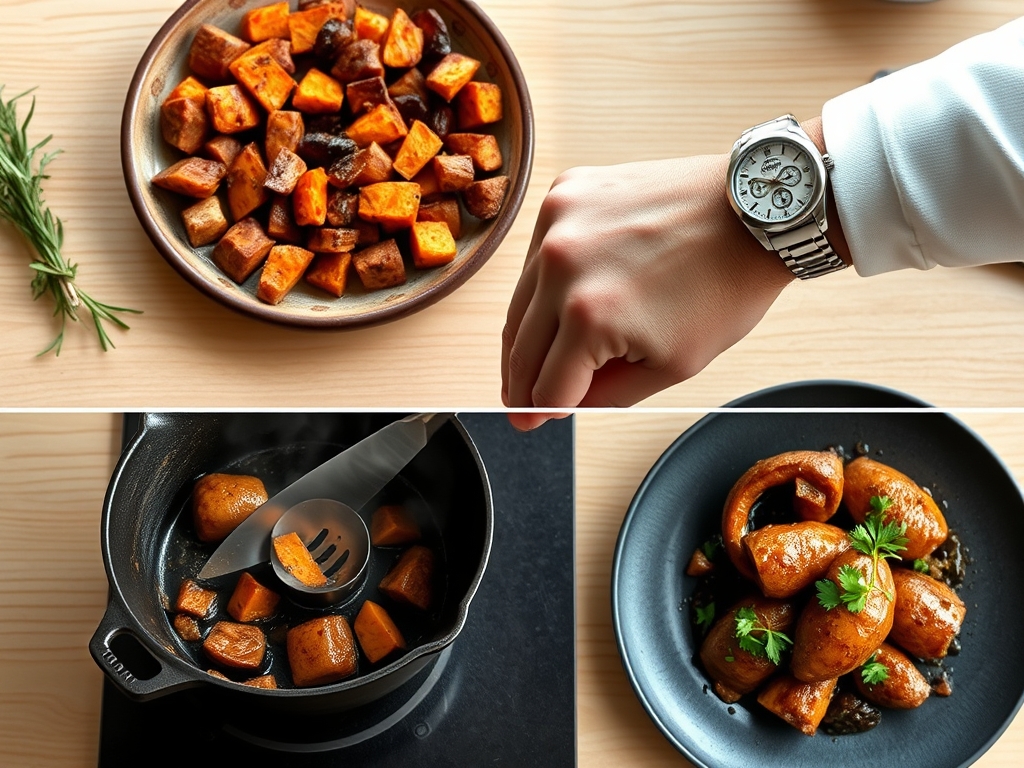
The secret to a stress-free execution is the "Staggered Start." While your heavy-bottomed skillet preheats over medium-high heat, you should be finishing your knife work. This ensures the pan reaches a steady state of thermal equilibrium just as the last cube is sliced. Never crowd the pan; if you hear the sizzle drop in pitch, you have added too much moisture at once, which will lead to steaming rather than searing. Aim for a single layer with enough "breathing room" to allow steam to escape, ensuring the exterior becomes crisp rather than soggy.
The Masterclass: 6 Hacks for Perfection
1. The Uniform Cube Precision
The foundation of any great stovetop dish is geometry. Use your bench scraper to keep your workspace clear as you dice the potatoes into 1/2-inch cubes. Uniformity ensures that every piece finishes cooking at the exact same millisecond.
Pro Tip: This prevents enzymatic browning. By keeping the cubes uniform and submerged in cold water until the moment they hit the fat, you wash away excess surface starch, which leads to a cleaner, sharper sear.
2. The Cold-Start Searing Method
Instead of dropping potatoes into a screaming hot pan, try starting them in a cold saucier with a generous amount of fat. As the temperature rises, the fat penetrates the outer layers of the potato.
Pro Tip: This technique utilizes thermal saturation. Starting cold allows the heat to migrate to the center of the potato before the outside burns, resulting in a creamy, custard-like interior and a golden, shattered-glass exterior.
3. The Steam-and-Sear Hybrid
Add two tablespoons of water or stock to the pan and immediately cover it with a tight-fitting lid for the first four minutes. This creates a pressurized environment that par-cooks the starch.
Pro Tip: This accelerates starch gelatinization. By softening the internal cell walls with steam first, you ensure the potato is fully cooked through before you remove the lid to render the fat and crisp the skin.
4. The Aromatics Infusion
Once the potatoes are halfway cooked, toss in smashed garlic cloves and woody herbs. Use tongs to move the aromatics around, ensuring they flavor the oil without turning bitter.
Pro Tip: This is a lipid-soluble flavor transfer. The essential oils in the herbs are extracted by the hot fat and then absorbed into the porous surface of the sweet potato, creating layers of flavor.
5. The Deglaze and Glaze Finish
In the final two minutes, add a splash of balsamic vinegar or maple syrup. Use a wooden spoon to scrape up the browned bits (the fond) from the bottom of the skillet.
Pro Tip: This triggers the Maillard reaction at an accelerated rate. The sugars in the glaze bond with the proteins in the potato, creating a complex, savory-sweet crust that is chemically distinct from simple frying.
6. The Carryover Rest
Remove the skillet from the heat when the potatoes are just shy of your desired tenderness. Let them sit in the pan for three minutes before serving.
Pro Tip: This accounts for thermal carryover. The residual heat trapped in the dense core of the potato continues to cook the center while the exterior air-dries, ensuring the perfect texture once it hits the plate.
The Deep Dive: Nutrition and Troubleshooting
Macro Nutrition: Sweet potatoes are a powerhouse of complex carbohydrates and Vitamin A. A standard serving provides roughly 120 calories, 3 grams of fiber, and a significant dose of potassium. By using healthy fats like avocado oil, you increase the bioavailability of the fat-soluble beta-carotene.
Dietary Swaps: For a Keto twist, replace half the sweet potatoes with daikon radish to lower the net carb count while maintaining the crunch. For a Vegan version, ensure your glaze uses agave or maple instead of honey, and stick to high-quality olive oil for a fruity finish.
The Fix-It: Common Pitfalls
- The Mush Factor: If your potatoes are falling apart, you likely used too much water during the steam phase. Fix: Remove the lid and increase the heat to aerate and evaporate excess moisture immediately.
- The Scorched Surface: If the outside is black but the inside is raw, your heat is too high. Fix: Add a splash of broth and cover the pan to finish cooking the centers with gentle steam.
- The Stick: If potatoes are bonding to the pan, you likely moved them too soon. Fix: Wait. The potatoes will naturally release from the surface once the crust has fully formed.
Meal Prep Science: To reheat, avoid the microwave, which turns starch into a rubbery mess. Instead, toss them back into a dry skillet over medium heat. This re-activates the fats and crisps the exterior, returning them to "day-one" quality.
The Wrap-Up: Your New Kitchen Superpower
Mastering stove top sweet potato recipes is about more than just a quick side dish; it is about understanding how heat, fat, and sugar interact to create something truly sublime. You now have the technical vocabulary and the scientific hacks to turn a humble root vegetable into the star of the show. Remember to trust your senses: listen for that rhythmic sizzle, watch for the deep amber hue, and always finish with a pop of acidity. Your kitchen is your laboratory, and these potatoes are your most delicious experiment yet. Go forth and sear with confidence!
The Kitchen Table: FAQs
How do I prevent sweet potatoes from sticking to the skillet?
Ensure your pan is properly preheated before adding fat. Once the potatoes hit the oil, do not move them for at least three minutes. This allows the crust to form, which naturally releases the potato from the cooking surface.
Can I make stove top sweet potatoes ahead of time?
Yes, you can par-cook them through the steaming phase and store them in the fridge. When ready to serve, simply sear them in a hot skillet with fat to develop the crust and finish the internal cooking.
Why are my sweet potatoes soggy instead of crispy?
Sogginess usually results from overcrowding the pan or leaving the lid on too long. Excess steam traps moisture against the potato skin. Cook in batches and ensure steam can escape during the final browning stage to achieve a crisp finish.
What is the best oil for stovetop sweet potatoes?
Use oils with a high smoke point, such as avocado oil, ghee, or refined coconut oil. These fats can withstand the temperatures required for caramelization without breaking down or creating off-flavors that ruin the delicate sweetness of the tuber.