
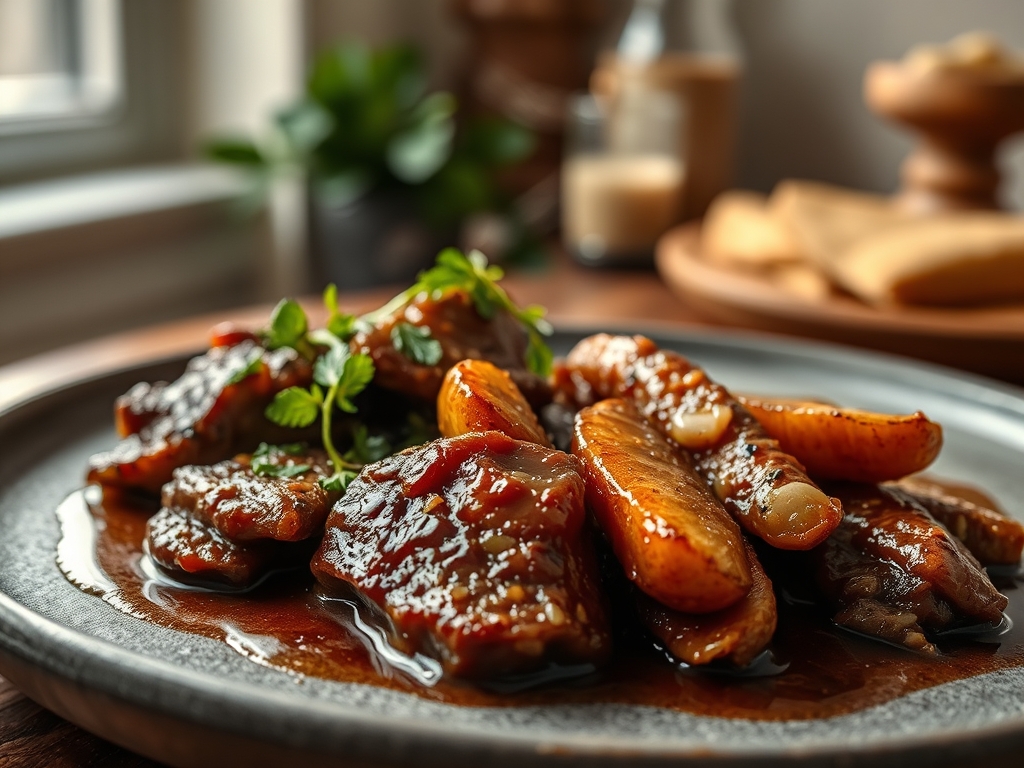
The kitchen is alive with the rhythmic percussion of a chef's knife against a wooden board. You can smell it already; that intoxicating, savory perfume of searing protein hitting a hot pan. When life gets chaotic, finding quick beef recipes for dinner becomes your ultimate culinary superpower. We are trading long braises for high-heat precision tonight.
Think of your kitchen as a laboratory where flavor happens at the speed of light. We are not just tossing ingredients into a pan; we are orchestrating a series of chemical reactions designed to maximize depth in minimal time. From the sizzle of a skirt steak to the velvety finish of a pan sauce, these nine variations rely on the same fundamental laws of thermodynamics and flavor layering. You do not need four hours to develop a rich profile. You just need the right technique and a very hot heavy-bottomed skillet.
We are going to master the art of the thirty-minute masterpiece. Whether you are craving a piquant ginger-soy stir-fry or a classic butter-basted steak bite, the secret lies in the preparation. By the time the table is set, you will have a meal that tastes like a weekend project but fits into a Tuesday schedule. Let us get to work.
The Gathers:
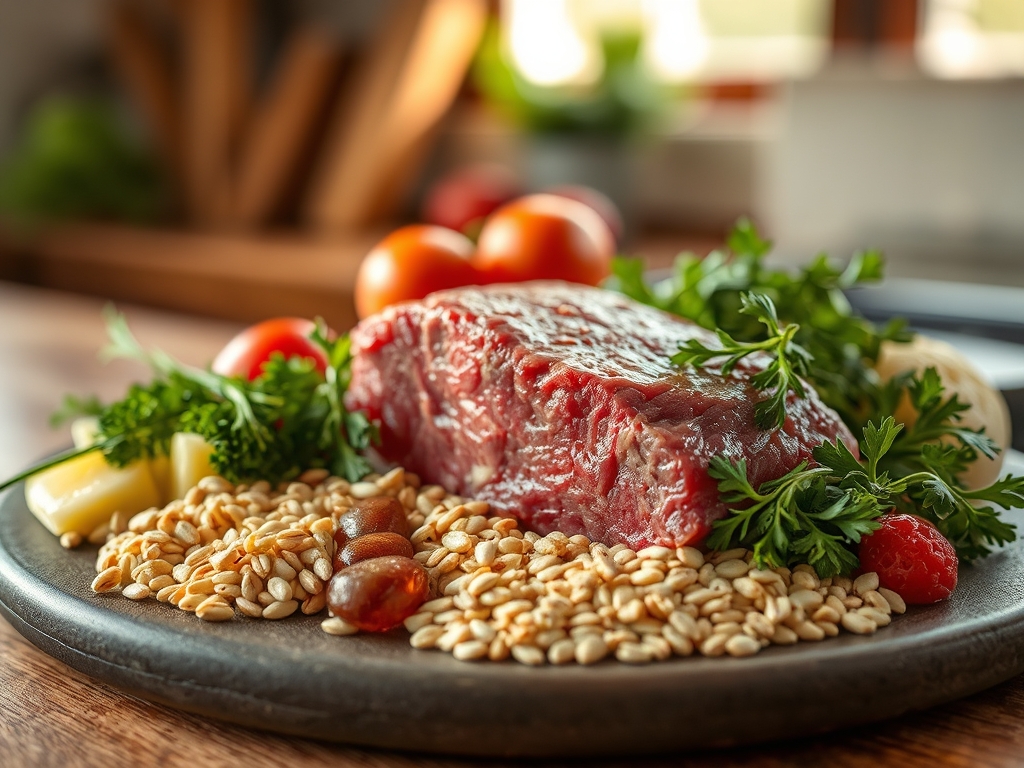
To execute these quick beef recipes for dinner, your mise-en-place must be flawless. Start with your protein. For thirty-minute windows, seek out cuts with low connective tissue like sirloin, flank, or ribeye. These cuts do not require the enzymatic breakdown of a slow cooker; they rely on rapid heat to render intramuscular fat into succulent juice.
Your aromatics are the backbone of every dish. Use a microplane to grate fresh ginger and garlic into a fine paste. This increases surface area, allowing the volatile oils to infuse your cooking fat almost instantly. For the liquid components, keep high-quality beef bone broth, aged soy sauce, and a dry sherry or rice vinegar on hand. These provide the acidity and umami needed to deglaze your pan and create a viscous sauce without long reduction times.
Smart Substitutions:
If you cannot find flank steak, flat iron is a brilliant alternative with exceptional marbling. For a lower-sodium profile, swap soy sauce for coconut aminos; the natural sugars will actually accelerate the Maillard reaction. If you are out of fresh aromatics, a high-quality garlic oil can provide that piquant punch without the prep time. Always have a bench scraper nearby to transfer your prepped veggies to the pan efficiently; it keeps your station clean and your workflow fast.
The Clock
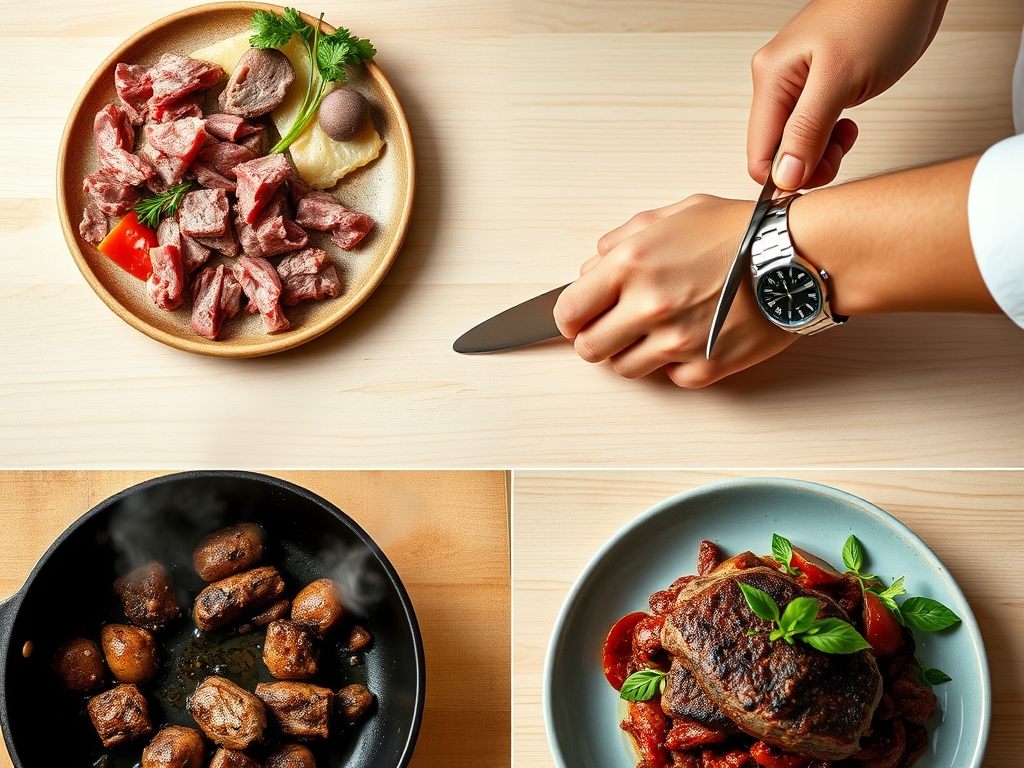
The "Chef's Flow" is all about overlapping tasks to eliminate dead time. You have exactly thirty minutes. Minutes 1 through 10 are dedicated to the "Cold Prep." This is where you slice your beef against the grain to shorten muscle fibers and chop your vegetables. Use a digital scale if you are portioning for meal prep to ensure even cooking times across the board.
Minutes 11 through 25 are the "Active Fire" phase. This is not the time to walk away. You are managing heat levels and using tongs to ensure every surface of the beef makes contact with the hot metal. The final five minutes are the "Rest and Emulsify" period. While the beef rests to allow internal pressures to stabilize, you will finish your sauce in the same pan, whisking in cold butter or a cornstarch slurry to achieve that professional, glossy sheen.
The Masterclass
1. The High-Heat Sear
Pat your beef bone-dry with paper towels before it touches the pan. Moisture is the enemy of a good crust; any surface water will turn to steam and prevent browning. Place your heavy-bottomed skillet over medium-high heat until the oil just begins to shimmer and reach its smoke point.
Pro Tip: This stage triggers the Maillard reaction, a chemical dance between amino acids and reducing sugars. Without a dry surface, you lose that complex, nutty flavor profile that defines a great steak.
2. Deglazing the Fond
Once the beef is browned and removed, you will see brown bits stuck to the bottom of the pan. This is "fond," and it is concentrated flavor gold. Pour in your liquid (wine, broth, or vinegar) and use a wooden spoon to scrape those bits into the liquid.
Pro Tip: This is an example of solubility. The heat and acidity of the liquid dissolve the caramelized proteins, integrating them into a sauce that carries the "soul" of the meat throughout the entire dish.
3. Emulsifying the Sauce
Lower the heat and whisk in your finishing agents. If you are making a pan sauce, add a pat of cold butter and whisk constantly. This creates an emulsion, where the fat particles are suspended in the liquid, creating a thick, velvety texture.
Pro Tip: Cold butter is essential here. If the butter is too warm, the milk solids will separate from the fat too quickly, resulting in a greasy, broken sauce rather than a creamy one.
4. The Final Toss
Return the beef and any accumulated juices back to the pan. Toss everything together for thirty seconds just to coat and reheat. This ensures the flavors are fully married before serving.
Pro Tip: Watch for thermal carryover. Beef continues to cook for several minutes after being removed from the heat. Pulling it off the stove just before it reaches your desired doneness ensures it stays tender.
The Deep Dive
From a nutritional standpoint, beef is a powerhouse of bioavailable iron, B12, and zinc. To keep these meals balanced, aim for a 4-ounce protein portion paired with fiber-rich cruciferous vegetables like broccoli or bok choy.
Dietary Swaps:
For a Keto version, omit any sugar or cornstarch in the sauces and use heavy cream or xanthan gum to thicken. Gluten-Free diners should use Tamari instead of soy sauce. If you are looking for a Vegan alternative, the same techniques apply to "beef" style soy curls or thick-cut portobello mushrooms, though you will need to add a splash of liquid smoke to mimic the depth of animal protein.
The Fix-It:
- Tough Meat: You likely sliced with the grain. Next time, look for the lines in the muscle and cut perpendicular to them to mechanically tenderize the bite.
- Gray Beef: The pan was crowded. If you put too much meat in at once, the temperature drops and the meat boils in its own juice. Cook in batches.
- Salty Sauce: You reduced it too far. Add a splash of water or a squeeze of lime juice to balance the sodium with hydration and acidity.
Meal Prep:
When reheating, do not use the microwave on high power. It agitates water molecules too violently, toughening the protein. Instead, use a saucier over low heat with a tablespoon of broth to gently aerate and steam the beef back to life.
The Wrap-Up
Mastering quick beef recipes for dinner is about understanding that heat is a tool, not just a setting. By focusing on the science of the sear and the chemistry of a pan sauce, you can turn a few simple ingredients into a restaurant-quality meal in the time it takes to listen to a short podcast. Keep your knives sharp, your pans hot, and your curiosity piqued. Dinner is served, and it is spectacular.
The Kitchen Table
What is the best cut for a 30-minute dinner?
Sirloin or flank steak are ideal. They have minimal connective tissue, meaning they stay tender with rapid, high-heat cooking. Always slice them thin and against the grain to ensure a melt-in-your-mouth texture in every single bite.
How do I prevent my beef from getting rubbery?
Avoid overcooking and crowding the pan. High heat sears the outside while keeping the inside juicy. If the pan is too full, the beef steams instead of searing, which results in a tough, rubbery texture and a gray appearance.
Can I use frozen beef for these recipes?
Yes, but it must be fully thawed and patted dry. Excess moisture from ice crystals will prevent the Maillard reaction. For the best results, thaw beef overnight in the refrigerator to maintain the integrity of the muscle fibers.
Why should I let the beef rest?
Resting allows the muscle fibers to relax and reabsorb the juices. If you cut into it immediately, the moisture will escape onto the board. Five minutes of resting ensures the juice stays inside the meat where it belongs.