
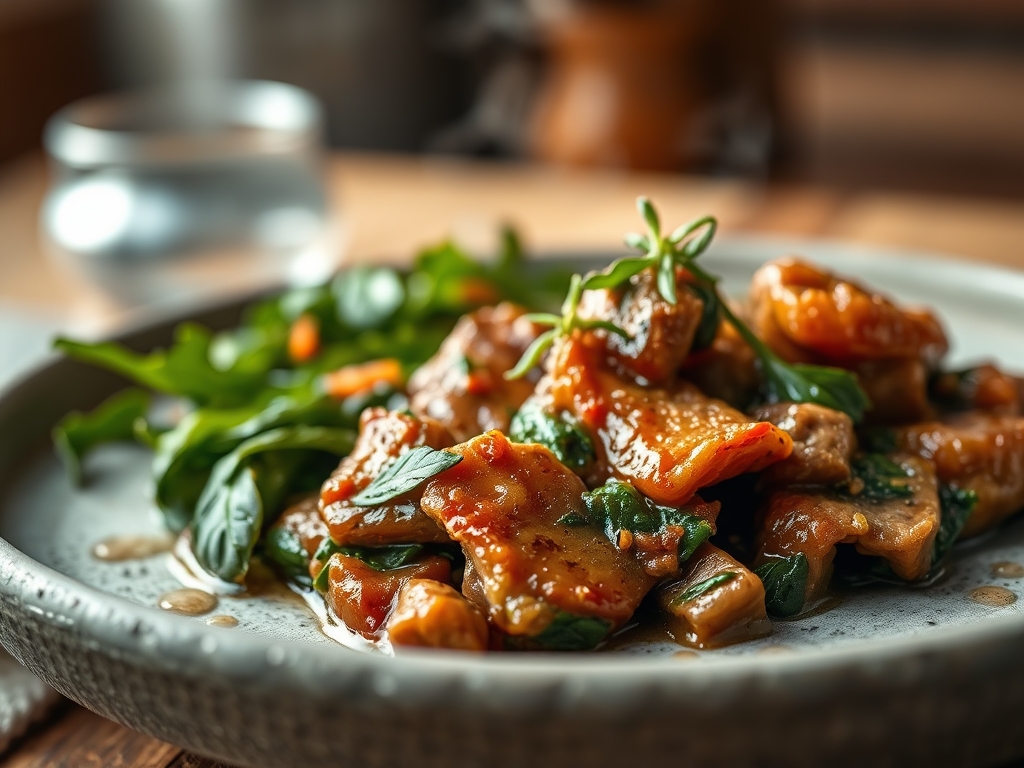
Picture the sizzle of a heavy-bottomed skillet meeting a marbled ribeye; the sound is a sharp, percussive crackle that signals the start of the Maillard reaction. Now, imagine folding in a mountain of vibrant, emerald leaves that wilt into a silky, mineral-rich velvet. Mastering spinach beef recipes is about balancing iron-rich depth with bright, earthy greens for a meal that feels both indulgent and restorative.
The secret to this pairing lies in the contrast of textures. Beef provides the chewy, protein-dense structure, while spinach offers a delicate, high-moisture finish that lightens the palate. Whether you are searing thin strips of flank steak for a quick stir-fry or stuffing a butterflied roast with a garlic-heavy puree, the chemistry of these two ingredients is undeniable. We are moving beyond the basic salad; we are engineering flavor profiles that utilize fat as a vehicle for the vitamins locked within those leafy greens.
When you cook spinach with beef, you are engaging in a beautiful exchange of nutrients and flavors. The rendered fat from the beef coats the spinach, making the fat-soluble vitamins (like A and K) more bioavailable to your body. Meanwhile, the oxalic acid in the spinach provides a subtle, sharp counterpoint to the richness of the meat. It is a culinary match made in heaven, and today, we are going to master the technical execution of eight distinct ways to bring them together on one plate.
The Gathers:
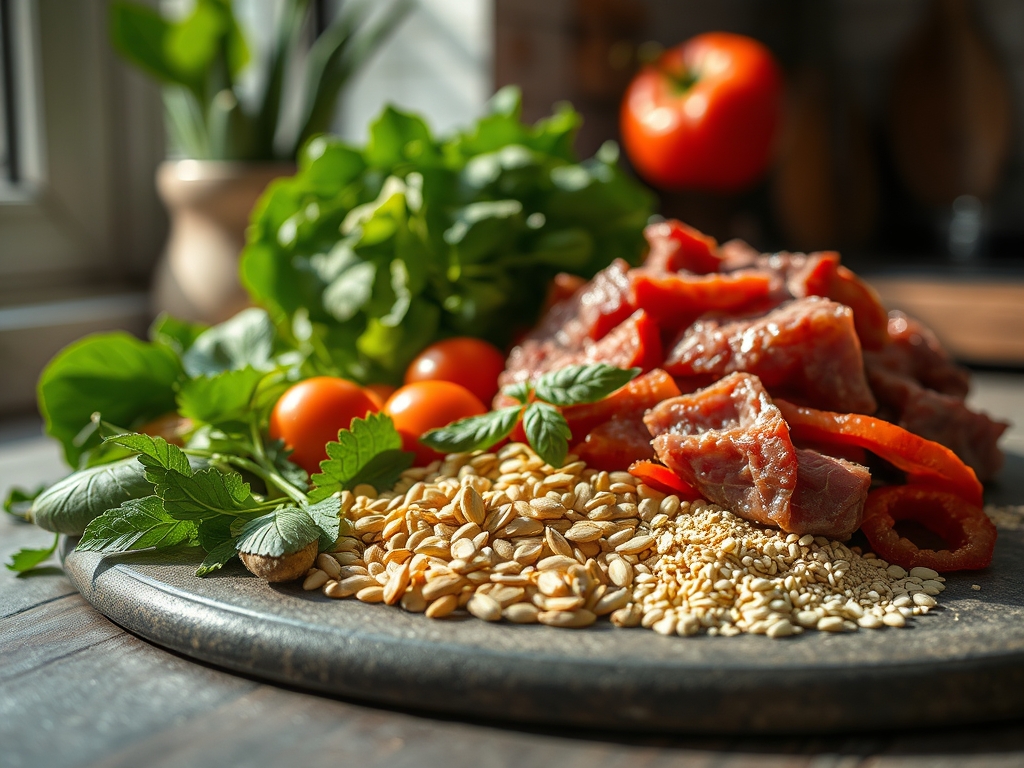
To execute these spinach beef recipes with precision, your mise-en-place must be impeccable. Start with the beef: look for cuts with significant intramuscular fat, such as ribeye or chuck, or lean, fibrous cuts like flank steak that benefit from a hard sear. Your spinach should be "flat-leaf" for a smoother mouthfeel or "savoy" if you want those crinkly bits to catch more sauce.
Essential Ingredients:
- The Protein: 2 lbs of Prime or Choice grade beef (flank, sirloin, or ground).
- The Green: 1 lb of fresh, triple-washed baby spinach.
- The Aromatics: Fresh garlic cloves (crushed to release allicin), shallots, and ginger.
- The Deglazing Liquid: Bone broth or a dry red wine like Cabernet Sauvignon to dissolve the fond.
- The Fat: High-smoke point avocado oil for searing and grass-fed butter for the final emulsification.
Smart Substitutions:
If you find yourself without fresh spinach, frozen leaf spinach works for stews, provided you squeeze out every drop of moisture using a clean kitchen towel to prevent a watery mess. For the beef, if you are looking for a lighter profile, veal offers a more delicate flavor that absorbs the herbal notes of the spinach more readily than mature beef. If you are avoiding nightshades, swap red pepper flakes for a piquant zest of lemon using a microplane to maintain that necessary acidic "lift."
The Clock
Efficiency in the kitchen is about understanding the "Chef's Flow." For most spinach beef recipes, the active prep time is approximately 20 minutes; this includes slicing the beef against the grain and mincing your aromatics. The cooking time varies, but for a high-heat sear, you are looking at 8 to 12 minutes of total stove time.
The flow is simple: Sear, Rest, Wilt. You must sear the beef first to develop a crust. While the beef rests on a wire rack to allow the juices to redistribute, you use the residual heat and rendered fat in the pan to wilt the spinach. This ensures the greens do not turn into a gray, overcooked mush. By the time the spinach is perfectly vibrant, the beef is ready to be sliced and reunited with its partner.
The Masterclass
1. The High-Heat Sear
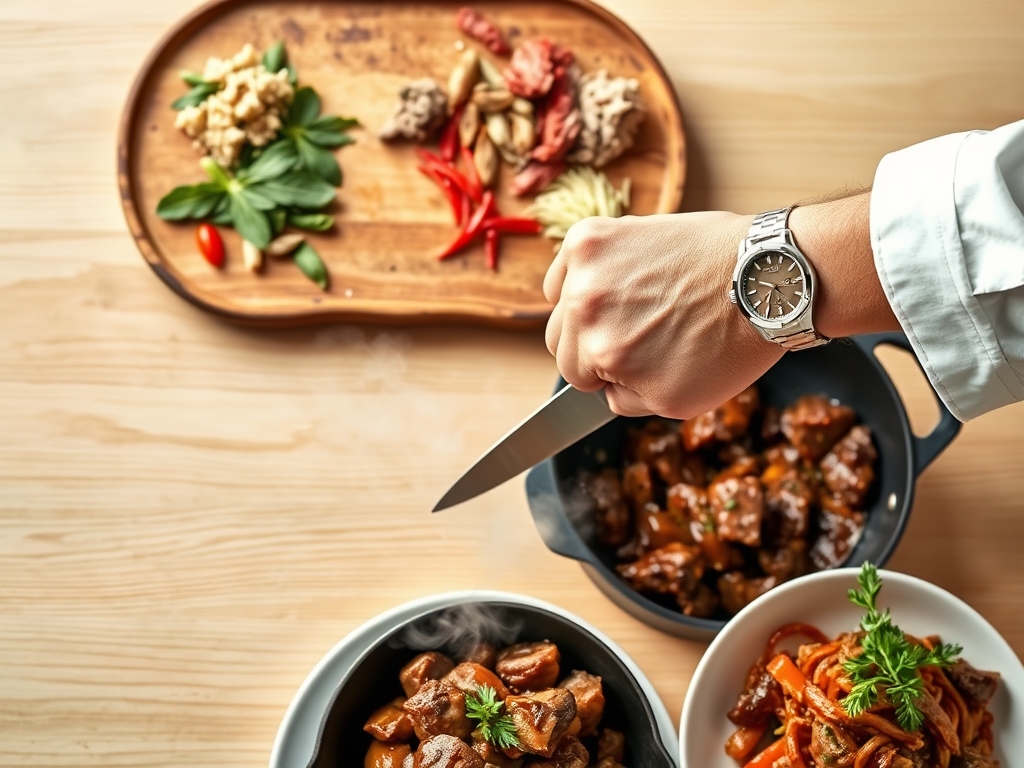
Pat your beef dry with paper towels to ensure there is no surface moisture. Heat your heavy-bottomed skillet until the oil reaches its shimmering point. Place the beef in the pan, ensuring you do not overcrowd it, which would lead to steaming rather than searing.
Pro Tip: This relies on the Maillard Reaction, where amino acids and reducing sugars transform under heat to create a complex, savory crust. If the meat is wet, the energy goes into evaporating water rather than browning the protein.
2. Deglazing the Fond
Once the beef is removed, you will see brown bits stuck to the pan. This is "fond," the concentrated essence of flavor. Pour in your wine or broth and use a wooden spoon to scrape these bits into the liquid.
Pro Tip: Deglazing uses solvent extraction to pull flavorful compounds into a liquid base. This creates a viscous sauce that will eventually coat your spinach, bridging the gap between the meat and the greens.
3. The Aromatic Infusion
Lower the heat slightly and add your minced garlic and shallots to the deglazed liquid. Sauté until translucent and fragrant, but do not let the garlic brown to a bitter dark state.
Pro Tip: Fat is a flavor carrier. By sautéing aromatics in the residual beef fat, you are infusing the lipids with fat-soluble volatile compounds, ensuring every bite of spinach carries the depth of the beef.
4. The Flash Wilt
Add the spinach in batches. It will look like too much, but it will reduce in volume by nearly 90 percent. Toss constantly with tongs to ensure even heat distribution.
Pro Tip: Spinach contains a high volume of water held within its cellular vacuoles. Heat ruptures these cells, causing the leaves to collapse. Fast cooking preserves the chlorophyll, keeping the color a bright, appetizing green.
5. The Emulsification
Turn off the heat and whisk in a cold pat of butter or a splash of heavy cream. This creates a glossy, cohesive sauce that binds the spinach and beef juices together.
Pro Tip: This is a fat-in-water emulsion. The cold butter incorporates slowly, creating a stable, velvety texture that coats the palate rather than feeling greasy.
The Deep Dive
Macro Nutrition:
Spinach beef recipes are a powerhouse of nutrition. You are getting high-quality heme iron from the beef, which is more easily absorbed than non-heme iron. The spinach adds fiber, Vitamin C, and folate. A standard serving typically provides 35g of protein and only 5g of net carbs, making it a staple for metabolic health.
Dietary Swaps:
- Keto: Stick to the plan but add a dollop of crème fraîche at the end for extra healthy fats.
- Vegan: Swap beef for thick-cut "steaks" of King Oyster mushrooms and use a splash of liquid aminos for that umami punch.
- Gluten-Free: Use tamari or coconut aminos instead of soy sauce for your deglazing liquid.
The Fix-It:
- Problem: The spinach is watery and bland. Fix: Ensure you deglaze and reduce your liquid by half before adding the greens; the spinach will release its own water, so the base must be concentrated.
- Problem: The beef is tough. Fix: Always slice against the grain. This shortens the muscle fibers, making even a cheaper cut feel tender.
- Problem: The dish looks "gray." Fix: Add an acid like lemon juice or red wine vinegar at the very last second. Acid brightens the color and the flavor profile.
Meal Prep:
When reheating, avoid the microwave if possible. Use a small saucier over low heat with a teaspoon of water. This "steams" the spinach back to life without overcooking the beef. If you must use a microwave, use 50 percent power to prevent the beef proteins from tightening and becoming rubbery.
The Wrap-Up
Mastering the art of spinach beef recipes elevates your weeknight rotation from "basic" to "bistro-quality." By understanding the science of the sear and the delicate nature of the wilt, you create a dish that is nutritionally dense and incredibly satisfying. Grab your tongs, heat up that skillet, and let the aroma of garlic and seared steak fill your kitchen. Your taste buds (and your iron levels) will thank you.
The Kitchen Table
Can I use frozen spinach for these recipes?
Yes, but you must thaw it completely and squeeze out all excess liquid. Frozen spinach has already undergone cellular breakdown, so it will not have the "bite" of fresh leaves but works perfectly in stews or stuffed beef dishes.
What is the best cut of beef for a spinach stir-fry?
Flank steak or skirt steak is ideal. These cuts have a coarse grain that holds onto sauces well. Just remember to slice them very thinly against the grain to ensure maximum tenderness during the high-heat cooking process.
How do I prevent my spinach from turning bitter?
Bitterness in spinach often comes from overcooking or a lack of salt. A quick "flash wilt" of less than two minutes, combined with a pinch of sea salt and a squeeze of lemon, neutralizes the oxalic acid's astringency.
Is it safe to cook spinach and beef in the same pan?
Absolutely. In fact, it is preferred. Cooking them together allows the spinach to absorb the rendered beef fat and fond, which creates a much deeper flavor profile than cooking the two components separately.