
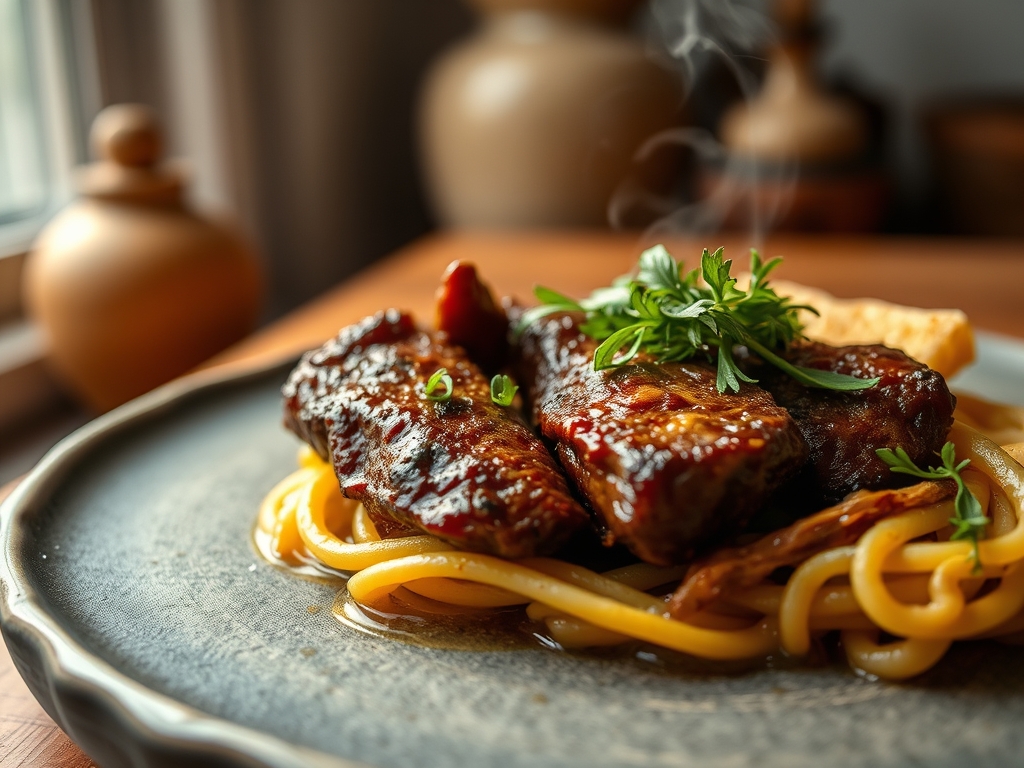
The scent of charcoal smoke is the unofficial perfume of July; it is a heavy, nostalgic aroma that signals the start of the season. When you are hunting for the ultimate beef recipes summer provides, you are not just looking for a meal; you are looking for that perfect, crusty sear and a center that glows like a sunset. Grilling is essentially a high-stakes chemistry experiment performed in flip-flops. We are manipulating muscle fibers and fat deposits to create something transcendent. Whether it is a thick ribeye or a delicate kebab, the goal is to master the heat before it masters you. We are going to dive into seven specific ways to elevate your backyard game from basic burgers to artisanal excellence. Grab your favorite apron and a cold drink; we are about to turn your patio into a five-star steakhouse. It is time to stop guessing and start grilling with the precision of a laboratory and the soul of a summer party.
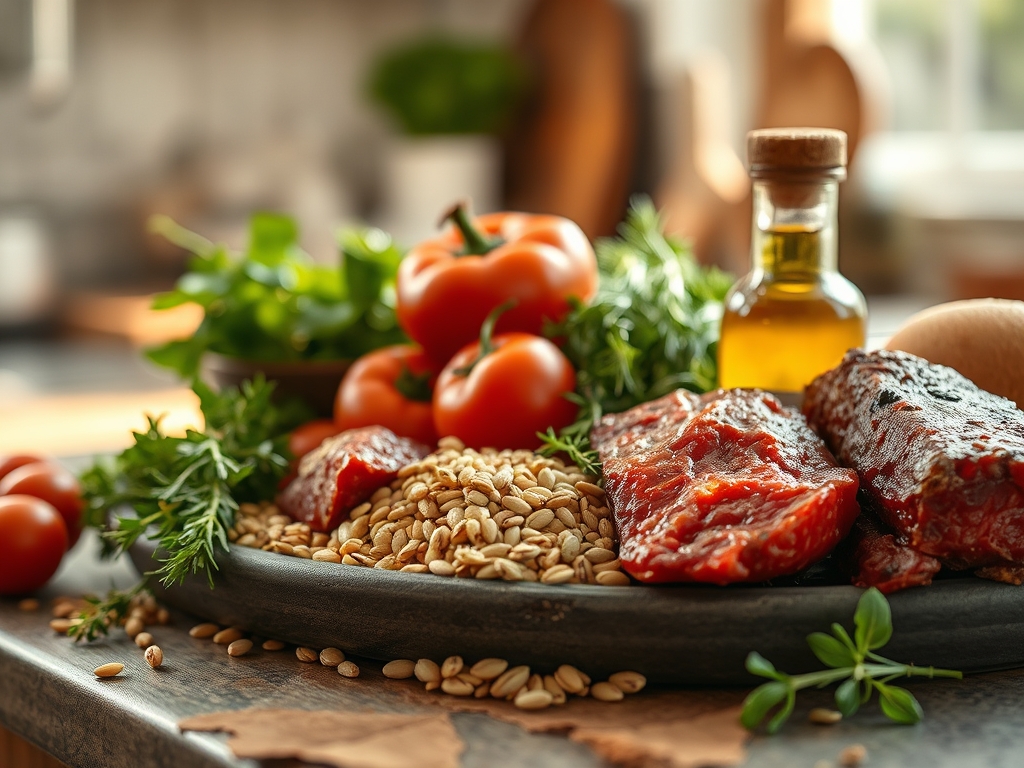
The Gathers:
Before we strike a single match, we must assemble our mise-en-place with clinical precision. You will need high-quality cuts like marbled ribeye, lean flank, or piquant tri-tip. The fats should be firm and white; this indicates a high concentration of saturated lipids that will render beautifully over an open flame. You will also need a saucier for your reductions and a microplane to zest citrus into your marinades, which provides a bright acid lift to cut through the richness of the beef.
Smart Substitutions: If you cannot find prime grade, use a jaccard meat tenderizer on choice cuts to physically break down connective tissues. If you are out of balsamic vinegar for your glazes, a splash of pomegranate molasses offers a similar viscous texture and deep acidity. Always keep a digital scale handy to ensure your spice rubs are balanced; consistency is the difference between a fluke and a signature dish.
The Clock
Efficiency in the kitchen is all about the Chef's Flow. This is the art of overlapping tasks so that nothing sits idle. Your total active prep time for these seven ideas is roughly 60 minutes, while the cooking window varies from 5 to 20 minutes depending on the thickness of the cut.
Start by tempering your meat; let it sit at room temperature for 45 minutes. This reduces the thermal gradient between the fridge and the grill, ensuring the center reaches the target temperature without the exterior turning into carbon. While the meat tempers, use your bench scraper to clear your chopping block of aromatics. By the time your coals are white-hot, your beef is ready to hit the grates. This synchronized rhythm prevents the frantic "kitchen panic" and keeps the focus on the flavor.
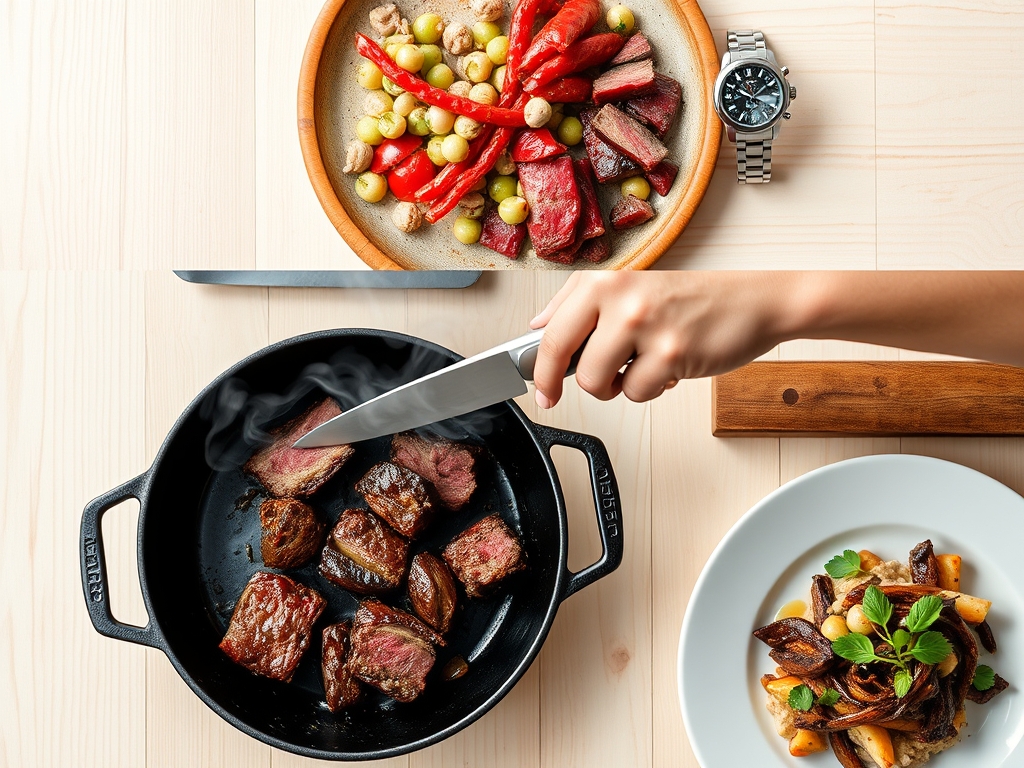
The Masterclass
1. The Reverse-Sear Ribeye
Season your steak heavily with kosher salt and place it on the cool side of the grill until it hits 115 degrees Fahrenheit. Finish it over the direct flame for a final, aggressive sear.
Pro Tip: This method utilizes thermal carryover. By heating the meat slowly first, you prevent the "gray ring" of overcooked protein and achieve a uniform edge-to-edge pink interior.
2. Chimichurri Flank Steak
Marinate the flank in a mixture of parsley, garlic, and red wine vinegar. Grill it fast and hot, then slice it strictly against the grain.
Pro Tip: Slicing against the grain is a mechanical intervention. It shortens the muscle fibers, making an inherently tough cut feel buttery and tender on the palate.
3. Espresso-Rubbed Sirloin
Mix finely ground espresso with brown sugar and smoked paprika. The bitterness of the coffee balances the intense umami of the beef.
Pro Tip: The sugars in the rub facilitate the Maillard reaction. This chemical reaction between amino acids and reducing sugars creates hundreds of different flavor compounds and that iconic brown crust.
4. Balsamic Glazed Beef Kabobs
Thread cubes of top sirloin with bell peppers and red onions. Brush with a balsamic reduction during the last two minutes of grilling.
Pro Tip: Applying sugar-based glazes too early leads to carbonization. Wait until the final moments to avoid a bitter, burnt exterior while still achieving a glossy, viscous finish.
5. Garlic-Butter Basted T-Bone
Use tongs to hold the steak upright and sear the fat cap first. As it finishes, toss a knob of garlic butter onto the meat.
Pro Tip: Basting with fat increases the rate of heat transfer. Liquid fat fills the microscopic gaps between the meat and the heat source, ensuring a more even and rapid cook.
6. Korean BBQ Short Ribs (Galbi)
Thinly slice flanken-style ribs and soak them in a pear and soy marinade. The enzymes in the pear act as a natural tenderizer.
Pro Tip: Pears contain calpain, an enzyme that breaks down proteins. This enzymatic browning and tenderizing process happens much faster than traditional acid-based marinades.
7. The Ultimate Wagyu Burger
Keep the grind coarse and the handling minimal. Sear on a heavy-bottomed skillet placed directly on the grill grates to catch every drop of rendered gold.
Pro Tip: Overworking ground beef causes the proteins to cross-link, resulting in a rubbery texture. Handle the meat gently to maintain the delicate pockets of air and fat.
The Deep Dive
From a macro perspective, beef is a nutritional powerhouse, providing high-density protein, B12, and heme iron. For those following a Keto lifestyle, these recipes are naturally compliant; just swap sugar-based rubs for erythritol or monk fruit. For a Vegan alternative, use the same marinades on thick slabs of cauliflower or lion's mane mushrooms, as the umami-heavy sauces provide the "meatiness" the palate craves.
The Fix-It:
- Flare-ups: Do not use water; it spreads grease fires. Move the meat to the "safe zone" (indirect heat) until the flames subside.
- Sticking: This usually means the protein hasn't finished its initial bond-breaking. Wait thirty seconds; the meat will "release" naturally once the sear is set.
- Dryness: If you overcook a cut, slice it thin and toss it in a viscous vinaigrette or beef tallow to reintroduce moisture and lipids.
Meal Prep Science: To reheat, avoid the microwave, which vibrates water molecules and toughens protein. Instead, use a low oven (250F) with a splash of beef broth. This creates a small steam chamber, gently rehydrating the fibers without restarting the cooking process.
The Wrap-Up
Summer grilling is more than a chore; it is a celebration of fire and flavor. By understanding the science of the Maillard reaction and the physics of heat transfer, you move from a casual cook to a backyard virtuoso. These seven beef recipes summer favorites are your blueprint for a season of unforgettable meals. Remember to trust your digital thermometer, respect the rest period, and always buy the best quality beef your budget allows. Now, go forth and ignite those coals; your masterpiece is waiting.
The Kitchen Table
Why does my steak need to rest?
Resting allows the internal pressure to stabilize. During cooking, muscle fibers contract and push juices toward the center. Resting lets those fibers relax, allowing the viscous juices to redistribute so they do not spill out onto your cutting board.
What is the best oil for grilling beef?
Use oils with a high smoke point, such as avocado or grapeseed oil. These fats can withstand the intense heat of the grill without breaking down into acrid, bitter compounds that ruin the flavor of your expensive cuts.
How do I get perfect grill marks?
Ensure your grates are scrubbed clean and preheated for at least fifteen minutes. Pat the meat bone-dry with paper towels before grilling; moisture creates steam, which prevents the rapid Maillard reaction required for those distinct, charred lines.
Can I grill frozen beef safely?
It is possible but not recommended for high-quality steaks. The exterior will likely overcook before the center thaws. For the best results, thaw slowly in the refrigerator to preserve the cellular structure and prevent excessive moisture loss.