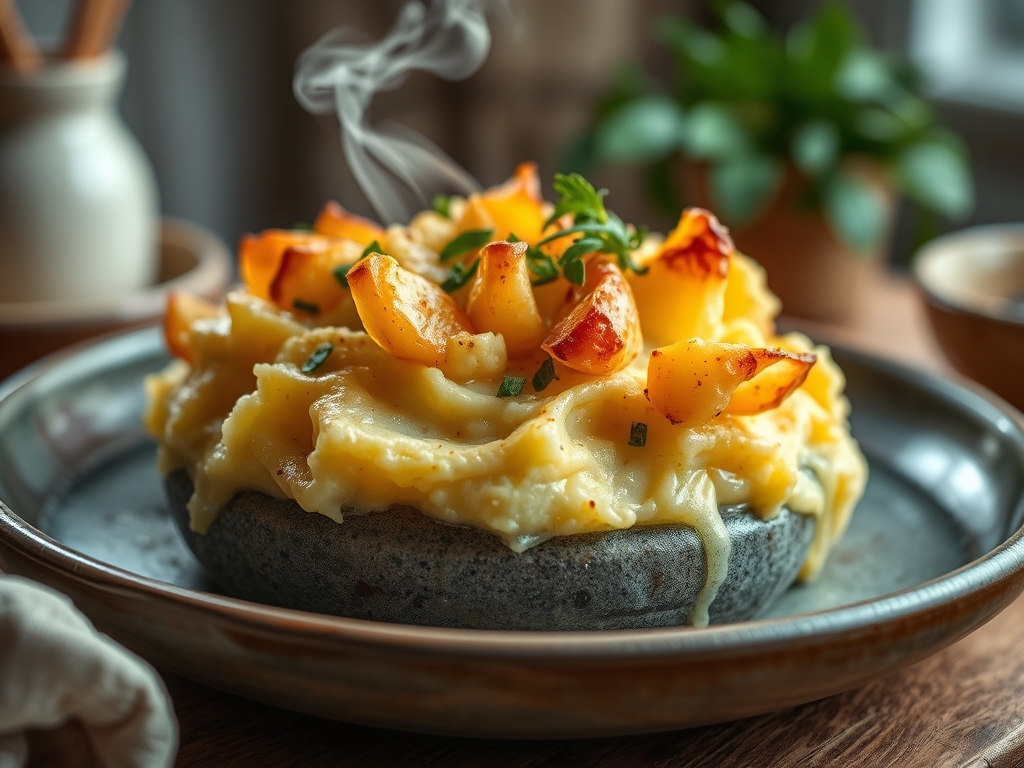
Imagine a bowl of clouds so rich they practically hum with a savory, buttery resonance. We have all been there; staring down a bowl of gluey, lackluster spuds that taste more like sadness than a celebration. If you are searching for the holy grail of vegan mashed potato recipes, you have officially arrived at the intersection of molecular gastronomy and pure comfort. We are not just mashing vegetables today. We are engineered a velvet-textured masterpiece that defies the laws of dairy-free physics.
The secret to a world-class mash lies in the delicate balance of starch and fat. Most people treat potatoes as a side thought, but we are treating them like a high-stakes science experiment. By understanding the cellular structure of the tuber, we can manipulate amylose and amylopectin to create a mouthfeel that rival the most decadent French bistros. Grab your favorite apron and clear your counter. We are about to transform the humble potato into a silky, decadent work of art that will have your dairy-eating friends questioning everything they thought they knew about plant-based cooking.
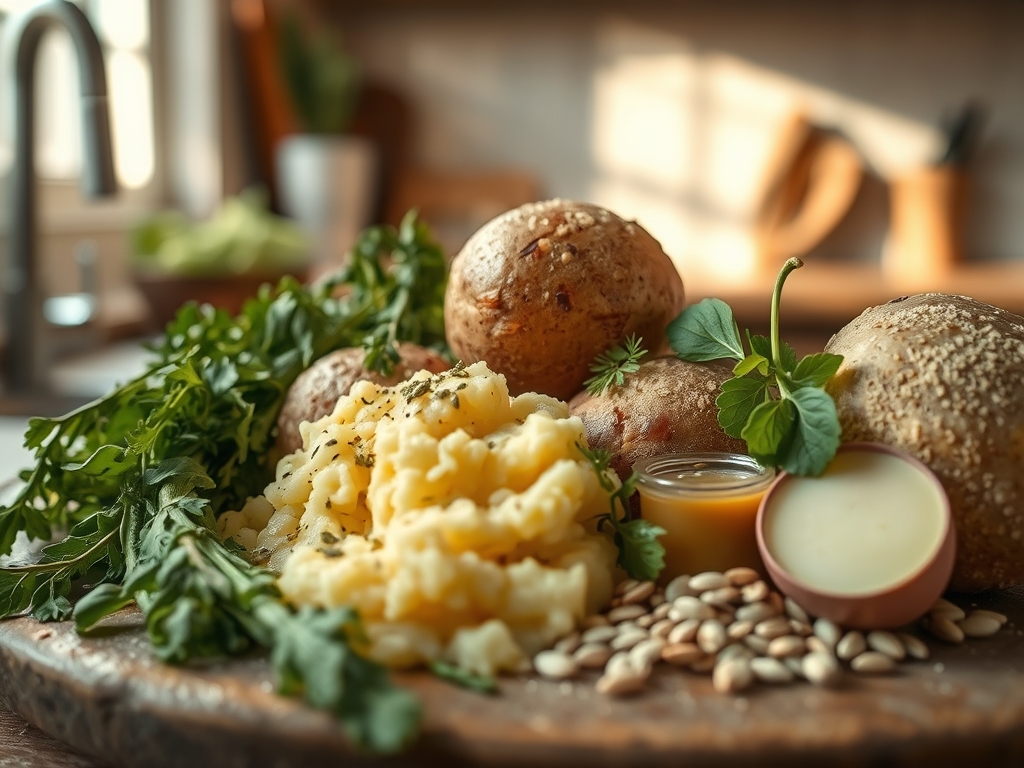
The Gathers:
Before we ignite the burner, your mise-en-place must be flawless. Start with your canvas: Yukon Gold potatoes. While Russets are fluffy, Yukons possess a naturally waxy, buttery yellow flesh with a medium starch content that creates a superior viscous texture. You will need a digital scale to ensure your ratios are precise. Precision is the difference between a "good" mash and a professional-grade emulsion.
For your fats, do not settle for just any oil. We are looking for high-quality vegan butter blocks that contain lecithin, which acts as a natural emulsifier. To add depth, gather full-fat coconut milk (the kind in the tin) or a heavy cashew cream. The goal is to mimic the mouth-coating quality of butterfat.
Smart Substitutions:
- The Umami Bomb: Nutritional yeast or a teaspoon of white miso paste provides that piquant, fermented depth usually found in aged cheeses.
- The Aromatics: Fresh garlic cloves and sprigs of rosemary or thyme. We will infuse these into our liquids rather than tossing them in raw.
- The Acid: A splash of apple cider vinegar or lemon juice. This cuts through the heavy fats and brightens the earthy notes of the potato.
The Clock
Efficiency in the kitchen is about "Chef's Flow." Total active prep time is approximately 15 minutes, with a 20-minute simmer and a 5-minute finishing stage. Use a heavy-bottomed skillet or a saucier to warm your liquids while the potatoes boil. This overlap ensures that when the potatoes are ready to be mashed, your aromatics have already surrendered their essential oils to the cream. Never add cold liquid to hot potatoes; it shocks the starch and leads to a grainy, unappealing finish.
The Masterclass
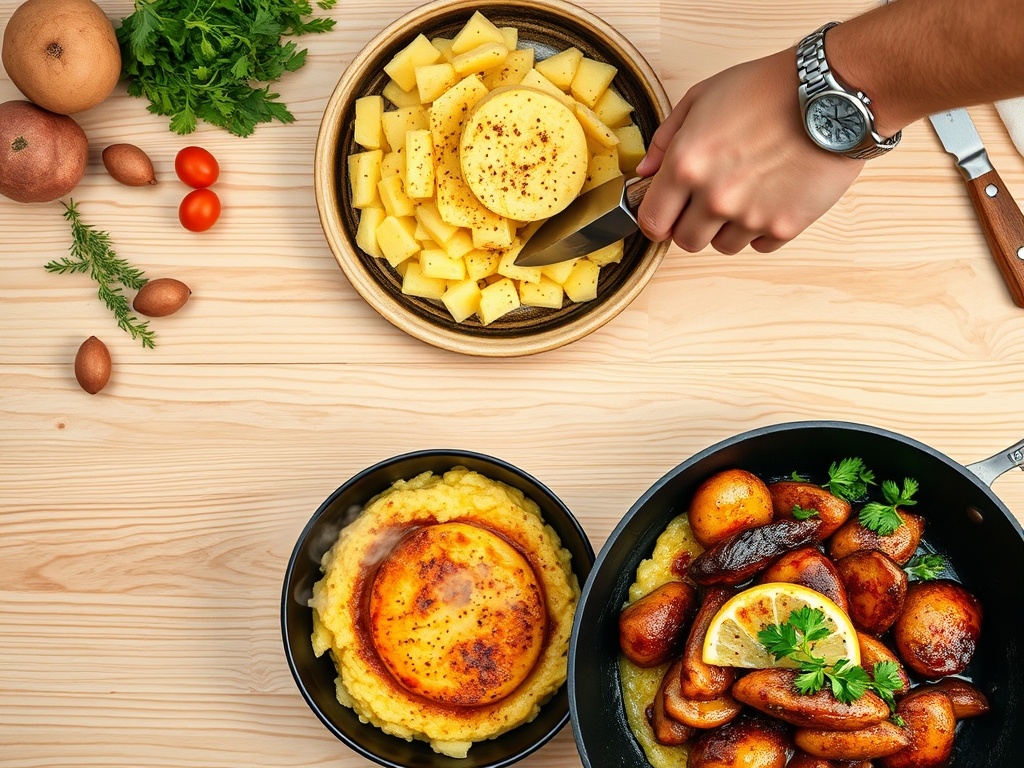
1. The Cold Start Soak
Place your peeled and cubed potatoes into a pot of cold, heavily salted water. Starting with cold water ensures the exterior and interior of the potato cook at the same rate. If you drop them into boiling water, the outside overcooks and disintegrates before the center is tender.
Pro Tip: This technique prevents enzymatic browning and ensures an even breakdown of the pectin cell walls. Salt the water until it tastes like the sea; the potatoes absorb this seasoning from the inside out.
2. The Gentle Simmer
Bring the water to a boil, then immediately reduce to a steady simmer. Violent boiling agitates the potatoes, causing them to bump into each other and release excess starch into the water, which leads to gumminess. Use a tongs or a fork to check for tenderness; they should slide off easily with no resistance.
Pro Tip: Overcooking leads to waterlogged cells. Aim for "fork-tender," not "falling apart." This preserves the integrity of the potato's flavor profile.
3. The Steam Dry
Once drained, return the potatoes to the hot pot for sixty seconds. Shake them over low heat to evaporate any lingering moisture. You should see a fine white film start to form on the bottom of the pot. This is the dehydration phase.
Pro Tip: Removing excess water creates "room" within the potato cells to soak up the flavorful fats we are about to add. This is the secret to a rich, non-watery mash.
4. The Professional Pass
Forget the handheld masher. For true professional results, use a potato ricer or a food mill. This tool aerates the potato, breaking it down into tiny, uniform granules without overworking the starch.
Pro Tip: Over-mashing with a mixer or food processor shears the starch molecules, turning your potatoes into a literal glue. The ricer keeps the texture light and fluffy.
5. The Infused Emulsion
While the potatoes are hot, slowly fold in your warm, infused cream and vegan butter. Use a bench scraper or a silicone spatula to fold the liquid in gently. Start with the fat first to coat the starch granules, then follow with the liquid.
Pro Tip: This "fat-first" method creates a protective barrier around the starch, preventing the liquid from making the mixture gummy. It is a classic French technique adapted for vegan mashed potato recipes.
6. The Flavor Layering
Now is the time to add your "umami bombs." Use a microplane to zest in a hint of fresh garlic or fold in your miso paste. Season with white pepper instead of black to maintain a pristine, snowy aesthetic.
Pro Tip: White pepper offers a fermented, earthy heat that complements the potatoes without the visual "specks" of black pepper.
7. The Final Aeration
Give the mixture one last vigorous whip with a balloon whisk. This incorporates air, making the potatoes feel lighter on the palate despite their high fat content.
Pro Tip: This final step utilizes thermal carryover. The residual heat continues to mellow the raw garlic and meld the flavors as you serve.
The Deep Dive
Macro Nutrition:
Potatoes are a powerhouse of potassium and Vitamin C. By using plant-based fats like cashew cream, you are swapping saturated animal fats for heart-healthy monounsaturated fats. A standard serving contains roughly 220 calories, 4g of fiber, and 3g of protein.
Dietary Swaps:
- Keto: Replace half the potatoes with steamed, riced cauliflower to lower the glycemic load.
- GF: Naturally gluten-free! Just ensure your vegan butter brand is certified.
- Low Fat: Substitute the butter with a high-quality vegetable bouillon and extra roasted garlic for flavor without the lipids.
The Fix-It:
- Too Gluey: You likely overworked the starch. Fold in a bit more warm liquid and serve as a "puree" rather than a fluffier mash.
- Too Thin: Simmer the mixture on low heat to render out excess moisture, or fold in a tablespoon of potato flakes as a stabilizer.
- Too Bland: Increase the acid. A tiny drop of lemon juice often "wakes up" the salt.
Meal Prep Science:
To reheat, use a double boiler method. Microwaving can cause the fats to separate from the starch. By gently warming over steam, you maintain the emulsion for day-one quality.
The Wrap-Up
Creating the ultimate vegan mashed potato recipes is about respecting the chemistry of the ingredients. By controlling the starch through temperature management and using professional tools like the ricer, you elevate a simple root vegetable into a culinary event. Remember, the best food is a mix of high-quality ingredients and the patience to treat them right. Go forth and mash with confidence!
The Kitchen Table
How do I prevent my vegan mashed potatoes from being gummy?
Avoid using a food processor or blender. These high-speed blades tear the starch cells, releasing amylose which creates a glue-like texture. Use a potato ricer for a fluffy, aerated result every single time.
Can I make these potatoes ahead of time?
Yes. Store them in an airtight container. When reheating, add a splash of warm plant milk and whisk over low heat. This restores the creamy emulsion and prevents the potatoes from becoming dry or stiff.
What is the best potato for vegan mashing?
Yukon Gold is the gold standard. They have a naturally creamy texture and a built-in buttery flavor that Russets lack. Their medium starch content provides the perfect balance between fluffy and creamy for dairy-free recipes.
Why should I start potatoes in cold water?
Starting in cold water ensures the potatoes cook evenly from the outside to the core. If you use boiling water, the exterior overcooks and becomes mushy before the middle is soft, ruining the final texture.