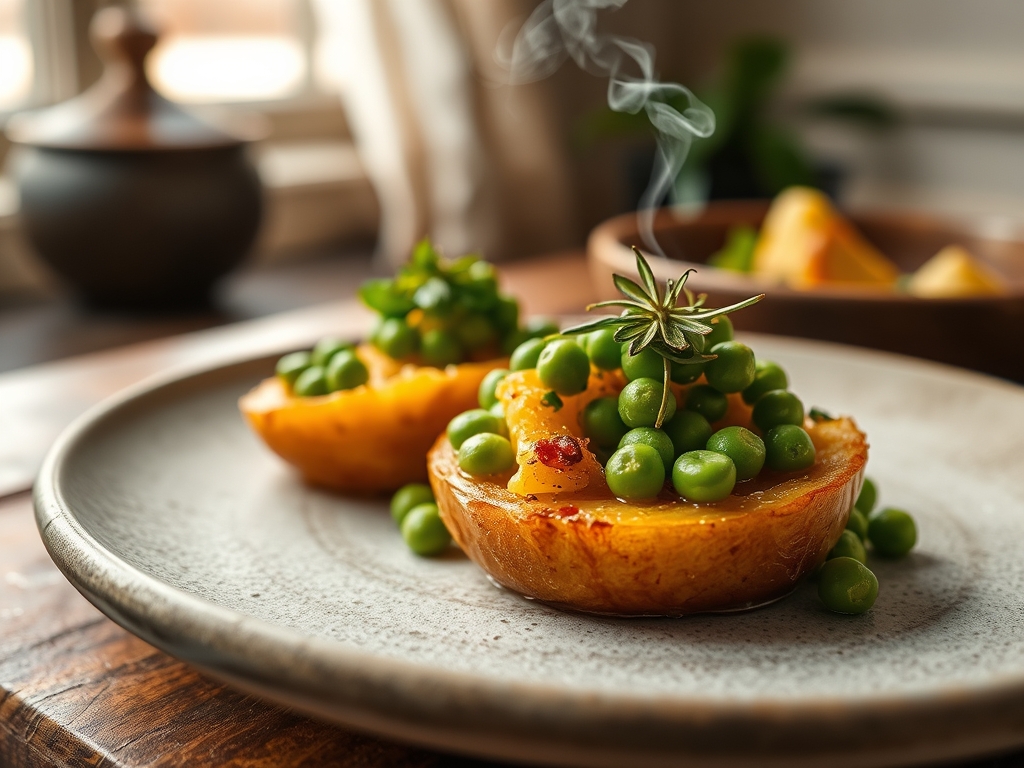
Imagine the scent of sweet, emerald pearls bursting against the earthy, buttery velvet of a Yukon Gold. There is something fundamentally grounding about peas and potato recipes; they are the culinary equivalent of a cashmere blanket. When the starch from a potato meets the vegetal snap of a pea, you are not just making a side dish. You are engineering a masterpiece of texture and contrast that satisfies the deepest primal cravings for comfort. Whether you are looking for a rustic mash or a refined puree, the chemical synergy between these two garden staples is undeniable.
The magic lies in the balance. Potatoes provide the structural integrity and the creamy mouthfeel, while peas offer a bright, acidic pop and a shot of chlorophyll that cuts through the richness. We are diving deep into six distinct ways to marry these ingredients, moving far beyond the basic boiled pot. From the crisp edges of a pan-sear to the silky depths of a blended bisque, these peas and potato recipes are designed to elevate your weeknight rotation into a high-end gastronomic experience. Grab your apron; we are about to turn humble tubers and legumes into pure gold.
The Gathers:
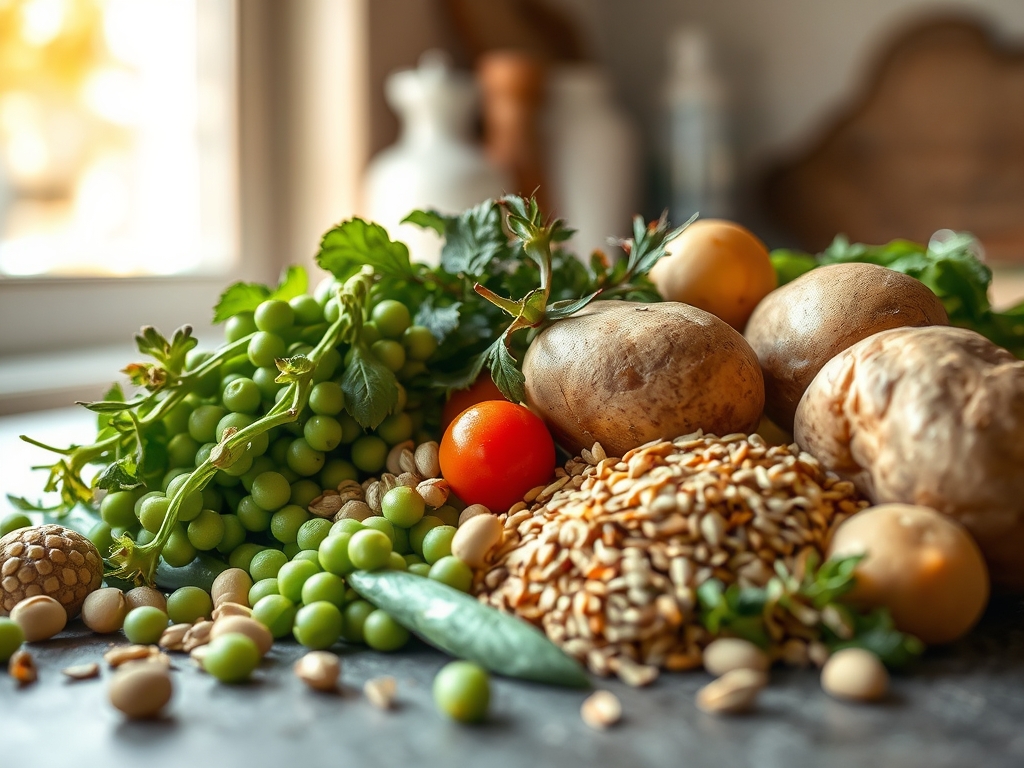
To achieve professional results, your mise-en-place must be precise. Start with high-starch potatoes like Russets for fluffiness or waxy varieties like Red Bliss for structural integrity. Your peas should ideally be frozen at the peak of ripeness to preserve their organoleptic qualities, as the sugars in peas begin converting to starch the moment they are harvested.
You will need high-quality fats. Reach for unsalted European-style butter, which has a higher butterfat content and lower water percentage than standard sticks. For aromatics, gather fresh mint, shallots, and garlic. Use a microplane to zest lemon for a piquant finish. If you are looking for smart substitutions, swap heavy cream for full-fat coconut milk to maintain a viscous texture while keeping it plant-based. If fresh peas are unavailable, frozen petite peas are superior to canned versions, which often suffer from thermal over-processing and a dull, metallic flavor profile.
The Clock
Efficiency in the kitchen is about mastering the Chef's Flow. This is the art of overlapping tasks so that no heat is wasted. For most peas and potato recipes, you are looking at a 15-minute prep window and a 25-minute cook time. Total investment: 40 minutes.
Start by cold-starting your potatoes in salted water. This ensures the exterior does not turn to mush before the interior reaches the ideal temperature. While the tubers simmer, use a bench scraper to organize your chopped aromatics. The peas only require a flash-blanch at the very end. By the time your potatoes are ready to be passed through a ricer, your aromatics should be rendered and fragrant in a saucier. This synchronized timing prevents the starch from oxidizing and ensures the final dish is served at its thermal peak.
The Masterclass
1. The Precision Dice and Cold Start
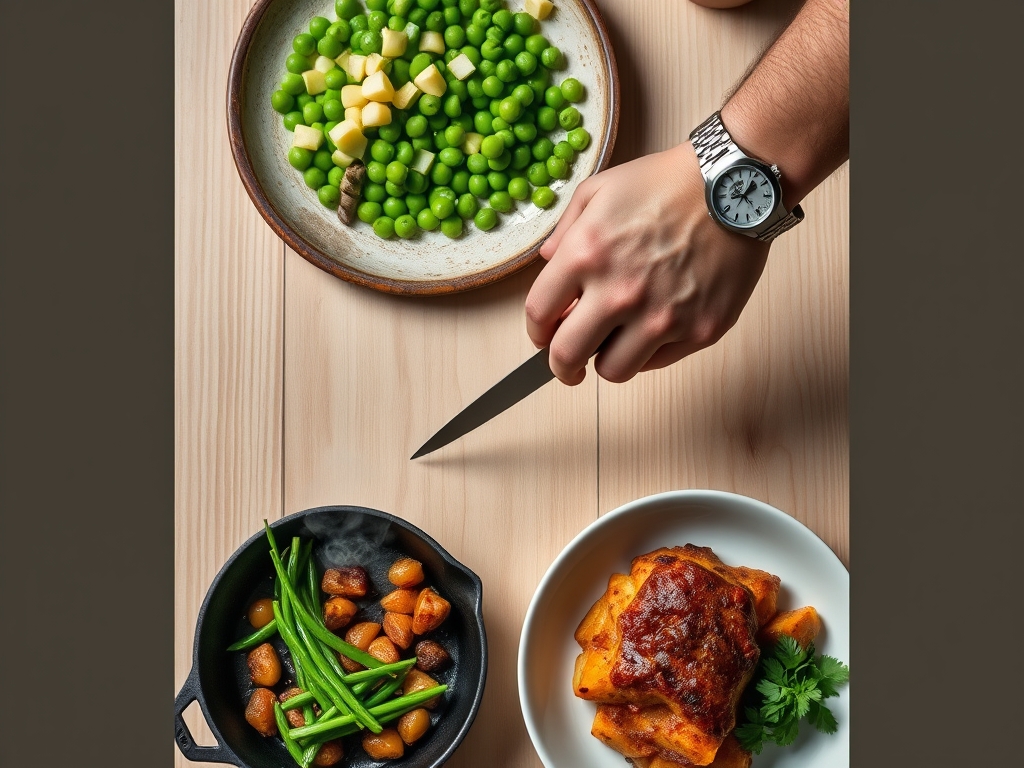
Begin by peeling your potatoes and dicing them into uniform 1-inch cubes. Place them in a heavy-bottomed skillet or pot and cover with cold, heavily salted water. Bringing the water to a boil with the potatoes already submerged ensures even heat distribution through the dense starch granules.
Pro Tip: This method prevents enzymatic browning. By starting cold, you allow the heat to penetrate the center of the potato at the same rate as the surface, preventing the outside from disintegrating into the water.
2. The Aromatic Infusion
While the potatoes simmer, melt your butter in a small saucier over medium-low heat. Add finely minced shallots and a crushed garlic clove. You are looking to infuse the fat with flavor without achieving a full Maillard reaction, which would introduce bitter notes to the delicate peas.
Pro Tip: Fat is a flavor carrier. By infusing the butter first, you ensure that the aromatic compounds are evenly distributed when you finally incorporate the liquids into the mash.
3. The Flash Blanch
When the potatoes are three minutes away from being fork-tender, add your frozen peas directly into the boiling water. This brief exposure to high heat preserves the bright green color by deactivating the enzymes that cause browning.
Pro Tip: This is known as blanching. The quick heat shock softens the pea's cellulose wall without turning the interior into a flavorless paste, maintaining that signature "pop" texture.
4. The Steam Dry
Drain the vegetables into a colander and let them sit for exactly sixty seconds. Then, return them to the warm pot (off the heat) and shake them gently. This allows residual moisture to evaporate.
Pro Tip: This step is crucial for starch retrogradation. Removing excess surface moisture ensures that when you add your cream or butter, the potato cells absorb the fat rather than the water, resulting in a much richer mouthfeel.
5. The Aerated Mash
Use a ricer or a potato masher to break down the mixture. If you prefer a rustic texture, leave some peas whole. For a refined puree, use a silicone spatula to push the mixture through a fine-mesh sieve. Fold in your infused butter and a splash of warm cream.
Pro Tip: Always warm your liquids before adding them to the potatoes. Cold dairy will shock the starch and result in a gummy, gluey texture. Warming the cream maintains the emulsification.
6. The Acidic Brightening
Finish the dish by folding in freshly chopped mint and a squeeze of lemon juice. Season with Maldon sea salt and freshly cracked white pepper. Use tongs to plate the mixture into elegant mounds.
Pro Tip: Adding acid at the very end provides a piquant contrast to the heavy starches. It cuts through the fat and wakes up the palate, making the dish feel lighter than it actually is.
The Deep Dive
When we look at the macro nutrition of peas and potato recipes, we see a powerhouse of complex carbohydrates and plant-based protein. Potatoes provide potassium and Vitamin C, while peas contribute fiber and iron. To make this keto-friendly, you can substitute half the potatoes with steamed cauliflower, which mimics the texture while lowering the glycemic load. For a vegan version, use high-quality olive oil and nutritional yeast to replicate the savory depth of butter and cheese.
If you encounter pitfalls, do not panic. If your mash is too thin, return it to low heat in a heavy-bottomed skillet and stir constantly to cook off the excess moisture. If it is too gummy, you likely over-worked the starch; try folding in some whole peas or toasted breadcrumbs to add textural contrast. For meal prep, remember that starch hardens in the fridge. To reheat, add a splash of milk and cover tightly. This creates a steam chamber that re-hydrates the starch granules, returning them to their "day-one" silky state.
The Wrap-Up
Mastering peas and potato recipes is about more than just following a list of ingredients; it is about understanding the physics of heat and the chemistry of flavor. By focusing on the Chef's Flow and respecting the integrity of your ingredients, you transform a simple side into the star of the show. Whether you are hosting a dinner party or just treating yourself on a Tuesday, these techniques ensure a perfect result every time. Now, get into that kitchen and start mashing!
The Kitchen Table
Why are my mashed potatoes and peas gummy?
Gumminess occurs when potatoes are over-mixed, releasing too much starch. This creates a glue-like consistency. To fix this, use a ricer instead of a food processor and always add warm liquids to maintain a smooth, aerated texture.
Can I use canned peas for these recipes?
Canned peas are generally too soft and lack the vibrant color needed for high-quality peas and potato recipes. Frozen peas are flash-chilled at peak ripeness, preserving their structure and sweetness, making them the superior choice for texture.
What is the best potato for a pea blend?
Yukon Golds are the gold standard. They possess a naturally buttery flavor and a medium starch content that bridges the gap between fluffy Russets and waxy Reds. They create a creamy, viscous base that complements the snap of the peas.
How do I keep the peas bright green?
The secret is a quick blanch and an acidic finish. Avoid overcooking the peas, which turns them olive drab. Adding a squeeze of lemon juice just before serving helps maintain the chlorophyll's vibrancy and provides a necessary flavor contrast.