
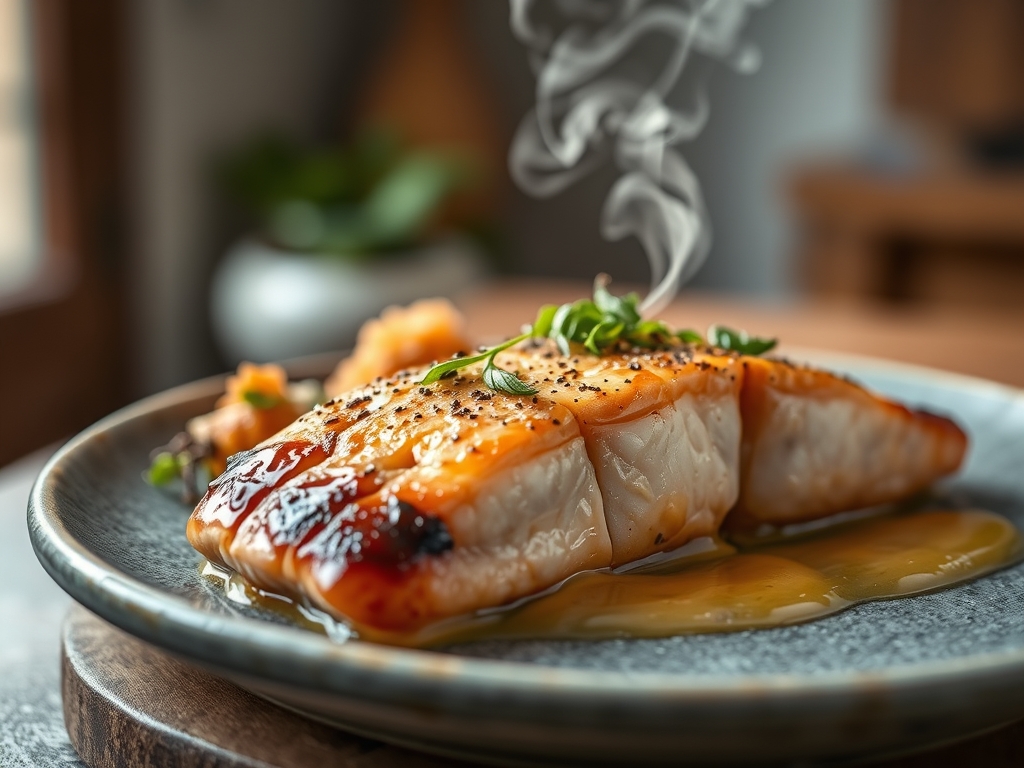
Imagine the sound of cold, fatty skin meeting a blistering cast iron surface. That rhythmic hiss is the sound of amino acids and reducing sugars colliding in a chemical dance known as the Maillard reaction. When you are hunting for the ultimate carnivore salmon recipes, you are not just looking for a meal; you are looking for a high-density protein experience that fuels your cellular mitochondria. Salmon is the undisputed king of the animal kingdom for this purpose. It offers a profile of long-chain omega-3 fatty acids that are literally the building blocks of your brain. We are moving past the soggy, grey fillets of the past and stepping into a world of crispy textures and rendered fats. This guide is your masterclass in transforming a simple piece of fish into a culinary masterpiece that fits perfectly within a zero-carb, high-performance lifestyle. Let us get your kitchen smelling like a five-star steakhouse that happens to specialize in the finest Alaskan waters.
The Gathers:
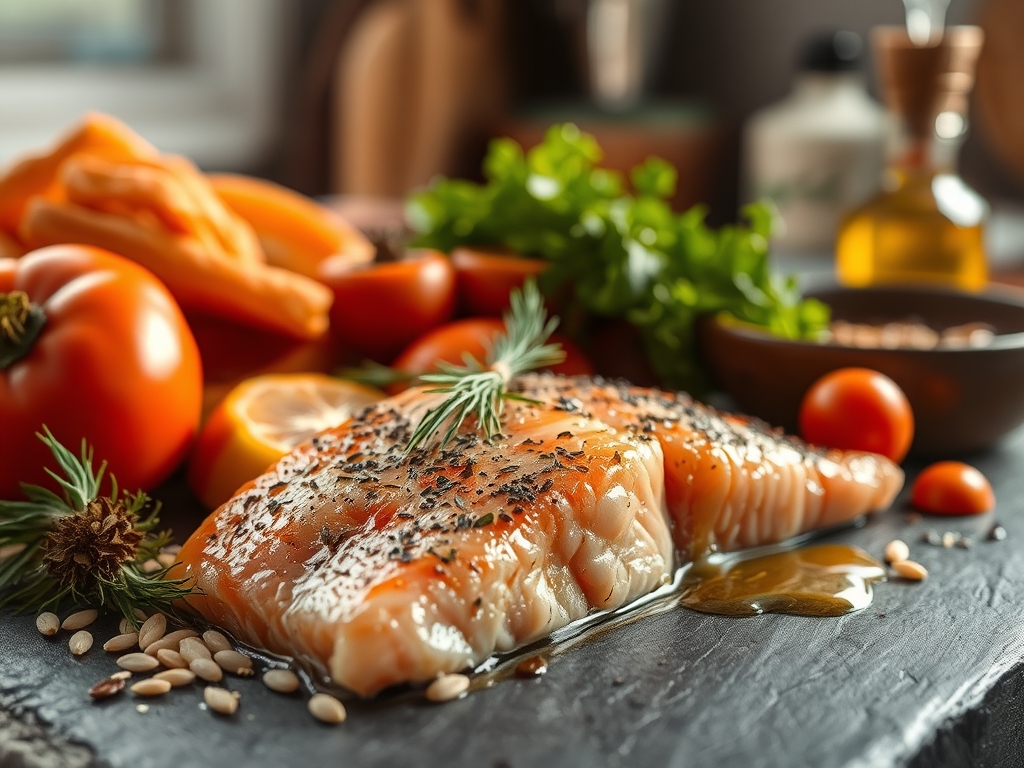
To execute these carnivore salmon recipes with surgical precision, your mise-en-place must be flawless. Start with high-quality, wild-caught King or Sockeye salmon. Wild varieties possess a more viscous fat content and a deeper astaxanthin pigment than farmed alternatives. You will need high-smoke-point animal fats; tallow or clarified butter (ghee) are non-negotiable here. Unlike seed oils, these fats remain stable under intense heat, preventing the formation of inflammatory polar compounds.
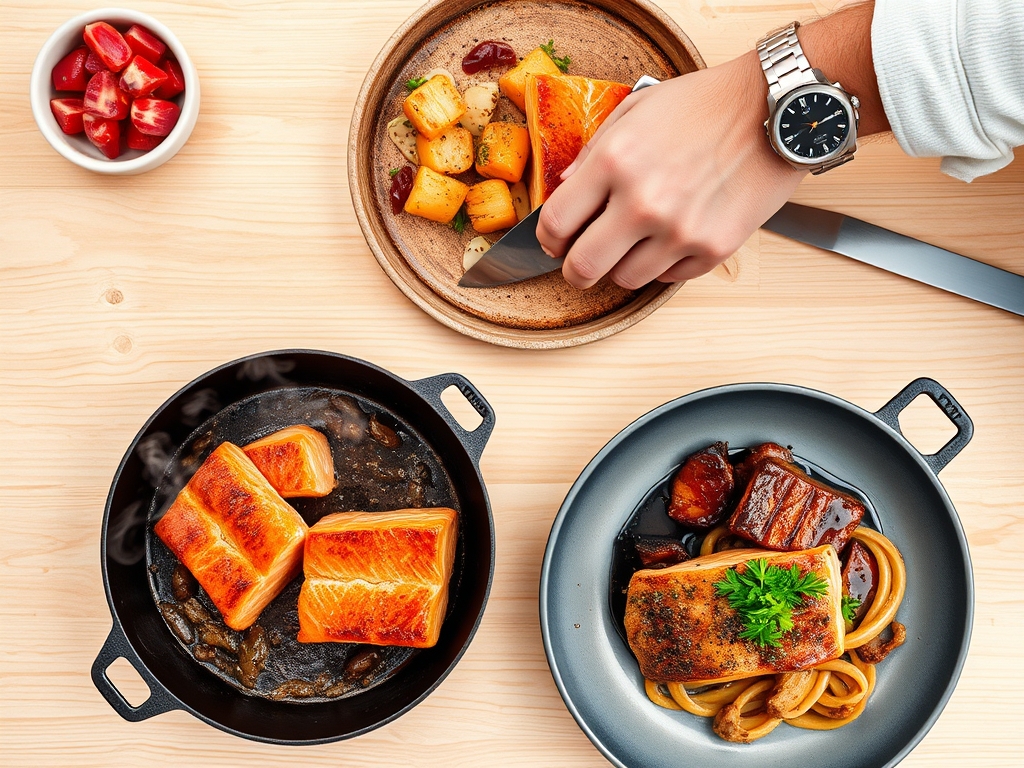
Your toolkit is just as vital as your ingredients. Pull out your heavy-bottomed skillet (preferably seasoned cast iron or carbon steel) to ensure even heat distribution. You will also need a digital scale for precise portioning, a microplane for grating frozen butter over hot fillets, and a fish spatula with a thin, flexible edge to slide under delicate skin without tearing the protein fibers.
Smart Substitutions: If you are sensitive to dairy, swap the ghee for duck fat to add a piquant, gamey depth. If you cannot find fresh wild salmon, high-quality frozen fillets are acceptable, provided you thaw them slowly in the refrigerator to prevent "drip loss," which is the expulsion of intracellular moisture that leads to a dry, mealy texture.
The Clock
Efficiency in the kitchen is about mastering the Chef's Flow. This is the art of overlapping tasks so that no heat is wasted. For these carnivore salmon recipes, your active "hands-on" time is a tight 10 minutes, with a total cook time of roughly 12 to 15 minutes depending on the thickness of the cut.
The flow begins with the "Tempering Phase" (5 minutes), where the fish sits at room temperature to ensure the center does not remain icy while the exterior browns. Next is the "Searing Phase" (6 minutes), followed by the "Resting Phase" (3 minutes). Never skip the rest. Resting allows the muscle fibers to relax and reabsorb the juices, ensuring that the first cut results in a succulent bite rather than a puddle of wasted nutrients on your plate.
The Masterclass
1. The Desiccation Ritual
Use a paper towel to pat the salmon skin until it is bone-dry. Moisture is the enemy of the crunch. If the surface is damp, the heat of the pan will spend its energy evaporating water rather than browning the protein.
Pro Tip: This is known as surface evaporation. By removing moisture, you allow the surface temperature to rise rapidly above 285 degrees Fahrenheit, which is the threshold for the Maillard reaction to occur.
2. The Cold Start Tallow Melt
Place your tallow in a cold heavy-bottomed skillet and bring it up to heat slowly. Once the fat begins to shimmer and a faint wisp of smoke appears, you have reached the flash point of the surface lipids.
Pro Tip: Slow heating prevents the fat from oxidizing prematurely. Using a digital thermometer to hit exactly 375 degrees Fahrenheit ensures the perfect sear without scorching the delicate fish oils.
3. The Compression Sear
Lay the salmon skin-side down. Use your fish spatula to press firmly on the flesh for the first 30 seconds. Salmon skin tends to curl when it hits heat; pressing it flat ensures maximum surface contact.
Pro Tip: This technique prevents the "bowing" effect. By maintaining contact, you ensure the heat conducts evenly through the skin, rendering the subcutaneous fat into a crisp, cracker-like texture.
4. The Butter Baste
In the final two minutes, drop a knob of cold butter into the pan. As it foams, tilt the pan and use a large spoon to continuously pour the hot, bubbling fat over the raw top of the fish.
Pro Tip: This is called Arrosé. The foaming butter is a sign that the water is cooking out, leaving behind toasted milk solids that infuse the salmon with a nutty, rich aroma through convection.
5. The Thermal Carryover Rest
Remove the salmon from the pan when the internal temperature hits 125 degrees Fahrenheit. Place it on a warm plate and let it sit for three minutes before serving.
Pro Tip: This accounts for thermal carryover. The residual heat on the exterior will continue to cook the center, bringing the final internal temperature to a perfect 130 to 135 degrees Fahrenheit without overextending the proteins.
The Deep Dive
When we look at the macro nutrition of these carnivore salmon recipes, we are seeing a powerhouse of bioavailable nutrients. A standard 6-ounce fillet provides roughly 35 grams of protein and 22 grams of healthy fats, with zero carbohydrates. It is a "one-stop shop" for Vitamin D, B12, and Selenium.
Dietary Swaps: While this is a carnivore-focused guide, those following a Keto protocol can finish the dish with a squeeze of lemon to provide a piquant acidity that cuts through the fat. For those who are Gluten-Free, this recipe is naturally safe as it relies on animal fats rather than flour-based thickeners.
The Fix-It:
- The Skin is Soggy: You likely moved the fish too early. Let the skin "release" naturally from the pan; if it sticks, the crust hasn't formed yet.
- The White Gunk (Albumin): If white bubbles appear on the surface, you are cooking it too fast or too high. This is albumin, a protein that squeezes out when the muscle fibers contract too violently. Lower the heat.
- The Fish is Fishy: This is a sign of oxidation. Use a saucier to melt a bit of extra fat with salt to mask any minor oxidation, or buy fresher sourcing next time.
Meal Prep: To reheat salmon without turning it into rubber, avoid the microwave. Use a low-temperature oven (275 degrees) and add a splash of water or a pat of butter to the dish, covering it tightly with foil. This creates a steam chamber that gently rehydrates the fats.
The Wrap-Up
Mastering carnivore salmon recipes is a rite of passage for any serious high-protein athlete or health enthusiast. It is the perfect marriage of biology and heat. By understanding how to render fats and manage thermal carryover, you transform a basic ingredient into a luxury experience. Go ahead and grab your tongs, fire up that skillet, and treat your body to the premium fuel it deserves. You have the science; now go make the magic happen.
The Kitchen Table
How do I get the skin extra crispy?
Ensure the skin is completely dry before hitting the pan. Use a heavy-bottomed skillet and press the fillet down with a spatula for the first 30 seconds to ensure total surface contact and even fat rendering.
Why does my salmon have white stuff on it?
That white substance is albumin. It is a harmless protein that pushes to the surface when the fish is cooked too quickly at a high temperature. To prevent this, lower your heat and cook more gently.
Can I use frozen salmon for carnivore recipes?
Yes, but thaw it completely in the fridge first. Pat it dry with extreme care, as frozen fish tends to hold more surface moisture which can interfere with the Maillard reaction and prevent a good sear.
What is the best fat for frying salmon?
Ghee or beef tallow are superior choices. They have high smoke points and won't break down into toxins at high heat. They also add a rich, savory depth that complements the natural oils of the fish.