
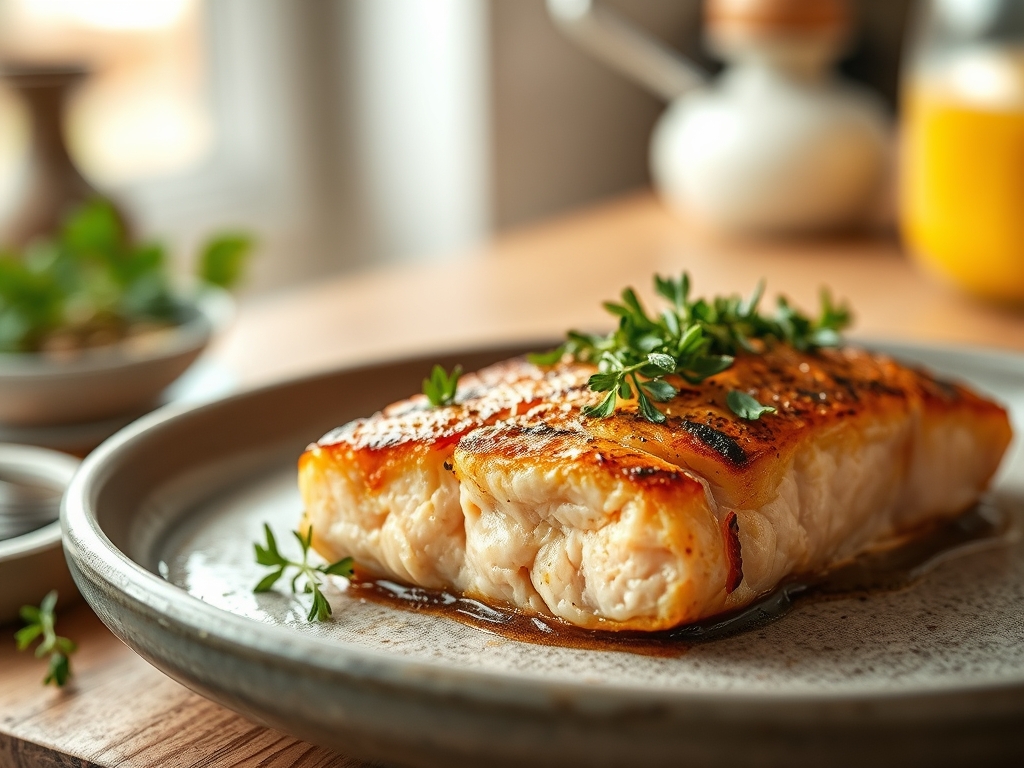
Close your eyes and imagine the sound of a cold, sharp knife slicing through a chilled side of King Salmon. That distinct, rhythmic resistance of the fat-marbled flesh is the prelude to a culinary masterpiece. If you are tired of the same old lemon and butter routine, you have found your tribe. We are diving deep into interesting baked salmon recipes that bridge the gap between high-science molecular gastronomy and cozy, weeknight comfort.
The secret to a perfect bake lies in understanding the protein structure of the fish. Salmon is rich in connective tissues and fats that respond beautifully to high-heat roasting and low-slow poaching alike. By manipulating the surface moisture and introducing complex acids, we can transform a standard fillet into a restaurant-quality centerpiece. Whether we are talking about a miso-maple glaze that undergoes intense caramelization or a pistachio-crust that provides a mechanical crunch against the soft flakes, the goal is always the same: texture and depth. Today, we are moving beyond the basics to explore how chemistry and creativity collide on a sheet pan. We will look at seven distinct profiles that will make you rethink what a simple fish dinner can actually be.
The Gathers:
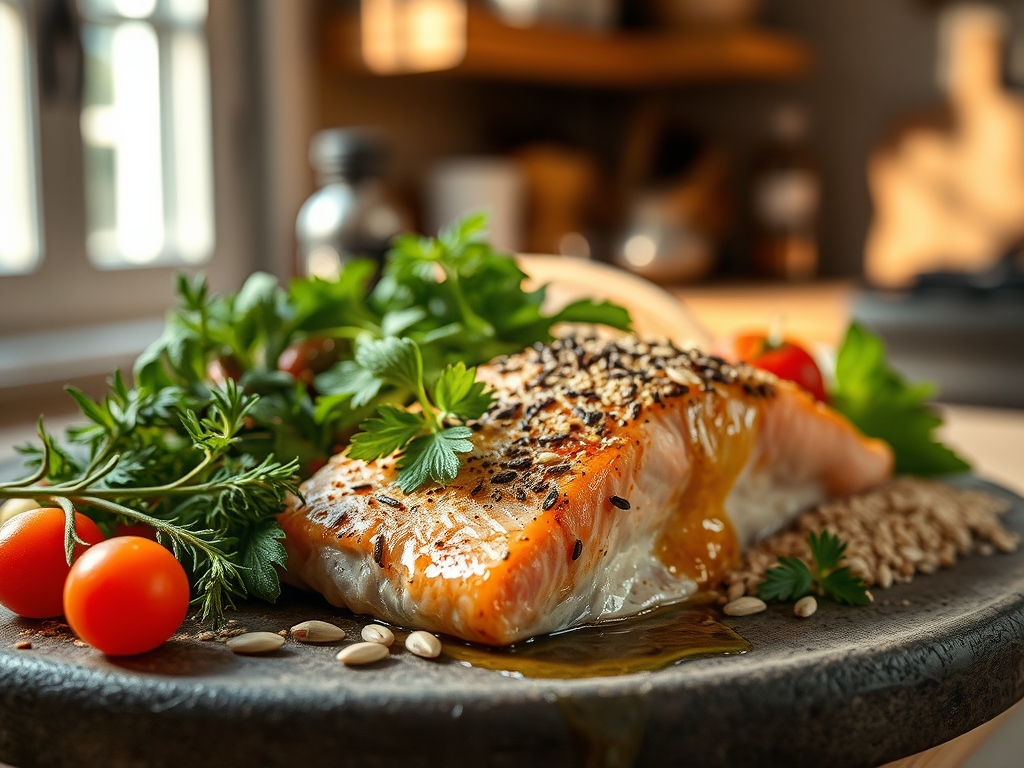
To execute these interesting baked salmon recipes, your mise-en-place must be precise. Professional cooking is about the preparation of components before the heat ever touches the pan. Start with high-quality, center-cut fillets. Look for vibrant color and a firm, springy texture. You will need a microplane for zesting citrus and grating aromatics like ginger and garlic into a fine, viscous paste. A digital scale is your best friend here; measuring ingredients by weight ensures the salinity levels in your marinades are perfectly balanced every single time.
Gather your fats and acids. You will want a high-smoke point oil like avocado oil for high-heat roasting, and a premium grass-fed butter for finishing. For the acids, think beyond lemons. Verjuice, yuzu juice, and aged balsamic vinegar provide a piquant brightness that cuts through the oily richness of the fish.
Smart Substitutions:
If you are out of honey for a glaze, use agave nectar or a dark maple syrup; both contain the reducing sugars necessary for the Maillard reaction. If you lack panko for a crust, crushed pork rinds or toasted almond flour provide an excellent keto-friendly alternative that maintains structural integrity under heat. For those avoiding soy, coconut aminos offer a similar savory depth without the gluten or soy allergens.
The Clock
Efficiency in the kitchen is what we call "Chef's Flow." For these recipes, the active prep time is roughly 15 minutes. This includes your knife work and the emulsification of any sauces using a saucier or a small whisk. The "passive" time is where the magic happens.
Most interesting baked salmon recipes require a bake time of 12 to 15 minutes at 400 degrees Fahrenheit. However, if you are using a slow-roast method at 275 degrees, expect a 25-minute window. The flow should look like this: Preheat the oven first. While the oven reaches temp, prepare your aromatics. Season the fish at the very last second to prevent the salt from drawing out too much moisture before it hits the heat. This ensures the exterior sears while the interior remains succulent.
The Masterclass
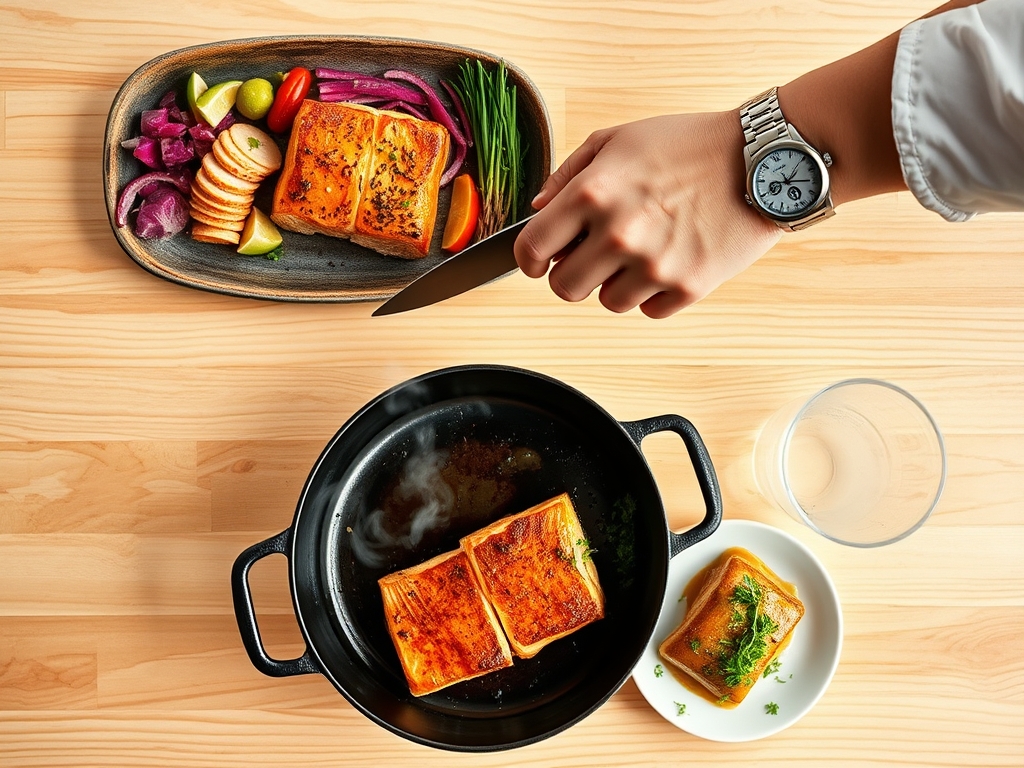
1. The Miso-Maple Glaze
Brush a mixture of white miso, maple syrup, and rice vinegar over the fillet. Use a silicone pastry brush to ensure even coverage.
Pro Tip: The sugars in the maple syrup and the proteins in the miso undergo the Maillard reaction rapidly. This creates a savory, umami-rich crust that protects the delicate fats underneath from overcooking.
2. The Pistachio and Herb Crust
Pulse roasted pistachios with parsley and lemon zest in a food processor until they reach a coarse sand texture. Press this firmly onto the salmon.
Pro Tip: The fats in the nuts act as a thermal insulator. This allows the fish to cook more evenly by slowing down the heat transfer to the center of the fillet.
3. The Mediterranean Parchment Fold
Place the salmon on parchment paper with cherry tomatoes, olives, and capers. Fold the paper into a sealed pouch (en papillote).
Pro Tip: This method uses steam conduction. The moisture trapped inside the pouch gently poaches the fish in its own juices, preventing the albumin (that white protein) from leaking out.
4. The Everything Bagel Roast
Coat the salmon in a thin layer of Dijon mustard and sprinkle heavily with everything bagel seasoning.
Pro Tip: The vinegar in the mustard acts as a denaturant. It slightly breaks down the surface proteins, allowing the seeds and salt to adhere better during the convection process.
5. The Chili-Lime Char
Rub the fish with chipotle powder, lime zest, and a touch of brown sugar. Bake at a high temperature on the top rack.
Pro Tip: High heat causes the sugars to caramelize and the chili oils to infuse into the top layers of the meat. This creates a smoky, spicy profile that is balanced by the acidity of the lime.
6. The Harissa and Yogurt Swirl
Spread a thin layer of Greek yogurt mixed with harissa paste over the salmon.
Pro Tip: The lactic acid in the yogurt serves as a mild tenderizer. Additionally, the fats in the yogurt create a protective barrier that keeps the salmon incredibly moist even if the oven temperature fluctuates.
7. The Brown Butter and Sage Sear-Finish
Start the salmon in a heavy-bottomed skillet to crisp the skin, then transfer to the oven with butter and fresh sage leaves.
Pro Tip: As the butter solids brown, they create a nutty aroma. This process, known as pyrolysis, adds a sophisticated depth of flavor that complements the earthy sage.
The Deep Dive
When it comes to nutrition, salmon is a powerhouse. It is loaded with Omega-3 fatty acids, which are essential for brain health. A standard 6-ounce serving provides roughly 34 grams of high-quality protein. For those on specific diets, salmon is naturally Keto and Gluten-Free. To make it vegan, you can apply these same glazes to thick slabs of cauliflower or firm tofu, though the cooking times will vary.
The Fix-It:
If your salmon comes out dry, it is likely due to thermal carryover. Remember that the internal temperature will rise about 5 degrees after you remove it from the oven. Pull the fish when it hits 130 degrees Fahrenheit for a perfect medium-rare. If the skin is soggy, you likely didn't pat it dry enough. Use a paper towel to remove every trace of surface moisture before oiling. If the white albumin is leaking out, your oven is too hot; lower the temp and try a slower roast next time.
For meal prep, reheating salmon can be tricky. The secret is to avoid the microwave. Use a toaster oven at a low setting or eat it cold over a salad. If you must microwave it, use the 50 percent power setting to avoid "exploding" the delicate fat cells.
The Wrap-Up
Mastering interesting baked salmon recipes is about more than just following a list of ingredients; it is about understanding the physics of heat and the chemistry of flavor. By using tools like a microplane and a digital scale, you elevate your cooking from guesswork to a science. These seven ideas are just the beginning of your journey. Take these techniques, play with the acids and aromatics, and turn your kitchen into a laboratory of deliciousness. You have the skills; now go make something incredible!
The Kitchen Table
How do I keep salmon from sticking to the pan?
Always use parchment paper or a well-seasoned heavy-bottomed skillet. Ensure the pan is preheated before adding the fish. Patting the skin completely dry with paper towels creates a non-stick barrier of rendered fat during the baking process.
What is the white stuff on baked salmon?
That white substance is albumin. It is a harmless protein that pushes to the surface when the muscle fibers contract too quickly. To minimize this, cook the salmon at a lower temperature or avoid overcooking it past medium-rare.
Can I bake salmon from frozen?
Yes, but for the best texture, thaw it first. If baking from frozen, use the en papillote method to trap moisture. This prevents the outside from drying out while the center is still defrosting and cooking.
How do I know when salmon is done?
The most reliable method is using a digital thermometer to check for an internal temperature of 130 to 135 degrees Fahrenheit. Alternatively, the fish should easily flake with a fork and appear opaque rather than translucent in the center.