
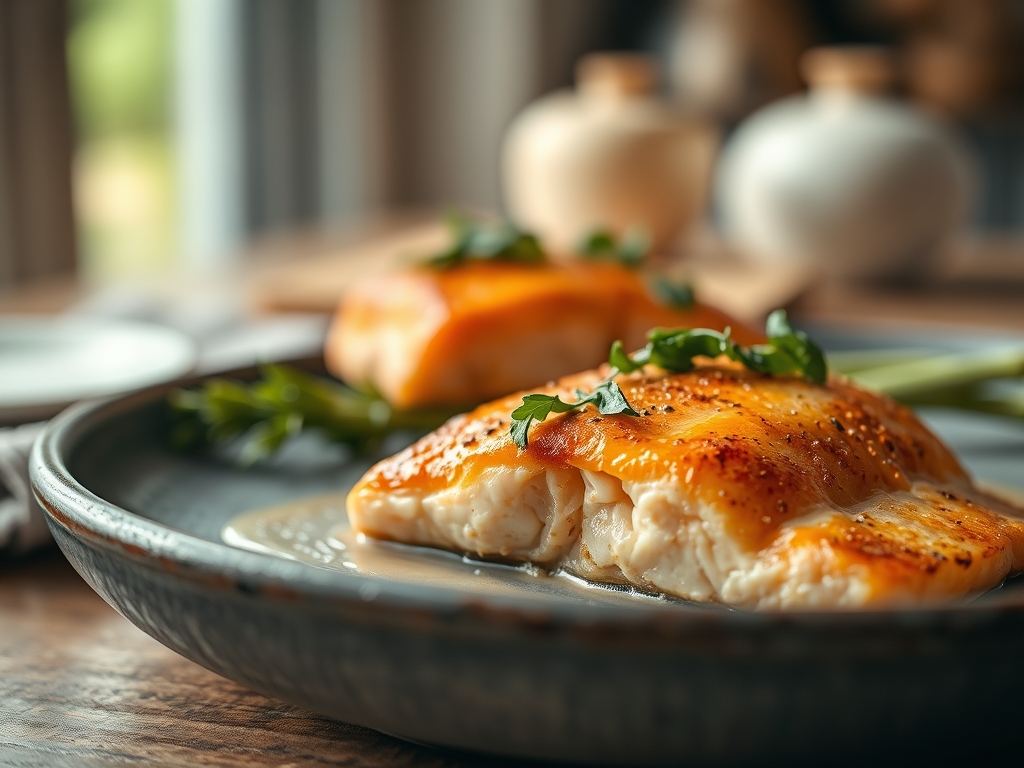
Imagine the scene: you just walked through the door after a day that felt twelve hours too long. Your stomach is growling; your energy is flagging; and the only protein in the house is a rock-solid block of ice in the freezer. Do not panic. Mastering frozen salmon recipes baked to perfection is your new culinary superpower. We are skipping the tedious three-hour thaw and moving straight to a dinner that rivals a high-end bistro. We are talking about succulent, flake-apart fillets with a crust so piquant and golden it defies the laws of thermodynamics.
The secret lies in understanding that ice is not your enemy; it is actually a protective shield that prevents the delicate omega-3 fatty acids from oxidizing too quickly. When you learn the specific thermal transitions required for frozen salmon recipes baked from scratch, you unlock a world of convenience without sacrificing a single ounce of luxury. This is not just a "quick fix" for a Tuesday night. This is a scientific approach to moisture retention and enzymatic control. Grab your apron and your favorite digital thermometer; we are about to transform a frozen slab into a masterpiece of texture and flavor.
The Gathers:
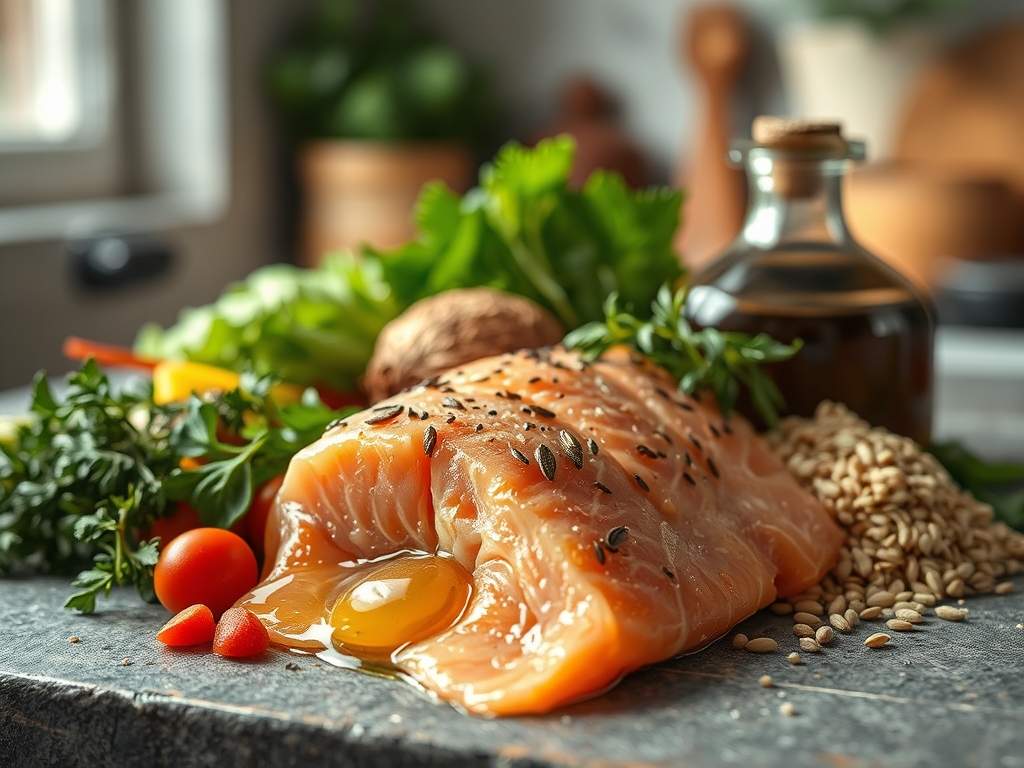
To achieve a restaurant-grade result, your mise-en-place must be precise. You will need four center-cut frozen salmon fillets, roughly six ounces each. Look for wild-caught varieties like Sockeye or King; they possess a more viscous fat content that stands up better to the intense heat of the oven. You will also need high-quality fats. Reach for unsalted European butter for its lower water content or a cold-pressed avocado oil with a high smoke point.
For the flavor profile, gather fresh aromatics. You need a head of garlic to be smashed with a bench scraper, fresh dill, and a lemon to be zested with a microplane. The salt is non-negotiable; use flaky Maldon or a fine sea salt to ensure even distribution. Smart Substitutions: If you are out of fresh herbs, a concentrated pesto or a dry rub of smoked paprika and cumin works wonders. If you need to avoid dairy, use a high-quality tahini to create a creamy, nut-based crust that mimics the richness of butter while adding a delightful earthy note.
The Clock:
Efficiency is the soul of a great kitchen. The "Chef's Flow" for this recipe is designed to minimize downtime. You will spend exactly five minutes on active prep: essentially just unwrapping the fish and whisking your glaze in a small saucier. The total cook time is approximately 20 to 25 minutes, depending on the thickness of your fillets.
The first 10 minutes are dedicated to the "steam phase," where the oven heat gently releases the surface ice. The final 12 minutes are the "searing phase," where we introduce the glaze and crank the heat to trigger the Maillard reaction. While the fish is in its final stretch, you have a perfect 10-minute window to toss a crisp salad or steam some asparagus. This is a 30-minute meal that tastes like a two-hour labor of love.
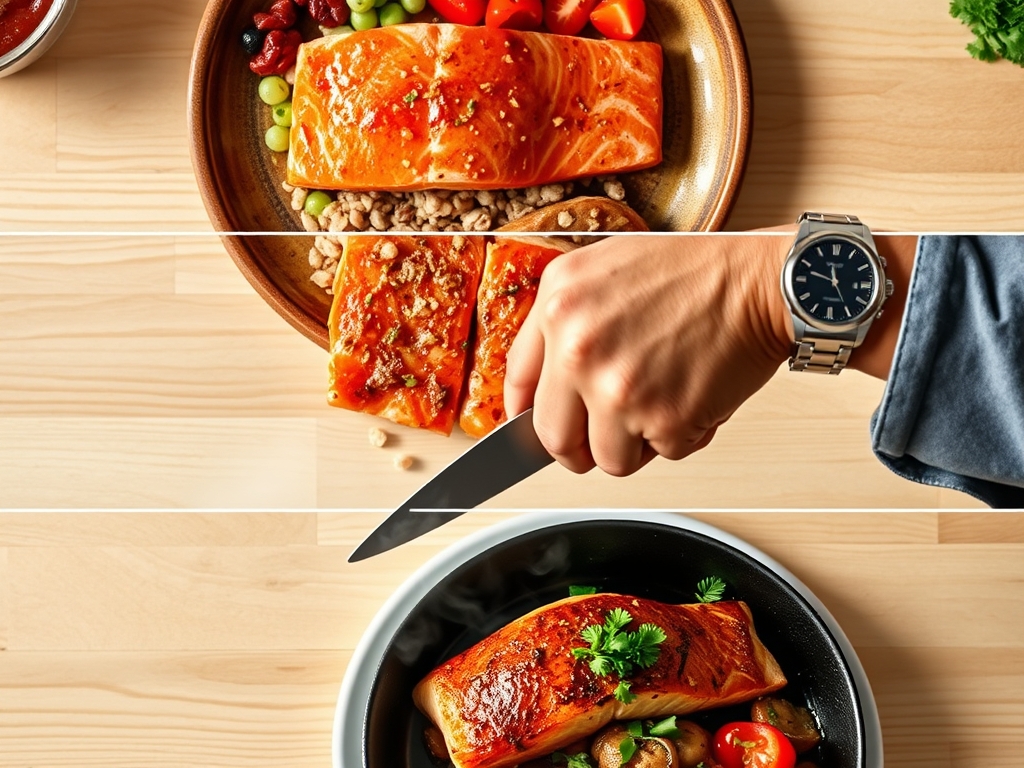
The Masterclass:
1. The Initial Rinse and Pat
Remove the salmon from its vacuum packaging and run it under cold water for 30 seconds to remove any surface frost. Use heavy-duty paper towels to pat the skin and flesh bone-dry.
Pro Tip: This prevents evaporative cooling. If the surface is wet, the oven's energy is wasted turning water into steam rather than browning the proteins.
2. The Foil Tent Technique
Place the frozen fillets on a parchment-lined baking sheet. Cover the entire tray tightly with aluminum foil. Bake at 425 degrees Fahrenheit for 10 minutes.
Pro Tip: This creates a controlled micro-environment. The internal ice crystals sublimate into steam, thawing the center of the fish gently without overcooking the exterior.
3. The Glaze Application
While the fish thaws, use a small whisk to combine melted butter, lemon zest, and minced garlic in a saucier. Remove the foil from the salmon and brush this mixture generously over the semi-thawed flesh.
Pro Tip: Fat is a thermal conductor. By applying a lipid layer now, you facilitate a more even heat distribution across the uneven surface of the fillet.
4. The High-Heat Roast
Return the uncovered tray to the oven. Increase the temperature to 450 degrees if your oven has a strong convection fan. Roast for another 10 to 12 minutes.
Pro Tip: This stage triggers enzymatic browning. The sugars in the lemon and the amino acids in the fish bond to create hundreds of new flavor compounds.
5. The Aromatics Infusion
In the last three minutes of cooking, scatter fresh dill and thin lemon slices directly onto the fillets. Use tongs to press them slightly into the surface.
Pro Tip: Essential oils in herbs are volatile. Adding them at the end ensures they infuse the fish with scent without burning and becoming bitter.
6. The Carryover Rest
Remove the tray from the oven when a digital scale or thermometer reads 135 degrees Fahrenheit at the thickest part. Transfer to a warm plate and let it sit for five minutes.
Pro Tip: This accounts for thermal carryover. The internal temperature will rise about 5 degrees while resting, bringing the salmon to a perfect, buttery 140 degrees.
7. The Acid Finish
Just before serving, use a microplane to grate a fresh dusting of horseradish or extra lemon zest over the top.
Pro Tip: A hit of fresh acid or heat at the very end cuts through the viscous fats and brightens the overall palate.
8. The Texture Check
Use a fork to gently flake the edge. It should resist slightly then give way to a translucent, moist center.
Pro Tip: If the fish exudes a white substance called albumin, you have overcooked it. Albumin is a protein that is squeezed out when muscle fibers contract too tightly from heat.
The Deep Dive:
From a nutritional standpoint, salmon is a powerhouse. A single six-ounce serving provides roughly 34 grams of high-quality protein and over 100 percent of your daily Vitamin B12. It is naturally Keto-friendly and Gluten-Free. For a Vegan alternative, this baking technique works surprisingly well with thick slabs of "watermelon tuna" or extra-firm tofu, though you should reduce the cook time by half.
The Fix-It:
- Soggy Skin: If your skin isn't crispy, it means there was too much moisture. Next time, place the fish on a wire rack over the baking sheet to allow hot air to circulate underneath.
- Uneven Cooking: If the thin tail is dry while the center is raw, tuck the thin end under itself to create a uniform thickness.
- Fishy Odor: This is caused by trimethylamine. To fix it, soak the frozen fillets in a bit of milk for 10 minutes before baking; the proteins in the milk bind to the odorous compounds and wash them away.
For Meal Prep, do not microwave your leftovers. The high frequency vibrates water molecules so violently that it toughens the fish. Instead, flake the cold salmon into a pasta or salad, or reheat it in a 300-degree oven with a splash of water and a tight foil lid to maintain "day-one" moisture.
The Wrap-Up:
There you have it; the definitive guide to making frozen salmon recipes baked with the precision of a professional chef. No more waiting for things to defrost or settling for rubbery, uninspired seafood. By mastering the transition from ice to heat and utilizing the right tools like your microplane and tongs, you can turn a freezer staple into a gourmet event. It is smart, it is fast, and it is scientifically backed to be delicious. Now go forth and conquer that freezer!
The Kitchen Table:
Can I bake salmon directly from the freezer?
Yes. Baking from frozen preserves the moisture levels within the fish. By using a two-stage heating process; first covered to steam, then uncovered to sear; you achieve a tender interior and a perfectly browned, flavorful exterior without the need for prior thawing.
How do I know when baked frozen salmon is done?
The most reliable method is using a digital thermometer. Aim for an internal temperature of 135 to 140 degrees Fahrenheit. The flesh should be opaque and flake easily with a fork when gently pressed at the thickest part of the fillet.
Why is my salmon oozing white stuff?
That white substance is called albumin. It is a harmless protein that pushes to the surface when the muscle fibers contract too quickly from high heat. To minimize this, avoid overcooking and try a quick brine in salt water before baking.
What is the best temperature for baking frozen salmon?
Start at 425 degrees Fahrenheit. This high heat is necessary to move the fish through the "danger zone" quickly and to create the steam needed for thawing. It also ensures the surface undergoes the Maillard reaction for a savory, golden crust.