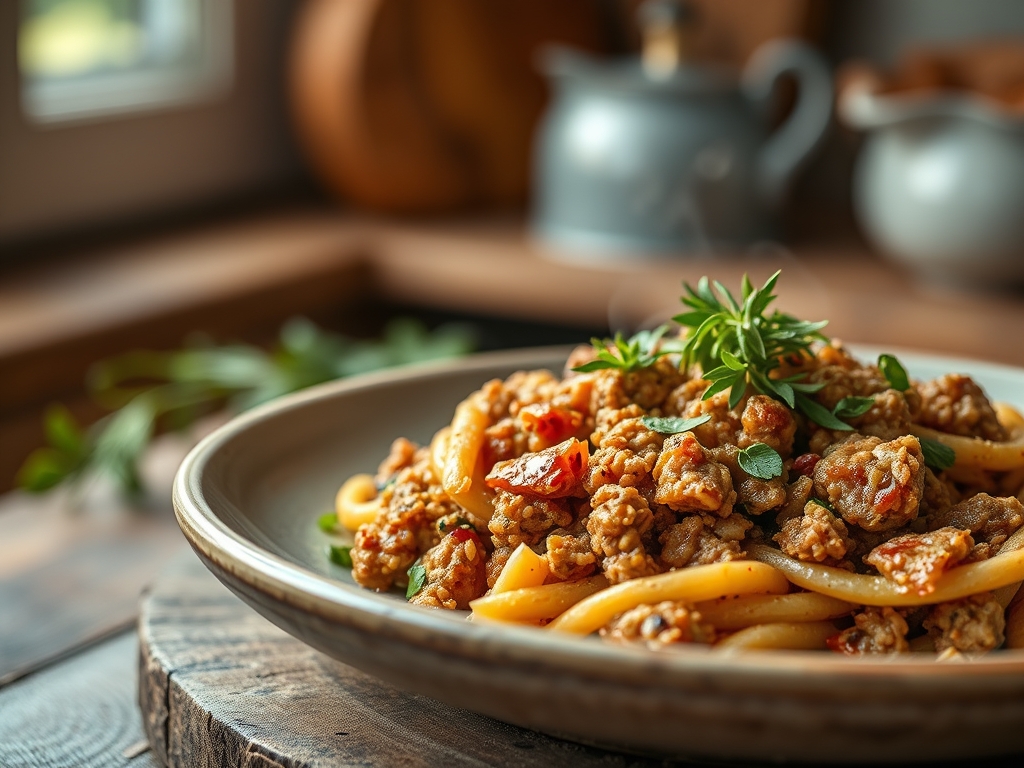
Imagine the sizzle of a heavy bottomed skillet meeting a cold swirl of olive oil; it is the sound of a weeknight transformation. We have all been there, staring at a pale package of poultry and wondering how to make it sing. The secret is that ground chicken is a blank canvas for flavor, provided you understand the chemistry of moisture and heat. Finding ground chicken recipes easy enough for a Tuesday but sophisticated enough for a dinner party is the ultimate culinary hack. This protein is leaner than beef and more delicate than pork; it requires a deft hand and a bit of scientific intuition to prevent it from becoming a dry, crumbly mess. Today, we are moving beyond the basic burger. We are diving into a world of emulsified fats, aromatic infusions, and high heat searing. By the end of this guide, you will be the master of eight distinct profiles, ranging from piquant Thai basil stir-fries to silky, herb-flecked Mediterranean meatballs. Get ready to elevate your kitchen game with techniques that turn humble ingredients into five star results.
The Gathers:
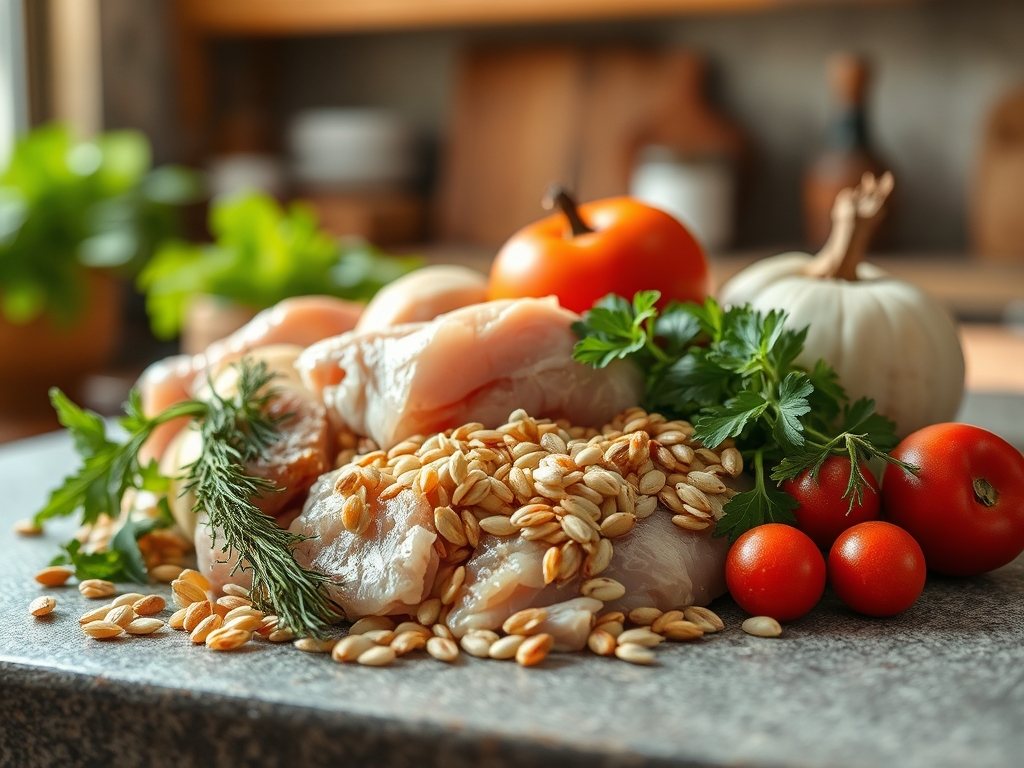
Before we ignite the burners, we must respect the mise en place. Ground chicken lacks the intramuscular fat of red meat, meaning we must introduce moisture and texture through our secondary ingredients. Lay out your aromatics: finely diced shallots, garlic cloves ready for the microplane, and fresh ginger. You will need a binding agent to maintain structural integrity. I prefer panko breadcrumbs soaked in a splash of heavy cream; this creates a panade that keeps the meat tender during the protein denaturation process.
For your "Smart Substitutions," consider the texture. If you are out of fresh ginger, a dash of ground galangal offers a similar woody heat. If you need to keep things low carb, swapped panko for crushed pork rinds or almond flour. Always keep a bottle of high quality fish sauce or liquid aminos nearby. These liquids are rich in glutamates, which provide the umami depth that chicken often lacks on its own. Finally, ensure your fats are ready. Because chicken is lean, using a high smoke point oil like avocado oil or ghee is essential for achieving that golden brown crust without burning the delicate meat fibers.
The Clock:
Efficiency in the kitchen is all about the "Chef's Flow." Most of these ground chicken recipes easy variations require only 15 minutes of active prep and 15 to 20 minutes of cooking. The trick is to utilize your downtime. While your skillet is preheating (a process that should take at least three minutes for even heat distribution), you should be chopping your garnish or whisking your finishing sauce.
Total time from fridge to table usually clocks in at 35 minutes. If you are meal prepping, double the batch. The thermal mass of a larger quantity of meat requires a wider pan to avoid crowding, which leads to steaming rather than searing. Remember, time is a variable, but temperature is a constant. Using a digital thermometer to pull your chicken at exactly 160 degrees Fahrenheit allows for thermal carryover to bring it to the safe 165 degree mark without drying it out.
The Masterclass:
1. The Sear and Deglaze
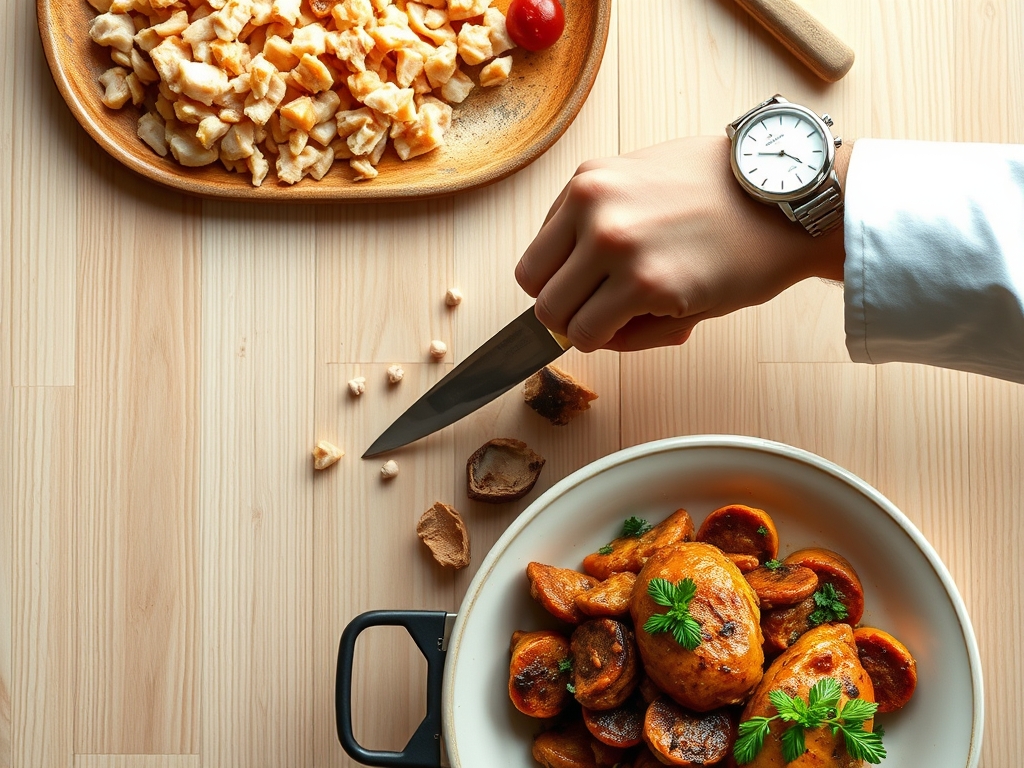
Start by heating your heavy bottomed skillet over medium high heat. Add your oil and wait for it to shimmer. Place the ground chicken in the pan, but do not break it up immediately. Let it sit for two minutes to allow the Maillard reaction to create a brown, flavorful crust. Once browned, flip and break it into large chunks with a stiff spatula.
Pro Tip: This delay in stirring prevents the release of excess moisture. If you stir too early, the meat will boil in its own juices, resulting in a gray texture rather than a savory, caramelized finish.
2. Aromatic Infusion
Push the meat to the perimeter of the pan, creating a "hot zone" in the center. Add your minced garlic, ginger, or shallots here. Use a microplane for the garlic to create a paste that integrates seamlessly. Stir these aromatics for 30 to 60 seconds until they become fragrant but not burnt.
Pro Tip: Fat is a carrier for flavor. By sautéing aromatics in the rendered chicken fat or added oil, you are undergoing fat soluble flavor extraction, which permeates the entire dish more effectively than adding spices at the end.
3. Emulsifying the Sauce
Once your aromatics are toasted, pour in your liquid components like soy sauce, chicken stock, or coconut milk. Use a wooden spoon to scrape the bottom of the pan, releasing the fond (the stuck on brown bits). Stir vigorously to combine the fats and liquids into a cohesive, viscous sauce.
Pro Tip: Deglazing is not just for cleaning the pan; it is a chemical process that incorporates concentrated proteins and sugars back into your sauce, significantly deepening the flavor profile.
4. The Gentle Fold
If you are making meatballs or patties, the mixing stage is critical. Use a light touch to combine the meat with your panade and seasonings. Overworking the meat will cause the proteins to cross link too tightly, leading to a rubbery, dense result.
Pro Tip: Keep your ingredients cold until the moment of mixing. Cold fat stays solid, creating tiny pockets of moisture as it melts during the cooking process, which results in a superior, airy mouthfeel.
The Deep Dive:
When we look at the macro nutrition of these ground chicken recipes easy staples, we see a powerhouse of lean protein. A standard four ounce serving provides roughly 24 grams of protein with significantly less saturated fat than ground beef. For those following specific diets, the swaps are simple. Keto followers should lean into heavy cream and brassicas like cauliflower. For a vegan alternative, although this guide focuses on chicken, many of these sauces work beautifully with crumbled extra firm tofu or tempeh.
The Fix-It:
- Dry Meat: If your chicken feels like sawdust, you likely overcooked it or used meat that was too lean. Fix this by folding in a tablespoon of Greek yogurt or a splash of chicken bone broth to rehydrate the proteins.
- Bland Flavor: If the dish lacks "pop," it likely needs acid. A squeeze of fresh lime or a teaspoon of rice vinegar will brighten the flavors and balance the fats.
- Sticking to the Pan: This usually happens if the pan wasn't hot enough or if you used a thin, non-conductive skillet. Next time, use stainless steel or cast iron and wait for the "bead test" where a drop of water dances on the surface.
Meal Prep Science: To maintain "day one" quality, reheat your chicken with a tablespoon of water and a cover. This creates a steam chamber that prevents the microwave from vibrating the water molecules out of the meat, which is what causes that dreaded "leftover" rubbery texture.
The Wrap-Up:
Mastering ground chicken is about more than just following a list; it is about understanding how heat and moisture interact with lean protein. By utilizing the Maillard reaction, proper deglazing, and careful temperature control, you can turn a budget friendly staple into a gourmet experience. Whether you are whipping up a spicy basil stir fry or a creamy lemon garlic pasta, these techniques ensure every bite is succulent and flavorful. Now, grab your favorite skillet and get cooking!
The Kitchen Table:
How do I keep ground chicken from being dry?
Incorporate a panade of breadcrumbs and milk or add moisture rich vegetables like grated zucchini. Always use a meat thermometer to pull the chicken at 160 degrees Fahrenheit, allowing carryover heat to finish the job without overcooking.
Can I freeze these ground chicken recipes?
Yes. Cooked ground chicken dishes freeze exceptionally well. Store them in airtight containers for up to three months. To maintain texture, thaw in the refrigerator overnight before reheating gently with a splash of liquid to restore moisture.
What is the best way to brown ground chicken?
Use a preheated heavy bottomed skillet and avoid crowding the pan. Let the meat sit undisturbed for two minutes to develop a deep brown crust via the Maillard reaction before breaking it into smaller pieces with a spatula.
Is ground chicken healthier than ground beef?
Generally, yes. Ground chicken is lower in total fat and saturated fat while providing high quality protein. It is an excellent choice for heart healthy diets, provided you balance the dish with plenty of fiber rich vegetables.