
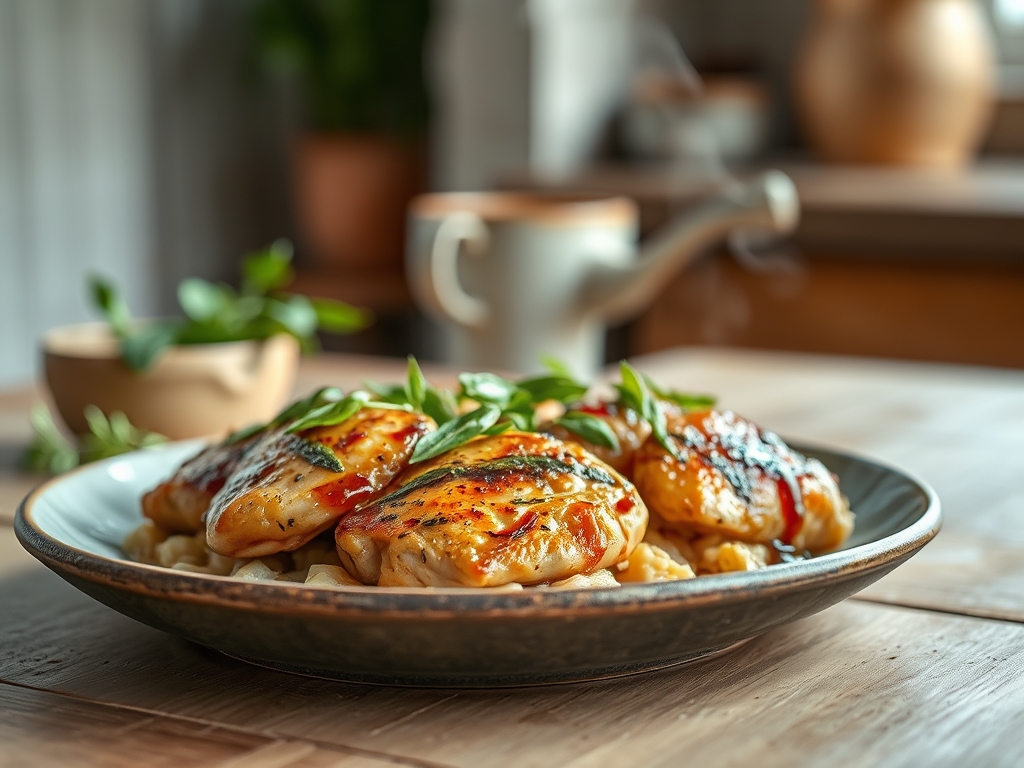
Picture the sound of a heavy bottomed skillet meeting a high flame; the rhythmic staccato of a chef knife hitting the board; and that golden, crackling skin that promises a perfect bite. We are diving deep into the world of wheat free chicken recipes today. This is not about deprivation; it is about the glorious science of flavor without the filler.
Whether you are navigating a sensitivity or just streamlining your macros, wheat free chicken recipes offer a masterclass in texture. We are swapping heavy breading for the crisp efficiency of tapioca starch and the nutty depth of almond meal. We are using acids to tenderize and fats to carry flavor. By the time we are done, you will realize that wheat was actually muting the vibrant, piquant notes of your poultry all along. Get ready to transform your kitchen into a high end bistro where the gluten is gone but the soul of the dish remains entirely intact.
The Gathers:
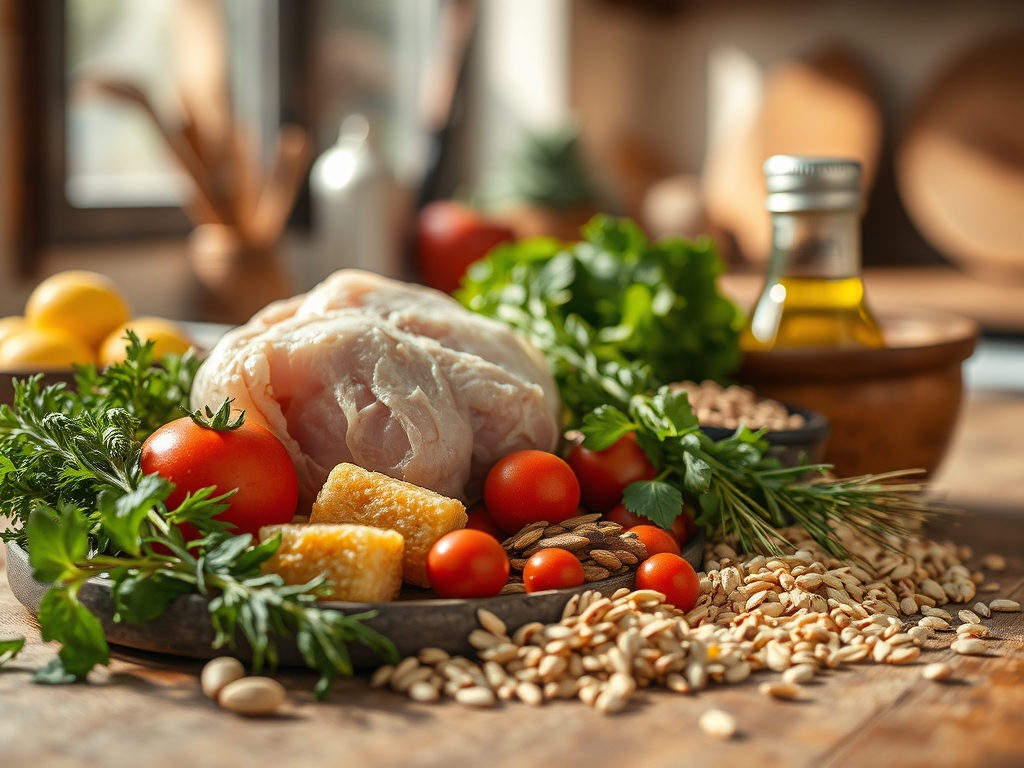
To execute these wheat free chicken recipes with precision, your mise en place must be impeccable. Start with the protein: air chilled chicken breasts and thighs. Air chilling is superior to water chilling because it prevents the meat from absorbing excess moisture; this ensures that when the protein hits the pan, it sears rather than steams.
Next, gather your smart substitutions. Instead of all purpose flour for dredging, we utilize arrowroot powder or potato starch. These starches have a lower scorching point and create a glass like crunch that stays crisp longer than wheat ever could. For thickening sauces in a saucier, we look to xanthan gum or a cold butter emulsification.
Your aromatics should be prepped using a microplane to maximize surface area, allowing garlic and ginger to infuse the fats almost instantly. Have your digital scale ready. Precision in measuring starches is the difference between a viscous, silky glaze and a gummy mess. Finally, keep your high smoke point oils; like avocado or grapeseed oil; within reach to facilitate the perfect Maillard reaction.
The Clock:
Mastering the "Chef's Flow" is about overlapping tasks to minimize downtime. For these recipes, expect a total active prep time of 20 minutes, with cook times ranging from 12 to 25 minutes depending on the cut.
The flow begins with the salt brine. Even a ten minute dry brine at room temperature allows salt to denature the protein strands, locking in moisture. While the chicken rests, you execute your vegetable prep. By the time your heavy bottomed skillet is screaming hot, your mise en place is complete. This synchronized approach ensures that the chicken finishes exactly as your reduction reaches its peak consistency, preventing the dreaded "soggy skin" syndrome caused by waiting around.
The Masterclass:
1. The Precision Sear
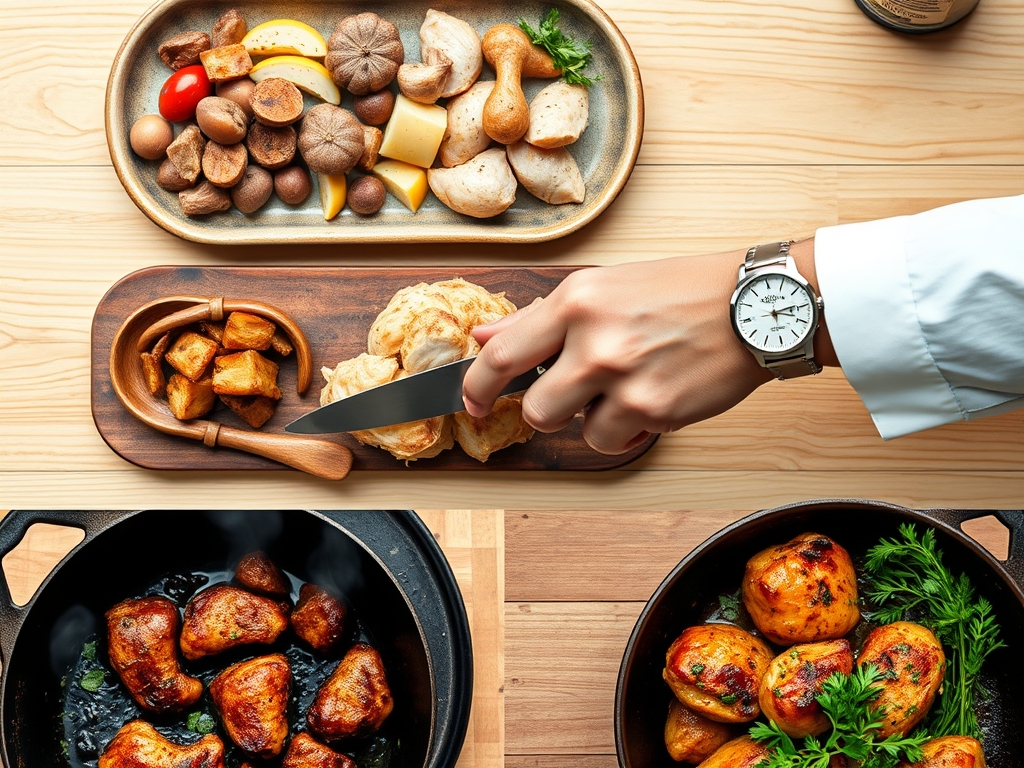
Pat the chicken bone dry with paper towels. Dust lightly with arrowroot powder and salt. Place the chicken skin side down in a hot skillet using tongs. Do not move it.
Pro Tip: This patience facilitates the Maillard reaction, a chemical reaction between amino acids and reducing sugars that creates the complex, savory flavors and brown crust characteristic of professional cooking.
2. The Deglaze and Emulsify
Once the chicken is removed, the pan will have "fond," those brown bits stuck to the bottom. Pour in a splash of dry white wine or stock and use a wooden spoon to scrape.
Pro Tip: Deglazing captures concentrated flavor. Whisking in cold butter at the end creates a temporary emulsion, where the fat molecules are suspended in the liquid, resulting in a glossy, viscous sauce without needing flour.
3. The Gentle Poach
For shredded chicken recipes, submerge the meat in a flavorful liquid kept just below a simmer (around 170 degrees Fahrenheit).
Pro Tip: Keeping the temperature below boiling prevents the muscle fibers from contracting violently and squeezing out moisture. This preserves the interstitial juices, keeping the meat succulent.
4. The Aromatic Infusion
Heat your oil and add hard spices like peppercorns or star anise before adding the chicken.
Pro Tip: This is called tempering. Many flavor compounds are fat soluble rather than water soluble. Heating them in oil "blooms" the spices, allowing the volatile oils to infuse the entire dish.
5. The Thermal Rest
Remove the chicken when it is 5 degrees below your target internal temperature (160F for breasts, 170F for thighs). Transfer to a warm plate.
Pro Tip: This accounts for thermal carryover. The exterior of the meat is hotter than the interior; once removed from the heat, that energy continues to travel inward, finishing the cook perfectly without drying out the edges.
6. The Acidic Brightening
Just before serving, zest a lemon or add a teaspoon of apple cider vinegar over the finished plate.
Pro Tip: Acid acts as a flavor enhancer by balancing the richness of the fats. It stimulates the salivary glands, which makes the flavors of the chicken feel more "awake" on the palate.
The Deep Dive:
Macro Nutrition
Wheat free chicken recipes are naturally high in bioavailable protein and essential amino acids. By removing wheat, you often reduce the glycemic load of the meal. A standard 6 ounce serving of these recipes typically contains 45g of protein, 12g of healthy fats, and less than 5g of net carbohydrates, making them ideal for muscle recovery and blood sugar stability.
Dietary Swaps
- Vegan: Replace chicken with oyster mushrooms or extra firm pressed tofu. Use coconut aminos instead of fish sauce for that umami punch.
- Keto: Ensure your thickener is xanthan gum rather than arrowroot, as arrowroot is starch heavy.
- Paleo: Stick to almond flour for "breading" and avocado oil for high heat searing.
The Fix-It
- Rubbery Texture: This usually means the chicken was overcooked. Use a digital thermometer every time. If it happens, shred the meat and toss it in a high fat sauce to "mask" the dryness.
- Soggy Breading: You likely crowded the pan. This lowers the temperature and creates steam. Cook in batches to ensure dry heat contact.
- Bland Sauce: It needs salt or acid. Add a pinch of sea salt or a squeeze of lime to bridge the flavor gap.
Meal Prep and Reheating
To maintain "day one" quality, reheat chicken in a covered skillet with a tablespoon of water or broth over medium low heat. This creates a steam chamber that rehydrates the proteins. Avoid the microwave, which vibrates water molecules so violently they escape as steam, leaving your chicken "rubbery" and dehydrated.
The Wrap-Up:
You are now armed with the technical prowess to master wheat free chicken recipes like a seasoned pro. We have moved past simple "substitutions" and into the realm of molecular excellence. By understanding how starches behave, how heat transfers, and how acids balance, you have unlocked a level of cooking that is both healthy and high end. Go grab your tongs and that heavy skillet; it is time to make some magic happen. Your kitchen is waiting!
The Kitchen Table:
Why is my wheat free breading falling off?
Breading usually falls off because the chicken surface was too wet. Pat the meat completely dry with paper towels before dredging in starch. This ensures a tight molecular bond between the protein and the coating during the searing process.
Can I use cornstarch instead of flour?
Yes, cornstarch is an excellent wheat free substitute. It creates a crispier, more translucent crust than wheat flour. However, use about half the amount of cornstarch as you would flour, as it has double the thickening power.
What is the best wheat free thickener for gravy?
For a silky, professional gravy, use a slurry of arrowroot powder and cold water. Unlike cornstarch, arrowroot holds up better under acidic conditions and creates a glossy, clear finish that does not turn "chalky" when it cools.
How do I get crispy skin without flour?
The secret is salt and air. Salt the skin and leave the chicken uncovered in the fridge for two hours. This dehydrates the skin, allowing the fat to render quickly and the skin to crisp up beautifully through the Maillard reaction.