
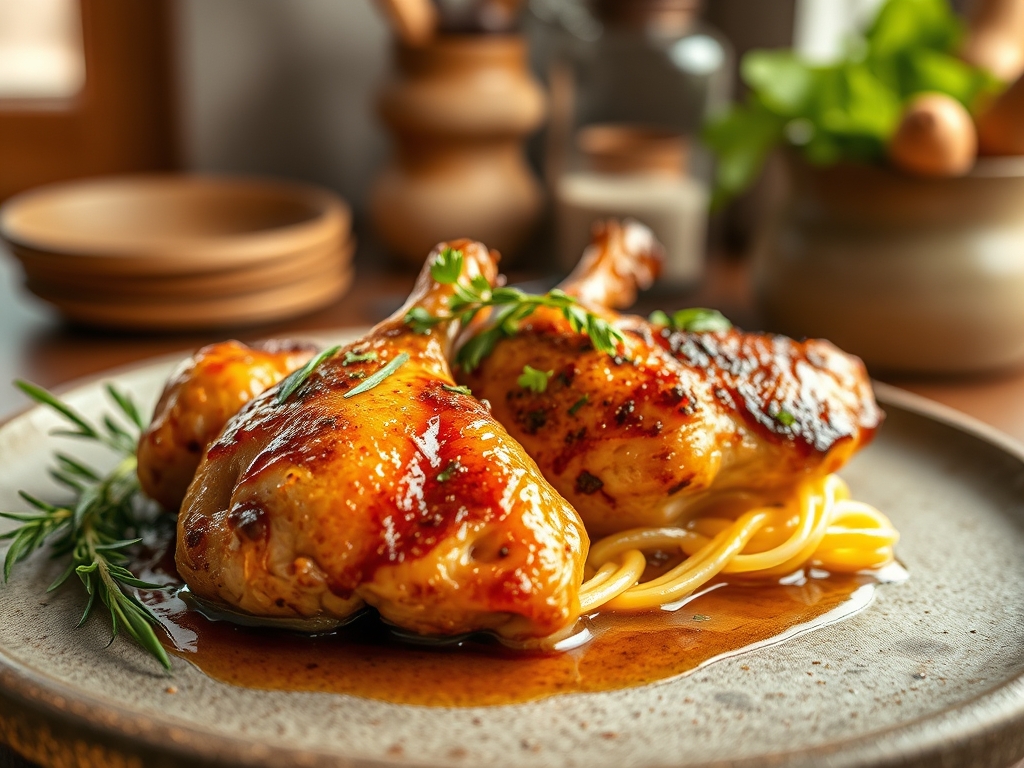
Picture the sound of a heavy-bottomed skillet meeting a high-flame burner; that sharp, rhythmic sizzle is the universal signal that something incredible is happening. We have all been there, staring at a pack of bland poultry breasts and wondering how to transform them into the kind of amazing chicken recipes that actually make people quiet down and eat. The secret is not just in the heat but in the chemistry of the spice cabinet. When you understand how volatile oils in dried herbs interact with the amino acids in the meat, you stop cooking and start engineering flavor. This is about more than just salt and pepper; it is about building layers of aromatic complexity that penetrate the protein rather than just sitting on the surface. By the time we are done today, you will have nine distinct hacks to turn every Tuesday night into a five-star experience. We are diving deep into the science of the sear and the magic of dry-brining to ensure your kitchen becomes the neighborhood gold standard for poultry.
The Gathers:
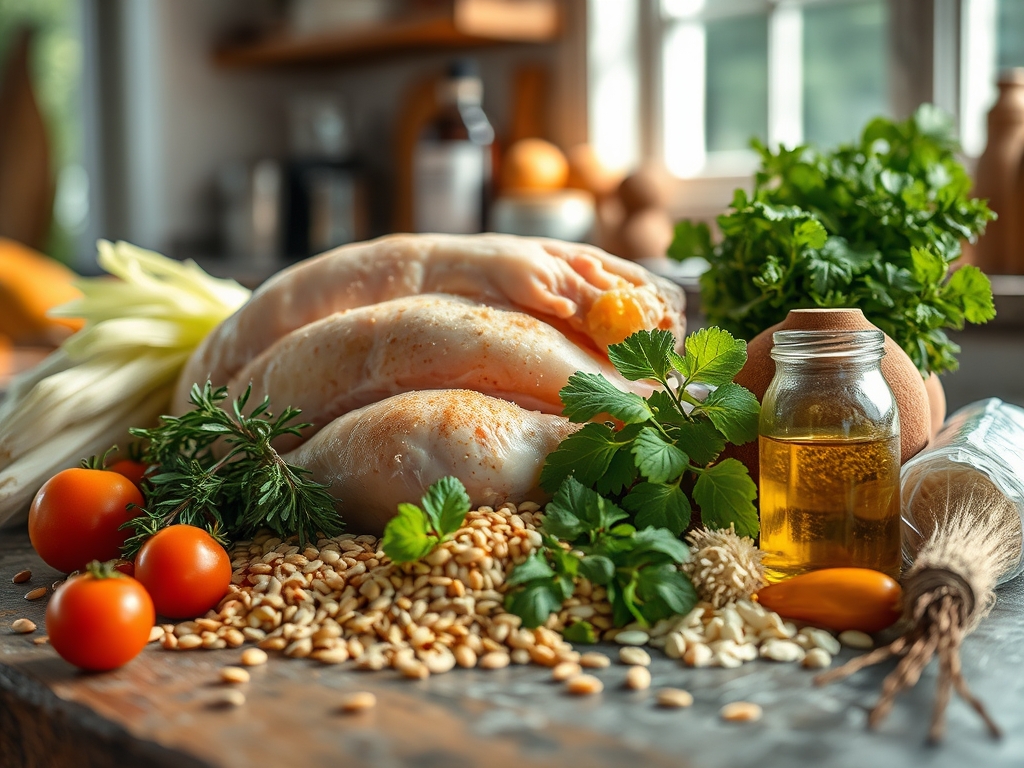
Your mise-en-place is the tactical foundation of any successful dish. For these amazing chicken recipes, you need to gather high-quality, whole-muscle poultry and a spectrum of dry spices that have not been sitting in your pantry since the last decade. Look for vibrant colors; paprika should be a deep, blood-red hue, not a dusty brown. You will also need a high-smoke-point fat, such as avocado oil or clarified butter, to facilitate the Maillard reaction without scorching the delicate spices.
Smart Substitutions:
If you lack a specific piquant element like cayenne, reach for Aleppo pepper or even a finely ground white pepper to maintain that back-of-the-throat heat. For those avoiding sodium, nutritional yeast provides a savory, umami-rich profile that mimics the depth of salt without the mineral hit. If you find yourself without fresh garlic, use a high-quality garlic powder but bloom it in a small amount of warm oil first to rehydrate the sulfurous compounds and remove that metallic "tinny" aftertaste often found in dried aromatics.
The Clock:
Mastering the "Chef's Flow" is about synchronizing your prep with the thermal reality of your ingredients. Your active prep time should take no more than fifteen minutes; this includes using a microplane for any fresh zest and a digital scale to ensure your spice ratios are precise.
The cooking phase generally spans twenty to thirty minutes depending on the cut. However, the most ignored part of the clock is the rest period. You must factor in a mandatory ten-minute rest post-heat. During this time, the muscle fibers, which have tightened and pushed moisture to the center, begin to relax and reabsorb those juices. If you cut too soon, you lose the viscous internal moisture that defines a premium bird. Total time from counter to table is roughly forty-five minutes of focused, intentional movement.
The Masterclass:
1. The Dry Brine Technique
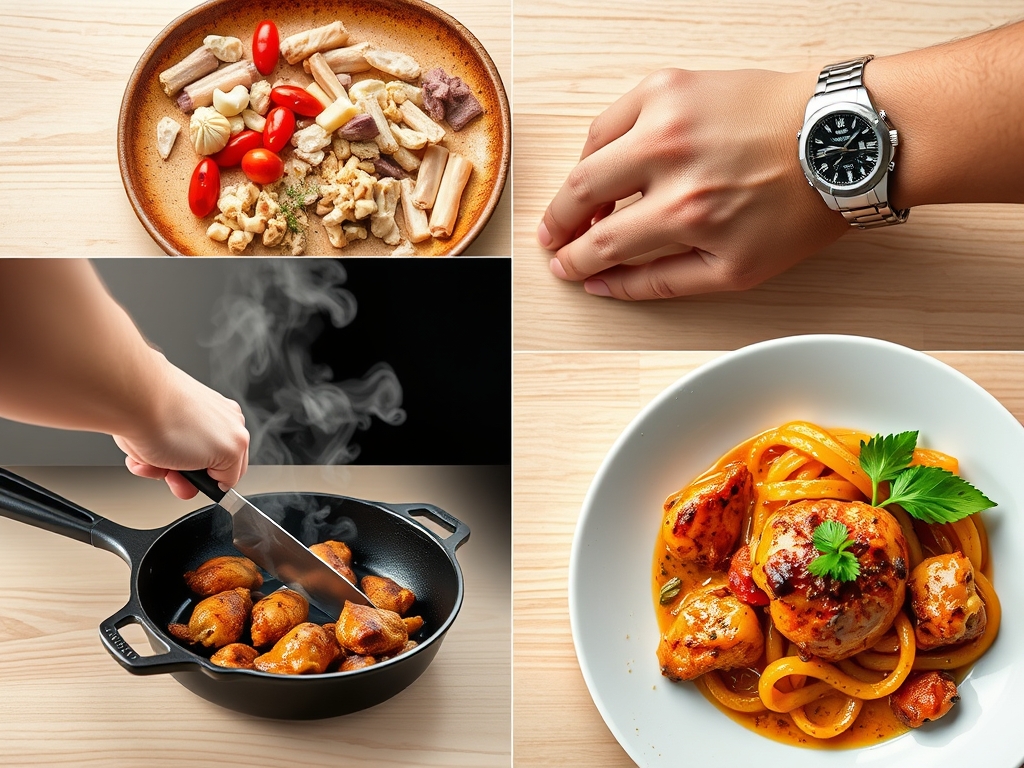
Before any heat touches the pan, coat your chicken in a mixture of kosher salt and your primary spices. Let it sit uncovered in the refrigerator for at least thirty minutes. Note the texture in the step-by-step photos below; the skin should look slightly translucent and tacky.
Pro Tip: This process uses osmosis to draw moisture out, dissolve the salt, and then pull that seasoned brine back into the cellular structure of the meat for deep seasoning.
2. Blooming Your Spices
Heat your heavy-bottomed skillet and add a tablespoon of oil. Toss in your dry spice blend for exactly thirty seconds before adding the chicken. You will smell the aroma intensify almost instantly.
Pro Tip: This is called tempering; the heat releases fat-soluble flavor compounds in spices like cumin and coriander that would otherwise remain trapped and tasteless.
3. The High-Heat Sear
Place the chicken skin-side down and do not touch it. Use your tongs only to check for release. If the meat sticks, the crust has not fully formed yet.
Pro Tip: This creates enzymatic browning, where sugars and amino acids rearrange to create hundreds of new flavor molecules that give the chicken its "roasted" profile.
4. Deglazing for Depth
Once the chicken is seared, remove it and add a splash of stock or wine to the pan. Use a bench scraper or wooden spoon to lift the brown bits from the bottom.
Pro Tip: Those brown bits are known as fond; they are concentrated "flavor bombs" that form a rich, complex base for any accompanying sauce.
5. The Butter Baste
In the final three minutes of cooking, drop a cold knob of butter and a sprig of thyme into the pan. Tilt the skillet and use a large spoon to continuously shower the chicken in the foaming fat.
Pro Tip: This is convection cooking within a fat medium; it ensures the exterior stays crisp while the interior reaches the perfect temperature through gentle heat transfer.
6. Monitoring Thermal Carryover
Pull your chicken off the heat when the digital thermometer reads 160 degrees Fahrenheit, not 165.
Pro Tip: Thermal carryover will cause the internal temperature to rise the final five degrees while the meat rests, preventing the protein from becoming stringy and dry.
7. Acidic Finishing
Just before serving, use a microplane to grate fresh lemon zest over the dish or add a tiny drop of high-quality vinegar.
Pro Tip: Acid acts as a flavor "brightener" by balancing the heavy fats and salt, making the individual spices pop on your palate.
8. Aerating the Sauce
If you made a pan sauce, use a small saucier and a whisk to incorporate a bit of cold butter at the very end.
Pro Tip: This creates a stable emulsion, giving the sauce a velvety, professional mouthfeel that coats the chicken rather than running off it.
9. The Rest Period
Transfer the chicken to a warm plate and tent it loosely with foil. Do not wrap it tightly, or the steam will soften that hard-earned crust.
Pro Tip: Resting allows the viscosity of the internal juices to increase, ensuring they stay inside the meat when you finally slice into it.
The Deep Dive:
When we look at the macro nutrition of these amazing chicken recipes, we are looking at a powerhouse of lean protein. A standard four-ounce serving provides roughly thirty-one grams of protein with minimal carbohydrates, making it a staple for metabolic health.
Dietary Swaps:
For a Keto version, lean heavily into the butter baste and avoid any sugar-based spice rubs. Vegan friends can apply these exact spice blooming and deglazing techniques to extra-firm tofu or seitan; the chemistry of spice-blooming remains the same regardless of the protein. For a Gluten-Free approach, ensure your spices are certified pure, as some pre-mixed rubs use flour as an anti-caking agent.
The Fix-It:
- Rub is Burning: If your spices are turning black, your pan is too hot. Immediately add a splash of room-temperature oil to lower the surface temperature.
- Soggy Skin: You likely crowded the pan. Cook in batches to ensure steam can escape; moisture is the enemy of the crunch.
- Bland Interior: You skipped the dry brine. Next time, season the meat at least four hours in advance to allow for deep salt penetration.
Meal Prep:
To maintain "day-one" quality when reheating, avoid the microwave. The microwave agitates water molecules, which toughens the protein fibers. Instead, use a toaster oven at 325 degrees with a teaspoon of water in the pan to create a gentle steam environment that rehydrates the meat without losing the sear.
The Wrap-Up:
You are now armed with the technical prowess to turn a simple bird into a culinary masterpiece. Remember, cooking is a series of controlled chemical reactions; by mastering the sear, the bloom, and the rest, you are elevating your kitchen game to a professional level. These amazing chicken recipes are your canvas. Do not be afraid to experiment with different aromatic profiles now that you have the foundational science down. Go grab your tongs, get that skillet screaming hot, and show that chicken who is boss!
The Kitchen Table:
How do I keep chicken breast from getting dry?
Dry-brine with salt for thirty minutes before cooking. This changes the protein structure to hold more moisture. Always use a digital thermometer to pull the meat at 160 degrees Fahrenheit, allowing carryover cooking to finish the job during the rest.
What is the best way to get crispy skin?
Ensure the skin is bone-dry before it hits the pan. Pat it with paper towels and leave it uncovered in the fridge. High heat and a heavy-bottomed skillet are essential for the Maillard reaction to create that golden, shatteringly crisp texture.
Can I use these hacks for frozen chicken?
You must thaw it completely first. Thawing in the fridge preserves the cell structure. If you cook from frozen, the exterior will overcook and burn before the center reaches a safe temperature, resulting in a rubbery, unevenly seasoned mess.
Why should I bloom my spices in oil?
Many flavor compounds in spices are fat-soluble, not water-soluble. Heating them in oil for thirty seconds releases these essential oils and aromatics, significantly intensifying the flavor profile of your amazing chicken recipes compared to just sprinkling them on top.