
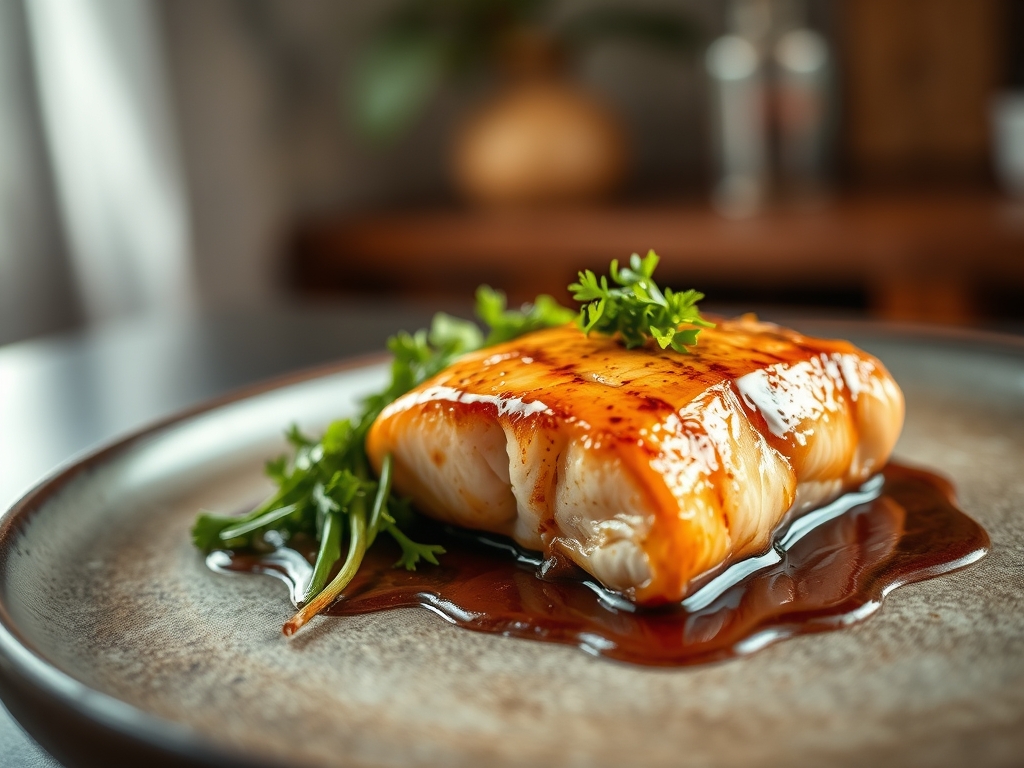
Picture this: a heavy-bottomed skillet sizzling on the stovetop while the scent of toasted sesame and fermented soy fills your kitchen. The salmon hits the pan with a distinct hiss, its skin crisping into a golden lattice while the flesh remains buttery and tender. When it comes to salmon recipes teriyaki glaze is the undisputed gold standard of weeknight luxury. It is the perfect marriage of Japanese umami and Western comfort; a dish that feels like a five-star indulgence but takes less time than ordering takeout. We are not just making dinner tonight; we are mastering the chemistry of the perfect sear and the physics of a reduction that clings to the fork. This is about transforming a simple fillet into a lacquered masterpiece through the power of heat and sugar. Whether you are a seasoned home cook or a total novice, these secrets will elevate your rotation. Grab your apron and your favorite tongs; we are diving deep into the science of the glaze.
The Gathers:
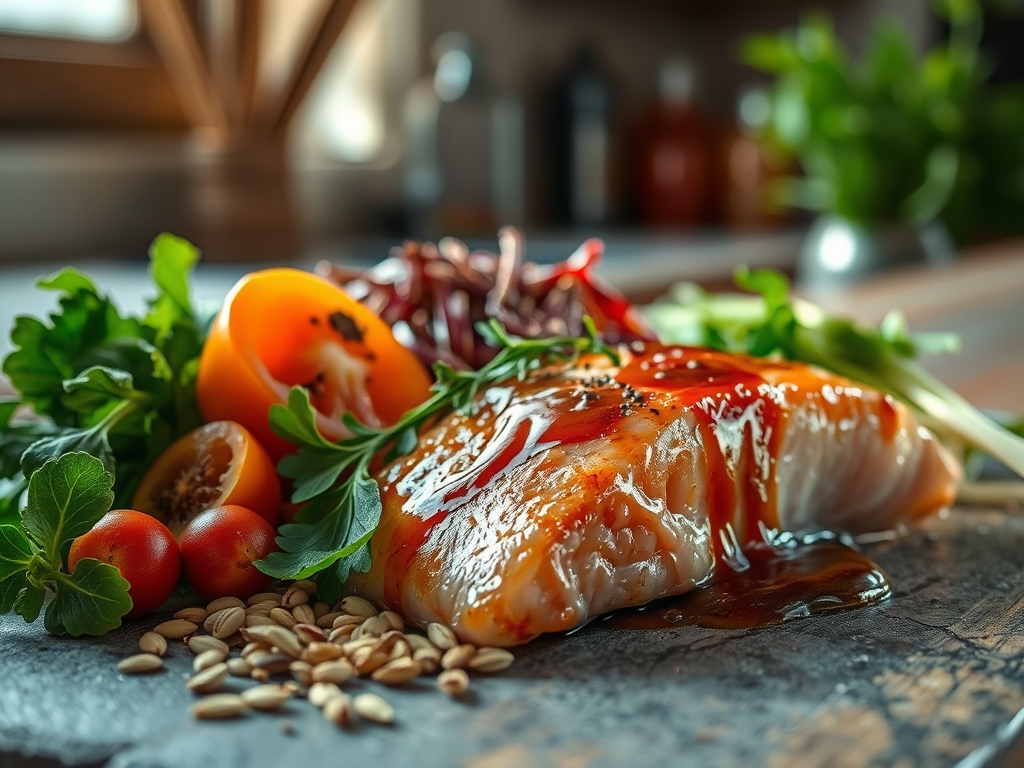
Before we ignite the flame, we must respect the mise-en-place. Your workstation should be a sanctuary of organized flavor. Start with center-cut Atlantic or King salmon fillets; these varieties offer the high fat content necessary to withstand high-heat searing without drying out. You will need high-quality shoyu (soy sauce) for that deep, fermented saltiness and mirin for a subtle, rice-wine sweetness. Do not reach for the powdered stuff; use a microplane to grate fresh ginger and garlic into a fine paste. This ensures the aromatics melt into the sauce rather than burning in the pan.
For the viscous texture we crave, have your brown sugar or honey ready alongside a splash of toasted sesame oil. If you want to get fancy, a dash of rice vinegar provides a piquant acidity that cuts through the fatty richness of the fish.
Smart Substitutions:
If you are avoiding soy, coconut aminos offer a similar depth with a lower glycemic index. For those watching their sugar, a monk fruit sweetener can mimic the caramelization of brown sugar, though you may need a tiny pinch of xanthan gum to achieve the same thick consistency. If mirin is missing from your pantry, a dry sherry mixed with a teaspoon of sugar serves as a brilliant technical stand-in.
The Clock: 25 Minutes to Perfection
Efficiency in the kitchen is all about the "Chef's Flow." You are looking at 10 minutes of active prep and 12 to 15 minutes of cooking. The secret is to start your glaze reduction while the salmon is still tempering on the counter. Cold fish hitting a hot pan causes the proteins to contract violently, pushing out moisture and resulting in a tough texture. By letting the fillets sit for 10 minutes, you ensure an even cook. While the salmon sears, your saucier should be bubbling away, concentrating those sugars into a thick syrup. This overlapping timeline ensures that the moment the fish reaches its target internal temperature, the glaze is at peak viscosity.
The Masterclass:
1. The Temper and Dry
Pat your salmon fillets bone-dry with paper towels. Any surface moisture will turn to steam, preventing the Maillard reaction from occurring. Let them sit at room temperature for 10 minutes.
Pro Tip: This is called thermal equilibrium. Reducing the temperature differential between the fish and the pan prevents the "albumin" (that white protein goo) from leaking out and ruining your aesthetic.
2. The Sear
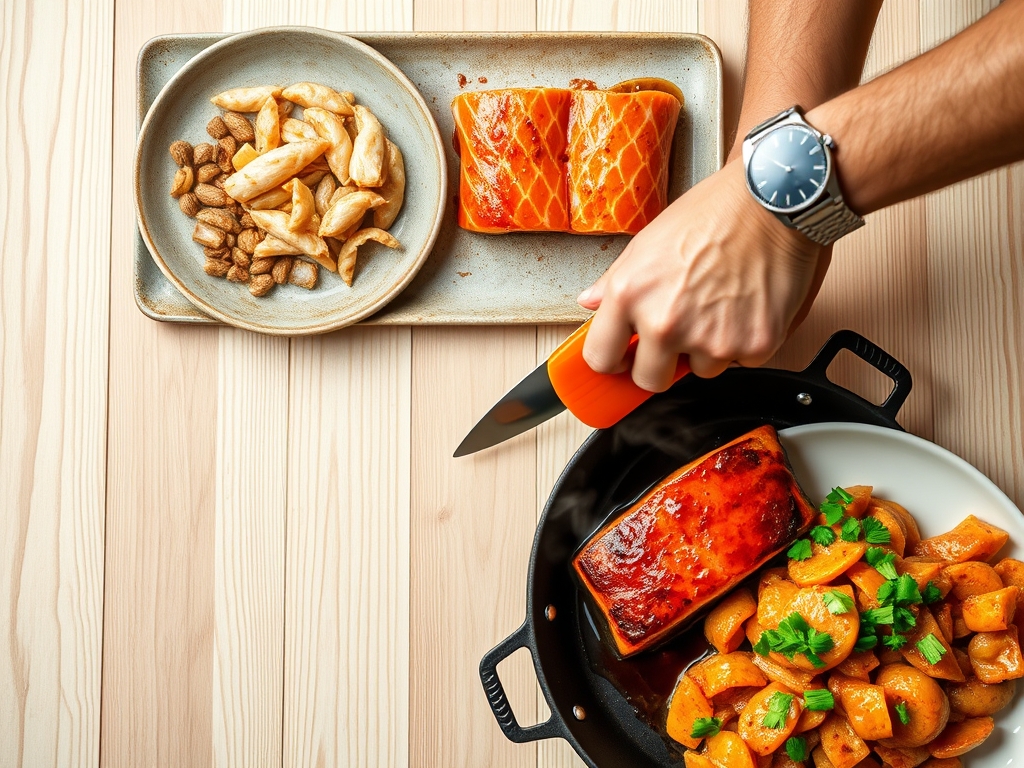
Heat a heavy-bottomed skillet over medium-high heat with a high-smoke-point oil like avocado or grapeseed. Place the salmon skin-side down and press firmly with a flexible spatula for 30 seconds.
Pro Tip: Pressing the fish prevents the skin from curling. This ensures maximum surface contact, allowing the collagen in the skin to gelatinize and then crisp into a cracker-like texture.
3. The Aromatics
Once you flip the fish, toss in your grated ginger and garlic. Move them around constantly so they infuse the oil without scorching.
Pro Tip: Garlic contains sulfur compounds that turn bitter if overcooked. Adding them halfway through the sear protects their delicate flavor profile while still mellowing their raw bite.
4. The Deglaze and Reduce
Pour your premixed soy, mirin, and sugar into the pan. Use a wooden spoon to deglaze, scraping up the fond (browned bits) from the bottom of the skillet.
Pro Tip: This is reduction chemistry. As water evaporates, the sugar and protein molecules become more concentrated, creating a glaze that coats the back of a spoon through simple molecular cohesion.
5. The Baste
Lower the heat and use a large spoon to continuously pour the bubbling glaze over the salmon. This is the "Arrosé" technique.
Pro Tip: Basting creates a thermal blanket. The hot liquid cooks the top of the fish gently while the sugar undergoes further caramelization, building layers of flavor without overcooking the center.
The Deep Dive:
From a macro perspective, this dish is a powerhouse. A standard 6-ounce fillet provides roughly 34 grams of high-quality protein and a significant dose of Omega-3 fatty acids. While the glaze adds carbohydrates, using honey or maple syrup provides trace minerals that refined white sugar lacks.
Dietary Swaps:
For a Keto version, replace the sugar with allulose and the mirin with a splash of rice vinegar and stevia. For a Vegan alternative, this exact glaze works wonders on thick slabs of "Lion's Mane" mushrooms or extra-firm tofu that has been pressed and seared.
The Fix-It: Troubleshooting Common Pitfalls
- The Glaze is Too Thin: If your sauce looks like soup, whisk a half-teaspoon of cornstarch with cold water (a slurry) and stir it in. The starch granules will swell and trap water, thickening the sauce instantly.
- The Skin is Soggy: This usually happens if you flip too early. Wait until the skin releases naturally from the pan. If it sticks, it is not done crisping.
- The Garlic is Burnt: If you see black specks and smell acridity, wipe the pan and start the sauce over. There is no saving burnt garlic; its bitterness will permeate the entire dish.
Meal Prep and Reheating:
To maintain "day-one" quality, store the glaze separately if possible. When reheating, avoid the microwave. Instead, use a toaster oven at 275 degrees Fahrenheit. This low-and-slow approach prevents the fats from oxidizing, which is what causes that "fishy" leftover smell.
The Wrap-Up:
Mastering salmon recipes teriyaki glaze is more than just following a list of ingredients; it is about understanding how heat interacts with protein and sugar. By focusing on the Maillard reaction, managing thermal carryover, and perfecting your reduction, you have moved beyond "cooking" and into the realm of culinary artistry. This dish is vibrant, sophisticated, and deeply satisfying. Now, plate it up with some steamed bok choy or fluffy jasmine rice, sprinkle some toasted sesame seeds on top, and enjoy the fruits of your scientific labor. You have officially earned your stripes in the kitchen tonight.
The Kitchen Table:
How do I keep salmon from sticking to the pan?
Ensure the pan is preheated until the oil shimmers. Pat the fish completely dry. Once placed, do not move the fillet for at least three minutes. The fish will naturally release once the skin has sufficiently crisped and dehydrated.
Can I make the teriyaki glaze in advance?
Absolutely. Simmer the ingredients until thickened, then store in a glass jar in the fridge for up to two weeks. This allows the flavors to mature and makes weeknight assembly incredibly fast and efficient for busy schedules.
What is the best internal temperature for salmon?
For a buttery, medium-rare texture, pull the salmon off the heat at 125 degrees Fahrenheit. Thermal carryover will bring it up to a perfect 130 or 135 degrees while it rests on the plate before serving.
Why is my teriyaki sauce too salty?
This usually happens if you use a "dark" soy sauce or reduce the sauce too far. Balance the salinity by adding a squeeze of fresh lime juice or a teaspoon of rice vinegar. The acidity neutralizes the perception of salt.