
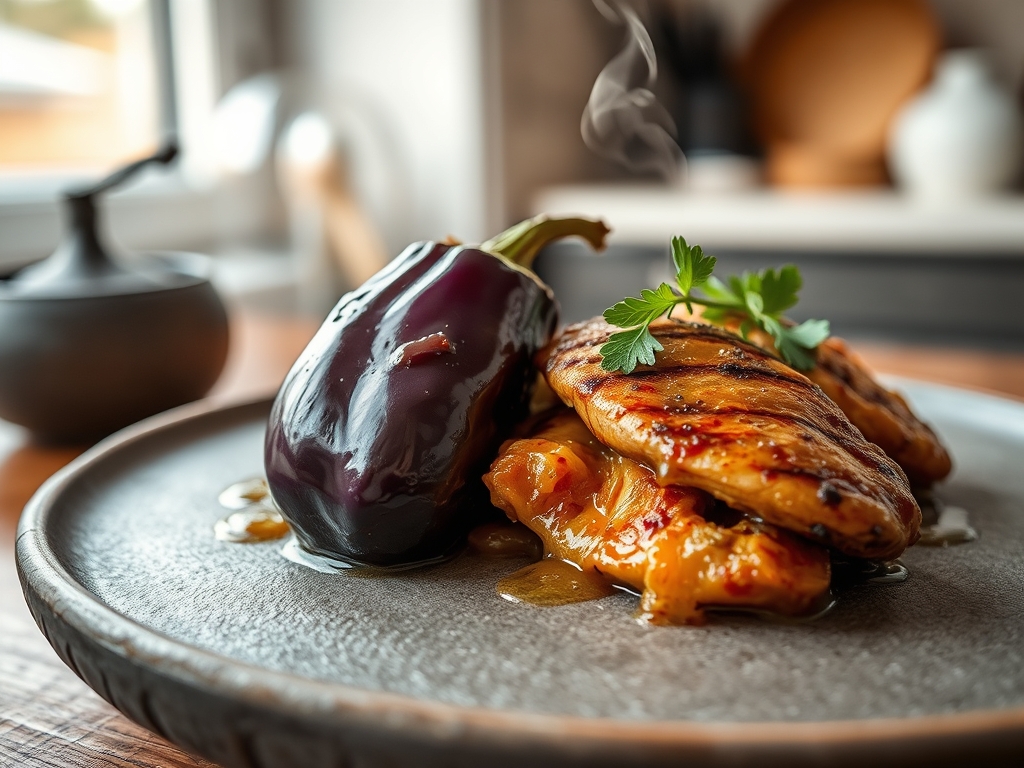
Picture a heavy-bottomed skillet where the high-heat sear of a chicken breast meets the velvety, sponge-like absorption of a charred globe eggplant. This is the ultimate culinary marriage of structure and softness. When you master eggplant and chicken recipes, you are balancing the lean protein of poultry with the rich, umami-heavy profile of a vegetable that behaves like a fat-carrier. It is a high-stakes game of moisture management and heat control.
The secret to why these two work so well lies in the cellular structure of the eggplant. Raw eggplant is essentially a network of air pockets. When heat is applied, those pockets collapse, creating a vacuum that hungrily pulls in the rendered fats and juices from the chicken. This creates a bite that is deeply savory and incredibly lush. Whether you are aiming for a piquant Mediterranean bake or a viscous, soy-glaze stir-fry, the chemistry remains the same. We are going to transform these humble ingredients into eight distinct, restaurant-quality profiles that will make your kitchen feel like a high-end bistro. Grab your apron; we are diving into the science of the sear.
The Gathers:
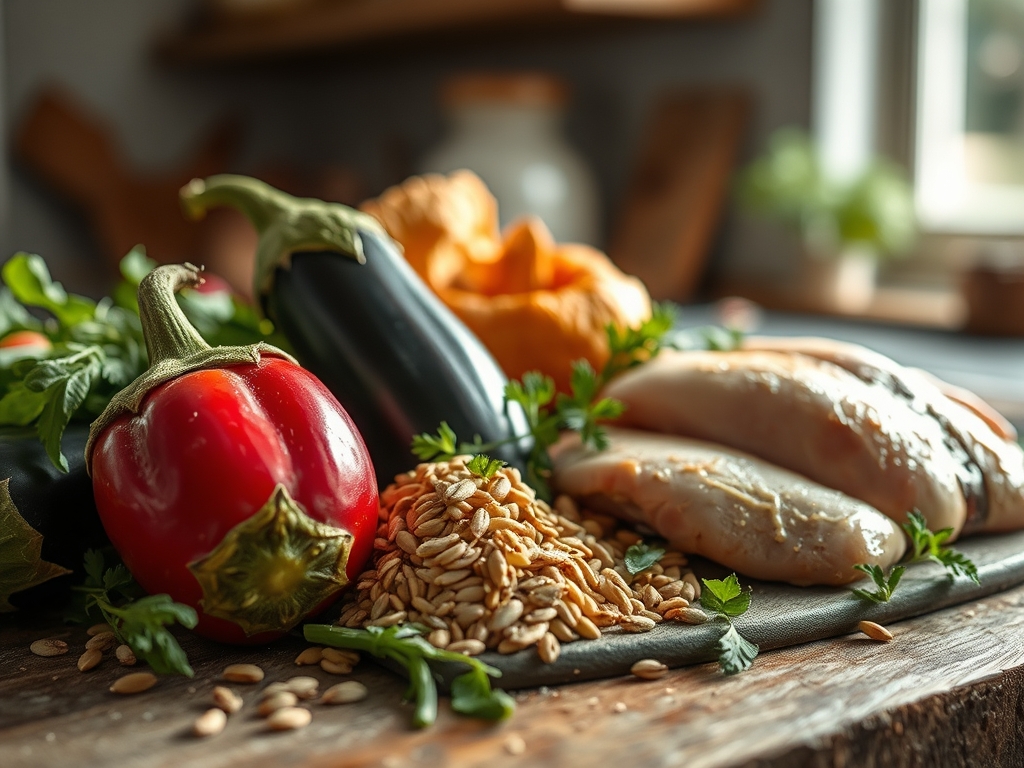
To execute these eggplant and chicken recipes with precision, your mise-en-place must be flawless. Start with your protein. I prefer boneless, skinless thighs for their higher fat content, which prevents drying during the long braising times eggplant often requires. If you use breasts, use a digital scale to ensure even portions for uniform thermal conductivity. For the eggplant, look for firm, heavy fruit with shiny skin; this indicates high moisture content and minimal seeds, which prevents a bitter finish.
Your aromatic base should include fresh garlic, ginger, or shallots, finely minced with a microplane to maximize surface area and flavor release. You will also need a high-smoke-point oil, such as grapeseed or avocado oil, to handle the intense Maillard reaction needed for the chicken. For the "Smart Substitutions," if you find yourself without globe eggplant, Japanese or Chinese varieties are excellent alternatives because they have thinner skins and a creamier interior. If you are avoiding nightshades entirely, zucchini can mimic the texture, though it lacks the same earthy depth. For a vegetarian pivot, firm tofu or tempeh can replace the chicken, provided you press them to remove excess water before searing.
The Clock
Efficiency in the kitchen is all about the "Chef's Flow." For most of these pairings, you are looking at a 15-minute prep window and a 25-minute cook time. Total investment: 40 minutes. The flow begins with the eggplant. Because eggplant is a botanical sponge, you must "sweat" it first. Slice your eggplant, salt it liberally, and let it sit for 10 minutes while you prep the chicken. This osmotic process draws out excess water and prevents the vegetable from becoming a greasy mess in the pan.
While the eggplant weeps, use your bench scraper to clear your board and move your diced chicken into a bowl for seasoning. By the time you have organized your saucier and tongs, the eggplant is ready to be patted dry and seared. This overlapping timeline ensures that no burner is cold and no minute is wasted. If you are meal prepping, you can double the batch; the structural integrity of both ingredients holds up remarkably well under refrigeration.
The Masterclass
1. The Osmotic Prep
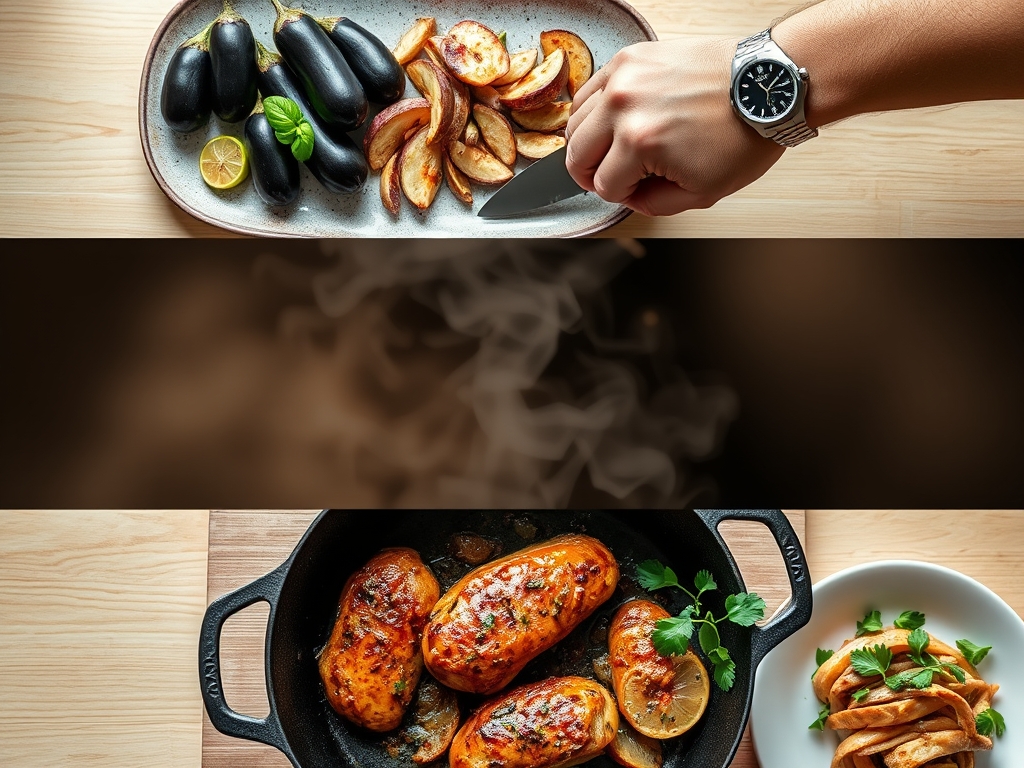
Begin by cubing your eggplant and dusting it with kosher salt. This is not just for seasoning; it breaks down the pectin in the cell walls. Let it sit for 10 minutes, then use a clean kitchen towel to press out the moisture.
Pro Tip: This process prevents enzymatic browning and ensures the eggplant fries rather than steams, leading to a crispier exterior and a buttery interior.
2. The Maillard Sear
Heat your heavy-bottomed skillet until the oil shimmers. Pat your chicken dry (moisture is the enemy of a crust) and drop it in. Do not crowd the pan. Sear until a golden-brown crust forms and the meat releases easily from the surface.
Pro Tip: The Maillard reaction only occurs at temperatures above 285 degrees Fahrenheit. If your pan is too cold, the chicken will boil in its own juices, losing that essential savory depth.
3. Deglazing the Fond
Once the chicken and eggplant are browned, remove them. You will see brown bits stuck to the bottom; this is "fond," or concentrated flavor. Pour in a splash of dry white wine or chicken stock and use a wooden spoon to scrape it up.
Pro Tip: Deglazing uses thermal shock to lift caramelized proteins into your sauce, creating a complex, layered flavor profile that cannot be replicated with salt alone.
4. The Emulsified Finish
Return the chicken and eggplant to the pan and add your liquid base (like coconut milk or tomato reduction). Stir in a cold pat of butter or a spoonful of tahini at the very end to finish the sauce.
Pro Tip: Adding fat at the end creates a stable emulsion. This coats the palate and carries the piquant notes of your spices across the tongue more effectively.
The Deep Dive
Nutritionally, eggplant and chicken recipes are a powerhouse. A standard serving offers roughly 35 grams of protein and 8 grams of fiber, with a modest 300 to 400 calories depending on your oil usage. For my Keto friends, this is a dream pairing; simply skip the cornstarch thickeners and lean into olive oil. If you are going Gluten-Free, ensure your soy sauce is replaced with tamari or coconut aminos.
Even the best chefs hit snags. If your eggplant is too oily, it means your pan temperature dropped; fix it by adding a splash of acid (lemon juice or vinegar) to cut through the grease. If your chicken is dry, you likely overshot the internal temperature; next time, pull it at 160 degrees Fahrenheit and let thermal carryover bring it to the safe 165 mark. For meal prep, reheat your dish in a skillet rather than a microwave. Microwaves vibrate water molecules, which can turn your eggplant into mush. A quick toss in a hot pan re-activates the fats and restores the "day-one" texture.
The Wrap-Up
There is something incredibly satisfying about turning two simple ingredients into a gourmet experience. Eggplant and chicken recipes are the ultimate canvas for your culinary creativity. You have the science, you have the tools, and you have the "Chef's Flow" to make it happen. Whether you are cooking for a date night or just treating yourself to a high-protein lunch, remember that heat control and moisture management are your best friends. Now, get that skillet screaming hot and show that eggplant who is boss!
The Kitchen Table
How do I stop eggplant from soaking up too much oil?
Salt the eggplant for 10 minutes to collapse its air pockets before cooking. This prevents the vegetable from acting like a sponge. Always ensure your pan and oil are shimmering hot before adding the eggplant to seal the surface instantly.
Can I cook eggplant and chicken in the same pan?
Yes, but cook them in stages. Sear the chicken first to develop a crust, remove it, then sauté the eggplant in the rendered fat. Combine them at the end with your sauce to ensure both components maintain their ideal textures.
Is it necessary to peel the eggplant for these recipes?
Peeling is optional. Smaller Japanese eggplants have tender skins that add great texture. For larger globe eggplants, the skin can sometimes be tough or bitter; if you prefer a silky, melt-in-your-mouth result, use a Y-peeler to remove the skin.
Why does my eggplant taste bitter?
Bitterness usually comes from older eggplants with many seeds. To fix this, choose firm, heavy fruit and use the salting method. The salt draws out the bitter polyphenols along with the excess water, resulting in a much sweeter flavor.
What is the best way to reheat chicken and eggplant?
Avoid the microwave to prevent sogginess. Instead, reheat the mixture in a heavy-bottomed skillet over medium heat with a teaspoon of water or stock. Cover the pan for two minutes to steam-heat the chicken without drying it out further.