
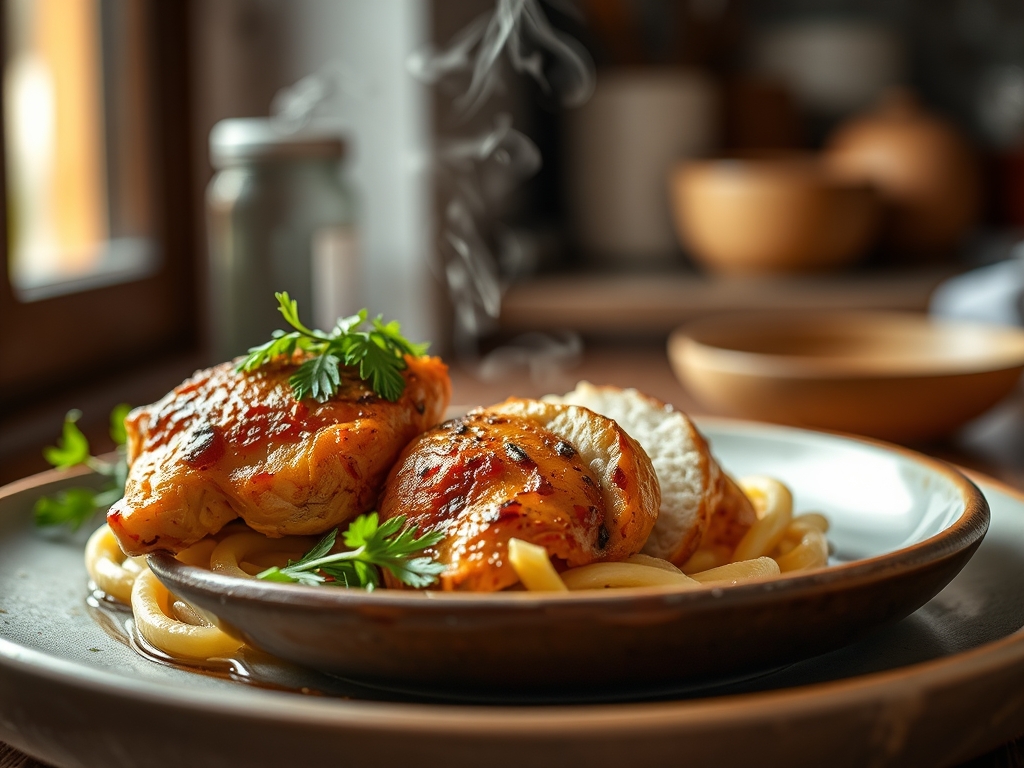
Picture the sound of a heavy bottomed skillet hitting the stove and that sharp, piquant aroma of garlic meeting shimmering olive oil. We have all been there; it is six in the evening, your energy is flagging, and you need a meal that nourishes without the cognitive load of a complex manual. Mastering easy chicken recipes healthy dinner options is not just about convenience; it is about reclaiming your evening through efficient molecular techniques. We are moving beyond the dry, rubbery poultry of the past and embracing the science of moisture retention and surface tension. By understanding how heat interacts with muscle fibers, we can transform basic protein into a culinary event. These six variations utilize a singular master method to ensure you spend less time scrubbing pans and more time enjoying a glass of crisp Sauvignon Blanc. We are focusing on high density nutrition, vibrant aromatics, and the kind of efficiency that would make a line chef weep with joy. Let us turn the heat up and dive into the mechanics of the perfect bird.
The Gathers:
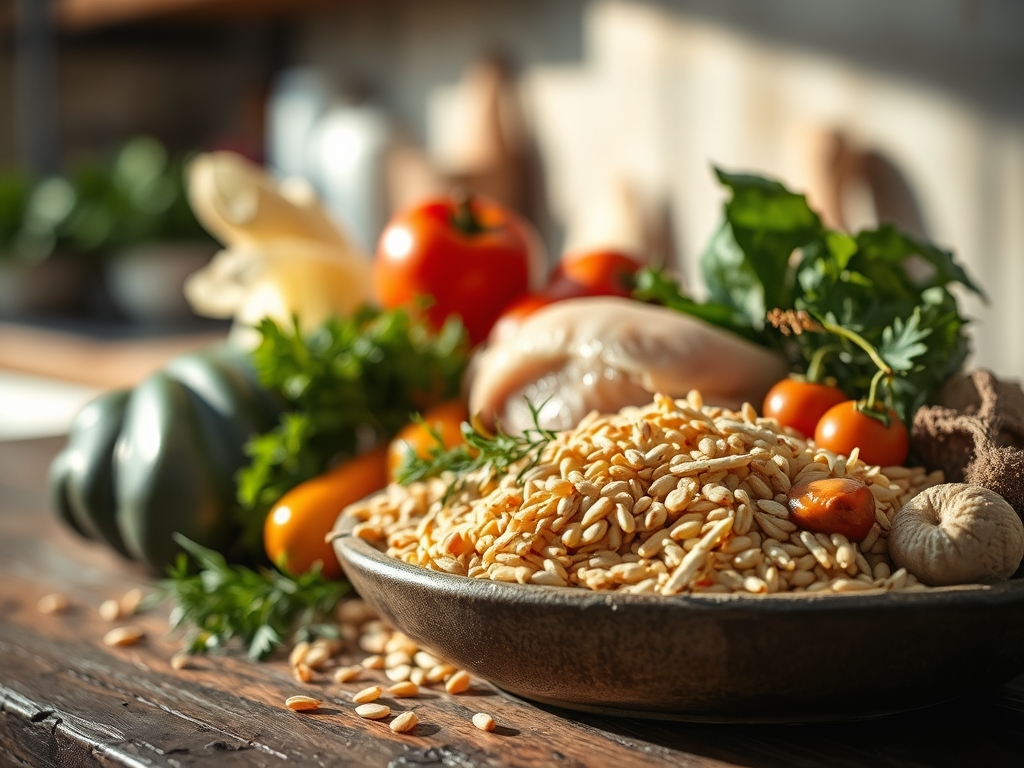
To execute these easy chicken recipes healthy dinner variations, your mise-en-place must be precise. Start with organic, air chilled chicken breasts or thighs; air chilling is superior because it prevents water absorption, ensuring your sear is crisp rather than soggy. You will need a high smoke point fat like avocado oil or ghee to facilitate the Maillard reaction without scorching. Gather your aromatics: fresh ginger, cloves of garlic, and shallots. These contain volatile oils that infuse the cooking fat, creating a flavor base that permeates the meat.
For the "Smart Substitutions," consider using coconut aminos instead of soy sauce if you are monitoring sodium or avoiding gluten. If you lack fresh lemons, a splash of champagne vinegar provides the necessary acidity to brighten the dish. Use a microplane to zest your citrus; this tool captures the essential oils in the flavedo without hitting the bitter white pith. Always keep a bowl of kosher salt nearby. The coarse grains allow for better tactile control when seasoning, ensuring even distribution across the protein surface.
The Clock
Efficiency in the kitchen relies on "Chef's Flow," the art of overlapping tasks to minimize downtime. These recipes are engineered for a 15 minute prep and a 20 minute cook time. While your skillet preheats, use a bench scraper to organize your chopped vegetables. This prevents the dulling of your knife edge on the cutting board and keeps your workspace clear. The first five minutes are dedicated to the sear; this is non-negotiable for flavor development. The remaining fifteen minutes involve a lower heat "braise-finish" or a quick toss with high moisture vegetables. By the time your table is set, the chicken has reached its target internal temperature.
The Masterclass:
1. The Tempering and Texture Prep
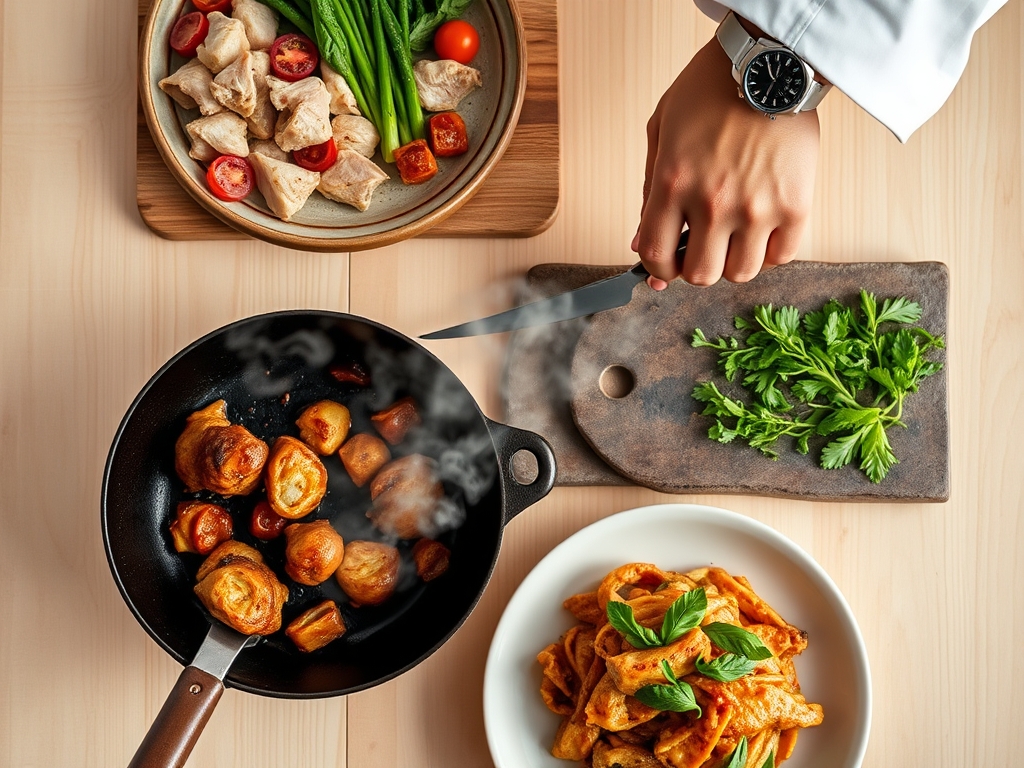
Before the chicken ever touches the pan, remove it from the refrigerator for ten minutes. Use a digital scale to ensure portions are uniform, roughly six ounces per person. Pat the surface bone dry with a paper towel. Moisture is the enemy of the sear; if the surface is wet, the energy of the pan goes into evaporating water rather than browning the meat.
Pro Tip: This is the science of surface evaporation. By removing exterior moisture, you allow the surface temperature to rise rapidly above 285 degrees Fahrenheit, which triggers the Maillard reaction, creating hundreds of new flavor compounds.
2. The High Heat Sear
Heat your heavy bottomed skillet until the oil shimmers and barely wisps with smoke. Place the chicken smooth side down and resist the urge to move it. Use stainless steel tongs to check for release. If the meat sticks, the proteins have not finished bonding; wait another thirty seconds for a clean lift.
Pro Tip: This stage utilizes conduction. The direct contact between the metal and the meat denatures the surface proteins quickly, creating a structural crust that helps retain internal juices during the later stages of cooking.
3. The Deglaze and Infuse
Once flipped, move the chicken to the perimeter and add your aromatics to the center. Use a wooden spoon or a saucier whisk to scrape up the "fond," those brown bits stuck to the pan. Add a splash of broth or dry white wine. The liquid will lift the concentrated flavors and create a viscous pan sauce.
Pro Tip: Deglazing is a chemical extraction. The alcohol or acid in your liquid dissolves the caramelized proteins and sugars, incorporating them into a sauce that coats the chicken, increasing the perceived "umami" of the dish.
4. The Thermal Finish
Reduce the heat to medium-low. If you are making the Lemon-Garlic or Ginger-Soy variation, add your liquid components now. Cover the pan for the final four minutes. This creates a small convection oven effect, ensuring the center reaches 160 degrees Fahrenheit without drying out the exterior.
Pro Tip: This relies on thermal carryover. If you pull the chicken at 160 degrees, the residual heat will push it to the safe 165 degree mark while it rests, preventing the muscle fibers from tightening and squeezing out moisture.
The Deep Dive
When we look at the macro nutrition of these easy chicken recipes healthy dinner options, we see a powerhouse of lean protein. A standard serving provides approximately 35 grams of protein with minimal saturated fat. For those following a Keto protocol, increase the healthy fats by finishing the sauce with a tablespoon of cold grass-fed butter to create an emulsion. For a Vegan swap, firm tofu or tempeh can be treated with the same searing technique, though they require a bit more oil due to their porous nature.
The Fix-It
- The Chicken is Rubbery: You likely overcooked it. Use a digital thermometer to pull the meat at 160 degrees.
- The Sauce is Broken: If your sauce looks oily and separated, remove from heat and whisk in a teaspoon of water or mustard. The mustard acts as an emulsifier, binding the fat and water together.
- No Crust Development: Your pan wasn't hot enough or was overcrowded. Cook in batches to maintain high surface temperature.
Meal Prep Science
To maintain "day-one" quality when reheating, avoid the microwave. The microwave agitates water molecules, which can make chicken "bouncy." Instead, reheat in a covered skillet with a tablespoon of water. This creates steam that gently rehydrates the protein fibers without overcooking the core.
The Wrap-Up
You are now equipped with the technical prowess to turn a simple bird into a gourmet experience. These easy chicken recipes healthy dinner strategies are about more than just food; they are about understanding the "why" behind the "how." When you control the heat and the moisture, you control the outcome. Go ahead and experiment with different flavor profiles now that you have the foundational mechanics down. Your kitchen is your laboratory; make it delicious!
The Kitchen Table
How do I keep chicken breast from getting dry?
Always use a meat thermometer and pull the chicken at 160 degrees Fahrenheit. Allow it to rest for five minutes. This allows the juices to redistribute through the muscle fibers rather than spilling out on the cutting board.
Can I use frozen chicken for these recipes?
It is not recommended for a high quality sear. Thaw chicken completely in the refrigerator overnight. Excess moisture from ice crystals prevents the Maillard reaction, resulting in grey, steamed meat rather than a golden, flavorful crust.
What is the healthiest oil for searing chicken?
Avocado oil is ideal due to its high smoke point and heart healthy monounsaturated fats. It remains stable at the high temperatures required for a proper sear, unlike extra virgin olive oil which can break down and turn bitter.
How do I get a restaurant quality sauce at home?
The secret is deglazing the pan with an acidic liquid like wine or lemon juice. This lifts the "fond" from the bottom of the skillet, concentrating the flavors into a rich, savory glaze that coats the protein perfectly.