
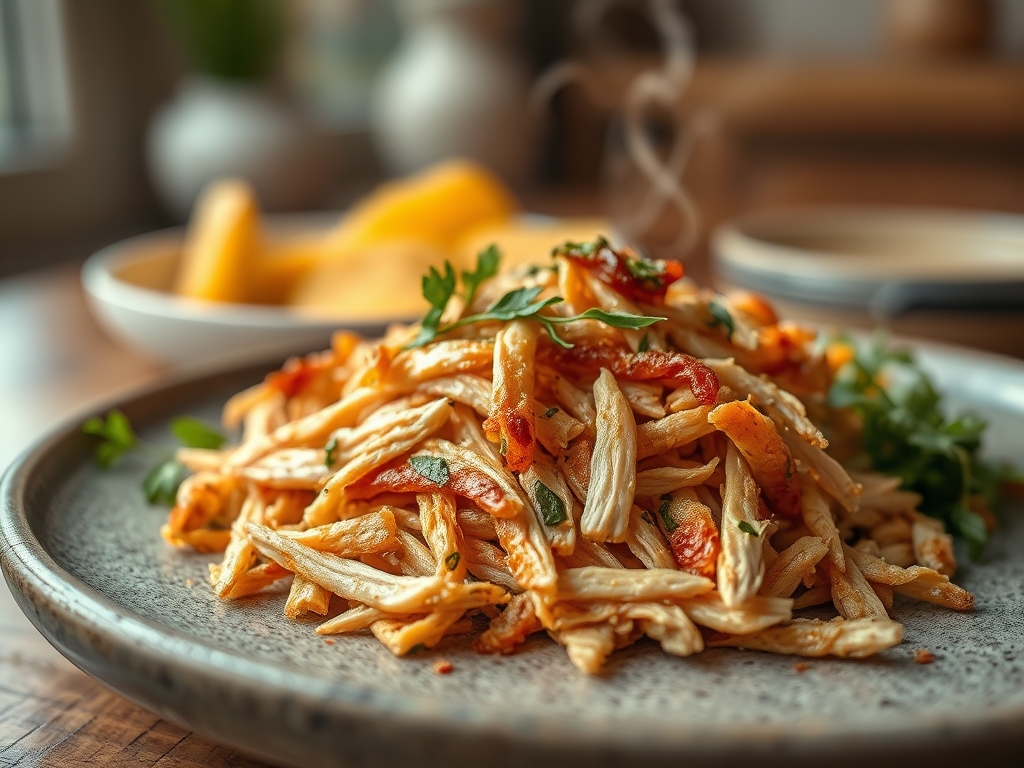
Picture the steam rising from a heavy-bottomed Dutch oven as the meat yields to the gentle pressure of your tongs. That satisfying, rhythmic shredding is more than just prep work; it is the foundation for the most versatile shredded chicken recipes dinner guests will ever rave about. We are moving beyond the dry, uninspired poultry of the past and diving into the molecular magic of moisture retention and fiber separation. By understanding how to manipulate connective tissue and emulsify pan sauces, you can transform a humble bird into a weeknight masterpiece. Whether you are folding it into a piquant verde sauce or tossing it with a rich, viscous peanut dressing, the goal is a perfect balance of texture and intense flavor infusion.
We are about to embark on a culinary journey that treats shredded chicken with the respect it deserves. Forget the bland; we are looking for that golden Maillard reaction on the skin and the deep, savory depth of a well-reduced stock. This is your definitive guide to mastering the art of the shred, ensuring every bite is as succulent as the first. Let us get your kitchen smelling like a five-star bistro.
The Gathers:
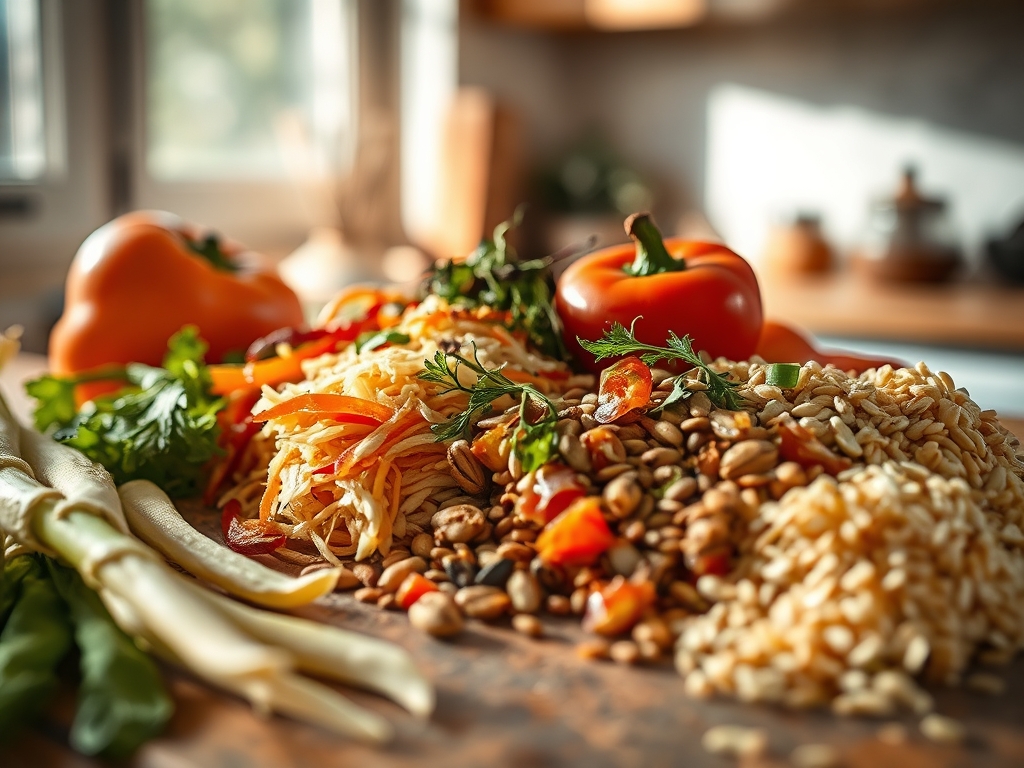
To execute these shredded chicken recipes dinner favorites, your mise-en-place must be precise. Start with five pounds of bone-in, skin-on chicken breasts or thighs. The bone acts as a thermal conductor, ensuring even cooking, while the skin allows fat to render and baste the meat. You will need a high-quality kosher salt to begin the denaturing process of the proteins. Gather your aromatics: sliced shallots, smashed garlic cloves, and fresh thyme sprigs. For the liquids, keep a quart of low-sodium chicken bone broth and a dry white wine like Sauvignon Blanc for that essential deglaze.
Smart Substitutions are key for the modern pantry. If you lack fresh shallots, use the white parts of green onions for a similar sulfurous bite. No wine? A splash of apple cider vinegar diluted in water provides the necessary acidity to break down tough fibers. For those avoiding nightshades, swap paprika for a pinch of turmeric and ground cumin to maintain a vibrant hue and earthy profile. Always keep a microplane nearby to zest citrus or grate fresh ginger, adding a high-note finish to your flavor base.
The Clock
The "Chef's Flow" is all about overlapping tasks to maximize efficiency. Total active prep time is approximately 20 minutes, while the passive cooking time ranges from 30 minutes in a pressure cooker to 4 hours in a slow cooker. If you are using a traditional stovetop method, expect a 45-minute simmer.
Start by searing your protein to initiate enzymatic browning. While the chicken simmers, use this window to prep your secondary ingredients for the nine variations. This staggered approach ensures that by the time the chicken reaches its thermal equilibrium, your sauces, garnishes, and sides are ready for assembly.
The Masterclass
1. The Sear and Deglaze
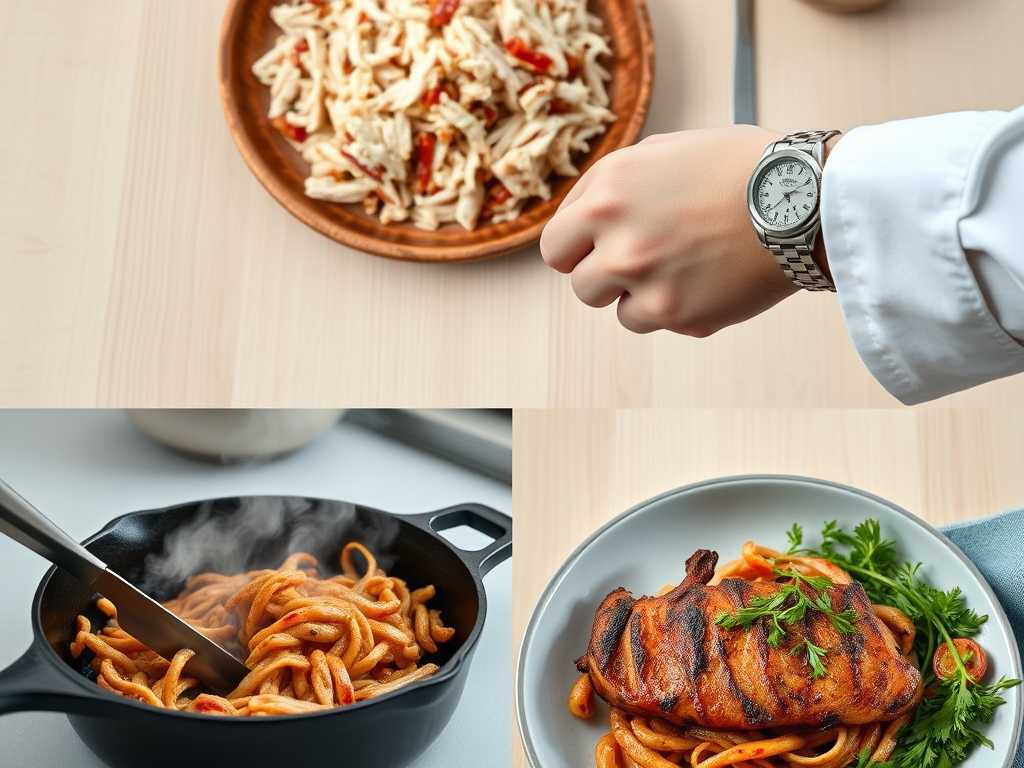
Heat a heavy-bottomed skillet with a high-smoke-point oil. Place the chicken skin-side down until the fat renders and the skin turns golden brown. Remove the chicken and add your aromatics. Once translucent, pour in the wine to deglaze, using a bench scraper or wooden spoon to lift the fond from the bottom.
Pro Tip: This step utilizes the Maillard reaction, creating complex flavor molecules that cannot be achieved through boiling alone.
2. The Gentle Poach
Submerge the seared chicken in your seasoned broth. Maintain a low simmer; never a rolling boil. Use a digital scale to ensure your liquid-to-meat ratio is consistent, aiming for just enough liquid to cover the protein.
Pro Tip: Keeping the temperature below 190 degrees Fahrenheit prevents the muscle fibers from tightening and squeezing out moisture, a process known as protein coagulation.
3. The Resting Phase
Transfer the cooked chicken to a carving board and let it rest for at least ten minutes. This allows the internal juices to redistribute throughout the meat fibers rather than spilling out onto the board.
Pro Tip: Thermal carryover will continue to cook the meat by 5 to 10 degrees after it is removed from the heat; pulling it at 160 degrees ensures it hits the safe 165 mark without drying out.
4. The Mechanical Shred
Use two forks or a stand mixer with the paddle attachment to pull the meat apart. If using a mixer, keep it on the lowest speed to avoid turning the chicken into a paste. Aim for long, distinct strands that will hold onto sauces.
Pro Tip: Shredding while the meat is still warm allows the collagen that has turned into gelatin to remain fluid, making the fibers easier to separate.
5. The Flavor Re-Introduction
Toss the shredded meat back into a small amount of the reduced cooking liquid. This ensures every strand is coated in a viscous glaze of concentrated chicken essence.
Pro Tip: This creates an emulsion between the residual fats and the gelatin-rich broth, significantly increasing the perceived "juiciness" of the dish.
The Deep Dive
When considering the macro nutrition of these shredded chicken recipes dinner options, a standard 4-ounce serving provides roughly 31 grams of protein and 6 grams of fat. To keep it Keto, focus on high-fat additions like avocado or a heavy cream reduction in your saucier. For a Vegan alternative, use young green jackfruit or oyster mushrooms; these mimic the fibrous texture of chicken and absorb aromatics similarly. Gluten-free diners should ensure their broth is certified and use tamari instead of soy sauce for any Asian-inspired variations.
The Fix-It: If your chicken is "rubbery," you likely boiled it too hard; fix this by finely chopping the meat and folding it into a high-fat dressing like mayo or pesto. If it is "bland," you missed the deglazing step; fix it by adding a splash of fish sauce or a squeeze of lemon to the finished dish. If the texture is "mushy," you over-processed it; turn it into a gourmet chicken salad or a spread for crostini.
For meal prep, reheating science is vital. Avoid the microwave, which vibrates water molecules and toughens protein. Instead, reheat in a pan with two tablespoons of broth over low heat to re-hydrate the fibers and maintain "day-one" quality.
The Wrap-Up
Mastering the foundational techniques of shredded chicken opens a world of culinary possibilities. From zesty street tacos to comforting pot pies, the key lies in the science of the sear and the patience of the poach. You now have the technical prowess to turn a simple protein into nine distinct, restaurant-quality dinners. Get creative, trust your palate, and remember that great cooking is just delicious chemistry in action!
The Kitchen Table
How do I prevent shredded chicken from being dry?
Always poach the chicken in a flavorful liquid at a low simmer. Never boil it. Let the meat rest before shredding to allow the juices to redistribute, then toss the shredded meat back into a reduced cooking liquid or sauce.
Can I shred chicken in a stand mixer?
Yes, use the paddle attachment on the lowest speed for about 30 seconds while the chicken is still warm. This is a highly efficient way to get uniform strands, but watch closely to avoid over-processing the meat into a pulp.
What is the best cut of chicken for shredding?
A mix of chicken breasts and thighs is ideal. Breasts provide long, clean fibers, while thighs add fat and flavor. Using bone-in, skin-on cuts during the cooking process significantly improves the depth of flavor and moisture retention in the final dish.
How long does shredded chicken last in the fridge?
Stored in an airtight container with a little bit of its cooking liquid, shredded chicken stays fresh for three to four days. For longer storage, it freezes beautifully for up to three months; just thaw it overnight in the refrigerator.