
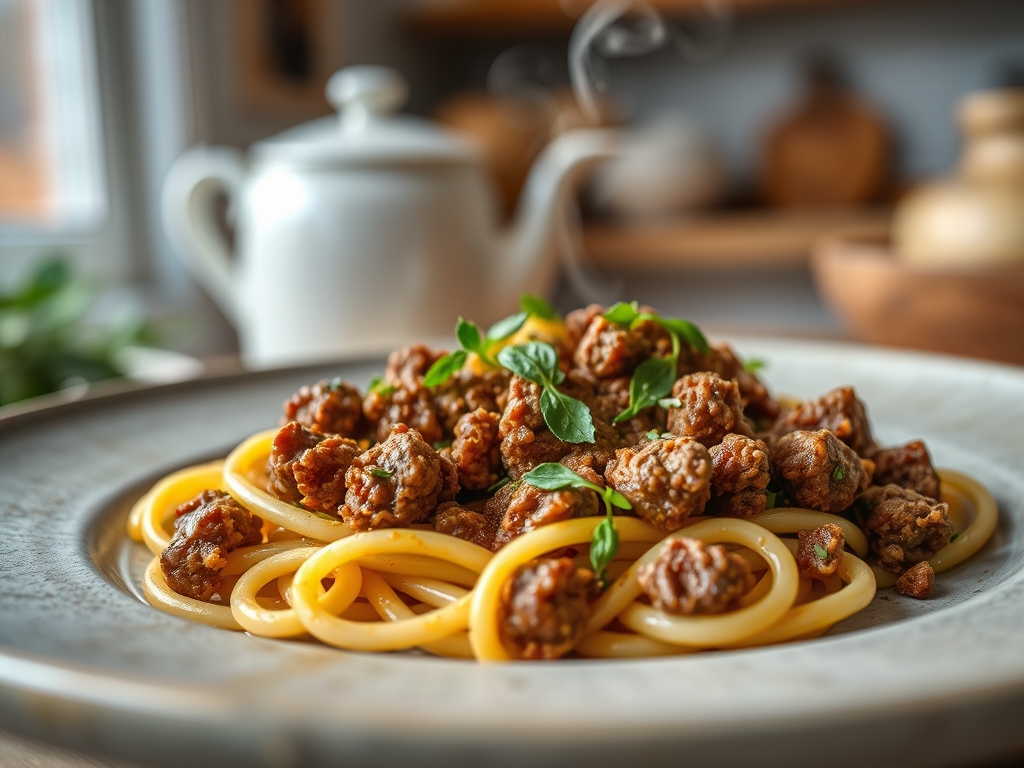
The scent of searing protein is essentially the perfume of a well-lived kitchen. When high-quality fat meets a hot stainless steel surface, you are not just cooking; you are initiating a complex sequence of chemical reactions that transform humble ingredients into a masterpiece. Mastering ground beef recipes with pasta is the ultimate culinary flex because it balances accessible comfort with rigorous technical execution. We are aiming for that perfect intersection of savory, Maillard-driven depth and the silky, starch-bound emulsion of a professional sauce.
Imagine the sound of a heavy-bottomed skillet as the moisture evaporates, leaving behind those gorgeous, concentrated brown bits known as fond. This is the foundation of flavor. Whether you are craving a velvety Bolognese or a piquant chili-mac fusion, the secret lies in how you treat the meat and the water. We are going beyond the box instructions to explore the molecular magic of browning and the physics of pasta water. Grab your favorite apron; we are about to turn your weeknight rotation into a high-end bistro experience.
The Gathers:
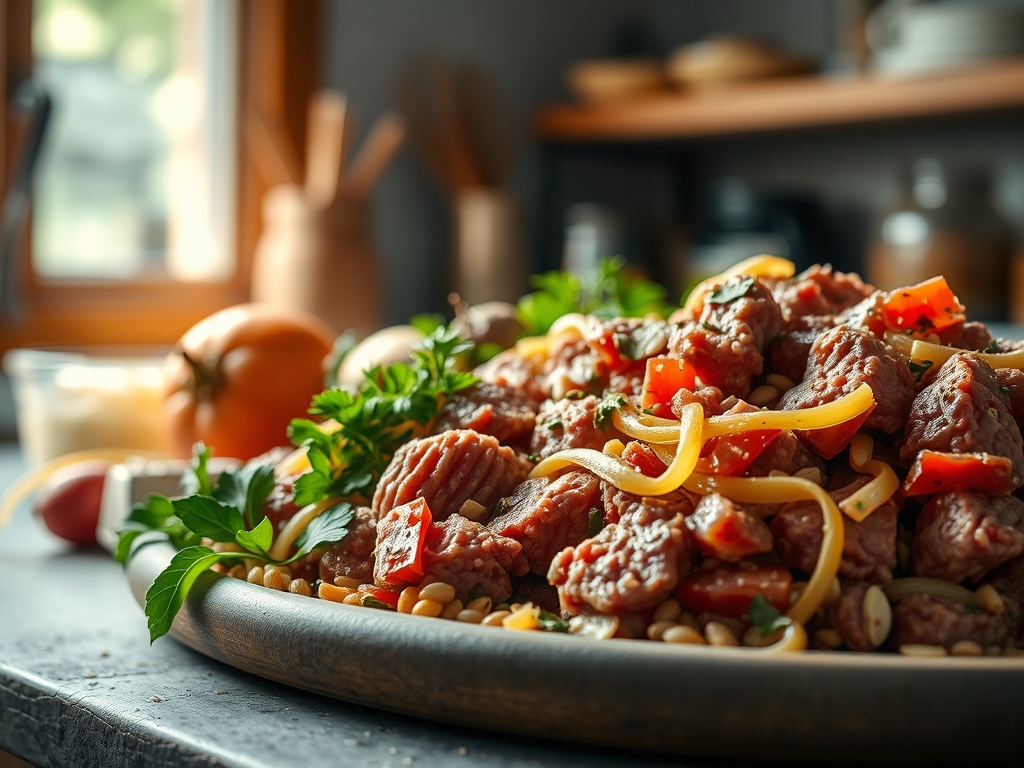
Before we ignite the burners, we must respect the mise-en-place. For these ground beef recipes with pasta, your ingredient profile should be a curated selection of textures and aromas. Start with your protein: look for an 80/20 lean-to-fat ratio. This specific percentage ensures enough lipids to render out and create a lush mouthfeel without making the final dish greasy. Your pasta selection should be dictated by the sauce viscosity. Ridged shapes like penne rigate or fusilli are designed to trap viscous sauces through capillary action; meanwhile, wide ribbons like pappardelle offer the surface area needed for chunky ragus.
Your aromatics are the "soul" of the dish. We are talking about the "Holy Trinity" or mirepoix: finely diced onions, carrots, and celery. Use a sharp chef knife to ensure uniform surface area, which leads to even caramelization. For the "Smart Substitutions," if you find yourself without fresh garlic, a dash of high-quality garlic oil can provide that pungent kick without the risk of burning delicate cloves. If you are dodging dairy, nutritional yeast offers a nutty, umami-rich profile that mimics Parmesan. Always keep a bottle of dry white or red wine nearby; the alcohol acts as a solvent, extracting flavor compounds that water or oil simply cannot reach.
The Clock
Efficiency in the kitchen is about "Chef's Flow," a state of synchronized timing where no heat is wasted. For these six variations, expect a prep time of 15 minutes and a cook time ranging from 20 to 45 minutes. The logic is simple: while the heavy-bottomed skillet is preheating to its smoke point, you should be utilizing your bench scraper to organize your chopped aromatics.
The "Flow" dictates that your pasta water should reach a rolling boil exactly as your beef finishes its primary browning phase. This allows you to transfer the pasta directly from the pot to the sauce, preserving that precious, cloudy pasta water. Never drain your pasta into the sink; you are literally pouring "liquid gold" down the drain. By timing the starch release with the fat emulsification, you reduce your total active time while maximizing the structural integrity of the dish.
The Masterclass
1. The Sear and Render
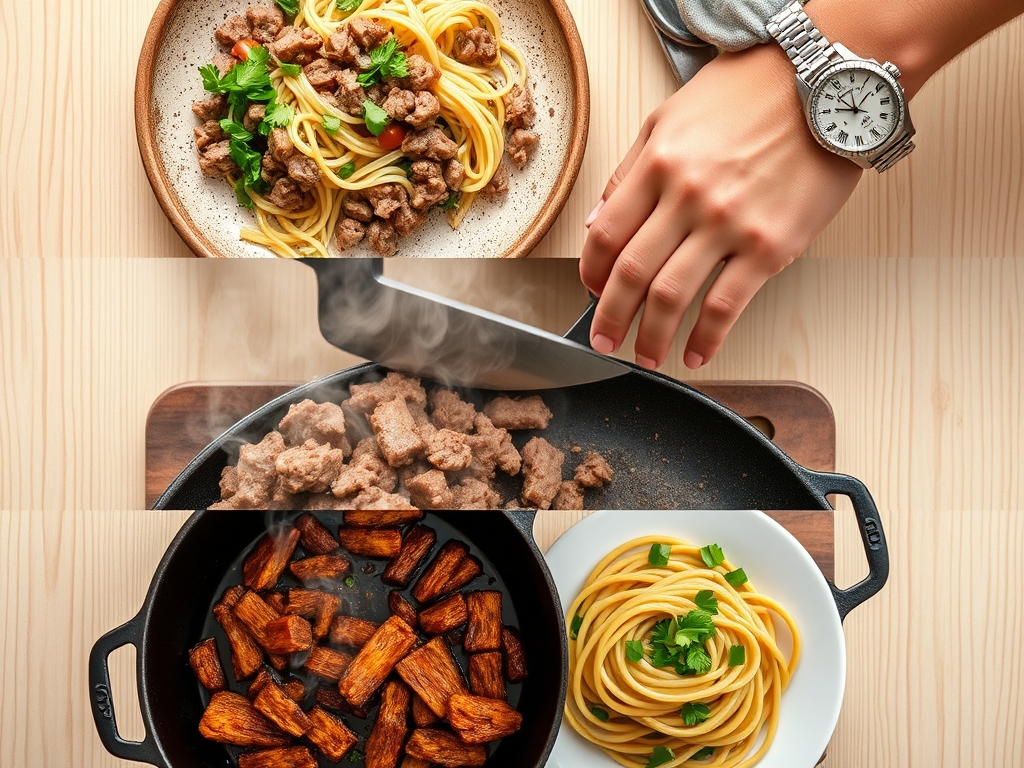
Place your ground beef in a preheated, dry heavy-bottomed skillet. Do not crowd the pan; if the meat covers more than 70 percent of the surface, it will steam in its own juices rather than sear. Use a sturdy wooden spoon to break the meat into uniform crumbles.
Pro Tip: This stage relies on the Maillard Reaction, which occurs between 280 and 330 degrees Fahrenheit. If you move the meat too much, you drop the surface temperature and miss out on the complex, savory flavors created by the rearrangement of amino acids and sugars.
2. Deglazing the Fond
Once the meat is browned and removed, you will see a brown film on the bottom of the pan. Add your aromatics and a splash of acidic liquid, such as wine or verjuice. Use your spatula to scrape those bits into the liquid.
Pro Tip: This is called deglazing. The acid in the wine breaks the chemical bonds of the caramelized proteins, incorporating them back into the sauce. This adds a layer of "bass notes" to your flavor profile that salt alone cannot achieve.
3. The Starch Infusion
Boil your pasta in highly salted water (it should taste like the sea) until it is two minutes shy of al dente. Use tongs or a spider strainer to move the pasta directly into your simmering beef sauce.
Pro Tip: This is the Finishing Cook. The pasta is still "hungry" for moisture and will absorb the flavorful sauce instead of plain water. This ensures every bite is seasoned from the inside out, rather than just coated on the exterior.
4. Emulsification and Binding
Add a half-cup of the starchy pasta water to the skillet. Toss the mixture vigorously over medium-high heat. The starch acts as a bridge between the fats from the beef and the liquids in the sauce.
Pro Tip: You are creating a stable emulsion. The amylose and amylopectin in the pasta water coat the fat globules, preventing them from separating. This results in a glossy, velvet-like texture that clings to the pasta.
5. The Aeration Finish
Remove the pan from the heat before adding your cold butter or grated cheese. Stir rapidly in a circular motion to incorporate air and melt the fats slowly.
Pro Tip: This prevents the cheese from "breaking" or becoming stringy. By using residual heat (thermal carryover), you maintain the delicate proteins in the cheese, ensuring a smooth, homogenous sauce rather than a grainy one.
6. The Microplane Zest
Just before serving, use a microplane to grate fresh nutmeg or lemon zest over the top. This provides a high-frequency aromatic lift to the heavy, savory base.
Pro Tip: Essential oils are volatile and dissipate quickly with heat. By adding these "top notes" at the very end, you ensure the nose experiences the freshness before the palate hits the rich beef.
The Deep Dive
When we look at the macro nutrition of ground beef recipes with pasta, we are seeing a powerhouse of iron, B12, and complex carbohydrates. A standard serving provides roughly 25 to 30 grams of protein, making it an excellent recovery meal. For those following a Keto lifestyle, swap the traditional wheat pasta for shirataki noodles or zoodles; the beef sauce provides the necessary fats for ketosis. Gluten-Free diners should look for corn or quinoa-based pastas, which hold their shape better in heavy sauces than rice-based alternatives.
"The Fix-It" section is your insurance policy. If your sauce is too thin, do not keep boiling it; instead, whisk in a small beurre manie (equal parts flour and butter) to thicken it instantly. If the sauce is too salty, add a splash of heavy cream or a dollop of ricotta to dilute the sodium concentration. If the beef feels "rubbery," it likely lacked enough fat; a drizzle of high-quality extra virgin olive oil can restore the lipid balance. For meal prep, remember that starch continues to absorb liquid as it sits. When reheating, add a tablespoon of water per serving to "unlock" the emulsion and return it to its day-one silkiness.
The Wrap-Up
There is a profound joy in mastering the basics. These ground beef recipes with pasta are more than just fuel; they are a testament to the power of heat, salt, and timing. By understanding the science of the Maillard reaction and the mechanics of emulsification, you have graduated from a recipe-follower to a true culinary artist. Your kitchen is now a laboratory of flavor where every sear and every stir is intentional. Now, pour a glass of your favorite red, gather your friends, and enjoy the fruits of your technical labor.
The Kitchen Table
How do I prevent my ground beef from being grey?
Ensure your skillet is at the smoke point before adding the meat. Do not overcrowd the pan; sear in batches to maintain high heat. This triggers the Maillard reaction, creating the deep brown color and savory flavor profile you crave.
Why should I save my pasta water?
Pasta water contains released starches that act as an emulsifier. When added to your beef sauce, it binds the fats and liquids together, creating a silky, professional-grade texture that clings perfectly to every noodle instead of pooling at the bottom.
What is the best pasta shape for ground beef?
Choose shapes with ridges or holes, like rigatoni, fusilli, or conchiglie. These "architectural" shapes are designed to capture chunky meat bits and thick sauces, ensuring a balanced ratio of beef and pasta in every single bite you take.
Can I make these recipes dairy-free?
Absolutely. Substitute butter with a high-quality olive oil and use nutritional yeast or a cashew-based cream instead of Parmesan. The starch from the pasta water will still create a creamy emulsion even without the addition of traditional dairy products.