
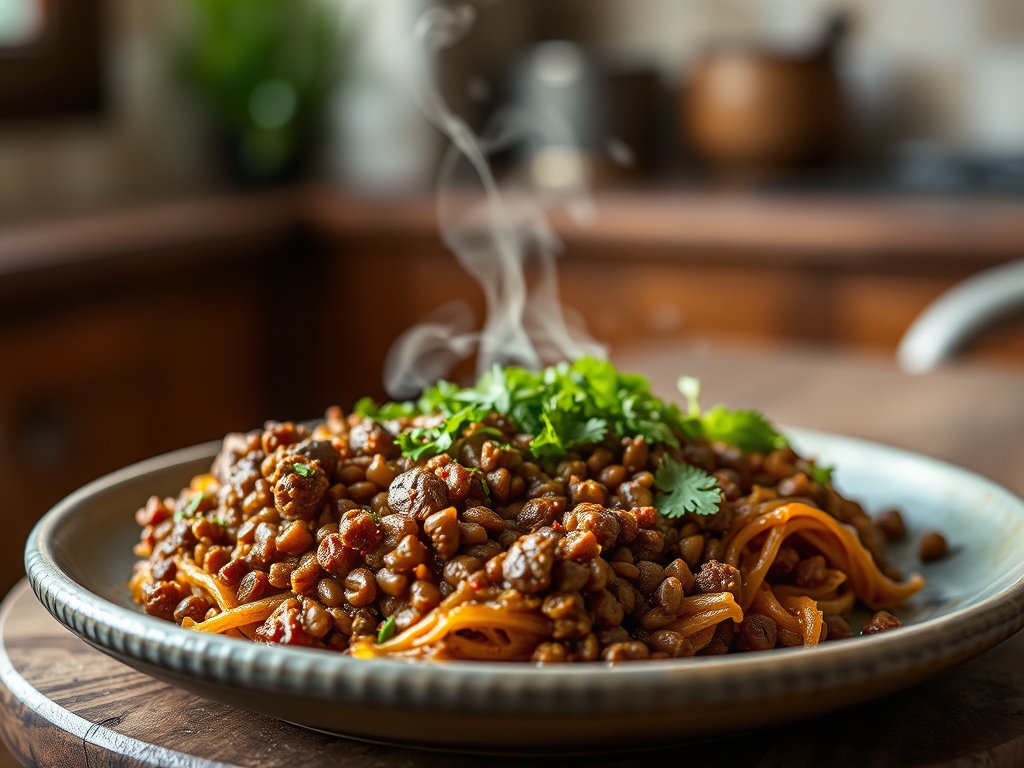
Picture the sizzle of a heavy-bottomed skillet as cold fat hits hot steel. The air fills with the deep, savory scent of browning protein and the earthy, nutty undertone of pulses. Mastering lentil ground beef recipes is not just about stretching a dollar; it is a masterclass in texture and nutrient density. We are essentially hacking the Maillard reaction to create a hybrid protein that is more succulent than beef alone.
When you marry the fibrous structure of lentils with the rich, oleic acids of ground beef, something magical happens. The lentils act as tiny sponges, absorbing the rendered fat and juices that usually drain away. This results in a mouthfeel that is incredibly velvety and a flavor profile that is twice as complex. Whether you are aiming for a piquant Bolognese or a robust taco filling, this combination is the ultimate kitchen chameleon.
In this guide, I will show you how to elevate this humble duo into a gourmet powerhouse. We will dive into the molecular mechanics of why these two ingredients belong together and how to use professional tools to ensure every bite is a texture triumph. Let us get into the science of the sear.
The Gathers:
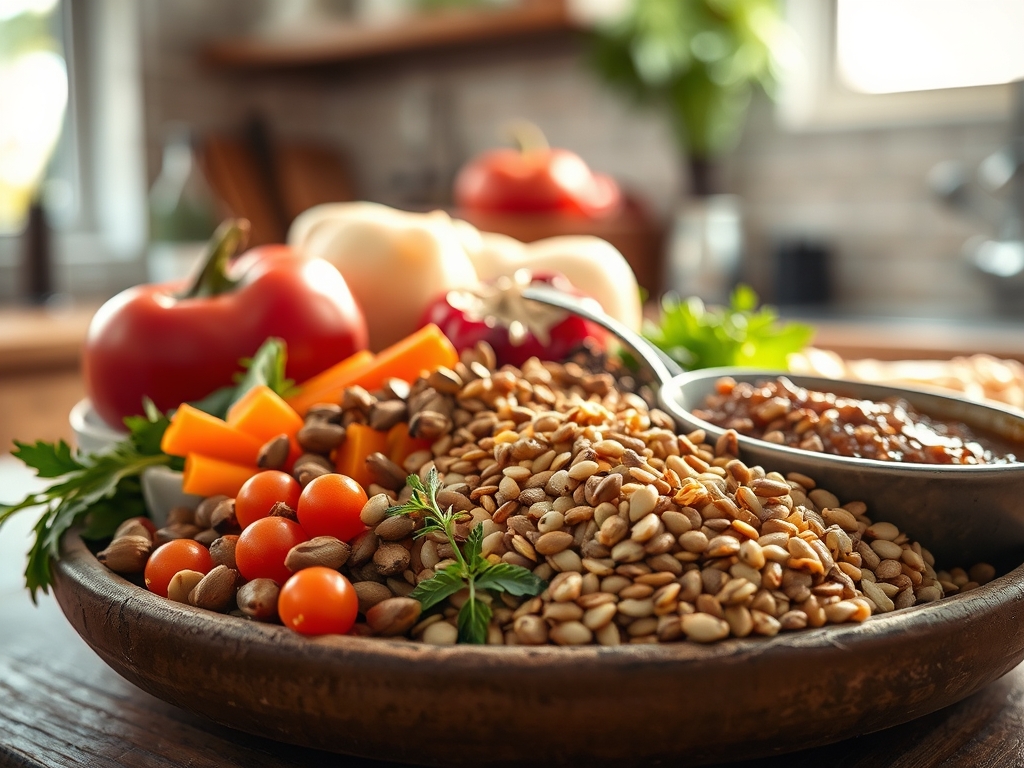
To achieve a professional finish, your mise-en-place must be precise. Start with a digital scale to ensure a perfect 1:1 ratio of cooked lentils to raw beef; this balance ensures the structural integrity of your final dish. You will need 1 pound of 80/20 ground chuck for its high fat content and 2 cups of cooked brown or French green lentils. Avoid red lentils unless you want a viscous, porridge-like consistency; green lentils hold their shape due to their thicker seed coats.
Your aromatics are the backbone of flavor. Grab your bench scraper to gather finely diced mirepoix: carrots, celery, and onions. Use a microplane to zest two cloves of garlic and an inch of ginger for an immediate aromatic infusion. For the liquid component, keep a cup of bone broth or a splash of dry red wine nearby to deglaze the pan.
Smart Substitutions: If you are watching your saturated fat, swap the chuck for lean ground turkey and add a tablespoon of tomato paste to mimic the savory depth of beef. For a textural twist, use black beluga lentils; they offer a caviar-like pop that contrasts beautifully against the soft meat.
The Clock
Efficiency in the kitchen is about "Chef's Flow," which means overlapping tasks to minimize downtime. Total active prep time is 15 minutes, with a cook time of approximately 25 minutes.
The flow begins with the "Cold Start" for your lentils if they are not already cooked. While they simmer, you perform your knife work. The beef enters the skillet at the 10-minute mark to allow for maximum browning. By the time the lentils are tender and drained, your beef is rendered and your aromatics are translucent. The final 5 minutes are reserved for the "Marriage," where the ingredients simmer together to exchange flavors and achieve a cohesive texture.
The Masterclass
1. The High-Heat Sear
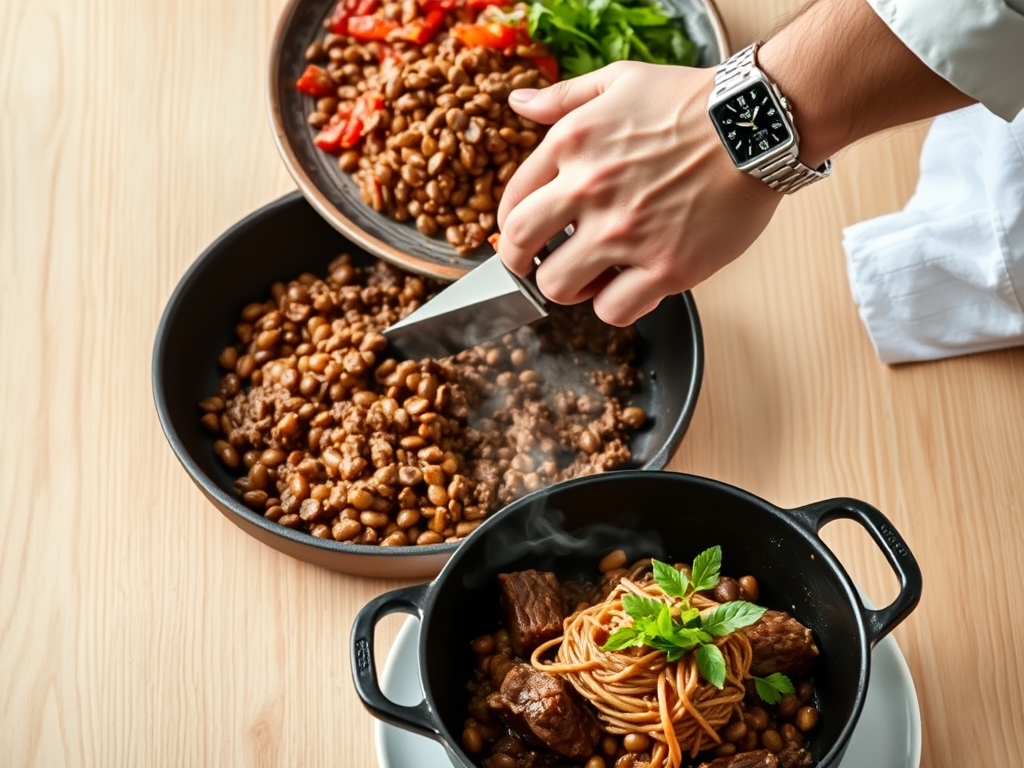
Place your heavy-bottomed skillet over medium-high heat until a drop of water dances and evaporates instantly. Add the ground beef in a single layer. Resist the urge to move it immediately. Let it sit for 3 minutes to develop a dark, caramelized crust.
Pro Tip: This is the Maillard reaction in action. By allowing the beef to remain undisturbed, you are creating melanoidins, the chemical compounds responsible for that deep, savory "browned" flavor. Moving the meat too early causes it to steam in its own moisture rather than sear.
2. Rendering and Deglazing
Once the beef is browned, use a wooden spoon or a firm spatula to break the meat into small crumbles. Toss in your mirepoix and cook until the onions are translucent. If the pan looks dry, the fat from the beef should be sufficient; if not, a teaspoon of olive oil will help. Pour in your wine or broth to deglaze, scraping up the fond (the brown bits) from the bottom.
Pro Tip: Deglazing is a chemical extraction. The alcohol or acid in your liquid dissolves the flavor-packed proteins stuck to the pan, incorporating them back into the sauce for a more complex profile.
3. The Lentil Integration
Add your cooked, drained lentils to the skillet. Use your spatula to fold them into the beef mixture. This is where you add your dry spices; think smoked paprika, cumin, or dried oregano. The heat will bloom the spices, releasing their fat-soluble essential oils into the rendered beef fat.
Pro Tip: This stage utilizes capillary action. The porous lentils act as a wick, drawing in the seasoned fats and deglazing liquid, ensuring the flavor penetrates the center of the pulse rather than just sitting on the surface.
4. The Emulsion Simmer
Reduce the heat to low and add a half-cup of stock or tomato puree. Cover the pan and let it simmer for 8 to 10 minutes. This allows the collagen in the beef to break down further and the starches in the lentils to slightly thicken the surrounding liquid.
Pro Tip: This step creates a natural emulsion. The starches leaching from the lentils act as a stabilizer, binding the water-based broth and the oil-based beef fat into a glossy, unified sauce that coats the back of a spoon.
The Deep Dive
From a nutritional standpoint, this mix is a powerhouse. You are looking at a high-protein, high-fiber profile that stabilizes blood sugar. A standard serving provides roughly 25g of protein and 8g of fiber.
Dietary Swaps:
- Keto: Reduce the lentil ratio to 1/4 cup and increase the beef; focus on using walnuts for crunch instead.
- Vegan: Swap the beef for finely chopped mushrooms sautéed in soy sauce to mimic the umami of meat.
- Gluten-Free: This recipe is naturally GF, but ensure your broth is certified.
The Fix-It:
- Too Mushy: You overcooked the lentils. Fix it by adding a handful of toasted breadcrumbs or crushed nuts to introduce a textural counterpoint.
- Too Dry: The lentils absorbed all the liquid. Fix it by whisking a teaspoon of cornstarch into 1/4 cup of warm broth and stirring it in to create a quick "velouté" sauce.
- Bland Flavor: You missed the acid. Fix it by squeezing half a lemon or adding a teaspoon of balsamic vinegar at the very end to brighten the heavy fats.
Meal Prep Science:
When reheating, the "Day-Two" effect is real. The flavors continue to develop as the spices undergo further oxidation. To maintain "day-one" quality, reheat in a saucier on the stovetop with a tablespoon of water. This creates steam that re-hydrates the lentils without making them soggy in the microwave.
The Wrap-Up
You are now officially a pro at lentil ground beef recipes. By understanding the chemistry of the sear and the physics of the simmer, you have turned a budget-friendly meal into a culinary triumph. This mix is the ultimate canvas for your creativity; go forth and deglaze with confidence! Your kitchen, your rules, and now, your flawless technique.
The Kitchen Table
Can I use canned lentils for this recipe?
Yes, canned lentils are a great time-saver. Ensure you rinse them thoroughly in a fine-mesh strainer to remove excess sodium and starchy canning liquid, which can make your final dish overly salty or gummy.
Why are my lentils still crunchy after cooking?
Lentils stay crunchy if cooked in acidic environments or with salt too early. Always add salt, tomatoes, or vinegar during the final 10 minutes of simmering to ensure the lentil skins soften properly through hydration.
How long does the beef and lentil mix last?
Stored in an airtight container, this mixture stays fresh for up to four days in the refrigerator. The flavors often improve by the second day as the aromatics continue to infuse into the proteins and starches.
Can I freeze this mixture for later?
Absolutely. This mix freezes beautifully for up to three months. To prevent freezer burn, press a layer of plastic wrap directly onto the surface of the mixture before sealing the lid of your container to eliminate air.