
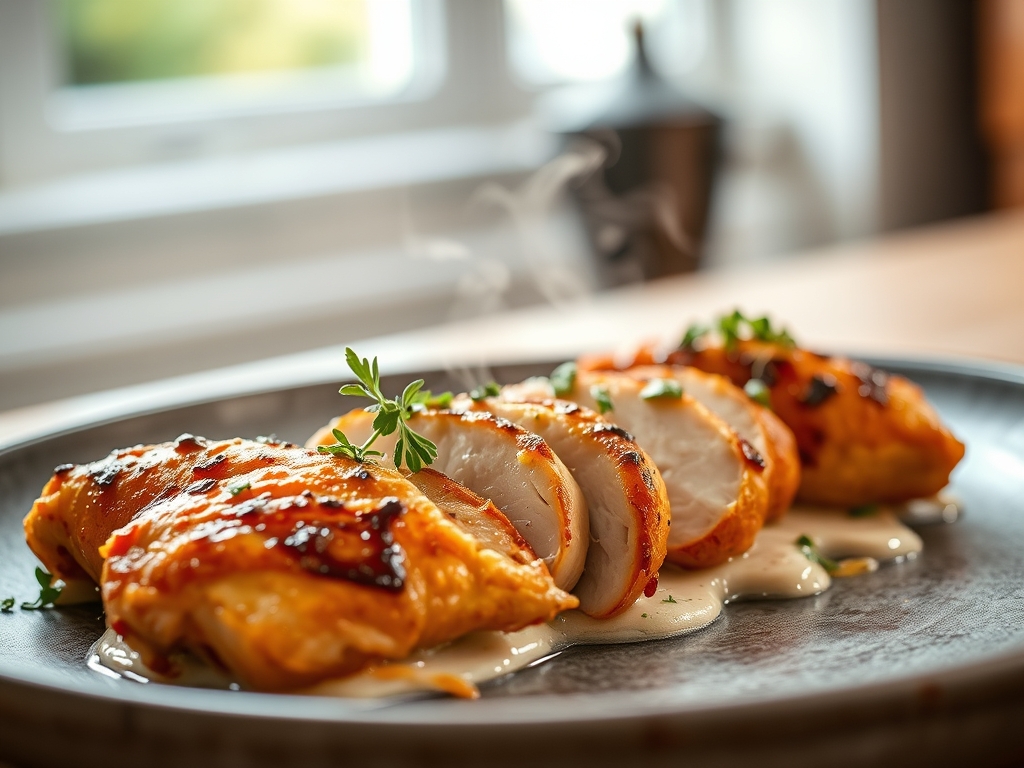
The sizzle of protein hitting a heavy-bottomed skillet is the universal soundtrack of a kitchen that knows what it is doing. We have all been there; it is 6:00 PM, the fridge is a void of raw potential, and you need chicken recipes quick dinner solutions that do not taste like cardboard. You want that golden, shatter-crisp skin and succulent interior that usually requires a French brigade.
The secret lies in understanding that speed is not about rushing; it is about efficiency and the physics of heat transfer. When we talk about chicken recipes quick dinner options, we are looking for high-surface-area cuts like cutlets or thighs that respond instantly to high-heat sear. By mastering a few fundamental techniques, you can transform a bland breast into a masterpiece of Maillard reactions and aromatic infusion in under twenty minutes. We are going to bridge the gap between "I am tired" and "I am a culinary genius" with nine variations that rely on the same core scientific principles. Grab your favorite apron and let us get into the chemistry of the perfect weeknight meal.
The Gathers:
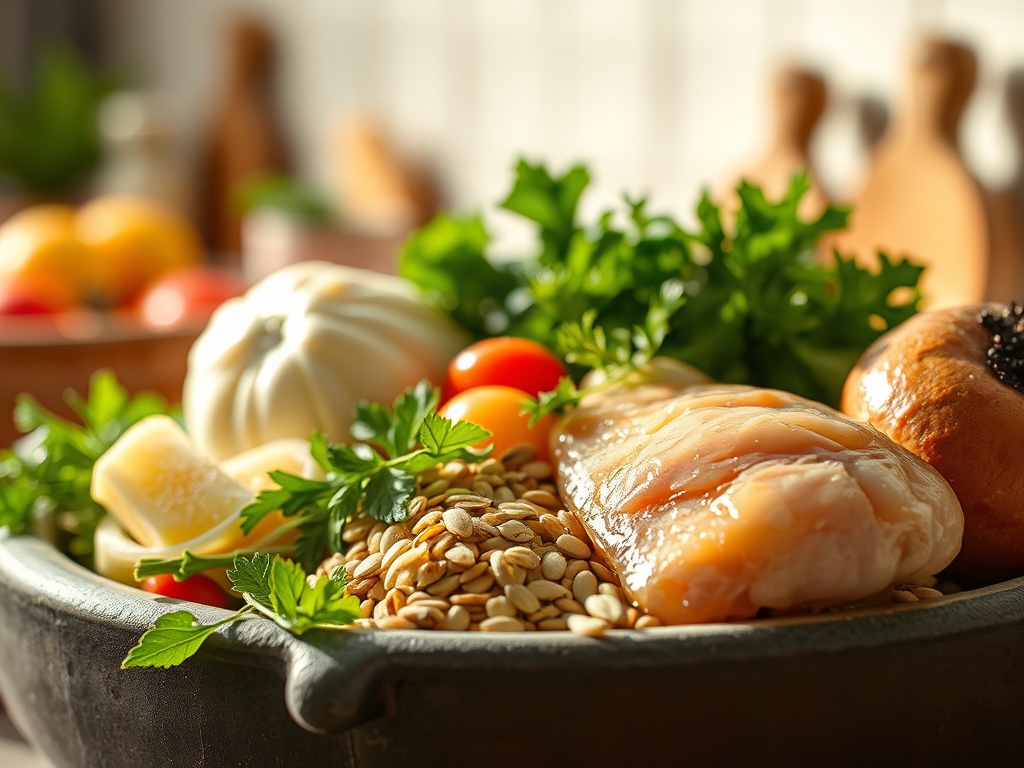
Mise-en-place is your best friend when the clock is ticking. For these nine variations, your workstation should look like a laboratory of flavor. Start with high-quality poultry; look for air-chilled chicken to avoid the excess water weight that prevents a proper sear. You will need a viscous fat source like avocado oil or ghee, which both possess high smoke points to prevent acrid flavors during a hard sear.
Your aromatic base should include fresh garlic, ginger, and shallots. Use a microplane to grate these directly into your pans; this increases the surface area and allows the volatile oils to infuse the cooking fat almost instantly. For acidity, keep lemons and a bottle of dry white wine or rice vinegar nearby to deglaze the pan and capture those flavorful browned bits, known as fond.
Smart Substitutions: If you are out of fresh aromatics, high-quality garlic oil or dried shallot flakes can work in a pinch. Swap heavy cream for full-fat coconut milk to maintain a viscous mouthfeel without the dairy. If you lack a saucier for your pan sauces, a wide stainless steel skillet is your next best bet for rapid evaporation and reduction.
The Clock:
The "Chef's Flow" is all about overlapping tasks to minimize downtime. Total active prep for these recipes sits at roughly 10 minutes, with cook times ranging from 8 to 15 minutes. The logic is simple: while the chicken is rendering its fat in the pan, you are chopping your greens or whisking your pan sauce.
Never let the pan sit empty. The moment the chicken is removed to rest, the heat should be used to toast spices or wilt spinach. By utilizing the thermal carryover period, where the meat continues to cook off the heat, you free up your primary burner to finish the side dish. This synchronized dance ensures everything hits the table at the optimal temperature.
The Masterclass:
1. The High-Heat Sear
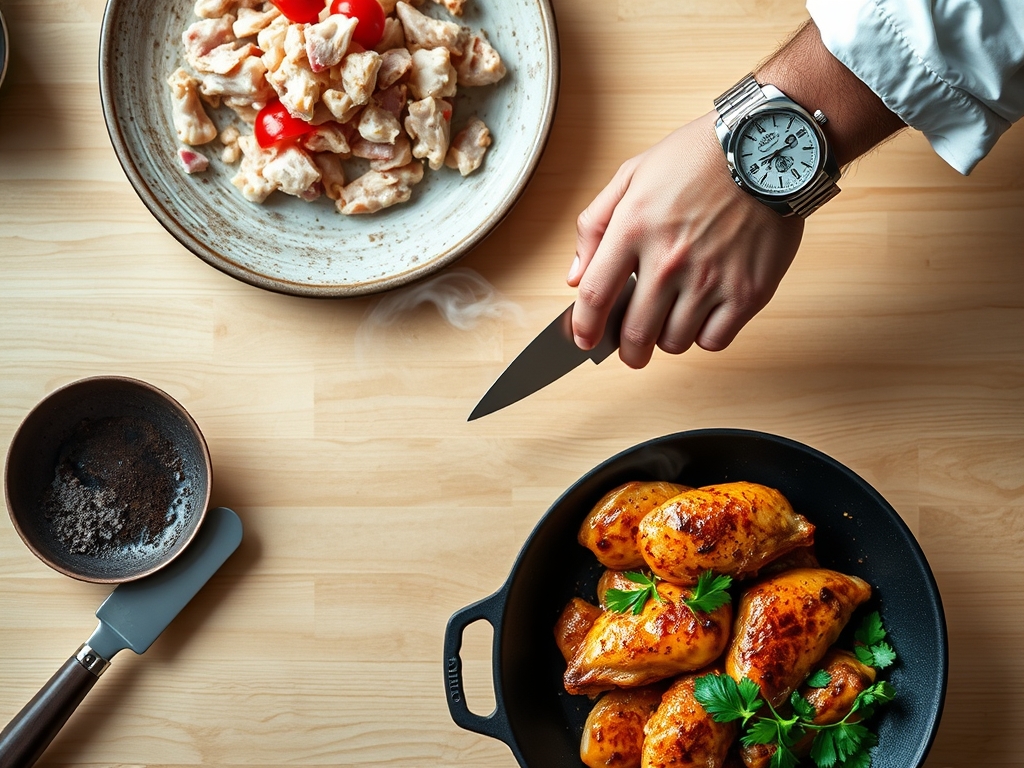
Pat the chicken bone-dry with paper towels to remove surface moisture. Place the meat into a preheated heavy-bottomed skillet with shimmering oil. Press down firmly with tongs to ensure maximum contact.
Pro Tip: This facilitates the Maillard reaction, a chemical dance between amino acids and reducing sugars that creates hundreds of flavor compounds. Moisture is the enemy of browning; if the meat is wet, it will steam instead of sear.
2. The Deglaze and Emulsify
Once the chicken is golden, remove it and pour off excess fat. Add a splash of liquid; wine, stock, or citrus juice; and use a bench scraper or wooden spoon to lift the fond from the bottom of the pan. Whisk in a cold knob of butter or a spoonful of mustard.
Pro Tip: This creates a stable emulsification. The cold fat bonds with the acidic liquid to create a glossy, thick sauce that clings to the protein rather than sliding off.
3. The Aromatic Infusion
Lower the heat slightly and add your "hard" herbs like rosemary or thyme along with smashed garlic cloves. Baste the chicken with this flavored fat as it finishes cooking.
Pro Tip: Many flavor compounds are fat-soluble. By infusing the cooking oil, you are driving those herbaceous notes deep into the muscle fibers of the chicken.
4. The Rest and Slice
Transfer the chicken to a warm plate and tent it loosely with foil. Wait at least five minutes before slicing against the grain.
Pro Tip: This allows for thermal carryover. During cooking, muscle fibers contract and push juices to the center. Resting allows the fibers to relax and reabsorb that moisture, ensuring a succulent bite.
The Deep Dive:
Macro Nutrition: Chicken is a lean protein powerhouse. A standard 6-ounce serving provides roughly 50 grams of protein with minimal saturated fat, especially if using breasts. To balance the meal, pair your chicken with complex carbohydrates like quinoa or roasted sweet potatoes to provide sustained glucose release.
Dietary Swaps: For a Keto version, lean heavily into butter-based sauces and swap starches for zoodles or cauliflower rice. Vegan friends can follow the exact same searing and deglazing logic using extra-firm tofu or seitan; just ensure the tofu is pressed dry to achieve that "chicken-like" crust. For Gluten-Free needs, use tamari instead of soy sauce and thicken your pans with a cornstarch slurry instead of a flour-based roux.
The Fix-It:
- Rubbery Chicken: This usually means it is overcooked. Use a digital scale or meat thermometer to pull the chicken at 160 degrees Fahrenheit; carryover heat will bring it to the safe 165 mark.
- Burnt Garlic: If your aromatics turn bitter, you added them too early. Add garlic only in the last 60 seconds of cooking.
- Broken Sauce: If your sauce looks oily and separated, whisk in a tablespoon of hot water or stock to re-establish the emulsification.
Meal Prep Science: To maintain "day-one" quality, reheat chicken gently. Use a low-power setting on the microwave or a covered pan with a splash of water. This creates a steam environment that prevents the proteins from tightening up and becoming "woody."
The Wrap-Up:
Cooking a stellar dinner does not require a culinary degree; it just requires a little respect for the laws of thermodynamics. By focusing on the sear, the deglaze, and the rest, you turn a basic grocery staple into a restaurant-quality experience. These nine ideas are just the beginning; once you master the flow, you can swap flavors and fats to suit whatever mood you are in. Now, get into that kitchen and make some magic happen.
The Kitchen Table:
How do I get crispy chicken skin every time?
Start with dry skin and a cold pan if using thighs to slowly render the fat. For breasts, use a ripping hot skillet and a high-smoke-point oil to trigger the Maillard reaction instantly.
Can I use frozen chicken for quick dinners?
It is not recommended for high-heat searing. Frozen chicken releases too much moisture as it thaws in the pan, leading to steaming. For the best results, thaw completely in the fridge overnight and pat dry.
What is the best tool for checking doneness?
An instant-read digital thermometer is the only foolproof method. Aim for 160 degrees Fahrenheit for breasts and 175 degrees for thighs to ensure the connective tissue has broken down without drying out the meat.
How do I prevent chicken from sticking to the pan?
Ensure your pan is sufficiently hot before adding oil. Once the protein hits the heat, do not move it. The chicken will naturally "release" from the surface once a proper crust has formed.