
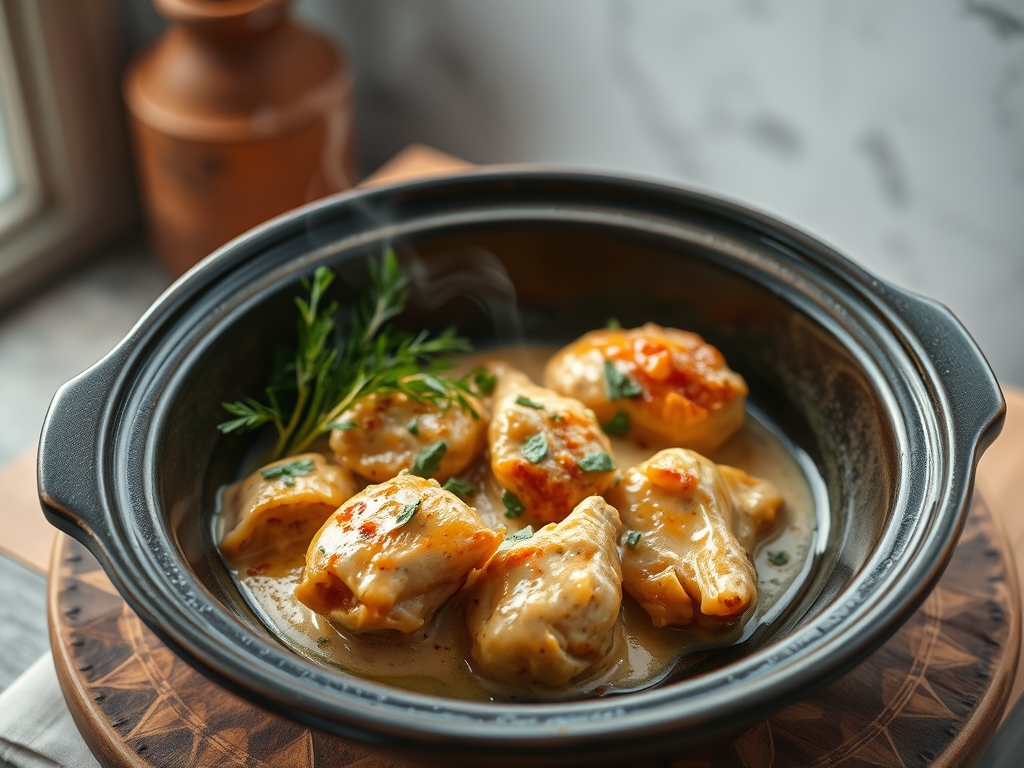
Imagine walking into a home where the air is heavy with the scent of roasted garlic and simmering thyme; it is the ultimate sensory hug. When you master creamy chicken recipes in crock pot style, you are not just cooking; you are orchestrating a slow motion transformation of protein into velvet. This is where science meets soul.
The magic happens through a process called collagen hydrolysis. By maintaining a steady, low temperature, the tough connective tissues in chicken thighs or breasts slowly melt into gelatin. This adds a luxurious mouthfeel that no quick sauté can replicate. We are aiming for that perfect viscous consistency where the sauce clings to the back of a spoon without feeling cloying. Whether you are craving a zesty Tuscan blend or a classic mushroom stroganoff, the slow cooker acts as a controlled thermal chamber. It allows flavors to infuse deeply into every fiber of the meat. Grab your favorite apron and a glass of crisp white wine; we are about to turn your kitchen into a high end bistro with zero stress and maximum flavor density.
The Gathers:
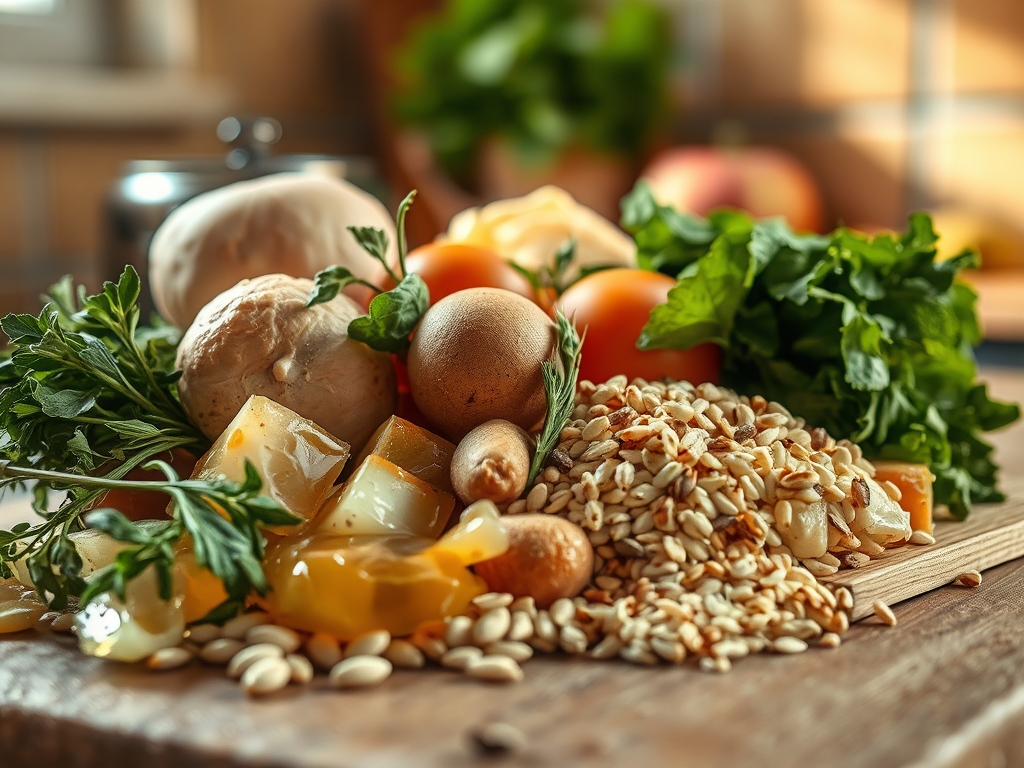
Before we flip the switch, we must assemble our mise-en-place with precision. Start with high quality proteins; organic chicken thighs are preferred for their higher fat content, which ensures they remain succulent during long cook cycles. You will need a digital scale to measure out your aromatics. Think of your base as a trifecta of flavor: shallots for a delicate piquant edge, smashed garlic cloves for depth, and leeks for a buttery finish.
For the "cream" in these creamy chicken recipes in crock pot, we look beyond just heavy cream. High fat coconut milk provides a tropical silkiness, while Neufchatel cheese offers a tangy, lower calorie alternative to standard cream cheese. Do not forget your acids. A splash of dry sherry or a squeeze of fresh lemon juice is essential to cut through the richness.
Smart Substitutions:
If you are avoiding dairy, cashew cream is your best friend. Soak raw cashews and blend them with filtered water until they reach a silky consistency; this mimics the protein structure of heavy cream perfectly. For a keto friendly thickener, skip the flour roux and use a pinch of xanthan gum or simply reduce the sauce at the end using a saucier on the stovetop to intensify the flavors through evaporation.
The Clock: Timing and Chef's Flow
Efficiency in the kitchen is about rhythm. The "Chef's Flow" for slow cooking involves a 20 minute morning burst followed by a passive 6 to 8 hour window. Prep your vegetables the night before using a sharp chef's knife and store them in airtight containers. This prevents enzymatic browning in potatoes or apples and keeps your morning routine seamless.
Most creamy chicken recipes in crock pot require 4 hours on high or 7 hours on low. The low setting is almost always superior for texture. It prevents the dairy from curdling and allows the spices to undergo a more thorough infusion. If you are adding delicate greens like spinach or soft herbs like basil, wait until the final 15 minutes. This preserves their vibrant chlorophyll and prevents them from turning into a muddy, bitter mess.
The Masterclass:
1. The Sear and Deglaze
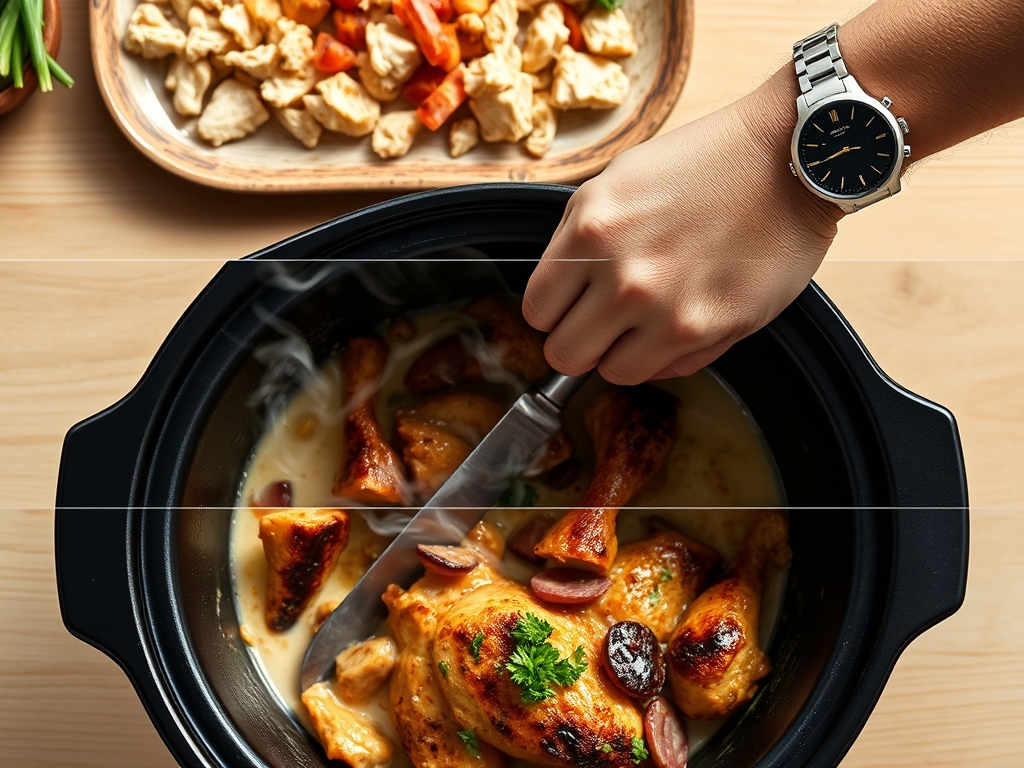
Do not just dump raw meat into the pot. Heat a heavy-bottomed skillet and sear the chicken until the skin is golden. Use tongs to flip them, ensuring you achieve the Maillard reaction; this chemical reaction between amino acids and reducing sugars creates hundreds of different flavor compounds.
Pro Tip: Once the meat is browned, use a splash of stock to deglaze the pan. Scrape up the "fond" (those brown bits) with a wooden spoon. This is concentrated flavor gold that must go into the crock pot.
2. Layering the Aromatics
Place your hard vegetables like carrots and onions at the bottom. They act as a natural trivet for the chicken, preventing the meat from sitting directly on the heating element and overcooking.
Pro Tip: Use a microplane to grate fresh ginger or garlic directly over the vegetables. The smaller particle size increases the surface area, allowing the essential oils to infuse the sauce more effectively.
3. The Liquid Ratio
Add your liquids, but do not drown the chicken. The meat will release its own juices as it cooks. A common mistake is adding too much broth, resulting in a soup rather than a creamy sauce.
Pro Tip: Aim for the liquid to cover only two thirds of the meat. This creates a braising environment that keeps the top of the chicken tender via steam while the bottom simmers.
4. The Dairy Emulsification
If you add heavy cream at the start, it may break or curdle. Instead, whisk your dairy component with a teaspoon of cornstarch in a separate bowl before adding it during the final thirty minutes of cooking.
Pro Tip: This prevents the proteins in the milk from clumping together when they hit the high heat. It ensures a smooth, viscous finish that looks professional.
5. The Rest and Shred
Once the timer dings, remove the chicken and let it rest on a cutting board for five minutes. This allows for thermal carryover, where the internal temperature stabilizes and the juices redistribute.
Pro Tip: Use two forks or a bench scraper to pull the meat apart into large, chunky shards. This provides more surface area for the creamy sauce to cling to, ensuring every bite is saturated.
The Deep Dive:
From a macro perspective, these dishes are powerhouses. By using chicken thighs, you get a healthy dose of monounsaturated fats and essential minerals. If you are following a Keto lifestyle, replace root vegetables with cauliflower or radishes, which mimic the texture of potatoes without the glycemic spike. For Gluten Free requirements, ensure your thickening agent is arrowroot powder or a certified GF flour blend.
The Fix-It: Common Pitfalls
- The Sauce is Too Thin: If your sauce looks like water, whisk a tablespoon of butter and flour (a cold roux) and stir it in. Alternatively, take a cup of the liquid, blend it with a few pieces of the cooked vegetables, and stir it back in to add body.
- The Chicken is Dry: This usually happens with breast meat cooked on "High" for too long. To fix, shred the meat very finely and toss it back into the sauce for 20 minutes to rehydrate the fibers.
- The Flavor is Flat: This is a lack of acidity. Add a teaspoon of Dijon mustard or a splash of apple cider vinegar. It brightens the heavy fats instantly.
Meal Prep and Reheating:
To maintain "day-one" quality, reheat your creamy chicken on the stovetop over low heat. Adding a tablespoon of water or milk helps to aerate the sauce and prevents it from separating. Avoid the microwave if possible, as it can cause the fats to "explode" and leave the chicken rubbery.
The Wrap-Up:
Mastering creamy chicken recipes in crock pot cooking is the ultimate kitchen hack for the busy, flavor conscious cook. It is about understanding the chemistry of slow heat and the balance of rich fats with bright acids. Once you get the hang of the sear, the deglaze, and the late stage dairy addition, you can pivot between a dozen different flavor profiles with ease. Your slow cooker is no longer just a convenience tool; it is a vessel for culinary excellence. Go forth, experiment with your aromatics, and enjoy the most tender, velvet-coated chicken of your life.
The Kitchen Table:
Can I put frozen chicken in the crock pot?
No, it is unsafe. Frozen meat stays in the "danger zone" (40°F to 140°F) for too long, allowing bacteria to multiply. Always thaw your chicken completely in the refrigerator before adding it to the slow cooker for even, safe cooking.
How do I stop my cream sauce from curdling?
Add dairy products like heavy cream, sour cream, or yogurt during the last 15 to 30 minutes of cooking. Tempering the dairy by mixing it with a bit of the hot liquid before stirring it in also prevents protein clumping.
What is the best way to thicken the sauce?
Create a slurry using equal parts cornstarch and cold water. Stir this into the bubbling crock pot during the final half hour. For a richer finish, whisk in a knob of cold butter right before serving to create a glossy emulsion.
Can I use chicken breasts instead of thighs?
Yes, but reduce the cook time. Chicken breasts are leaner and can become stringy if overcooked. Check for an internal temperature of 165°F at the 4 hour mark on low to ensure they remain juicy and tender in the sauce.