
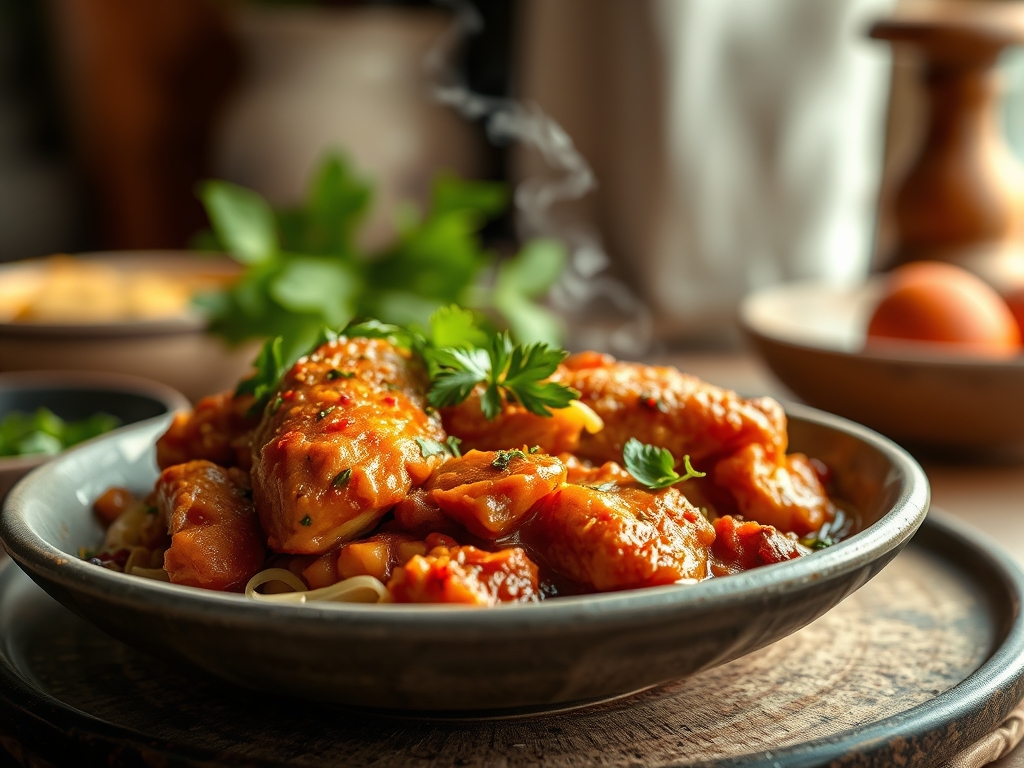
The scent of toasted cumin and simmering peppers hitting your nostrils at 5:00 PM is a love language all its own. When you lean into the magic of slow cooker chili chicken recipes, you are not just making dinner; you are orchestrating a low-and-slow symphony of protein denaturation and spice infusion. It is the ultimate kitchen hack for the modern overachiever.
Imagine walking into a home that smells like a high-end smokehouse without you having lifted a finger since breakfast. This is the beauty of ceramic-well cooking. By the time you pull the lid off, the chicken has reached that perfect point of structural collapse, yielding to the slightest pressure of a fork. Whether you are craving a piquant Verde style or a deep, cocoa-infused mole, these recipes transform humble poultry into a culinary masterpiece. We are going to dive deep into the chemistry of the crock, ensuring every bite is a balanced explosion of salt, fat, acid, and heat.
The Gathers:
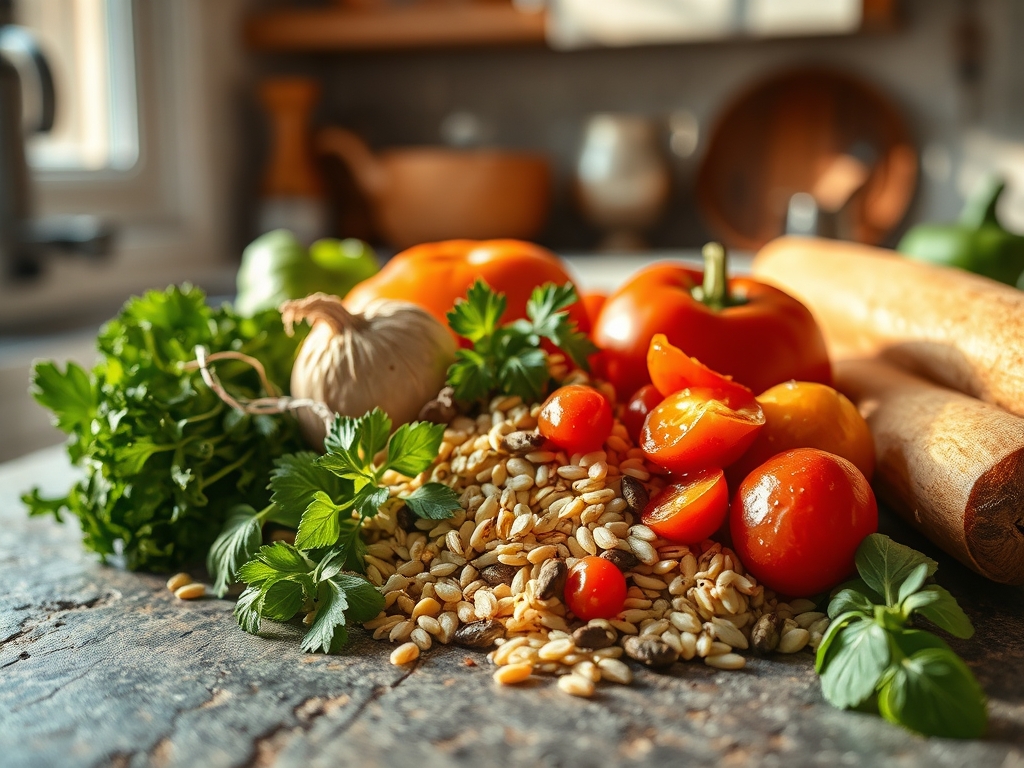
To achieve a restaurant-quality result, your mise-en-place must be intentional. We start with the protein. While breast meat is lean, chicken thighs are the superior choice for the slow cooker because their high connective tissue content contains collagen. As this collagen reaches 160 degrees Fahrenheit, it begins to hydrolyze into gelatin, providing a silky, viscous mouthfeel that lean cuts simply cannot replicate.
Your aromatics are the backbone of the flavor profile. You will need a heavy-bottomed skillet to properly sauté your onions and garlic before they enter the slow cooker. This step is non-negotiable for flavor depth. Use a microplane to grate fresh ginger or zest limes, ensuring the essential oils are fully released into the sauce. For the "chili" component, look for a blend of dried guajillo and ancho peppers. These offer a complex, raisin-like sweetness rather than just raw heat.
Smart Substitutions:
If you are out of traditional chicken stock, a dry white wine like Sauvignon Blanc can be used to deglaze your pan, adding a bright acidity that cuts through the richness. Instead of cornstarch for thickening, try blending a half-cup of the beans from the recipe and stirring them back in; this adds fiber and creates a natural emulsion without the chalky aftertaste of raw flour.
The Clock:
Efficiency in the kitchen is about "Chef's Flow." Your active prep time should be no more than 20 minutes. This includes dicing your aromatics with a sharp chef's knife and browning the meat. Once the ingredients are in the vessel, the slow cooker takes over for a duration of 4 hours on high or 7 to 8 hours on low.
The science of the "low" setting is actually about the rate of temperature climb, not the final temperature itself. Both settings eventually reach a simmer, but the low setting allows for a more gradual thermal transition, which keeps the chicken fibers from tightening too quickly and becoming "stringy." Plan to finish the dish 15 minutes before serving to allow for the carryover cooking to stabilize the sauce.
The Masterclass:
1. The Sear and Deglaze
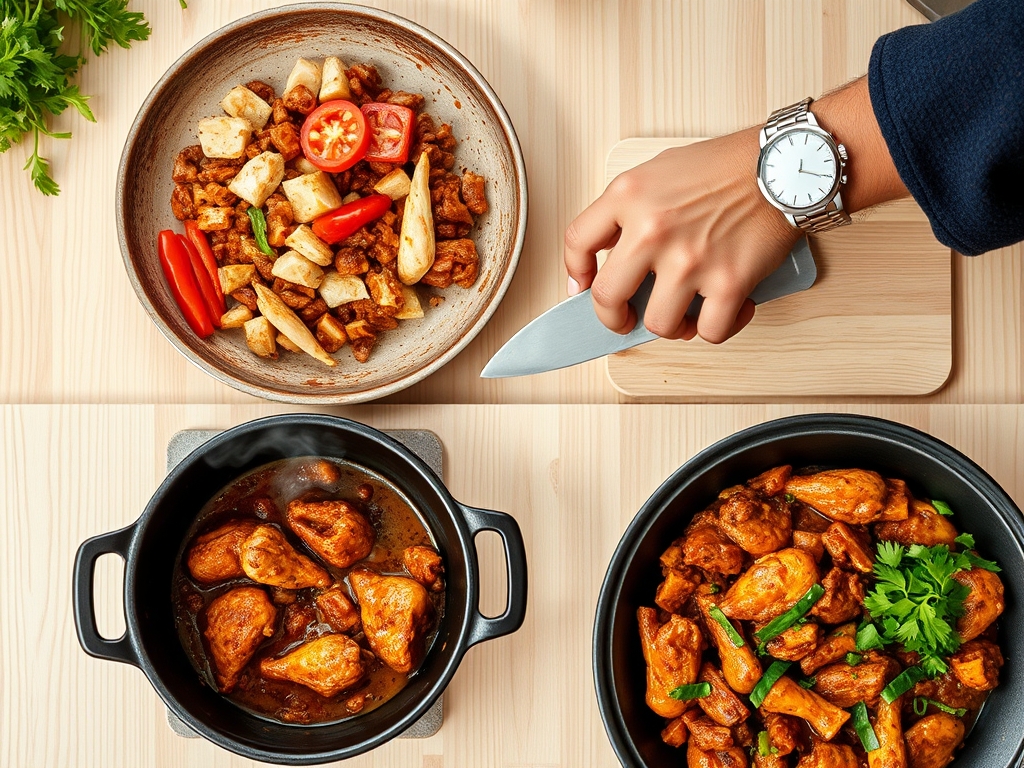
Before the chicken ever touches the ceramic pot, sear it in a hot skillet with high-smoke-point oil. Once a golden crust forms, remove the meat and use a splash of liquid to scrape up the brown bits (the fond).
Pro Tip: This relies on the Maillard Reaction. By browning the meat first, you create hundreds of new flavor compounds that a slow cooker cannot produce on its own due to the presence of moisture and lower temperatures.
2. Layering Aromatics
Place your hard vegetables like carrots or onions at the bottom of the pot. These require the most direct heat from the heating element located at the base of the unit.
Pro Tip: This is about thermal conductivity. Harder cell walls in root vegetables require sustained heat to break down hemicellulose, whereas the chicken can sit on top and gently steam in the rising vapors.
3. The Spice Bloom
Incorporate your dried spices into the sautéed onions for 60 seconds before adding them to the slow cooker. Use a silicone spatula to ensure no spice is left behind in the pan.
Pro Tip: Many flavor compounds in spices are lipid-soluble. Toasting them in oil "blooms" the flavor, allowing the volatile oils to dissolve into the fat, which then carries the flavor throughout the entire dish.
4. Controlled Liquid Ratio
Do not submerge the chicken completely. Add just enough liquid to cover about two-thirds of the ingredients. The chicken will release its own juices as the proteins contract.
Pro Tip: Excessive liquid leads to flavor dilution. A concentrated braising liquid ensures that the final sauce is savory and thick rather than watery and bland.
5. The Finishing Acid
Just before serving, stir in a squeeze of fresh lime juice or a teaspoon of apple cider vinegar. Use a saucier if you need to reduce the liquid further on the stovetop for a glaze-like consistency.
Pro Tip: Acid acts as a flavor enhancer. It balances the heavy fats and sugars, "brightening" the dish by stimulating the salivary glands and making the other flavors pop on the palate.
The Deep Dive:
Macro Nutrition: A standard serving of slow cooker chili chicken provides approximately 32g of protein, 12g of carbohydrates, and 8g of fat. It is a high-thermogenic meal, meaning your body burns more energy processing the protein and the capsaicin from the chilies.
Dietary Swaps:
- Keto: Replace beans with extra bell peppers or cauliflower florets to keep the net carbs under 10g.
- Vegan: Substitute chicken with "soy curls" or extra-firm tofu, and use a mushroom-based "umami" broth.
- GF: Ensure your chili powder blend does not contain anti-caking agents derived from wheat.
The Fix-It:
- Too Salty: Add a peeled, halved potato for the last 30 minutes. The starch acts as a sponge for excess sodium.
- Too Thin: Whisk a tablespoon of cold butter into the hot liquid (monter au beurre) to create a glossy, thick emulsion.
- Too Spicy: Stir in a dollop of Greek yogurt or sour cream. The casein in dairy binds to capsaicin, neutralizing the burn.
Meal Prep: When reheating, do not use a microwave if possible. Reheat in a small pot over medium heat, adding a tablespoon of water to rehydrate the gelatin. This restores the "day-one" silky texture that cold storage turns into a jelly-like state.
The Wrap-Up:
Mastering slow cooker chili chicken recipes is your ticket to effortless, gourmet weeknight dining. By understanding the molecular transition from tough collagen to tender gelatin and the importance of browning for the Maillard reaction, you have moved beyond being a recipe-follower to a true home chef. These dishes are forgiving, nutrient-dense, and incredibly satisfying. Now, grab your tongs, prep your aromatics, and let the slow cooker do the heavy lifting. Your future self will thank you when dinner is served.
The Kitchen Table:
How do I prevent my chicken from getting dry in the slow cooker?
Always use bone-in, skinless thighs for maximum moisture. The fat and connective tissue provide a natural buffer against overcooking. If using breasts, reduce the cook time by 90 minutes and use a digital thermometer to pull them at 165 degrees.
Can I put frozen chicken directly into the slow cooker?
No, this is a food safety risk. Frozen meat stays in the "danger zone" (40 to 140 degrees) for too long, allowing bacteria to multiply. Always thaw your poultry completely in the refrigerator before adding it to the pot.
Why does my chili taste bland even with spices?
You likely skipped the "blooming" phase or need more acidity. Try adding a splash of vinegar or a pinch of salt at the very end. Salt unlocks the flavor molecules, while acid provides the necessary contrast to the savory fats.
How long can I store leftover chicken chili?
Store leftovers in an airtight container for up to four days. For longer storage, freeze for up to three months. When thawing, do so in the fridge to maintain the integrity of the protein fibers and prevent a grainy texture.