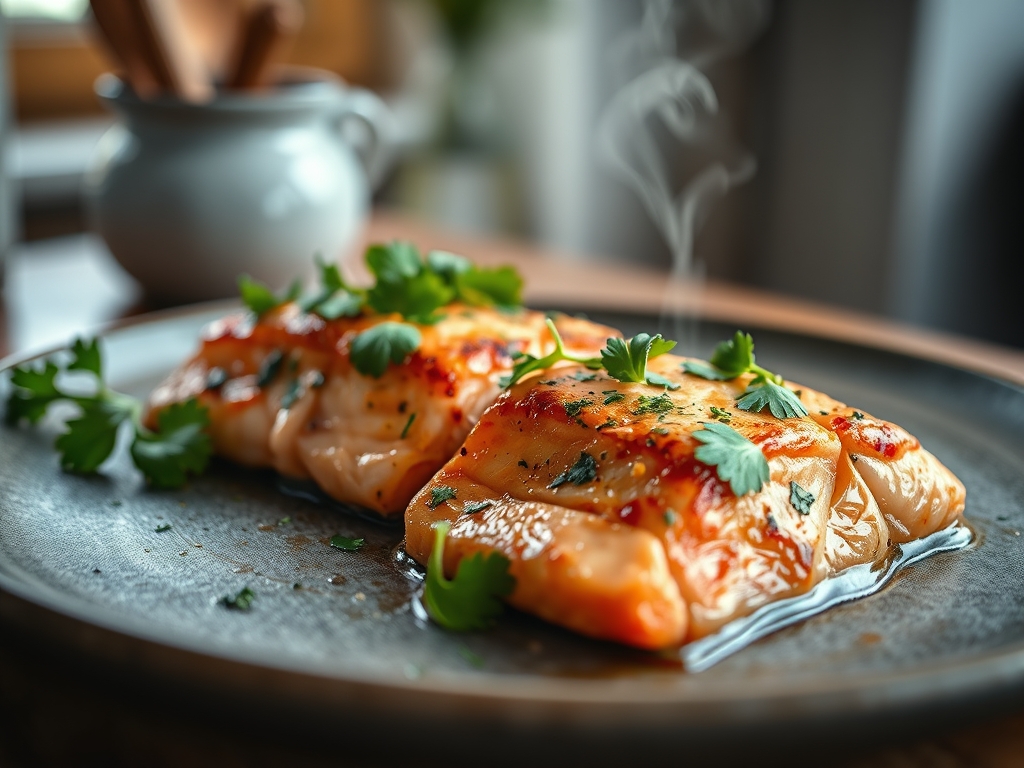
Imagine a heavy bottomed skillet sizzling on the stovetop; the sound is a rhythmic percussion that promises a transformative meal. As the cold, fatty flesh of the fish hits the shimmering oil, a cloud of aromatic steam rises to meet you. It is sharp, citrusy, and deeply green. Mastering cilantro salmon recipes is about more than just a quick dinner; it is an exercise in balancing the rich, omega 3 heavy profile of the Atlantic salmon with the volatile aldehydes found in fresh coriander leaves. When these two ingredients collide, the result is a bright, sophisticated flavor profile that cuts through the fat and awakens the palate. Whether you are searing a fillet to a perfect medium rare or baking it in a parchment parcel, the chemistry of the herb ensures that every bite is high definition. We are moving beyond basic seasoning and entering the realm of culinary precision, where temperature control and ingredient synergy turn a simple protein into a masterpiece of modern home cooking.
The Gathers:
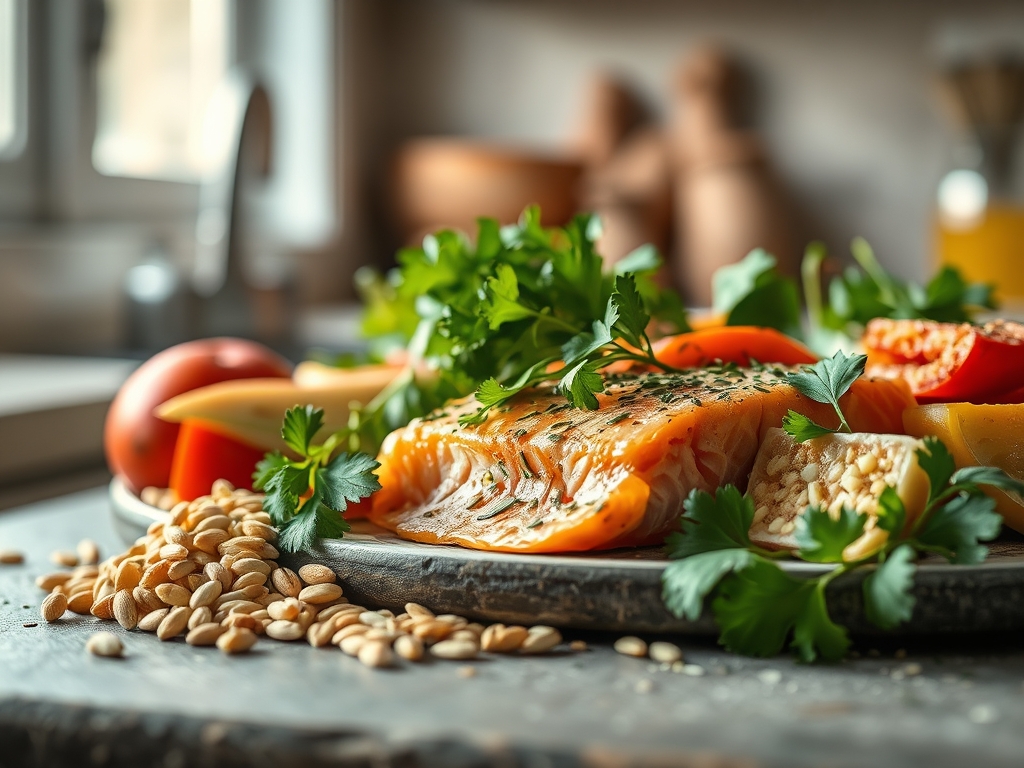
To execute these cilantro salmon recipes with professional finesse, your mise en place must be organized by molecular function. Start with the salmon itself; look for fillets with clear, translucent fat lines and a firm texture that springs back when pressed. You will need a high quality fat for searing, such as avocado oil or clarified butter, which both possess high smoke points to prevent the bitter decomposition of lipids. The cilantro must be vibrant and turgid. If it looks wilted, the essential oils have already begun to oxidize, leaving you with a soapy aftertaste instead of a piquant punch.
Your toolkit is just as vital as your ingredients. Reach for your microplane to zest limes without hitting the bitter white pith. Use a digital scale to ensure your salt ratios are exact; precision here prevents the osmotic withdrawal of too much moisture from the fish. You will also need a saucier if you plan on making a reduced cilantro lime emulsion to drape over the finished product.
Smart Substitutions:
If you are one of the unlucky few who find cilantro tastes like soap due to the OR6A2 gene, substitute with flat leaf parsley and a squeeze of lemon to mimic the brightness. If salmon is unavailable, Arctic char offers a similar fat content and structural integrity under high heat. For a dairy free richness in your sauces, reach for a viscous coconut cream instead of heavy cream to maintain that luxurious mouthfeel.
The Clock
Efficiency in the kitchen is governed by the Chef's Flow, which is the art of overlapping tasks to minimize downtime. For these cilantro salmon recipes, your active prep time should clock in at exactly 12 minutes. This includes the fine chiffonade of the herbs and the patting dry of the fish. The cooking phase is a swift 8 to 10 minutes depending on the thickness of the fillet.
The secret to professional timing is the rest period. Salmon continues to cook after it leaves the heat due to thermal carryover. By pulling the fish at an internal temperature of 125 degrees Fahrenheit and letting it rest for 4 minutes, you allow the muscle fibers to relax and reabsorb the juices. This ensures a moist, flaky texture rather than a chalky, overcooked mess.
The Masterclass
1. The Desiccation Phase
Before the fish ever touches the pan, you must use a paper towel to remove every trace of surface moisture. Moisture is the enemy of the Maillard reaction; if the skin is damp, it will steam rather than crisp.
Pro Tip: This is known as surface desiccation. By removing water, you allow the proteins and sugars to react at 285 degrees Fahrenheit, creating a golden brown crust that provides a structural and flavor contrast to the soft interior.
2. The Infusion Technique
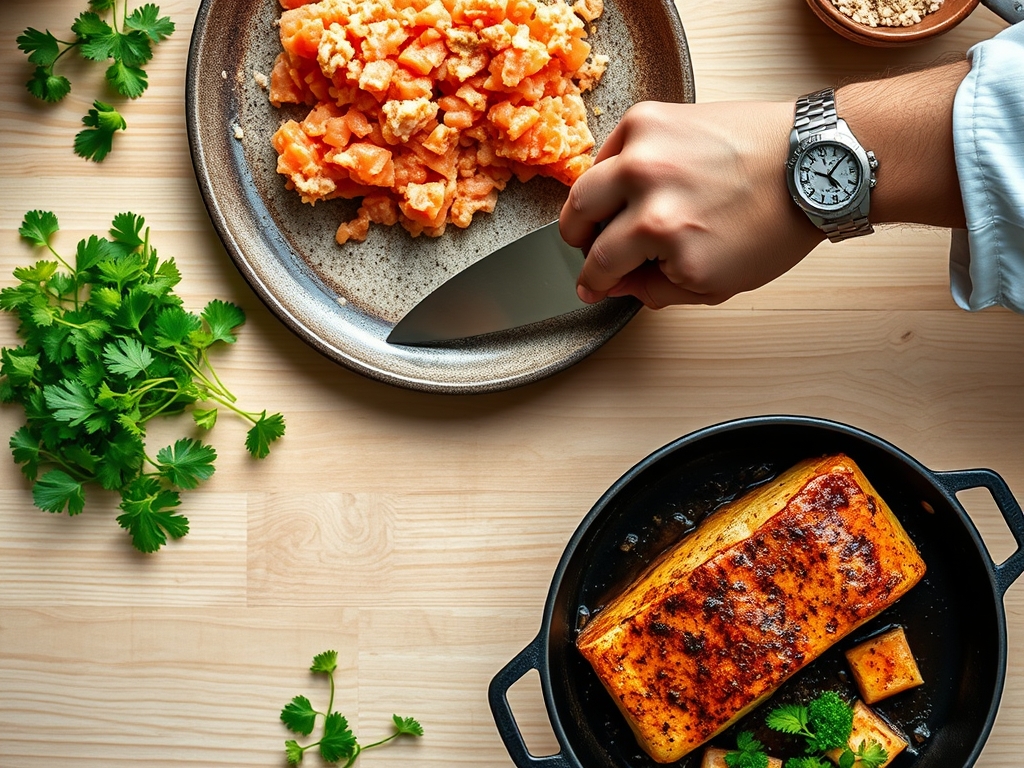
Create a paste using finely minced cilantro, garlic, and a neutral oil. Rub this only on the flesh side, not the skin side. Use your bench scraper to gather every bit of the herb paste to ensure no flavor is wasted.
Pro Tip: This is lipid based infusion. The aromatic compounds in cilantro are fat soluble. By mixing them with oil first, you create a vehicle that carries the flavor deep into the salmon's lamellae (the layers of muscle).
3. The High Heat Sear
Place the salmon skin side down into a preheated heavy bottomed skillet. Use your tongs to press the fillet down firmly for the first 30 seconds. This prevents the skin from curling as the collagen proteins contract.
Pro Tip: This technique manages protein denaturation. Pressing the fish ensures even heat distribution, leading to a uniform sear across the entire surface area of the skin.
4. The Deglaze and Emulsify
Once the fish is flipped and nearly finished, add a splash of lime juice and a knob of cold butter to the pan. Use a spoon to baste the foaming butter over the cilantro crust.
Pro Tip: This is a quick pan emulsion. The acidity of the lime deglazes the flavorful brown bits (fond) from the pan, while the cold butter creates a stable, creamy sauce that coats the fish perfectly.
The Deep Dive
Macro Nutrition
Salmon is a nutritional powerhouse, providing roughly 20 grams of protein and 13 grams of healthy fats per 100 gram serving. When paired with cilantro, you add a boost of Vitamin K and antioxidants. This combination is ideal for those tracking macros, as it provides high satiety with minimal carbohydrates.
Dietary Swaps
- Keto: This recipe is naturally keto friendly. Increase the fat content by serving with a side of avocado mashed with cilantro and lime.
- Vegan: Swap the salmon for thick "steaks" of cauliflower or firm tofu. Use a miso based glaze to replicate the savory depth of the fish.
- Gluten Free: Ensure your spices are certified gluten free; otherwise, this recipe is naturally safe for celiac diets.
The Fix-It: Common Pitfalls
- The Skin Sticks: This usually happens because the pan wasn't hot enough or you tried to flip the fish too early. The Fix: Wait for the protein to naturally release from the metal. If it sticks, give it another 30 seconds.
- The Cilantro Burns: High heat can turn fresh herbs bitter. The Fix: Add the majority of your fresh cilantro at the very end of the cooking process or as a cold garnish to preserve its delicate volatile oils.
- The White Stuff Appears: That white goop is albumin, a protein that pushes out when the fish is cooked too fast or too long. The Fix: Lower your heat and pull the fish slightly earlier to keep the albumin inside the muscle fibers.
Meal Prep: Reheating Science
Reheating salmon is a delicate task. To maintain "day one" quality, avoid the microwave, which vibrates water molecules and toughens the protein. Instead, use a low temperature oven (275 degrees Fahrenheit) with a splash of water and a foil cover to create a gentle steam environment. This prevents the fats from turning rancid and keeps the cilantro flavor bright.
The Wrap-Up
You are now equipped with the technical prowess to turn a simple piece of seafood into a restaurant grade experience. By understanding the relationship between heat, fat, and the volatile aromatics of cilantro, you have moved past following a script and into the realm of culinary intuition. Remember that the best cilantro salmon recipes are those where you trust your senses; listen for the sear, smell the release of the herbs, and watch for that perfect opaque flake. Now, grab your favorite skillet and get to work; your kitchen is about to smell incredible.
The Kitchen Table
Why does my cilantro taste like soap in this recipe?
This is likely due to a specific genetic trait (the OR6A2 gene) that detects aldehydes in cilantro as soapy. To fix this, try blanching the cilantro briefly or substituting it with a mix of fresh parsley and lemon zest.
Can I use dried cilantro for salmon recipes?
It is not recommended. The drying process destroys the essential oils and volatile compounds that give cilantro its signature bright, citrusy flavor. Stick to fresh bunches for the best aromatic profile and chemical synergy with the fatty fish.
How do I get the salmon skin extra crispy?
Ensure the skin is bone dry before cooking. Use a heavy bottomed skillet and high smoke point oil. Press the fish down with a spatula for the first minute to ensure maximum surface contact and even heat distribution.
What is the best way to store leftover cilantro salmon?
Store it in an airtight glass container in the refrigerator for up to two days. To preserve the texture, avoid freezing cooked salmon, as the ice crystals will rupture the delicate cell walls and result in a mushy texture.