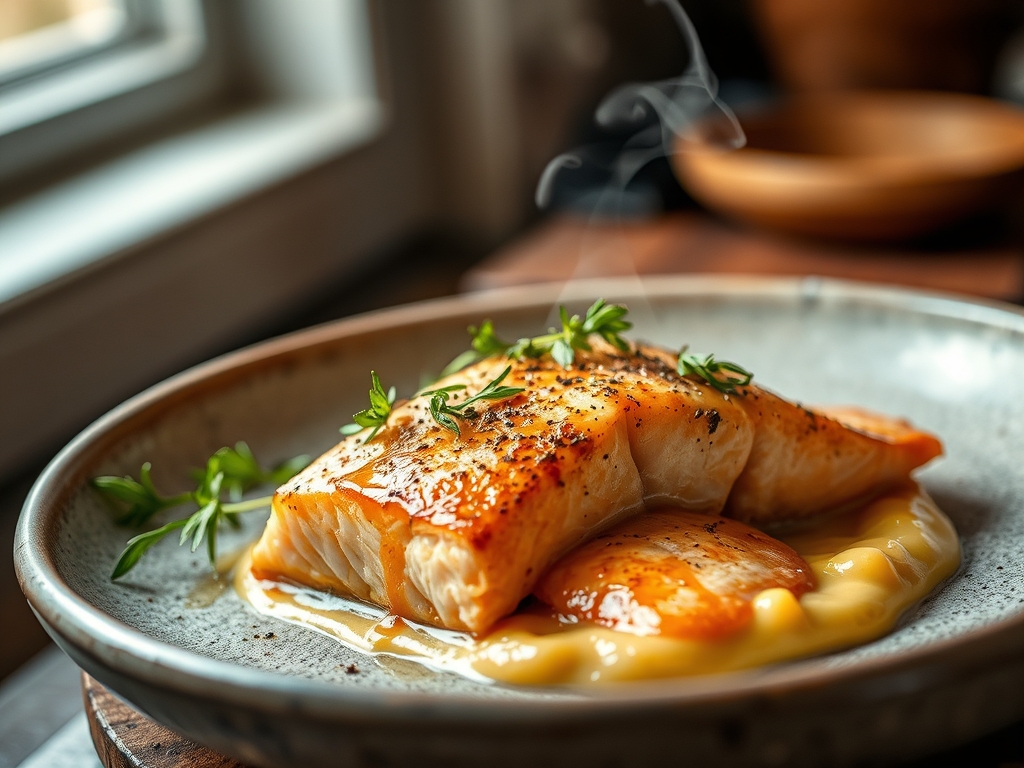
Imagine a sizzling cast iron skillet where a vibrant, coral-hued fillet develops a golden, lacquered crust. The aroma is a heady mix of toasted sesame, sea salt, and a whisper of smoke. You are not looking at a fish; you are witnessing the evolution of vegan salmon recipes that trick even the most discerning palates.
Creating the perfect plant-based alternative is not just about mimicry. It is about mastering the molecular architecture of flavor. We are moving far beyond the days of bland soy patties. By utilizing the fibrous nature of root vegetables or the protein density of tofu, we can replicate that iconic, buttery flake. Whether you are hosting a dinner party or prepping for a quiet weeknight, these vegan salmon recipes offer a sophisticated, sustainable, and utterly delicious way to satisfy that specific oceanic craving. We are going to dive deep into the chemistry of umami and the physics of texture to ensure your kitchen smells like a high-end bistro.
The Gathers:
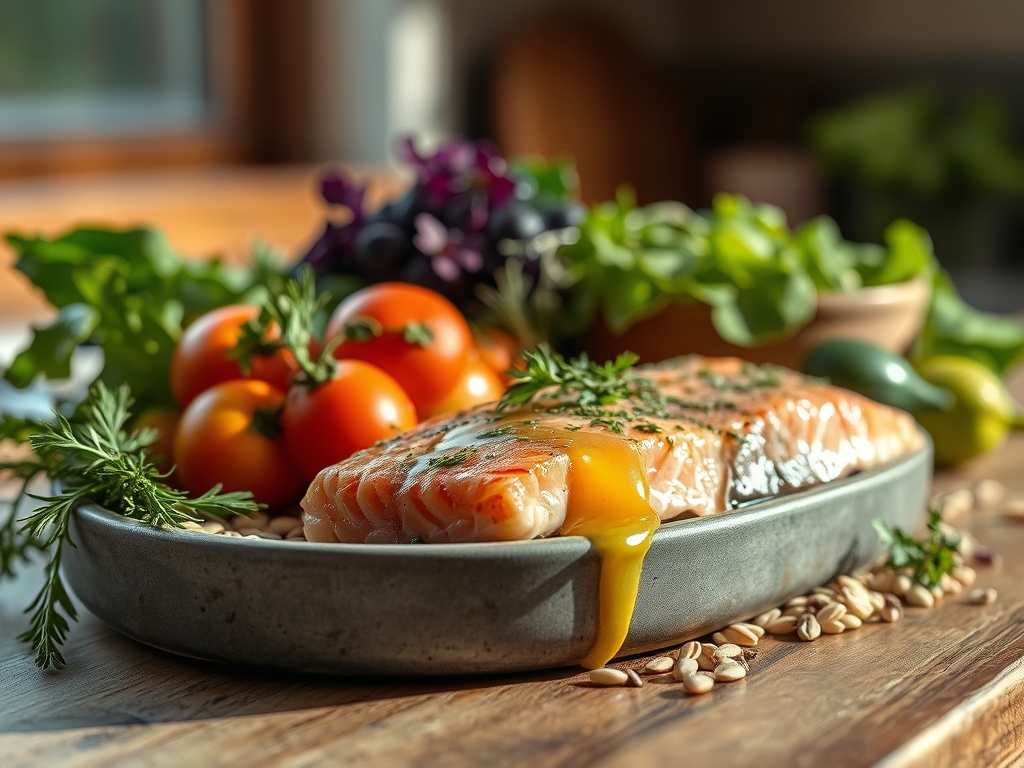
To achieve a convincing result, your mise-en-place must be precise. Our primary base involves large, organic carrots or firm blocks of extra-firm tofu. Carrots contain natural sugars that undergo beautiful caramelization, while tofu provides the necessary protein structure. For the "sea" element, you need high-quality nori sheets. When these are pulverized in a spice grinder, they release concentrated dimethyl sulfide, the compound responsible for that characteristic briny scent.
For the marinade, gather your liquid gold: white miso paste for fermented depth, liquid smoke for a wood-fired finish, and beet juice to provide that signature pink hue. You will also need flaxseed oil, which is high in alpha-linolenic acid, mimicking the viscous, fatty mouthfeel of real salmon. Use a microplane to zest fresh ginger and garlic, ensuring the aromatics are fine enough to permeate the cell walls of your base. Smart Substitutions include using king oyster mushroom stems for a "scallop-like" salmon texture or soaked rice paper for a crispy, translucent "skin" that bubbles when it hits hot oil.
The Clock:
Efficiency in the kitchen relies on what professionals call the "Chef's Flow." For these vegan salmon recipes, time is your most valuable ingredient. The active prep time is approximately 25 minutes, but the magic happens during the resting phase.
If you are using the carrot method, you must factor in a 15-minute steam to soften the cellulose fibers followed by a minimum 4-hour marinade. This allows for osmotic pressure to draw the brine into the center of the vegetable. If you are using tofu, a 20-minute press using a heavy weight or a dedicated tofu press is non-negotiable to remove excess moisture. Cooking itself is rapid; a quick 4-minute sear in a heavy-bottomed skillet or a 15-minute roast at 400 degrees Fahrenheit is all it takes to set the glaze. Always allow a 5-minute rest before serving to let the internal temperature stabilize.
The Masterclass:
1. Preparing the Base
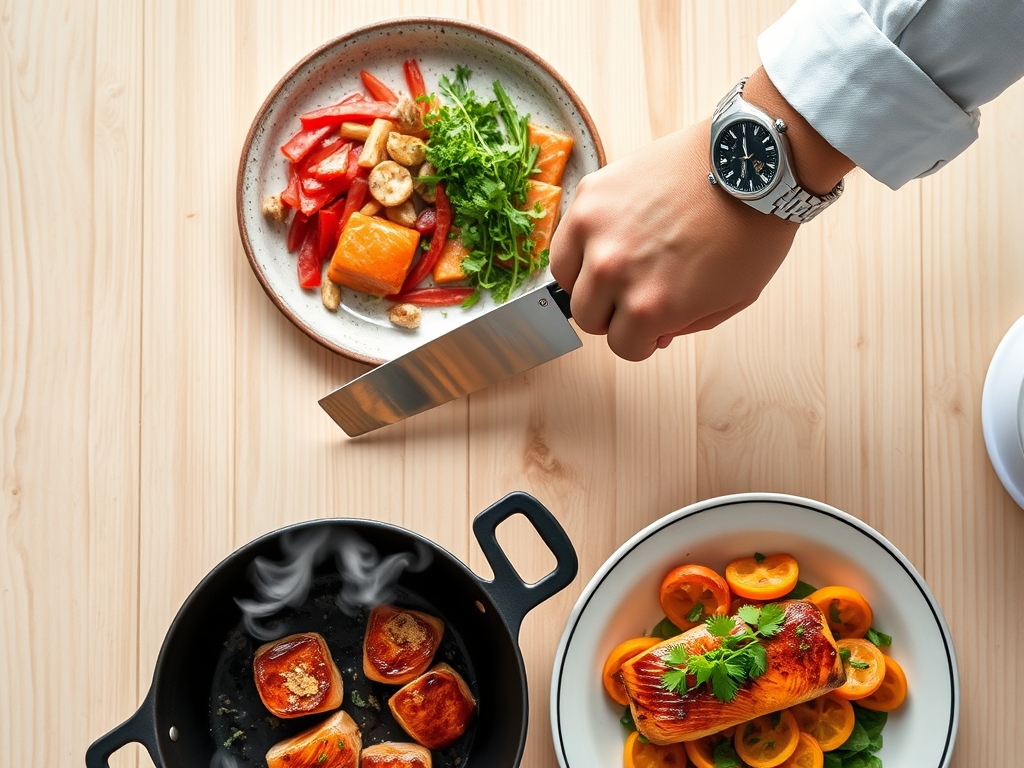
Whether using carrots or tofu, you must create surface area. Use a mandoline slicer for carrots to get uniform, translucent ribbons, or a bench scraper to cut tofu into clean, beveled rectangles.
Pro Tip: This increases the surface-to-volume ratio, ensuring the marinade penetrates deeply. In tofu, this creates more "hooks" for the sauce to cling to via capillary action.
2. The Brining Phase
Submerge your base in a mixture of soy sauce, miso, and beet juice. Ensure every millimeter is covered.
Pro Tip: Adding a pinch of salt here triggers denaturation in tofu proteins, making them firmer and more "meat-like" rather than crumbly.
3. Creating the Skin
Take a strip of nori and dampen it slightly. Wrap it around one side of your "fillet." Use a small amount of cornstarch slurry as an edible adhesive.
Pro Tip: The nori acts as a thermal barrier. When seared, it protects the delicate interior while becoming crisp, mimicking the collagen-rich skin of aquatic proteins.
4. The Sear and Deglaze
Heat a saucier or skillet with high-heat oil like avocado oil. Place the salmon skin-side down. Once a crust forms, flip and add a splash of vegetable stock or white wine.
Pro Tip: This process, known as deglazing, lifts the browned bits (fond) from the pan, incorporating them into a rich, emulsified pan sauce.
5. The Finishing Glaze
Brush a mixture of maple syrup and Dijon mustard over the top during the last 60 seconds of cooking.
Pro Tip: This is the Maillard reaction in overdrive. The sugars react with the amino acids in the miso to create a complex, savory-sweet crust that is visually stunning.
The Deep Dive:
When we look at the macro nutrition, vegan salmon recipes are powerhouses of fiber and antioxidants. While they may have less protein than traditional fish, using a tofu base provides roughly 15 grams per serving. To boost the Omega-3 profile, always finish with a drizzle of flax or algae oil.
For dietary swaps, these recipes are naturally dairy-free. To make them Keto-friendly, swap the maple syrup for monk fruit sweetener and use daikon radish instead of carrots. For a Gluten-Free version, ensure you use tamari instead of standard soy sauce.
The Fix-It: Common Pitfalls
- Soggy Texture: If your "salmon" is mushy, you likely skipped the pressing or pre-steaming phase. Ensure the base is patted dry before the sear.
- Lack of Flavor: This usually happens if the marinade was too cold. Room temperature marinades move faster into the food.
- Burnt Skin: Nori burns quickly. Keep the heat at medium-high and use tongs to monitor the underside constantly.
For meal prep, reheating is a science. Avoid the microwave, which turns plant fibers rubbery. Instead, use an air fryer at 350 degrees for 3 minutes. This restores the crispness of the nori and re-activates the fats in the glaze for "day-one" quality.
The Wrap-Up:
Mastering vegan salmon recipes is a total game-changer for your culinary repertoire. It is about more than just a meal; it is about the thrill of transformation. You are taking humble, earthy ingredients and elevating them into a centerpiece that commands respect. The combination of the salty nori, the buttery fats, and that perfect sear creates a symphony of textures that will leave your friends begging for the "secret" recipe. Get into that kitchen, grab your favorite skillet, and let the science of flavor do the heavy lifting. You have got this!
The Kitchen Table:
How do I make vegan salmon taste like the ocean?
The secret is nori and kelp powder. These sea vegetables contain the same minerals and brine-heavy compounds found in fish. Infusing your marinade with crushed nori provides an authentic, "fishy" depth of flavor without the actual fish.
What is the best base for vegan salmon?
For a "flaky" texture, use extra-firm tofu that has been frozen and thawed. For a "sashimi" style, use marinated carrots or tomatoes. Tofu offers the best protein profile, while vegetables provide a more realistic visual aesthetic.
Can I bake vegan salmon instead of frying?
Yes. Baking at 400 degrees Fahrenheit on a parchment-lined sheet allows for even heat distribution. This method is excellent for large batches. Just ensure you baste the fillets halfway through to prevent them from drying out in the oven.
How long does vegan salmon last in the fridge?
Stored in an airtight container, it stays fresh for up to four days. In fact, the flavor often improves on day two as the marinade continues to penetrate the base. Always reheat in a pan to maintain the texture.