
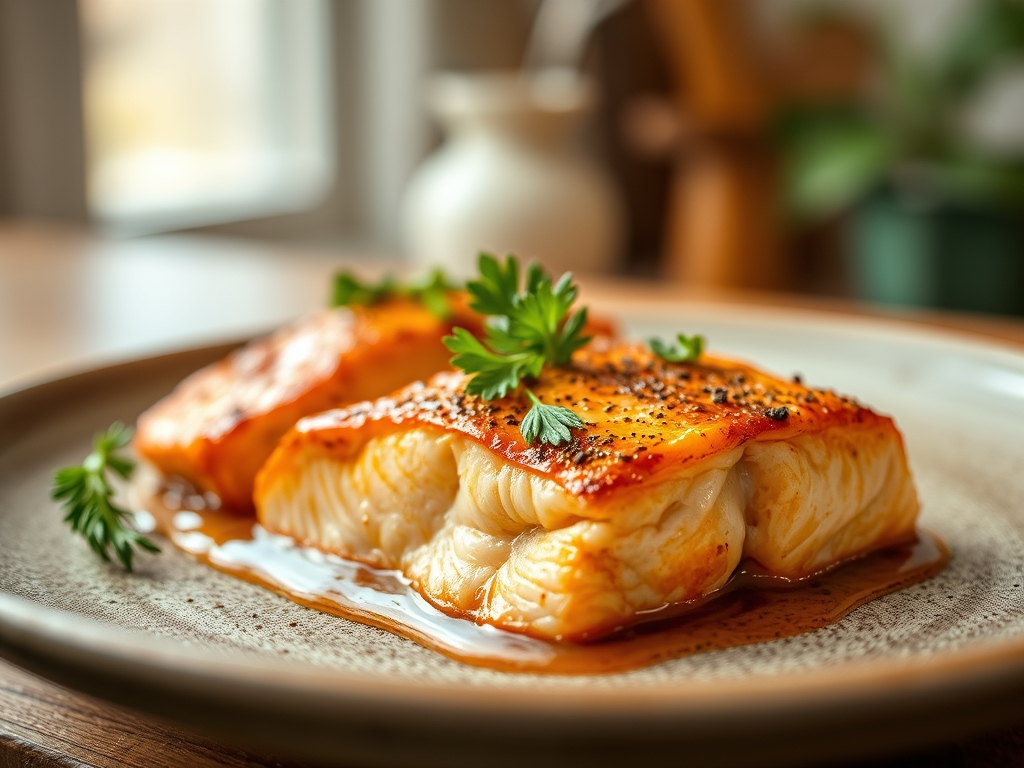
Imagine the sound of a cold, fatty fillet hitting a searing cast iron surface; the immediate hiss is a siren song for anyone obsessed with the perfect crust. When you introduce the heat of crushed peppers to the rich, omega-3 oils of a fresh catch, the result is nothing short of transformative. Exploring chili salmon recipes is not just about adding a kick to your dinner rotation; it is about understanding the delicate balance between lipid-heavy proteins and capsaicin-driven heat. We are moving beyond the basic dusting of spice. We are talking about deep infusions, lacquered glazes, and the kind of texture that shatters under a fork. Whether you prefer the slow burn of a fermented gochujang or the bright, acidic sting of a Thai bird eye chili, the science remains the same. We are here to master the art of the sear, the chemistry of the marinade, and the precise thermal control required to keep that center translucent and buttery while the exterior achieves a spicy, caramelized perfection.
The Gathers:
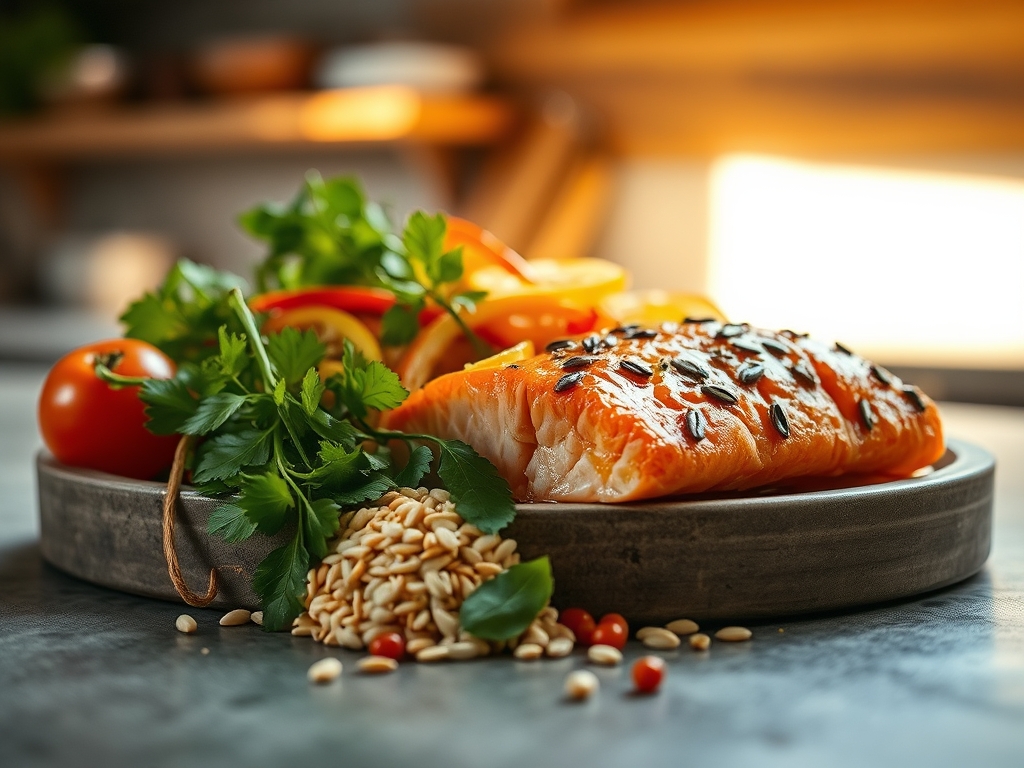
Setting up your station is more than just a chore; it is an exercise in chemical readiness. For these chili salmon recipes, you need high-quality Atlantic or King salmon fillets, preferably center-cut for uniform thickness. On your wooden board, gather your aromatics: fresh garlic, ginger, and your choice of heat. If you are using dried chilies, ensure they are vibrant and oily, not dusty. You will need a microplane to zest citrus and grate ginger into a fine, fibrous pulp that releases its essential oils immediately upon contact with the heat.
The liquid components are equally vital. You need a viscous sweetener like honey or maple syrup to act as a binder for the spices; this sugar also facilitates the Maillard reaction. For the fat, choose an oil with a high smoke point like avocado or grapeseed oil. Avoid extra virgin olive oil for the high-heat sear, as it will break down and turn bitter.
Smart Substitutions: If you are watching your sodium, swap traditional soy sauce for liquid aminos or coconut aminos. For those who find habaneros too aggressive, a Fresno chili offers a similar fruity profile with a much more manageable Scoville rating. If fresh ginger is unavailable, use a ginger paste rather than the dried powder to maintain that essential moisture and piquant bite.
The Clock:
Efficiency in the kitchen is about "Chef's Flow." This is the rhythmic sequence of tasks that ensures nothing sits getting soggy while something else burns. Total prep time for these recipes is approximately 15 minutes, with a cook time of 8 to 12 minutes depending on the thickness of your protein.
The flow begins with the "Chill Temper." Take your salmon out of the refrigerator 20 minutes before cooking. This allows the internal temperature to rise slightly, preventing the "thermal shock" that causes the muscle fibers to tighten and squeeze out moisture (that white stuff called albumin). While the fish tempers, you prepare your glaze in a small saucier. By the time your skillet is screaming hot, your mise-en-place is complete, and you are ready for the high-speed execution phase.
The Masterclass:
1. The Desiccation Ritual
Use a paper towel to pat the salmon skin and flesh bone-dry. Moisture is the enemy of the sear. If the surface is damp, the heat of the pan will spend its energy evaporating water rather than browning the protein.
Pro Tip: This is the science of surface evaporation. By removing surface water, you allow the temperature to climb above 300 degrees Fahrenheit instantly, triggering the Maillard reaction for a savory, complex crust.
2. The Spice Infusion
Rub your dry spices and chili flakes into the flesh, but avoid putting them on the skin if you want maximum crispness. Use a digital scale to ensure your salt-to-spice ratio is consistent.
Pro Tip: Capsaicin is fat-soluble. By rubbing the spices directly onto the fatty salmon, you are "blooming" the flavors, allowing the heat to permeate the fish rather than just sitting on top.
3. The High-Heat Contact
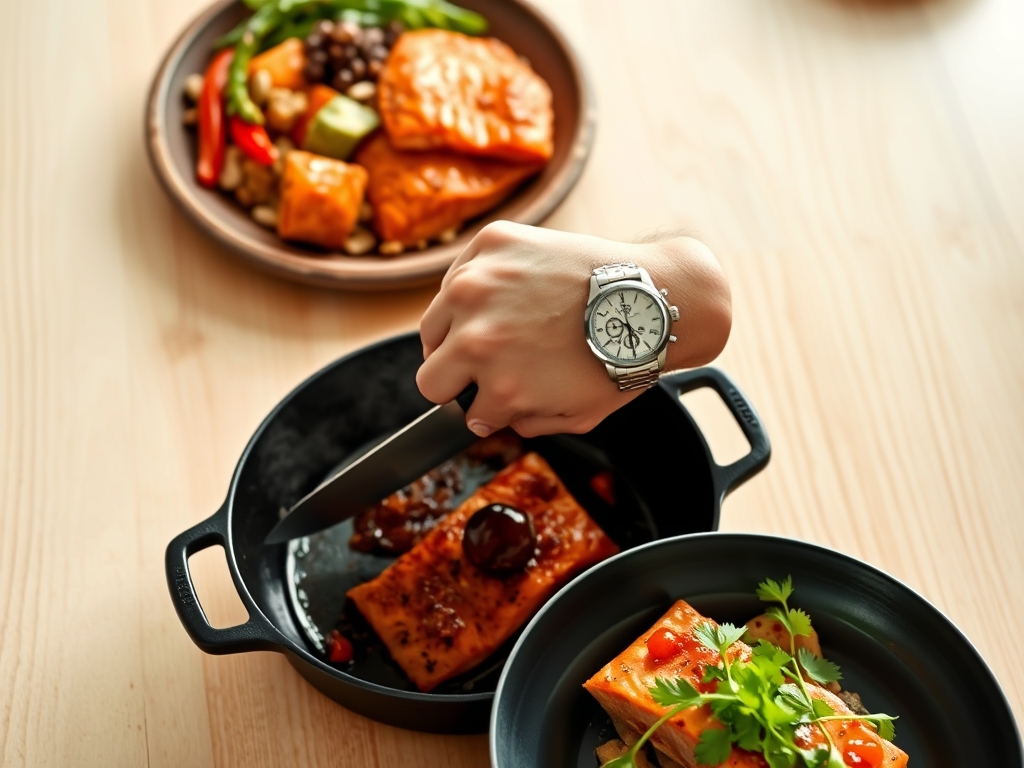
Heat your heavy-bottomed skillet until the oil shimmers. Lay the salmon skin-side down, pressing firmly with a flexible spatula for 10 seconds to prevent the skin from curling.
Pro Tip: This initial pressure ensures maximum contact with the heat source. The skin acts as an insulator, protecting the delicate flesh while the subcutaneous fat renders out, essentially frying the skin in its own oil.
4. The Glaze Application
Once you flip the fish, reduce the heat. Use a brush to apply your chili-honey glaze. The sugars will begin to bubble and thicken almost instantly.
Pro Tip: This is caramelization. Because the glaze contains sugars, you must lower the heat to prevent burning. The glaze will emulsify with the rendering fats to create a sticky, piquant lacquer.
5. The Arrosé Technique
Toss a knob of butter and your sliced chilies into the pan. Use a large spoon to continuously baste the hot, spicy butter over the fish.
Pro Tip: This provides convection heating. The hot fat carries the flavor of the chilies into every crevice of the fillet, ensuring the interior stays succulent while the exterior reaches its final temperature.
6. The Carryover Rest
Remove the salmon from the pan when it is about 5 degrees below your target temperature (usually at 125 degrees Fahrenheit for medium-rare). Place it on a warm plate.
Pro Tip: This is thermal carryover. The residual heat on the surface continues to move toward the center even after the fish is removed from the heat source, preventing overcooking.
7. The Final Acid Hit
Just before serving, squeeze fresh lime juice over the top. Use your tongs to garnish with fresh herbs and sliced raw chilies for a texture contrast.
Pro Tip: Acid acts as a flavor "brightener." It cuts through the heavy lipids of the salmon and the sugar of the glaze, creating a balanced, multi-dimensional profile.
The Deep Dive:
Macro Nutrition: A standard 6-ounce serving of chili-infused salmon provides roughly 34 grams of high-quality protein and 22 grams of heart-healthy fats. The capsaicin in the chilies can actually provide a slight metabolic boost, while the astaxanthin in the salmon (the pigment that makes it pink) is a powerful antioxidant.
Dietary Swaps: To make this Keto, replace the honey or sugar in the glaze with a monk fruit sweetener or simply use a chili-garlic oil. For a Vegan alternative, this same chili-glaze technique works beautifully on thick slabs of "Tofu Steaks" or cauliflower steaks. Ensure your soy sauce is certified Gluten-Free or use tamari.
The Fix-It:
- Skin is sticking: You likely tried to flip it too early. The fish will naturally "release" from the pan once the proteins have denatured and formed a crust.
- Glaze is burning: Your pan is too hot. Add a splash of water or rice vinegar to the pan to instantly drop the temperature and deglaze the browned bits.
- White stuff (Albumin) everywhere: You cooked it too fast or too long. Next time, lower your finishing heat and pull the fish earlier.
Meal Prep: To reheat salmon without it becoming rubbery, avoid the microwave. Use a low-temperature oven (275 degrees Fahrenheit) with a splash of water in the dish, covered with foil. This creates a steam chamber that rehydrates the proteins, maintaining that day-one flakiness.
The Wrap-Up:
Mastering chili salmon recipes is a total game-changer for your culinary repertoire. It is the perfect marriage of high-heat technique and bold, aggressive flavoring. Once you understand how capsaicin interacts with fats and how sugars behave under heat, you stop following recipes and start creating experiences. Grab your heavy-bottomed skillet, prep those chilies, and get ready to serve a dish that is as smart as it is delicious. Your kitchen is about to smell incredible.
The Kitchen Table:
How do I get the skin extra crispy?
Ensure the skin is bone-dry before it hits the pan. Use a bench scraper to remove excess moisture from the skin surface and sear it on medium-high heat without moving it for at least four minutes.
Can I use frozen salmon for these recipes?
Yes, but thaw it completely in the refrigerator. Pat it dry thoroughly, as frozen fish tends to release more moisture. This prevents the fish from poaching in its own liquid rather than searing.
What is the best chili for a beginner?
Start with a Fresno chili or a mild Jalapeno. They provide a beautiful red color and a subtle warmth without the overwhelming "burn" of a habanero or a Thai bird eye chili.
How long can I marinate the salmon in chili sauce?
Limit marination to 30 to 60 minutes. Because salmon is a delicate protein, the acids and salts in the marinade will begin to "cook" the fish (like ceviche) if left too long.
What tools are essential for the perfect sear?
A cast iron or stainless steel skillet is non-negotiable for heat retention. A thin, flexible fish spatula is also vital for flipping the fillet without breaking the delicate flesh or skin.