
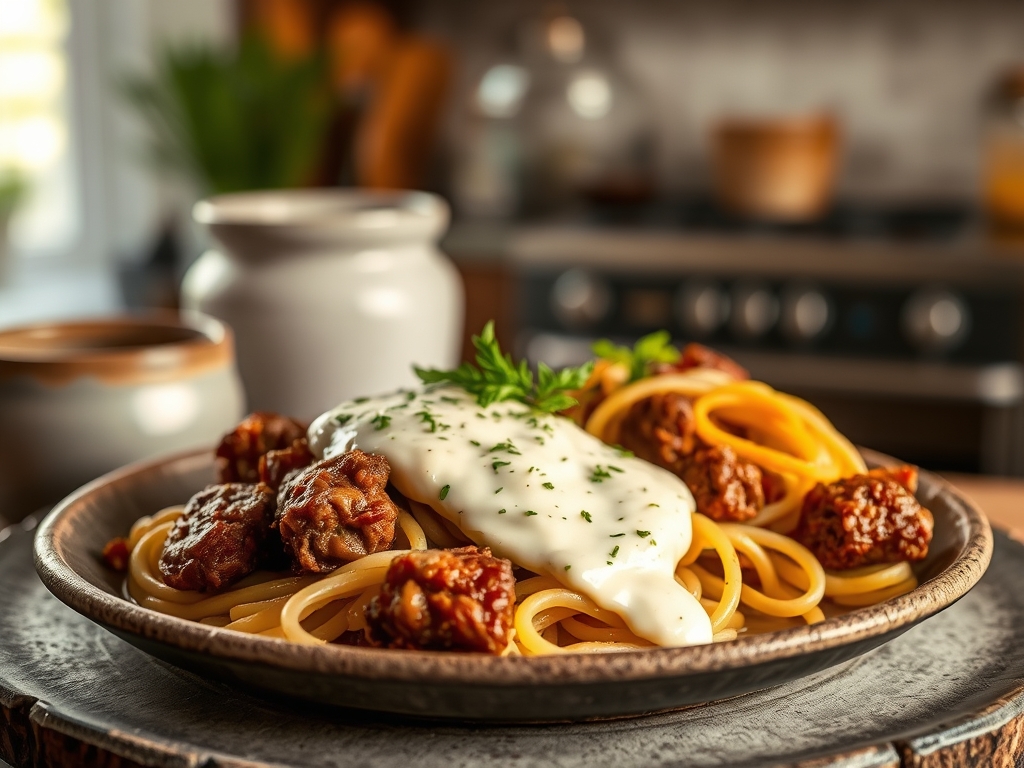
Imagine a world where the rugged, savory depth of a seared burger meets the velvet embrace of a classic Roman white sauce. If that sounds like a fever dream of comfort food, welcome to the reality of alfredo and ground beef recipes. This is the ultimate culinary collision; it is the high-low mix of the food world that delivers maximum dopamine with every forkful. We are moving far beyond the blue box and the jarred sauce today. We are talking about building a bridge between the Maillard reaction and emulsion science to create a dinner that feels like a warm hug but tastes like a five-star bistro.
The secret to why alfredo and ground beef recipes work so well lies in the contrast of textures. You have the crumbly, salty, browned bits of beef cutting through a thick, buttery, parmesan-heavy landscape. It is a balancing act of lipids and proteins. Whether you are looking for a thirty-minute weeknight savior or a slow-simmered weekend project, this flavor profile is a chameleon. It adapts to spice, it welcomes greens, and it demands high-quality ingredients. Let us get your kitchen smelling like a professional saucier's station.
The Gathers:
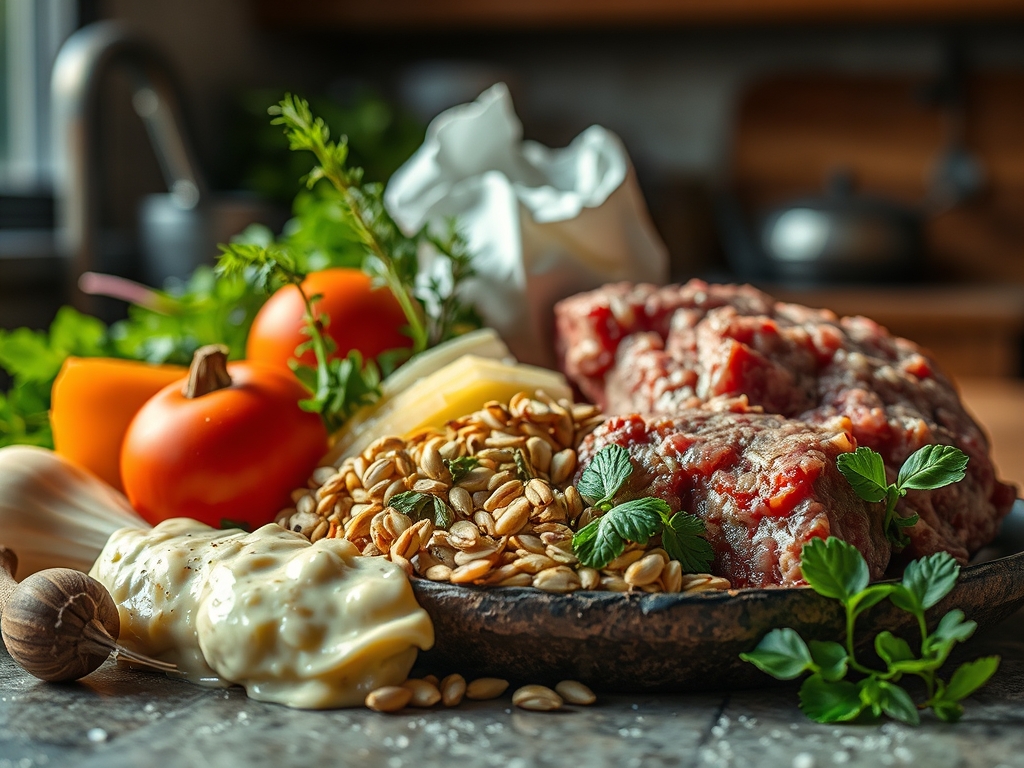
To master these alfredo and ground beef recipes, your mise-en-place must be precise. We are looking for high-fat ground beef, ideally an 80/20 blend. This ratio ensures that as you render the fat, you create a flavorful base for your sauce without the meat becoming desiccated. For the cheese, skip the pre-shredded bags; they are coated in potato starch or cellulose which prevents a smooth melt. Grab a block of Parmigiano-Reggiano and use your microplane to create a mountain of airy, snow-like shavings.
Your dairy should be heavy cream with at least 36 percent milkfat. This high fat content provides the stability needed to prevent the sauce from "breaking" when heat is applied. You will also need unsalted European-style butter, which has a lower water content than standard sticks. For the aromatics, fresh garlic is non-negotiable. Use a garlic press or a sharp knife to create a fine paste, ensuring the flavor infuses the fat without leaving bitter, burnt chunks.
Smart Substitutions:
If you want to lighten the profile, swap half the beef for ground turkey, but add a dash of Worcestershire sauce to mimic the umami of red meat. For a sharper bite, replace 25 percent of the Parmesan with Pecorino Romano. If you find yourself out of heavy cream, a liaison of whole milk and a small amount of cornstarch can work in a pinch, though the mouthfeel will be less viscous.
The Clock
Efficiency in the kitchen is about the "Chef's Flow." For most alfredo and ground beef recipes, you are looking at a 10-minute prep and a 20-minute cook time. The trick is to synchronize your pasta water with your beef browning. Start your large pot of salted water first; it takes longer to reach a boil than it takes to brown meat.
By the time your pasta hits the "al dente" stage, your beef should be fully rendered and your sauce should be thickening in your heavy-bottomed skillet. This overlap ensures the pasta is hot and porous when it meets the sauce, allowing for maximum absorption. Total time from pantry to table is roughly 30 minutes, making this a high-efficiency power meal.
The Masterclass
1. Sear and Render the Beef
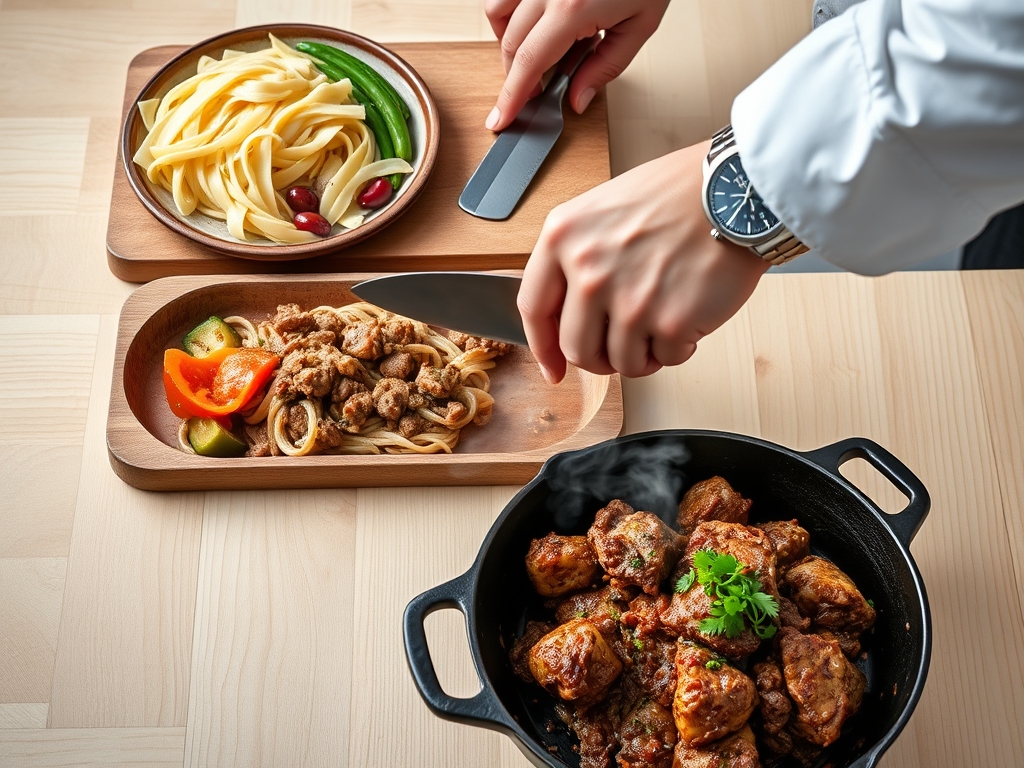
Place your ground beef in a cold saucier or skillet and turn the heat to medium-high. Do not crowd the pan. Use a meat masher or a wooden spoon to break the protein into small, uniform crumbles. Let it sit undisturbed for three minutes to develop a deep brown crust.
Pro Tip: This is the Maillard reaction in action. By not stirring constantly, you allow the surface temperature to rise high enough for amino acids and reducing sugars to create complex flavor compounds.
2. Deglaze and Sauté Aromatics
Once the beef is browned, push it to the perimeter of the pan. If there is excessive grease, use a spoon to remove all but two tablespoons. Add your minced garlic and a pinch of red pepper flakes to the center. Once fragrant, use a splash of beef broth or dry white wine to deglaze the pan, scraping up the "fond" (the brown bits) from the bottom.
Pro Tip: Deglazing is essential because the fond contains concentrated umami. The liquid releases these particles, integrating them back into the sauce for a deeper color and taste.
3. Build the Emulsion
Lower the heat to medium. Pour in your heavy cream and add the butter. Bring the mixture to a gentle simmer, but never a rolling boil. Slowly whisk in your microplaned cheese in three stages, waiting for each batch to melt before adding the next.
Pro Tip: This is an emulsification process. Adding cheese slowly prevents the proteins from clumping together, ensuring the fat from the butter and cream stays suspended in a smooth, velvety liquid.
4. The Marriage of Pasta and Sauce
Transfer your cooked pasta directly from the water into the skillet using tongs. Do not drain the pasta in a colander. Toss the noodles vigorously with the beef and sauce, adding a half-cup of starchy pasta water to the pan.
Pro Tip: Starchy pasta water acts as a binder. The amylose leached from the pasta helps the sauce cling to the noodles rather than sliding off to the bottom of the bowl.
5. The Final Rest
Remove the pan from the heat and let it sit for two minutes before serving. Garnish with fresh parsley and a final dusting of cheese.
Pro Tip: This accounts for thermal carryover. As the sauce cools slightly, it thickens to its final serving consistency. Resting also allows the flavors to meld and stabilize.
The Deep Dive
When we look at the macro nutrition of alfredo and ground beef recipes, we are looking at a high-protein, high-fat profile. A standard serving contains roughly 600-800 calories, with 35g of protein and 45g of fat. It is a dense meal designed for satiety.
Dietary Swaps:
- Keto: Replace the pasta with roasted cauliflower florets or zoodles. The sauce itself is naturally low-carb.
- Vegan: Use cashew cream, nutritional yeast, and a plant-based "beef" crumble.
- Gluten-Free: Ensure your pasta is made from brown rice or quinoa, as these hold up best in heavy sauces.
The Fix-It:
- Grainy Sauce: This happens if the heat was too high. Fix it by whisking in a tablespoon of warm heavy cream off the heat to smooth the texture.
- Thin Sauce: If it looks like soup, simmer for two more minutes or add more cheese. The cheese acts as a natural thickener.
- Bland Beef: If the meat tastes flat, add a teaspoon of piquant Dijon mustard or a drop of liquid smoke during the browning phase.
Meal Prep Science:
Alfredo is notorious for separating when reheated. To maintain "day-one" quality, do not use a microwave on high power. Instead, reheat in a small saucepan over low heat, adding a splash of milk or water to aerate and re-emulsify the fats.
The Wrap-Up
Mastering alfredo and ground beef recipes is like learning a secret handshake in the culinary world. It is about understanding how fat, heat, and starch play together to create something much greater than the sum of its parts. You have the tools, the science, and the technique; now go turn that pound of beef into a masterpiece. Your kitchen is your lab, and dinner is the best experiment you will run all week!
The Kitchen Table
Can I use milk instead of heavy cream?
Yes, but you must create a roux first. Whisk flour into melted butter before adding milk to ensure the sauce thickens. Without the high fat of cream, the sauce will be thinner and less stable under high heat.
What is the best pasta shape for this recipe?
Fettuccine is classic, but penne or rigatoni are superior for ground beef recipes. The hollow centers and ridges capture the meat crumbles and sauce, ensuring you get every component in a single, balanced bite.
How do I prevent the beef from being greasy?
Always drain the excess fat after browning but before adding your cream. Leaving about one to two tablespoons provides flavor; leaving more can cause the sauce to separate and feel heavy on the palate.
Can I freeze beef alfredo?
Freezing is not recommended for cream-based sauces. The emulsion often breaks during the thawing process, resulting in a grainy texture. It is best enjoyed fresh or kept in the refrigerator for up to three days.