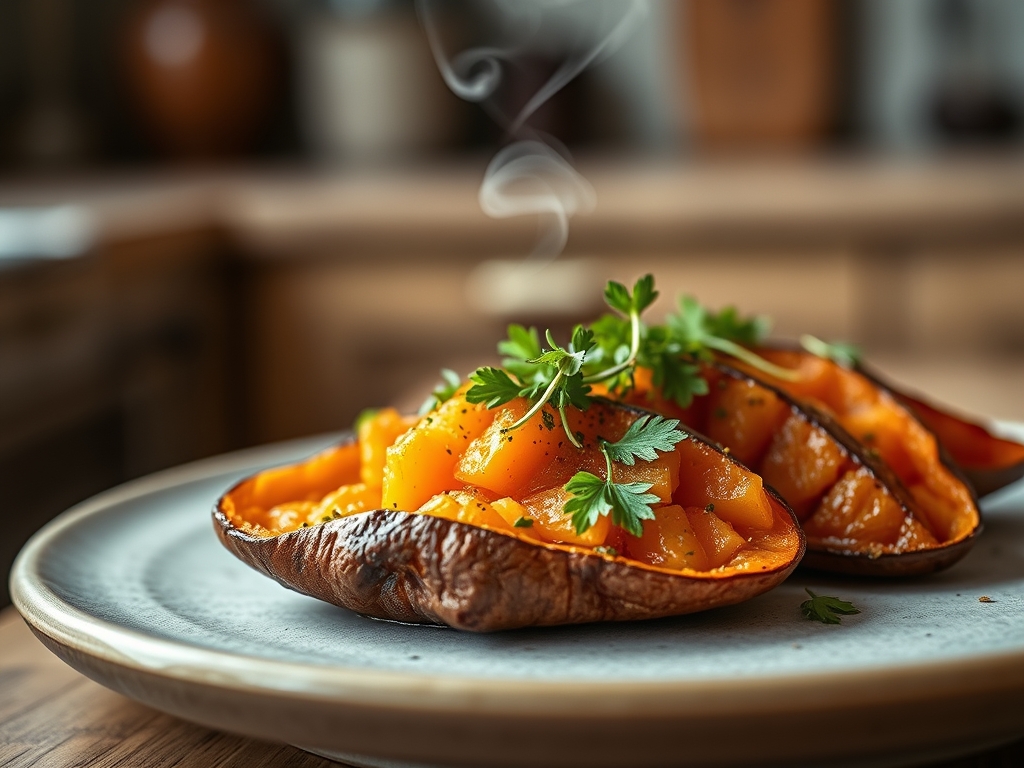
Imagine a kitchen filled with the scent of bubbling brown butter and roasting sugars; it is the olfactory equivalent of a cashmere blanket. When we talk about ina garten sweet potato recipes, we are not just discussing a side dish; we are mastering the art of the Barefoot Contessa style elegance. It is about taking a humble, earth-caked tuber and transforming it into a velvety masterpiece through the magic of high-heat roasting and strategic seasoning. We want that perfect balance of a caramelized exterior and a crumbly, custard-like interior that practically melts on the tongue.
To get there, we have to look past the marshmallow-topped casseroles of the past. Ina teaches us that the secret lies in high-quality fats and the precise application of salt to cut through the natural glucose of the vegetable. Whether you are prepping for a boisterous holiday dinner or a quiet Tuesday night, these eight secrets will elevate your vegetable game to professional status. Grab your favorite heavy-bottomed sheet pan and a glass of "good" vanilla; we are diving deep into the chemistry of comfort.
The Gathers:
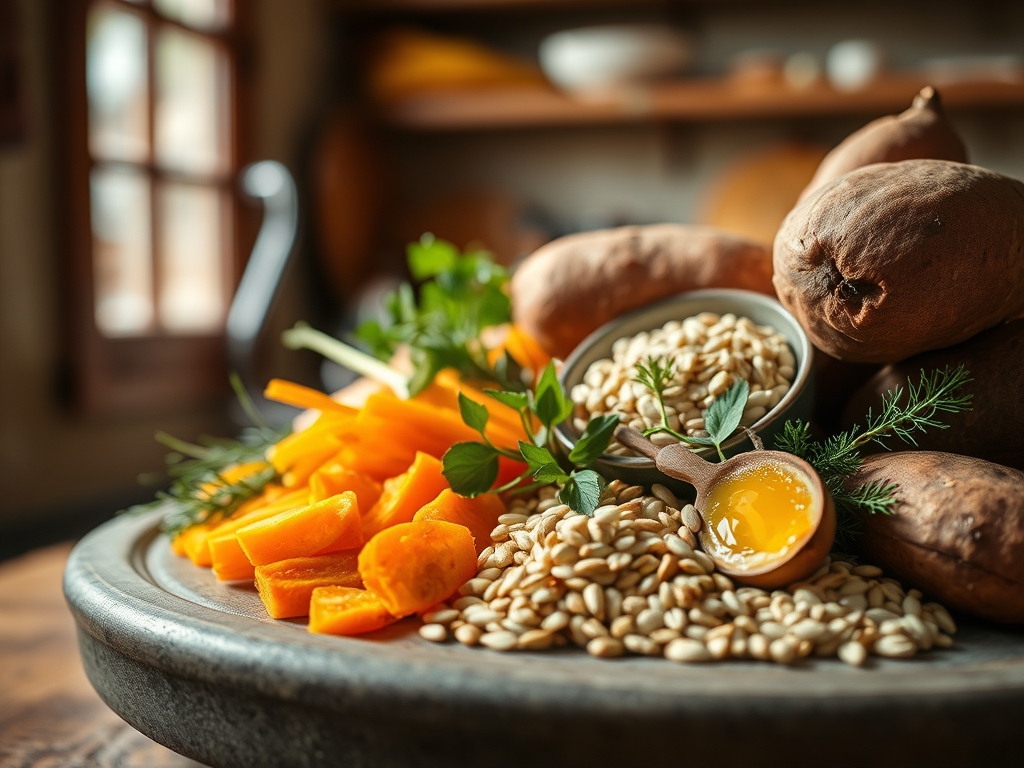
Before we strike a match, we must assemble our mise-en-place with surgical precision. Start with four pounds of Beauregard or Jewel sweet potatoes. These varieties contain the specific starch-to-sugar ratio required for a viscous texture once roasted. You will also need "good" olive oil; look for a bottle with a harvest date to ensure the polyphenols are intact. For the flavor profile, gather kosher salt (the coarse grains are essential for tactile control), freshly cracked black pepper, and a bunch of fresh rosemary.
The supporting cast includes unsalted European-style butter, which has a lower water content and higher butterfat for superior emulsification. You will also need pure Grade A maple syrup; do not reach for the "pancake syrup" which is merely flavored corn syrup. Finally, keep a fresh orange nearby. We will use a microplane to zest the skin, releasing essential oils that provide a piquant counterpoint to the heavy sugars.
Smart Substitutions: If you are looking to pivot, swap the maple syrup for hot honey to add a capsaicin kick. If rosemary feels too woodsy, fresh thyme offers a more delicate, floral note. For a dairy-free version, high-quality coconut oil provides a similar saturated fat structure that mimics the mouthfeel of butter without the lactose.
The Clock:
Efficiency in the kitchen is all about the "Chef's Flow." This process requires approximately 15 minutes of active prep time and 45 to 50 minutes of passive roasting time. The flow starts with the oven preheat; never put your vegetables in a cold oven. While the air oscillates to 400 degrees Fahrenheit, you handle your knife work.
Once the potatoes are in, you have a 45-minute window to prepare the rest of your meal or, in true Ina fashion, pour a drink and check the garden. The final five minutes are for the "finish," where we add the fresh herbs and zest to ensure the volatile oils do not burn away in the high heat. Total time from pantry to table is roughly 65 minutes.
The Masterclass:
1. The Uniform Cube
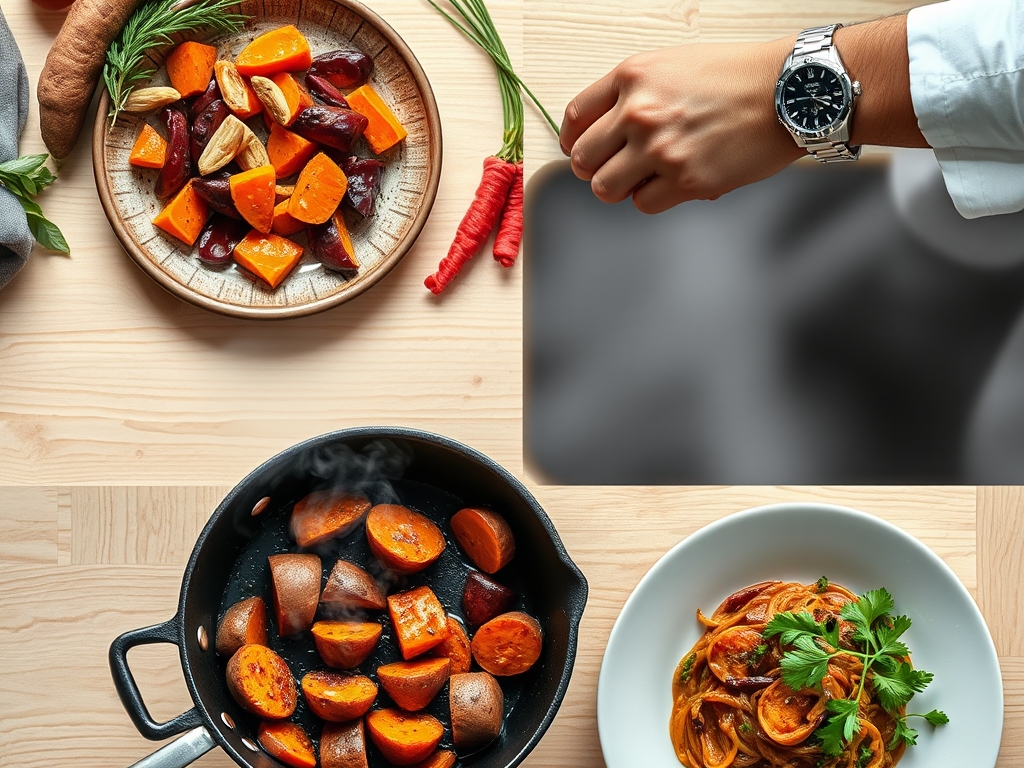
Using a sharp chef's knife or a bench scraper to organize your workspace, peel and cut the potatoes into 1-inch cubes. Consistency is not just for aesthetics; it ensures that every piece finishes cooking at the exact same moment, preventing a mix of mushy and undercooked bites.
Pro Tip: This prevents enzymatic browning. If you are prepping ahead, submerge the cut cubes in cold water to block oxygen from reaching the surface phenols, keeping the flesh vibrant orange.
2. The Oil Emulsion
In a large bowl, toss the cubes with olive oil, salt, and pepper. You want a thin, even coat on every surface. Do not overcrowd the pan; if the potatoes are touching, they will steam rather than roast, resulting in a flaccid texture.
Pro Tip: The oil acts as a heat conductor. This facilitates the Maillard reaction, a chemical reaction between amino acids and reducing sugars that gives browned food its distinctive flavor.
3. The High-Heat Roast
Spread the potatoes on a sheet pan and roast at 400 degrees. Halfway through, use tongs or a metal spatula to flip them. You are looking for dark brown edges and a puffed appearance.
Pro Tip: Watch for thermal carryover. Remove the potatoes when they are just tender; the internal residual heat will continue to cook the starch granules for several minutes after they leave the oven.
4. The Butter Infusion
While the potatoes are hot, toss them with a few tablespoons of melted butter and a drizzle of maple syrup. The heat of the vegetable will render the butter further, creating a glaze that clings to the nooks and crannies.
Pro Tip: Adding fats at the end preserves the delicate volatile compounds in the butter that would otherwise smoke or break down at high roasting temperatures.
5. The Acid Balance
Zest a fresh orange directly over the bowl using a microplane. The citrus acid cuts through the density of the starch, brightening the entire flavor profile and making the dish feel lighter.
Pro Tip: Citric acid acts as a flavor enhancer similar to salt; it "wakes up" the taste buds by stimulating saliva production, which helps distribute flavors across the palate.
6. The Herbaceous Finish
Finely mince fresh rosemary and sprinkle it over the glazed potatoes. The residual heat will infuse the oil and butter with the herb's resinous aroma without making the leaves bitter.
Pro Tip: Fresh herbs contain delicate oils that degrade under prolonged heat. Adding them in the final "carryover" stage ensures maximum aromatic impact.
The Deep Dive:
From a nutritional standpoint, sweet potatoes are a powerhouse of Beta-carotene and fiber. One serving provides over 400 percent of your daily Vitamin A needs. To keep this Keto-friendly, omit the maple syrup and use a monk fruit sweetener or simply rely on the natural caramelization of the potato. For a Vegan twist, use a high-quality vegan butter made from avocado or olive oil to maintain that creamy mouthfeel.
The Fix-It:
- Soggy Potatoes: Usually caused by overcrowding. Use two sheet pans instead of one to allow steam to escape.
- Burnt Syrup: If you add the maple syrup too early, the sugars will scorch. Always add sweeteners in the last 5 to 10 minutes of roasting.
- Bland Interior: This happens when salt is only applied at the end. Season the raw cubes heavily so the salt can penetrate the cell walls during the cooking process.
Meal Prep Science: To reheat and maintain "day-one" quality, avoid the microwave, which turns starches gummy. Instead, use a saucier or a skillet over medium heat with a teaspoon of water and a lid. This creates a mini-steam chamber that rehydrates the center while the pan crisps the bottom.
The Wrap-Up:
There is a reason why ina garten sweet potato recipes remain the gold standard for home cooks everywhere. It is the intersection of logic and luxury. By understanding how sugars caramelize and how fats carry flavor, you turn a simple root vegetable into the star of the show. Remember to trust your oven, use the "good" ingredients, and never skip the citrus zest. Now, go forth and roast with confidence; your dinner guests will thank you.
The Kitchen Table:
Why are my sweet potatoes soft instead of crispy?
Softness usually results from overcrowding the pan. When potatoes are too close, they release steam that gets trapped, boiling the exterior instead of roasting it. Use a large sheet pan and ensure every cube has its own space to breathe.
Can I prep sweet potatoes the night before?
Yes. Peel and chop them, then submerge the cubes in a bowl of cold water in the refrigerator. This prevents oxidation and browning. Just ensure you pat them completely dry with a kitchen towel before tossing them in oil.
What is the best temperature for roasting sweet potatoes?
400 degrees Fahrenheit is the "sweet spot." It is hot enough to trigger the Maillard reaction and caramelize the natural sugars quickly without burning the exterior before the interior becomes creamy and fully cooked through.
Should I peel sweet potatoes before roasting?
For the classic Ina style, yes. Peeling allows the glaze to penetrate the flesh directly. However, the skin is edible and nutritious; if you choose to keep it, ensure you scrub the tubers thoroughly with a vegetable brush first.