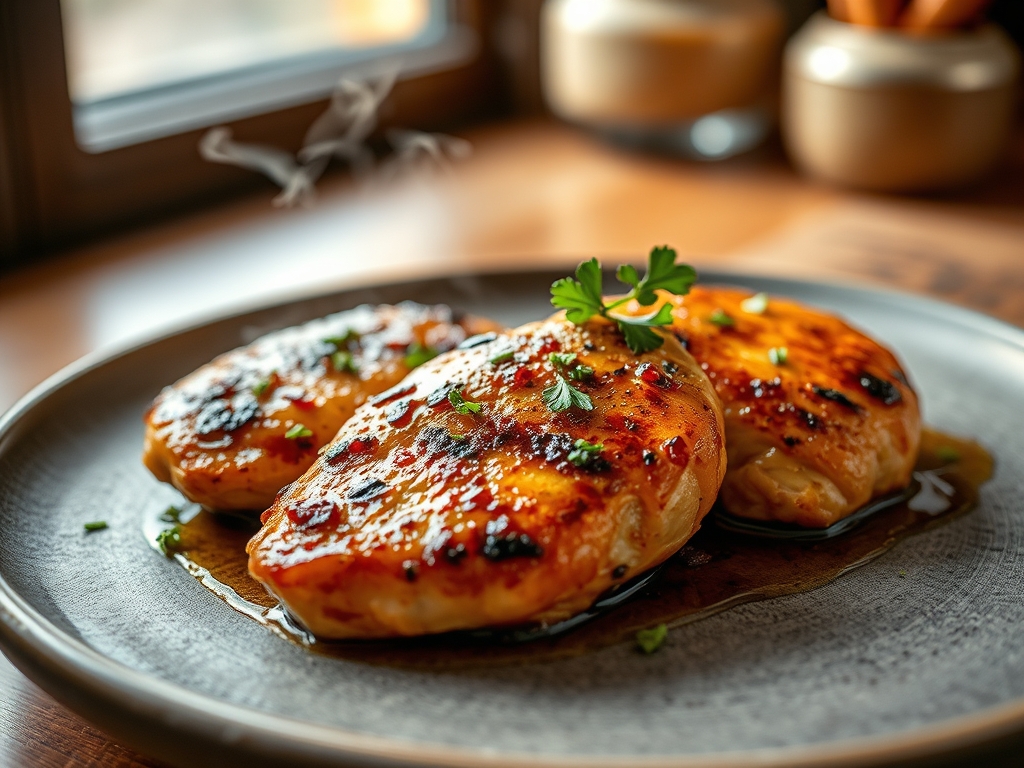
The first wisps of steam curl off a scorching cast iron skillet as bone-in chicken thighs hit the surface, their skin puckering instantly into golden, blistered ridges. That sharp hiss, the way rendered fat pools at the edges, the scent of caramelizing proteins, this is the foundation of truly exceptional quick chicken recipes for dinner. Forget limp, rubbery breasts or hour-long braises. These six dishes marry high-heat Maillard reactions, strategic ingredient prep, and smart sequencing to deliver restaurant-caliber meals in thirty minutes flat.
Each recipe leans on a different heat application method: searing, broiling, flash-roasting, pan-steaming, stir-frying, and shallow-poaching. You'll build flavor through layered browning, fat-soluble aromatics, and timed acid additions. No gimmicks, no shortcuts that sacrifice texture. Just precise technique compressed into a weeknight window.
The backbone here is chicken breast cutlets (pounded to 1/2-inch for even cooking), boneless thighs (faster render, more forgiving), and tenderloins (zero trimming required). Pair them with high-smoke-point oils (avocado, grapeseed), pre-minced garlic and ginger (store-bought or batch-prepped), and pantry acids like Sherry vinegar or rice wine. You'll see how each component locks into place when the clock starts.
The Gathers
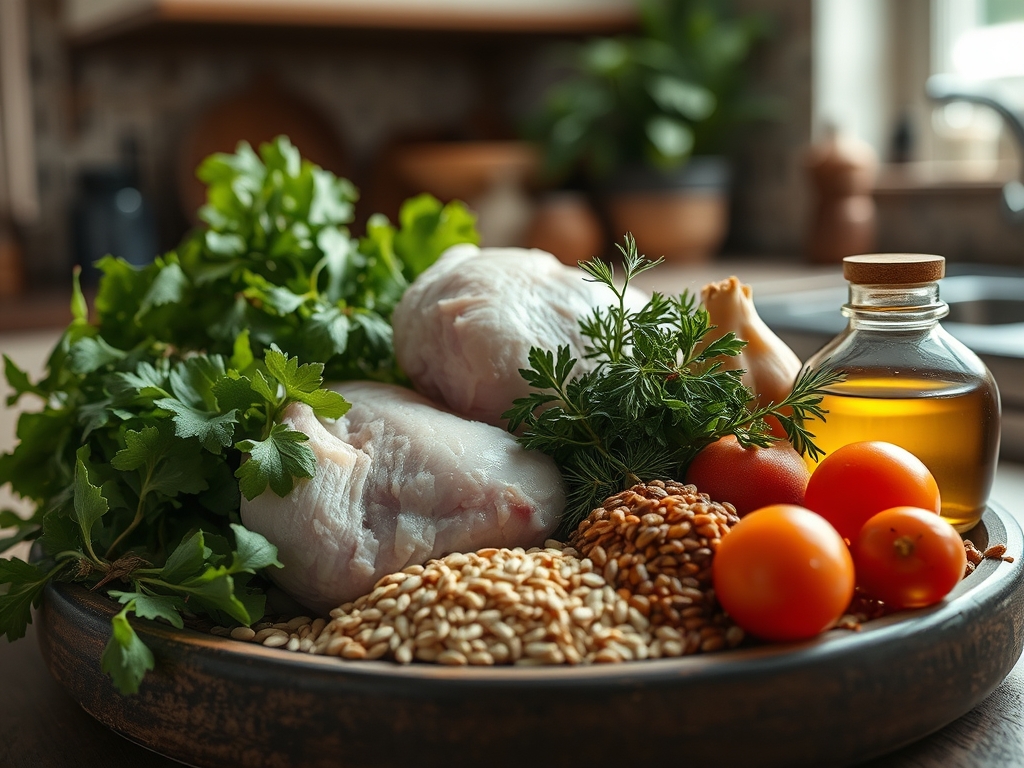
As you see in the ingredient spread below, the palette divides into proteins, aromatics, binders, and finish agents. Chicken cutlets sit alongside whole thighs, their surfaces patted bone-dry with paper towels (moisture is the enemy of browning). Shallots are peeled and halved, ginger root scraped and sliced into coins, and garlic cloves smashed with the flat of a knife to release allicin faster.
Fresh rosemary and thyme sprigs cluster near a dish of Dijon mustard and a jar of tomato paste, both umami amplifiers that bloom in hot fat. Chicken stock (low-sodium, so you control salt) waits in a measuring cup. Heavy cream, coconut milk, and Greek yogurt offer varying fat percentages for pan sauces, while soy sauce, fish sauce, and capers deliver glutamate punch.
Smart Substitutions: Swap chicken for turkey cutlets (identical cook time). Replace fresh herbs with dried at a 1:3 ratio, added earlier for rehydration. Use ghee instead of butter for a higher smoke point and deeper nuttiness. Sub rice wine with dry vermouth or even a splash of apple cider vinegar plus a pinch of sugar to mimic sweetness.
The Clock
Total active time per recipe hovers between 8 and 12 minutes of hands-on work. Passive cooking (oven, covered pan) accounts for the remaining 18 to 22 minutes. You're looking at 6 to 8 minutes of prep (slicing, pounding, measuring) and 20 to 24 minutes of heat application, start to finish.
Chef's Flow dictates you preheat your skillet or oven during prep. While the pan climbs to 400°F (204°C), you're portioning proteins and staging aromatics in the order they'll hit the heat. Stagger tasks: pound cutlets while water boils for a quick blanch, toast spices while the first side of chicken sears. This parallel processing shaves five to seven minutes off linear sequencing and keeps your hands moving, never idle.
The Masterclass
Step 1: Prepare the Protein
Pat chicken completely dry, then season with kosher salt and black pepper on both sides. For cutlets, pound to uniform 1/2-inch thickness using a meat mallet or heavy skillet.
Chef's Secret: Brining for even 10 minutes (1 tablespoon salt per cup of water) increases moisture retention by 6 to 8 percent through osmotic pressure. Rinse and dry before cooking.
Step 2: Sear Over High Heat
Heat 2 tablespoons avocado oil in a 12-inch stainless or cast iron skillet over medium-high until shimmering (around 375°F/190°C). Lay chicken pieces without crowding, skin-side down if using thighs.
Why It Works: Surface moisture evaporates within 20 seconds, allowing proteins to denature and crosslink into a crust. The Maillard reaction begins above 285°F (140°C), producing hundreds of flavor compounds. Don't move the meat for 4 minutes; premature flipping steams rather than browns.
Step 3: Flip and Add Aromatics
Turn chicken, then immediately scatter smashed garlic, sliced shallots, and herb sprigs into the pan's hot fat. Tilt the pan to baste aromatics over the protein.
Chef's Secret: Garlic added after the flip prevents scorching. Allicin, responsible for pungency, volatilizes rapidly above 300°F (149°C), so a 2-minute window maximizes aroma without bitterness.
Step 4: Deglaze and Build Sauce
Pour in 1/2 cup chicken stock (or white wine), scraping up browned bits (fond) with a wooden spoon. Reduce heat to medium, add 1 tablespoon Dijon mustard or tomato paste, and swirl.
Why It Works: Fond contains glutamates and caramelized sugars. Deglazing with aqueous liquid dissolves these water-soluble compounds, integrating them into the sauce. Mustard acts as an emulsifier, stabilizing fat droplets in the stock.
Step 5: Finish and Rest
Stir in 1/4 cup heavy cream or a squeeze of lemon juice. Simmer 2 minutes until slightly thickened, then remove from heat. Let chicken rest 3 minutes before slicing.
Chef's Secret: Carryover cooking raises internal temp by 5 to 7°F (3 to 4°C) during rest. Pulling chicken at 160°F (71°C) ensures a final temp of 165°F (74°C) without dryness.
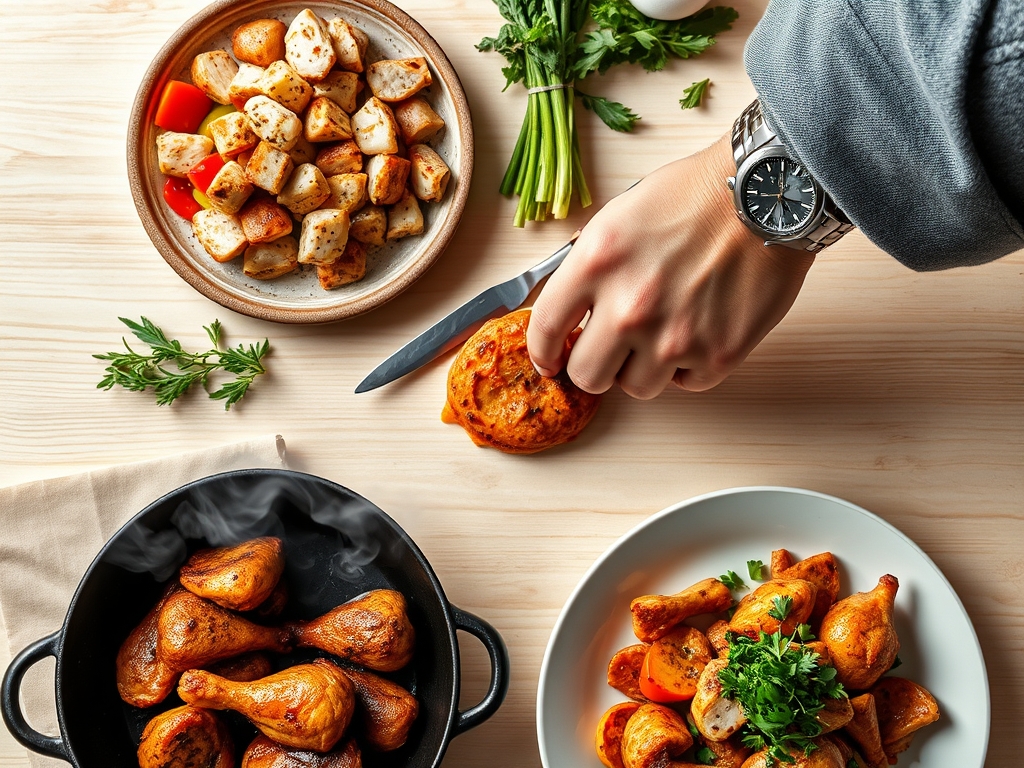
Note the texture shown in the step-by-step photos: the crust remains intact, the interior juicy, and the sauce glossy from emulsified fat.
Nutritional Info
Per serving (one cutlet with 1/4 cup sauce): approximately 320 calories, 28g protein, 18g fat (8g saturated), 6g carbohydrates, and 720mg sodium. Thighs bump fat to 24g and calories to 380 but add richer flavor. Using Greek yogurt instead of cream drops fat to 12g and calories to 280, while increasing protein to 32g.
Micronutrient highlights include niacin (B3) for energy metabolism, selenium (antioxidant support), and phosphorus (bone health). Fresh herbs contribute negligible calories but pack vitamin K and polyphenols.
Dietary Swaps
Keto: Replace any starch sides with cauliflower rice. Use full-fat coconut milk and skip honey or sugar-based glazes. Net carbs stay under 4g per serving.
Gluten-Free: Confirm stock and soy sauce are certified GF (tamari works). Cornstarch slurries thicken sauces without wheat.
Vegan Pivot: Substitute extra-firm tofu (pressed, cubed, tossed in cornstarch) or king oyster mushrooms sliced lengthwise. Sear identically, reduce cook time by 3 minutes. Use vegetable stock and coconut cream.
Serving & Presentation
Plating Idea 1: Center the chicken on a shallow bowl, spoon sauce over, and lean a charred lemon half against the protein. Garnish with microgreens and cracked black pepper.
Plating Idea 2: Slice cutlet on the bias, fan over a smear of celery root puree, drizzle pan sauce in a zigzag, and top with crispy fried shallots.
Plating Idea 3: Nestle whole thigh atop a mound of herbed couscous, spoon sauce around the base (not over), and finish with torn fresh basil and a drizzle of extra-virgin olive oil.
The Pro-Dodge
Pitfall 1: Overcrowding the pan. Steam replaces sear. Fix: Cook in batches or use two skillets simultaneously.
Pitfall 2: Cold chicken hits hot pan. Internal temp stays low, exterior burns. Fix: Let protein sit at room temp for 10 minutes before cooking.
Pitfall 3: Sauce breaks (fat separates). Fix: Remove from heat, whisk in 1 teaspoon cold butter or a splash of cold stock to re-emulsify.
The Meal Prep Corner
Cool chicken completely, store in airtight containers with sauce separated. Refrigerate up to 4 days. Reheat in a 350°F (177°C) oven for 10 minutes, adding a splash of stock to the sauce to restore viscosity. Avoid microwaving; it toughens proteins through uneven heating.
For freezing, wrap individual portions tightly in plastic, then foil. Freeze up to 2 months. Thaw overnight in the fridge, then reheat as above. Pan sauces with dairy may split; whisk vigorously or add a cornstarch slurry (1 teaspoon cornstarch + 1 tablespoon water) when reheating.
The Wrap-Up
Six pathways, one unifying principle: heat management and ingredient staging turn quick chicken recipes for dinner into repeatable weeknight victories. Master the sear, respect carryover, and build sauces through deglazing. You've now got a rotation that cycles every week without fatigue. Try one tonight, then share your sear marks and sauce consistency in the comments. Let's build a library of real-time cook notes together.
The Kitchen Table
Q: Can I use frozen chicken?
A: Yes, but thaw completely in the fridge (never counter). Pat aggressively dry. Frozen-then-thawed chicken releases more water, so expect an extra minute of searing to achieve browning.
Q: What if I don't have a meat thermometer?
A: Make a small incision at the thickest part. Juices should run clear, and flesh should be opaque with no pink. For cutlets, this happens around the 4-minute mark per side at medium-high heat.
Q: How do I prevent garlic from burning?
A: Add it after flipping the chicken or reduce heat slightly. Minced garlic burns faster than sliced; smashed cloves offer more surface area without tiny, scorch-prone bits.
Q: Can I double the recipe?
A: Use two skillets or work in batches. Doubling in one pan traps steam, sabotaging the crust. Keep finished pieces warm in a 200°F (93°C) oven.
Q: What's the best way to reheat without drying out?
A: Oven at 350°F (177°C), covered with foil, with 2 tablespoons stock or water in the dish. Reheat to 165°F (74°C) internal, about 8 to 10 minutes. Rest 2 minutes before serving.