
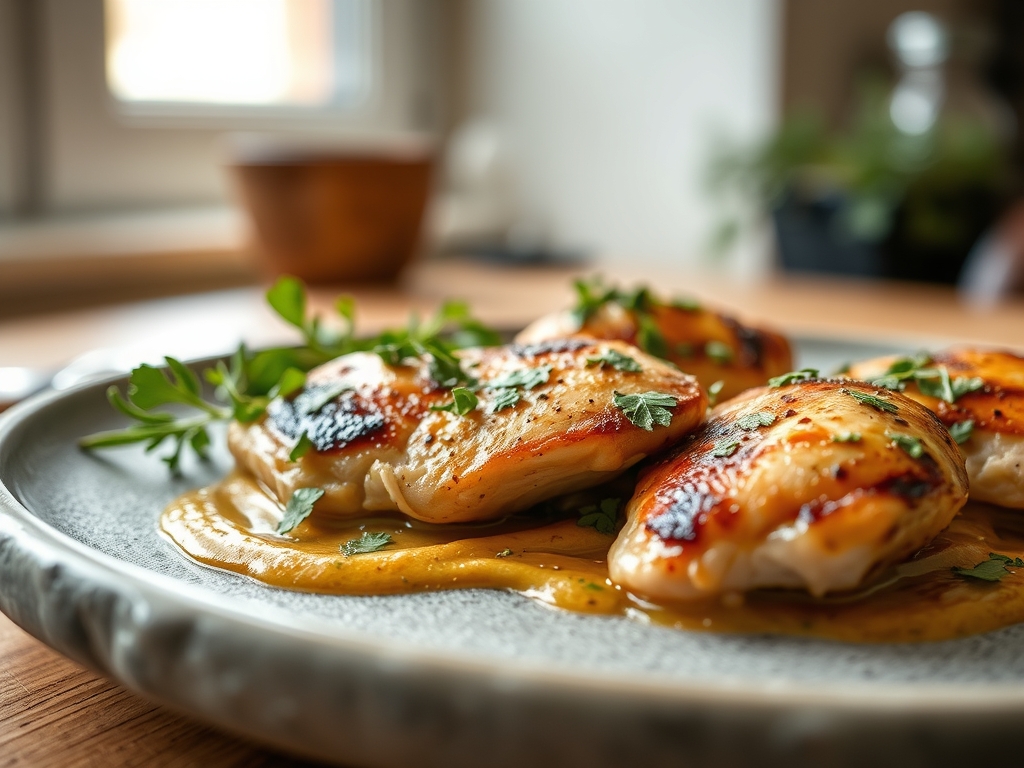
The unmistakable crack of golden skin meeting a searing cast-iron pan announces something special: chicken that refuses to apologize for its simplicity. Ina Garten has built an empire on this premise, transforming humble poultry into weeknight staples and dinner party showstoppers with nothing more than assertive seasoning, smart technique, and an unapologetic love of good butter. When home cooks search for chicken recipes ina garten, they're chasing that perfect marriage of foolproof method and restaurant-worthy results. Her approach strips away fussiness without sacrificing depth, relying instead on proper browning, measured acidity, and the kind of flavor layering that makes guests scrape their plates clean.
The recipes that follow capture her greatest hits: roast chicken with lemon and herbs that renders skin crackling and translucent, coq au vin that balances wine's tannins against caramelized alliums, and chicken piccata where browned butter meets bright citrus in a pan sauce that clings to every crevice. Each dish proves that mastery lives not in complexity but in understanding why salt draws moisture to the surface for better crisping, why resting meat redistributes juices, and why a splash of vinegar at the finish sharpens every other flavor on the plate. These are the recipes that convert skeptics and anchor meal plans, the ones you return to when spectacle matters less than pure, repeatable excellence.
The Gathers
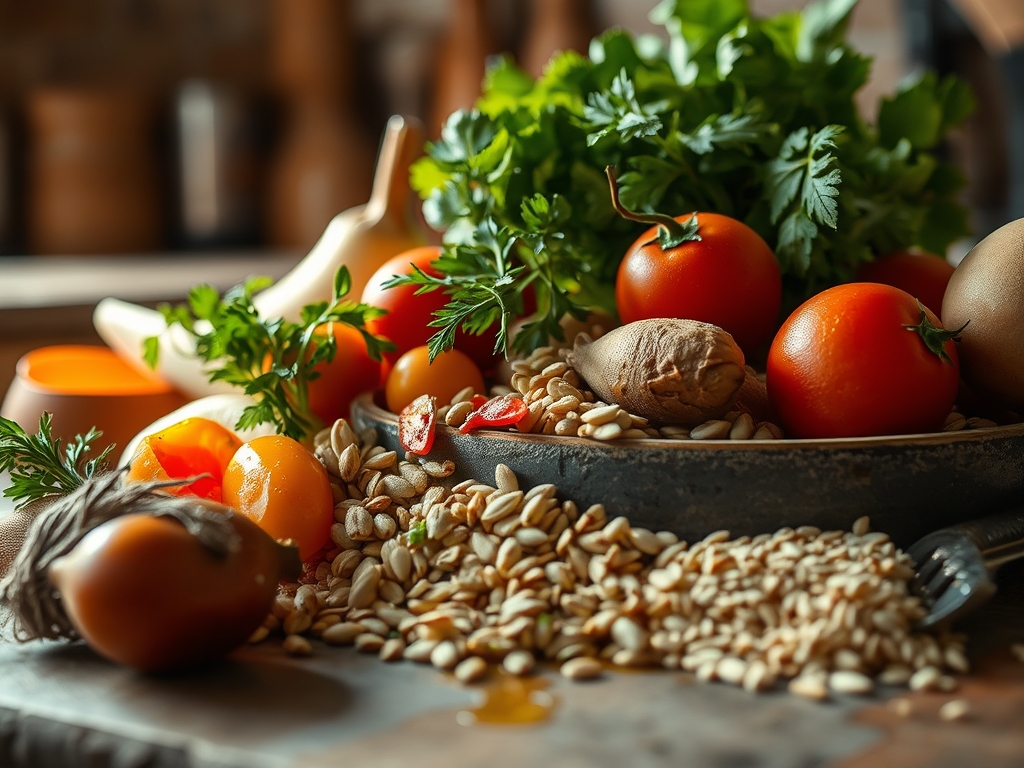
As you see in the ingredient spread below, the foundation rests on bone-in, skin-on chicken thighs (approximately 1.8 kg), kosher salt (2 tablespoons), freshly cracked black pepper (1 tablespoon), unsalted butter (115 grams), extra-virgin olive oil (60 ml), fresh thyme sprigs (8 to 10), garlic cloves (6, smashed but unpeeled), dry white wine (240 ml), chicken stock (480 ml), and Dijon mustard (2 tablespoons). Lemons (3, halved) anchor the citrus backbone.
Visual cues matter: thighs should glisten with minimal surface moisture, butter must be cold enough to slice cleanly, and herbs retain their perky structure. Garlic in its papery jacket resists scorching while infusing oil with mellow sweetness.
Smart Substitutions: Swap thighs for drumsticks if you prefer more collagen-rich cuts that stay moist under extended heat. Replace white wine with dry vermouth for botanical complexity. Substitute ghee for butter in dairy-sensitive contexts without losing that nutty richness. If thyme proves elusive, rosemary or sage deliver woody aromatics, though in smaller quantities to avoid medicinal overtones.
The Clock
Prep Time: 15 minutes
Cook Time: 50 minutes
Total Time: 65 minutes
Yield: 6 servings
Chef's Flow: While the oven preheats to 200°C (400°F), pat chicken obsessively dry (moisture is crisping's mortal enemy) and season aggressively. As thighs brown stovetop, prep aromatics: smash garlic, strip thyme, halve lemons. During the oven phase, reduce wine on the stovetop for sauce prep. This parallel processing collapses active time to 25 minutes, leaving 40 minutes of passive roasting for side dish choreography or a glass of whatever you're cooking with.
The Masterclass
Step 1: Season and Rest
Pat chicken thighs bone-dry with paper towels, then coat every surface with salt and pepper. Let rest 10 minutes at room temperature.
Why it Works: Salt dissolves into surface moisture, creating a brine microlayer that seasons deeply while denaturing proteins for better browning. Room-temperature meat cooks more evenly, reducing the gradient between a scorched exterior and raw interior.
Step 2: Sear Skin-Side Down
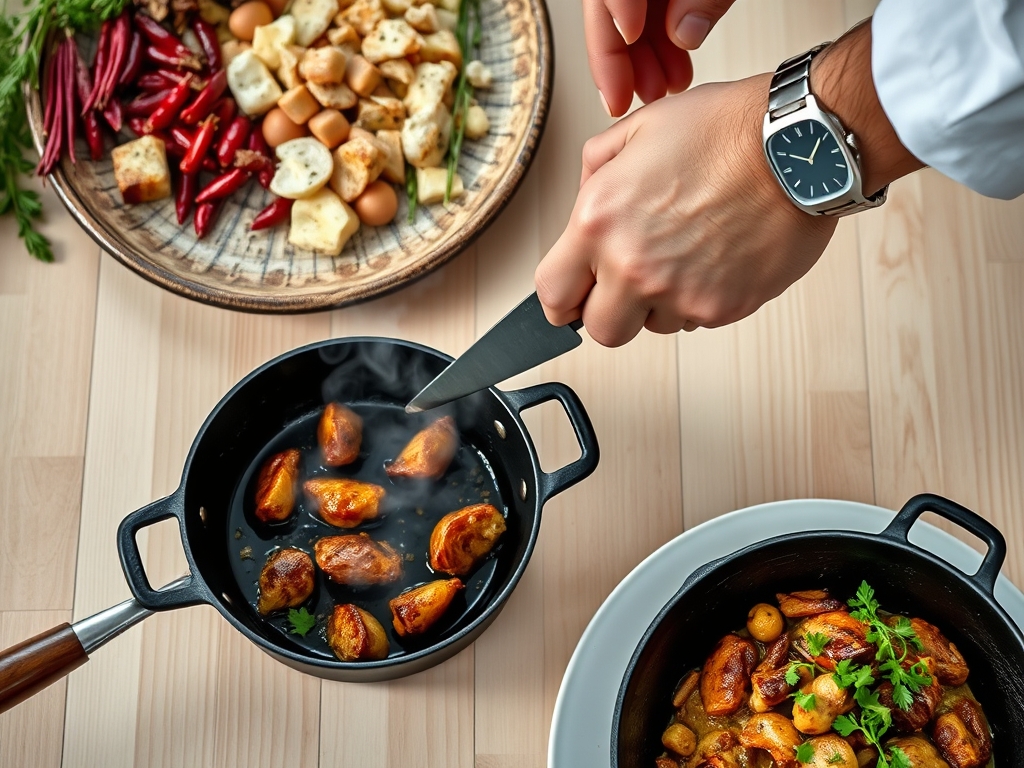
Heat olive oil in a large oven-safe skillet over medium-high until shimmering (approximately 190°C/375°F). Place thighs skin-side down without crowding. Resist the urge to move them for 8 minutes.
Chef's Secret: Note the texture shown in the step-by-step photos. The Maillard reaction requires sustained contact and temperatures above 150°C (300°F). Early flipping releases that precious crust back into the pan, leaving you with steamed, flabby skin instead of audible crackle.
Step 3: Flip and Add Aromatics
Turn thighs bone-side down. Tuck garlic, thyme, and lemon halves (cut-side down) into gaps between pieces. Dot butter around the pan.
Why it Works: Lemons caramelize their sugars directly against the pan, creating bittersweet depth that balances acidity. Unpeeled garlic cloves soften into spreadable puree without burning.
Step 4: Roast Until Thighs Hit 75°C
Transfer skillet to the preheated oven. Roast 35 to 40 minutes until an instant-read thermometer registers 75°C (167°F) in the thickest part.
Chef's Secret: Carryover cooking adds another 3 to 5 degrees post-oven. Pulling at 75°C lands you perfectly at 78 to 80°C (172 to 176°F), where collagen fully dissolves but meat stays juicy.
Step 5: Build Pan Sauce
Remove chicken to a plate and tent loosely with foil. Place skillet over medium heat, add wine, and scrape up browned bits. Reduce by half (about 4 minutes), whisk in stock and mustard, simmer 3 minutes.
Why it Works: Deglazing dissolves fond (those caramelized proteins stuck to the pan), which contains concentrated umami compounds. Mustard acts as an emulsifier, binding fat and water into a glossy, cohesive sauce.
Step 6: Finish and Serve
Return chicken to the skillet, spoon sauce over, and garnish with fresh thyme leaves. Squeeze roasted lemon over each portion.
Chef's Secret: That final citrus hit brightens the palate, cutting through butter and fat to reset taste receptors between bites.
Nutritional Info
Per serving (1 thigh with sauce):
Calories: 480
Protein: 38 g
Fat: 32 g (Saturated: 11 g)
Carbohydrates: 6 g
Fiber: 1 g
Sodium: 920 mg
The high fat content reflects skin-on preparation and butter-enriched sauce. Protein density supports satiety, while moderate sodium comes primarily from kosher salt used in seasoning.
Dietary Swaps
Keto/Low-Carb: Already compliant. Increase butter for additional fat macros and skip any starchy sides.
Gluten-Free: Verify that chicken stock and Dijon mustard contain no hidden wheat fillers. Most quality brands comply, but always check labels.
Dairy-Free: Substitute ghee or refined coconut oil for butter. The latter adds subtle sweetness that pairs surprisingly well with citrus and herbs.
Vegan Pivot: Replace chicken with thick-cut cauliflower steaks or king oyster mushrooms. Slice mushrooms lengthwise to mimic thigh shape, sear aggressively, and reduce oven time to 20 minutes. Use vegetable stock and nutritional yeast for umami depth.
Serving & Presentation
Rustic Family Style: Serve directly from the skillet, placing it on a trivet at the table's center. Surround with crusty bread for sauce-sopping and a simple arugula salad dressed with lemon vinaigrette.
Refined Plating: Center one thigh on a warm plate, spoon sauce in a crescent around the protein, nestle a roasted lemon half alongside, and garnish with microgreens or chervil. Pair with pommes puree or celery root gratin.
Grain Bowl Format: Shred chicken meat, discard skin (or reserve for snacking), and layer over farro or quinoa. Add roasted vegetables, drizzle pan sauce, and top with toasted almonds for textural contrast.
The Pro-Dodge
Pitfall 1: Soggy Skin
Cause: Moisture on the surface or insufficient searing heat.
Fix: Blot chicken dry, then refrigerate uncovered on a wire rack for 1 hour to air-dry skin further. Ensure oil shimmers before adding meat.
Pitfall 2: Sauce Breaks (Fat Separates)
Cause: Boiling instead of simmering, or insufficient emulsifier.
Fix: Keep heat at a gentle bubble. Whisk in an extra teaspoon of mustard or a small pat of cold butter off-heat to re-emulsify.
Pitfall 3: Bland Finish
Cause: Under-seasoning or skipping the final citrus squeeze.
Fix: Taste sauce before plating and adjust salt. Always finish with fresh lemon juice, which amplifies every other flavor exponentially.
The Meal Prep Corner
Storage: Cool chicken completely, transfer to airtight containers with sauce, and refrigerate up to 4 days. Freezing degrades skin texture but works for shredded applications; freeze sauce separately for up to 3 months.
Reheating: For intact skin, reheat thighs in a 180°C (350°F) oven on a wire rack set over a baking sheet, 12 to 15 minutes. Gently warm sauce on the stovetop, whisking in a tablespoon of water if it thickens excessively.
Day-One Quality Trick: Undercook chicken by 2 degrees initially if you know leftovers are destined for reheating. The second cook cycle finishes it perfectly without drying out the meat.
The Wrap-Up
These chicken recipes ina garten champions prove that excellence requires no sleight of hand, just respect for heat, salt, and time. You've learned to coax crust from skin, build depth through deglazing, and harness carryover cooking for foolproof doneness. Each technique stacks, turning a Tuesday night bird into something worth lingering over. Now it's your turn to make these methods muscle memory. Cook one this week, share a photo in the comments, and tell us which variation became your new default.
The Kitchen Table
Can I use boneless, skinless chicken breasts instead of thighs?
Yes, but reduce oven time to 20 to 25 minutes and pull at 65°C (149°F) internal temperature to avoid dryness. Breasts lack the fat and collagen that keep thighs forgiving under heat. Consider pounding them to even thickness for uniform cooking.
What's the best wine for this recipe?
Choose something you'd drink: Sauvignon Blanc, Pinot Grigio, or unoaked Chardonnay work beautifully. Avoid overly sweet or oaky wines, which turn cloying when reduced. The alcohol burns off, leaving acidity and fruit esters that brighten the sauce.
How do I know when chicken is perfectly done without a thermometer?
Pierce the thickest part with a paring knife. Juices should run clear, not pink, and meat should offer slight resistance without feeling rubbery. That said, invest in an instant-read thermometer. Guesswork courts both undercooking (food safety risk) and overcooking (dry meat).
Can I prep the chicken a day ahead?
Absolutely. Season and refrigerate uncovered up to 24 hours in advance. This dry-brining period enhances both flavor penetration and skin crispness. Bring to room temperature 30 minutes before cooking for even heat distribution.
Why does Ina Garten always use kosher salt?
Kosher salt's large, flaky crystals dissolve predictably and distribute evenly, giving you better control over seasoning. Table salt's fine grains are denser by volume, so a tablespoon delivers nearly twice the sodium, risking oversalting. If substituting, use half the amount and adjust to taste.