
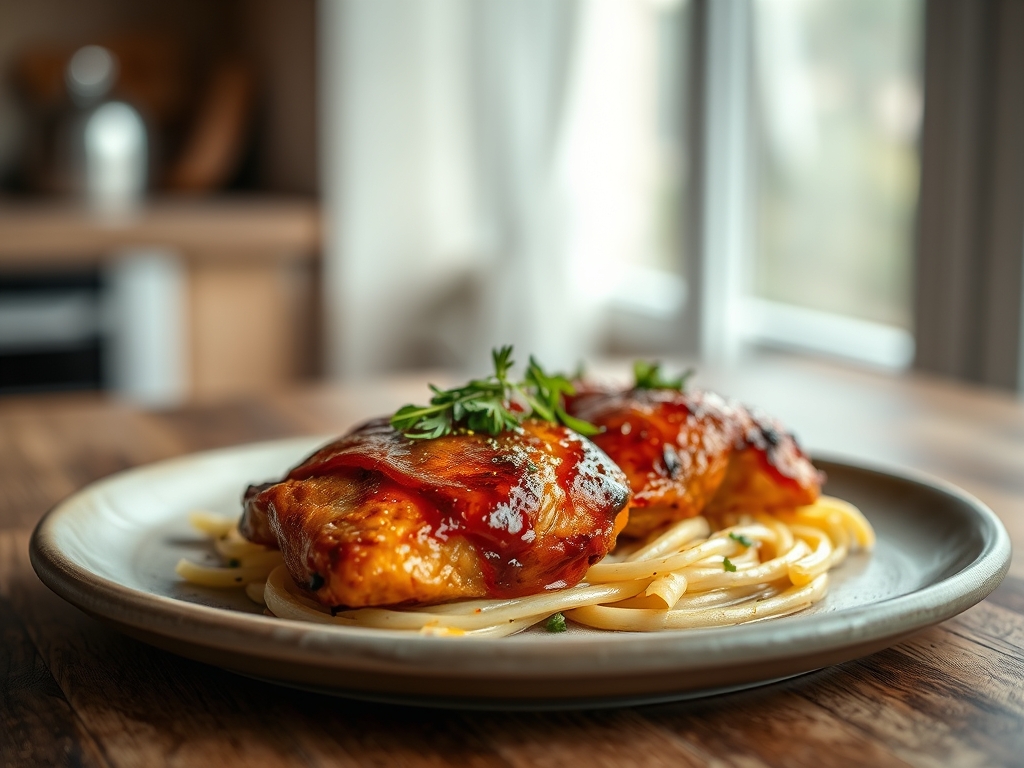
The moment chicken thighs hit a preheated grill grate at 425°F, the Maillard reaction ignites a chemical symphony of browned amino acids and caramelized sugars that defines great barbecue. Mastering best bbq chicken recipes isn't about slathering sauce and hoping for the best; it's about controlling heat zones, understanding protein denaturation, and timing your baste to build layers of flavor without incineration. Whether you're working with bone-in legs, split breasts, or whole spatchcocked birds, the principles remain constant: dry surfaces brown faster, indirect heat prevents flare-ups, and resting is non-negotiable. This guide breaks down ten methods that transform supermarket poultry into smoke-kissed, mahogany-skinned perfection. Each technique leverages specific temperature thresholds, rub chemistry, and airflow dynamics to deliver juicy interiors and crisp, lacquered exteriors. No guesswork, no burnt offerings, just repeatable results rooted in thermal science and decades of grill-side refinement.
The Gathers
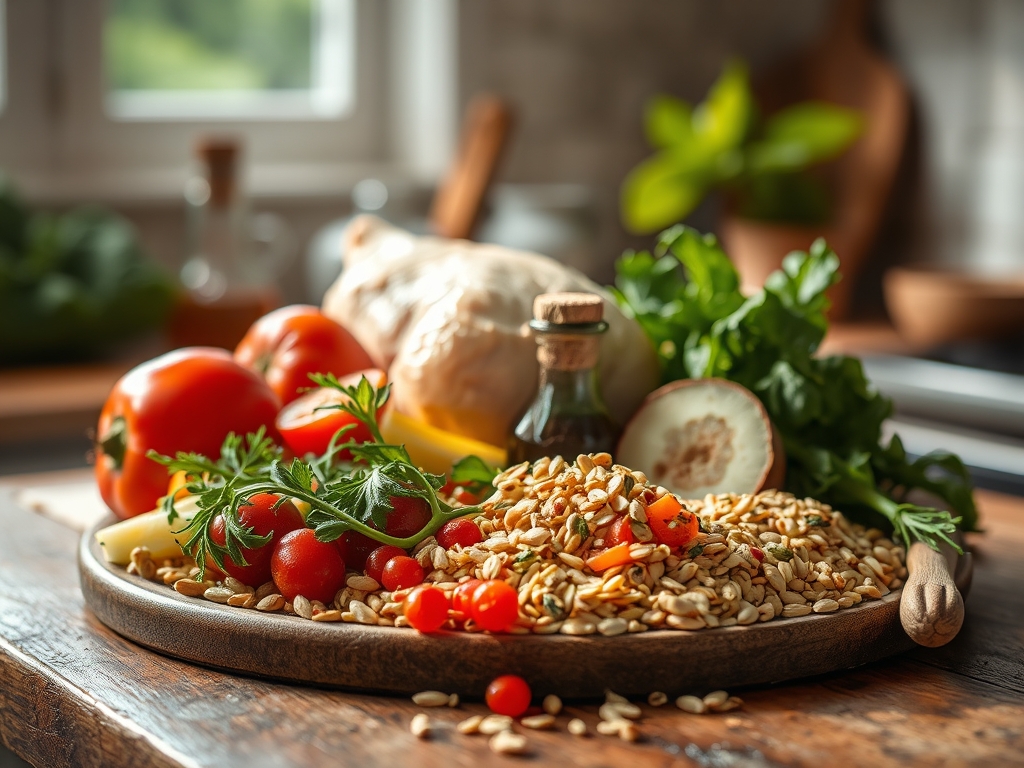
As you see in the ingredient spread below, the foundation begins with bone-in, skin-on chicken thighs (1.5 kg), their marbled fat content insurance against dryness. Kosher salt (2 tbsp) sits beside smoked paprika (1.5 tbsp), garlic powder (1 tbsp), onion powder (1 tbsp), and black pepper (1 tsp), the core quartet that penetrates and seasons deeply when applied 4-12 hours ahead. A small bowl holds brown sugar (2 tbsp), the secret to accelerated crust formation through caramelization at 300°F and above. Apple cider vinegar (60 ml) and tomato-based BBQ sauce (240 ml) wait for the final baste, their acidity cutting through rendered fat while adding glossy viscosity. Fresh lemon wedges and flat-leaf parsley provide aromatic contrast at service.
Smart Substitutions: Swap thighs for drumsticks (add 5 minutes cook time). Replace smoked paprika with chipotle powder for heat. Use coconut aminos instead of vinegar for AIP compliance. Honey or maple syrup can stand in for brown sugar, though they burn 15°F lower.
The Clock
Prep Time: 15 minutes (dry rub application, trimming excess fat pockets)
Cook Time: 35-40 minutes (direct/indirect combo method)
Total Time: 50-55 minutes (excludes optional 4-hour dry-brining window)
Chef's Flow: While the grill preheats (10 minutes to stabilize at 400°F), portion your chicken and pat bone-dry with paper towels. Moisture is the enemy of crust. Apply the spice blend, then arrange your two-zone fire: high direct heat on one side, cooler indirect on the other. This dual-zone setup lets you sear first, then finish gently, avoiding the common mistake of charring before the interior hits 165°F. Use those last 5 minutes of resting time to warm your sauce and prep garnishes.
The Masterclass
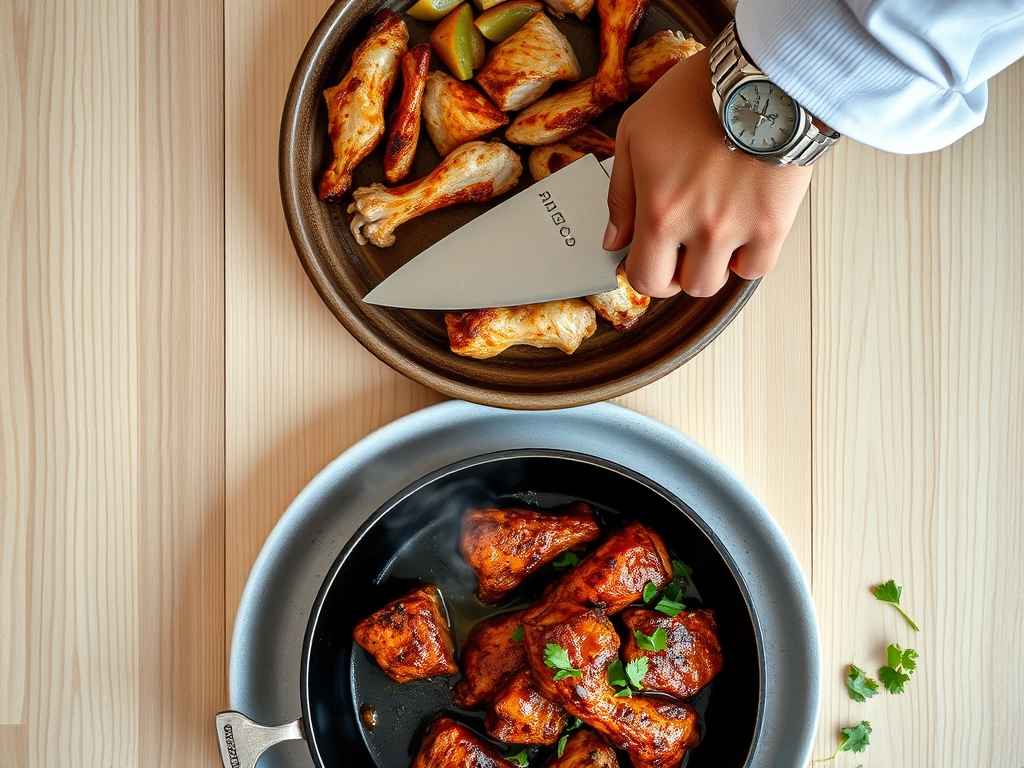
Step 1: Dry-Brine and Equilibrate
Pat chicken completely dry. Combine kosher salt, smoked paprika, garlic powder, onion powder, black pepper, and brown sugar. Rub aggressively into every surface, tucking some under the skin. Refrigerate uncovered on a wire rack for 4-12 hours.
Why It Works: Uncovered refrigeration dehydrates the skin surface, dropping water activity to <0.85, which promotes rapid Maillard browning. Salt penetrates via diffusion, seasoning the myofibrils and improving water retention during cooking.
Step 2: Preheat and Zone Your Grill
Build a two-zone fire: bank coals or turn burners to high on one half, leaving the other cool. Target 425°F on the hot side, 275°F on the cool. Place a drip pan under the indirect zone.
Chef's Secret: A calibrated instant-read thermometer clipped to the grill grate (not the lid) gives true cooking-surface temperature, often 50°F higher than dome readings.
Step 3: Sear Skin-Side Down
Place chicken skin-down over direct heat. Close the lid. Resist flipping for 8-10 minutes. You'll hear aggressive sizzling, then a quieter phase as fat renders.
Why It Works: Uninterrupted contact allows subcutaneous fat to render into the skin's collagen matrix, crisping it from within while forming a bronze crust. Premature flipping releases grip and steams the surface.
Step 4: Flip and Transfer to Indirect Heat
Flip once, sear flesh-side for 3 minutes, then slide to the cool zone. Close the lid and maintain 300-325°F ambient temperature.
Chef's Secret: Moving to indirect prevents flare-ups from dripping fat while allowing gentle convective heat to finish the interior without toughening the proteins.
Step 5: Monitor Internal Temperature
Insert a probe thermometer into the thickest part of the thigh, avoiding bone. Pull at 160°F; carryover will push it to 165°F during rest.
Why It Works: Myosin denatures fully at 160°F, and collagen in dark meat begins converting to gelatin at 165°F, yielding tenderness. Overcooking past 175°F squeezes out moisture irreversibly.
Step 6: Baste and Glaze
At 155°F, brush with BBQ sauce thinned with apple cider vinegar (3:1 ratio). Return to direct heat for 90 seconds per side, watching for bubble and caramelization, not char.
Chef's Secret: Late-stage basting prevents sugar in the sauce from carbonizing early. The vinegar thins viscosity, ensuring even coating and preventing gloppy spots.
Step 7: Rest and Carry
Transfer to a clean platter. Tent loosely with foil (not airtight). Rest 5-7 minutes.
Why It Works: Muscle fibers contract during cooking, squeezing juices toward the center. Resting allows actomyosin to relax and reabsorb liquid, reducing cutting-board runoff by up to 30%.
Nutritional Info
Per thigh (approximately 150 g cooked):
Calories: 280
Protein: 26 g
Fat: 17 g (saturated: 4.5 g)
Carbohydrates: 6 g (sugars: 5 g from rub and sauce)
Sodium: 680 mg
Cholesterol: 115 mg
Dark meat delivers higher myoglobin and intramuscular fat than breasts, yielding richer flavor and more forgiving cook windows.
Dietary Swaps
Keto: Omit brown sugar and use a sugar-free BBQ sauce (check for maltodextrin). Net carbs drop to <2 g per serving.
Vegan: Substitute extra-firm tofu slabs, pressed and marinated overnight. Grill at 375°F for 6 minutes per side.
Gluten-Free: Verify BBQ sauce labels for hidden gluten in thickeners. Most rubs are naturally compliant.
Serving & Presentation
Rustic Family-Style: Pile thighs on a wooden board over shredded cabbage slaw dressed with lime and cilantro. Drizzle pan drippings mixed with extra sauce.
High-End Plating: Slice one thigh into medallions, fan over cauliflower puree, garnish with microgreens and a smoked salt pinch.
Picnic-Ready: Wrap individually in parchment, secured with twine. Pack with pickled vegetables and cornbread muffins.
The Pro-Dodge
Pitfall 1: Flare-ups char the skin before the interior cooks.
Fix: Keep a spray bottle of water nearby. Spritz flames immediately, then move chicken to indirect heat.
Pitfall 2: Rubbery, pale skin despite high heat.
Fix: Pat drier next time. Consider a 30-minute air-dry at room temperature before grilling.
Pitfall 3: Sauce burns into bitter tar.
Fix: Apply sauce only in the final 3 minutes. Use indirect heat for the glaze phase, or thin with 25% vinegar.
The Meal Prep Corner
Storage: Cool completely, then refrigerate in airtight containers for up to 4 days. Separate skin from meat if meal-prepping to prevent sogginess.
Reheating: Oven at 350°F for 10 minutes restores texture better than microwaves. For crispness, finish under the broiler for 90 seconds.
Freezing: Wrap individual portions in plastic, then foil. Freeze up to 3 months. Thaw overnight in the fridge, reheat as above.
The Wrap-Up
These ten methods converge on a single truth: best bbq chicken recipes succeed when you respect the science of heat, fat, and time. Two-zone grilling, dry-brining, and late-stage glazing aren't fussy chef tricks; they're reliable levers that turn out consistent results every time you light the coals. Practice the sear, trust your thermometer, and let thermal carryover finish the job. Your next backyard cookout will taste like a competition-winning smoke shack. Share your grill setup and favorite rub tweaks in the comments, and tag your plated masterpieces so the community can celebrate your skills.
The Kitchen Table
Q: Can I use boneless, skinless chicken breasts?
A: Yes, but reduce cook time to 18-22 minutes total and brine in 5% saltwater for 30 minutes beforehand. Breasts lack fat, so they dry out faster. Pull at 160°F.
Q: What's the best wood for smoking flavor?
A: Applewood or cherry provide mild, sweet smoke that complements poultry without overpowering. Soak chips for 30 minutes, then scatter over coals or use a smoker box on gas grills.
Q: How do I prevent sticking on the grill grates?
A: Preheat grates thoroughly, then oil them with a high-smoke-point fat (grapeseed, avocado) using a folded paper towel and tongs. Don't oil the chicken; oil the grate.
Q: Can I prep the rub days in advance?
A: Absolutely. Mix dry ingredients and store in an airtight jar for up to 3 months. The flavors meld, and you'll save time on cook day.
Q: Why does my BBQ sauce separate on the grill?
A: High heat breaks emulsions in sauce. Thin with vinegar or broth, and apply during the final minutes over indirect heat. Stir the sauce before each brush to re-emulsify.