
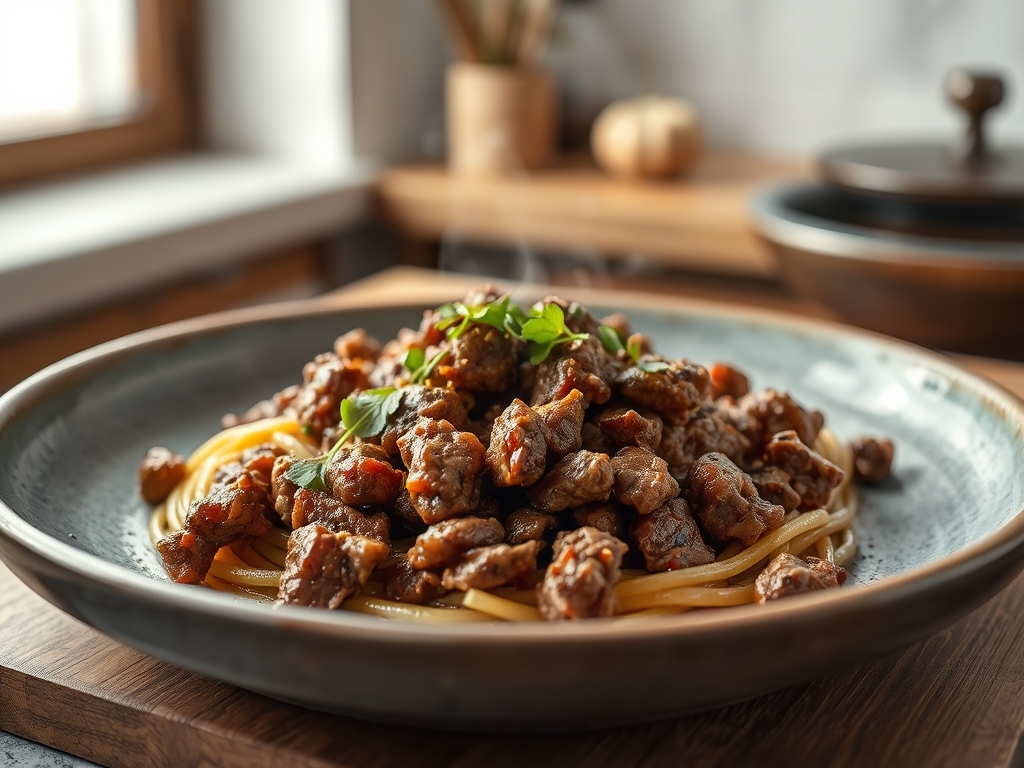
Imagine the sizzle of fat hitting cold cast iron; it is the sound of a weeknight rescue mission. When the clock strikes six and your energy is flagging, one skillet ground beef recipes are the ultimate culinary shortcut that feels like a luxury. We are talking about deep umami, glossy sauces, and zero mountain of dishes to scrub afterward.
The magic of the skillet lies in its geometry. By keeping everything in one vessel, you are not just saving time; you are capturing every molecule of flavor that usually escapes in a boiling pot of water. Every drop of rendered fat becomes a vehicle for aromatics, and every charred bit on the bottom of the pan is a concentrated flavor bomb waiting to be deglazed. We are going to transform humble ground chuck into six distinct masterpieces: from a piquant Korean-inspired beef bowl to a creamy, nostalgic stroganoff. Grab your favorite heavy-bottomed skillet and let us get scientific with our dinner.
The Gathers:
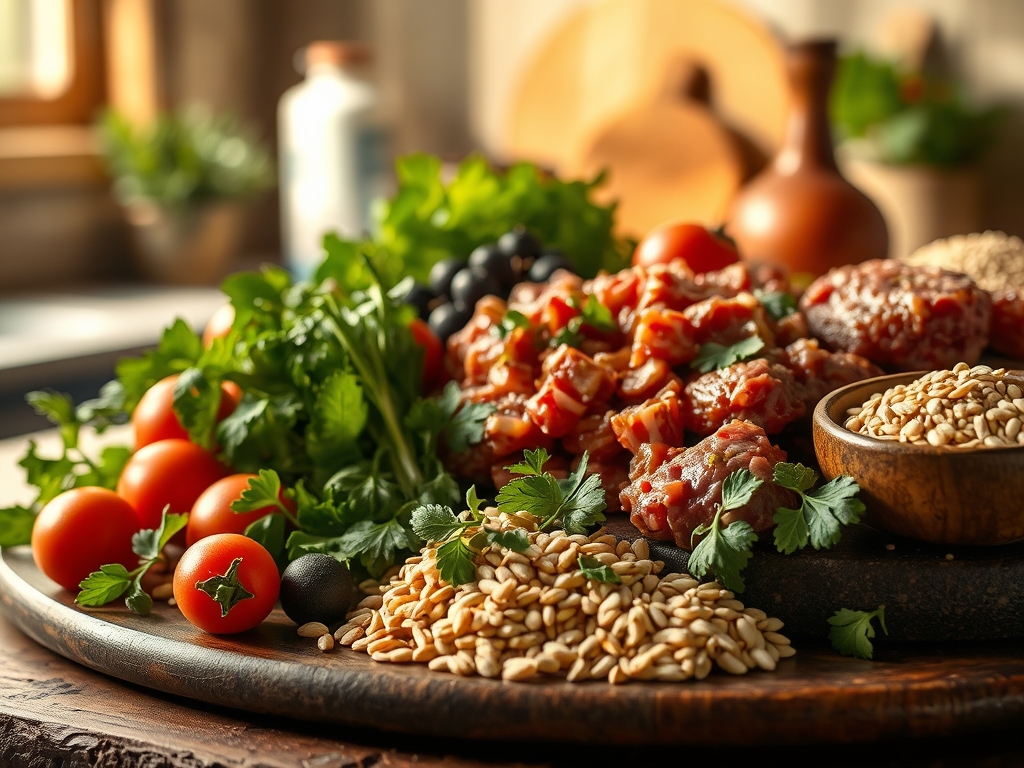
Before we ignite the burner, we must respect the mise-en-place. For these one skillet ground beef recipes, your primary protein should ideally be an 80/20 blend. This ratio ensures enough fat to render out and sauté your aromatics without needing extra oil. You will need a high-quality digital scale to portion your beef accurately, ensuring consistent cook times across all six variations.
Your pantry staples will act as the chemical catalysts. Keep high-sodium soy sauce, Worcestershire, and a tube of concentrated tomato paste on hand. These are rich in glutamates, which amplify the savory profile of the beef. For texture, you will need "quick-cook" starches like jasmine rice, orzo, or thin egg noodles. These are designed to absorb liquid rapidly, turning your broth into a viscous, silk-like sauce right in the pan.
Smart Substitutions:
If you are looking to lighten the caloric load, swap ground beef for ground turkey or chicken, but add a teaspoon of liquid smoke or smoked paprika to mimic the beef's depth. For a plant-based pivot, use crumbled tempeh or a pea-protein substitute. If you find yourself without fresh garlic, use a microplane to grate frozen ginger or garlic cubes directly into the pan for an instant infusion of flavor.
The Clock:
Efficiency in the kitchen is about "Chef's Flow." This is the art of overlapping tasks so that no second is wasted. These recipes are engineered to move from fridge to table in exactly 28 minutes. Spend the first 8 minutes on prep: use a sharp chef's knife or a bench scraper to organize your diced onions, peppers, and herbs.
The cooking phase takes roughly 20 minutes. The first 5 minutes are dedicated to the "hard sear," where we develop the crust. The middle 10 minutes involve simmering the starches in the pan's liquid. The final 5 minutes are for "resting" and "brightening." This is when you add your fresh herbs or a squeeze of lime to cut through the richness. By the time you have wiped down the counter, dinner is ready to serve.
The Masterclass:
1. The Maillard Foundation
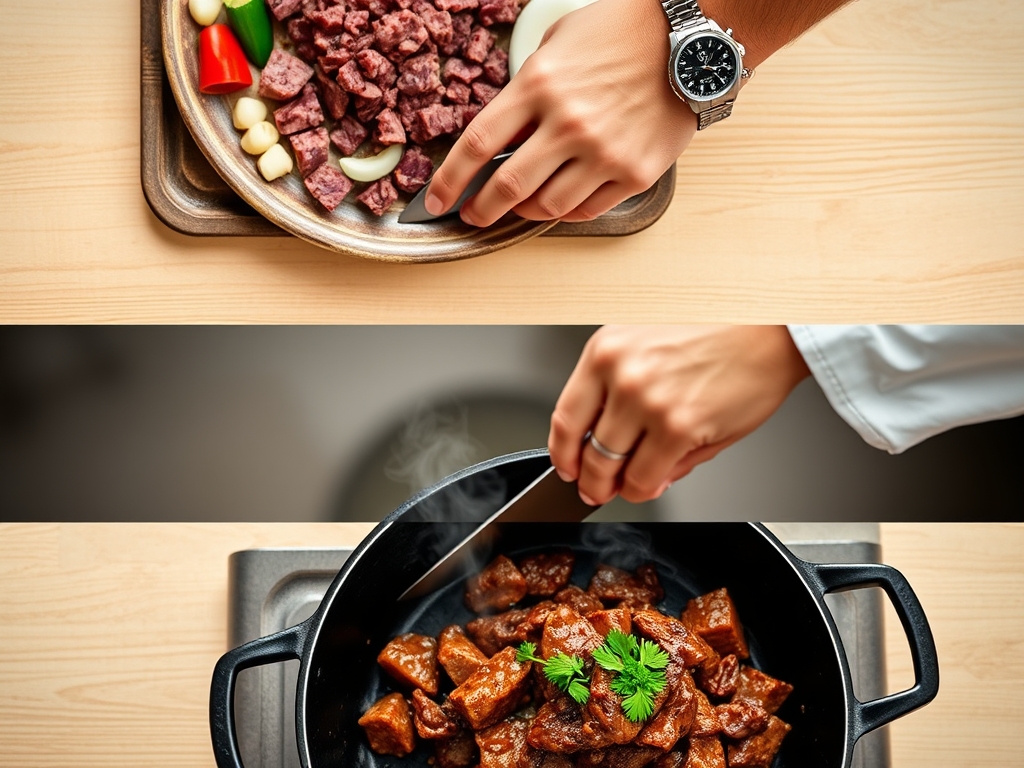
Start by heating your skillet over medium-high heat until a drop of water flicked onto the surface dances and evaporates instantly. Add the beef in a single layer. Do not move it. Let it sit for three minutes to achieve enzymatic browning.
Pro Tip: This is the Maillard Reaction. By leaving the meat undisturbed, you allow amino acids and reducing sugars to create a complex, savory crust that cannot form if the meat is constantly stirred and steamed.
2. The Aromatic Infusion
Once the beef is browned, use a flat-edged wooden spoon to break it into small crumbles. Push the meat to the perimeter and drop your onions and garlic into the center "hot zone." Sauté until translucent.
Pro Tip: Fat is a solvent. By sautéing aromatics in the rendered beef fat, you are extracting fat-soluble flavor compounds that water-based liquids simply cannot touch.
3. Deglazing the Fond
Add a splash of liquid (broth, wine, or even water) and scrape the bottom of the pan vigorously. Those brown bits, known as fond, are concentrated essence of beef.
Pro Tip: This process is called deglazing. It incorporates the caramelized proteins back into the sauce, deepening the color and flavor profile of the entire dish.
4. The Starch Integration
Pour in your liquid and dry starch (rice or pasta). Ensure the starch is mostly submerged. Cover the skillet with a tight-fitting lid to trap the steam.
Pro Tip: This is "absorption method" cooking. The starch granules swell and release a small amount of amylose into the liquid, which naturally thickens the sauce without the need for a flour roux.
5. The Emulsification Finish
Turn off the heat while the sauce is still slightly loose. Stir in a fat source like butter, heavy cream, or cheese. Use tongs to toss everything together until the sauce looks glossy.
Pro Tip: This creates an emulsion. The fats bind with the starchy cooking liquid to create a creamy texture that coats every piece of beef and pasta perfectly.
6. The Carryover Rest
Remove the skillet from the burner and let it sit, covered, for three minutes before serving.
Pro Tip: Thermal carryover means the food continues to cook from residual heat. This rest period allows the muscle fibers in the beef to relax and reabsorb juices, ensuring the meat is tender rather than rubbery.
The Deep Dive:
When we look at the macro profile, these one skillet ground beef recipes are powerhouses. A standard serving provides roughly 30g of protein, 25g of carbohydrates, and 18g of fat. To make these Keto-friendly, simply swap the rice or pasta for cauliflower rice or zoodles and reduce the simmering liquid by half. For a Gluten-Free version, ensure your beef broth is certified and use chickpea-based pasta.
The Fix-It:
- Too Greasy: If your beef releases excess liquid, do not pour it down the drain. Use a folded paper towel held by tongs to dab the center of the pan.
- Mushy Rice: This happens when there is too much liquid. If the rice is done but the pan is soupy, remove the lid and crank the heat for 60 seconds to evaporate the excess moisture.
- Bland Flavor: You likely need acid, not salt. A teaspoon of apple cider vinegar or lemon juice will "wake up" the heavy fats and make the flavors pop.
Meal Prep Science:
To maintain "day-one" quality when reheating, add a tablespoon of water before microwaving. This creates a mini-steam chamber that prevents the beef from becoming "warmed-over flavor" (WOF), a chemical reaction caused by lipid oxidation.
The Wrap-Up:
Mastering one skillet ground beef recipes is like having a secret weapon in your culinary apron. You have learned how to harness the Maillard reaction, the art of deglazing, and the science of starch absorption to create meals that are far greater than the sum of their parts. Whether you are feeding a hungry family or just yourself, these techniques ensure every bite is a perfect balance of texture and taste. Now, get that skillet screaming hot and start cooking!
The Kitchen Table:
How do I prevent the beef from steaming instead of browning?
Ensure your skillet is preheated until very hot and do not overcrowd the pan. Pat the beef dry with paper towels before adding it to remove surface moisture, which allows the Maillard reaction to begin immediately.
Can I use frozen ground beef for these recipes?
It is best to thaw beef in the fridge overnight. Cooking from frozen prevents proper browning and leads to a grainy texture because the outside overcooks before the center thaws. For safety, never thaw meat on the counter.
What is the best skillet for these one-pot meals?
A 12-inch cast iron skillet or a heavy stainless steel tri-ply pan is ideal. These materials retain heat efficiently, ensuring the temperature does not drop when you add the cold meat, resulting in a superior sear.
Why is my sauce separating or looking oily?
This usually happens if the heat is too high when adding dairy. Turn off the burner before stirring in cheese or cream. This allows for a gentle emulsification rather than breaking the fat molecules away from the liquid.