
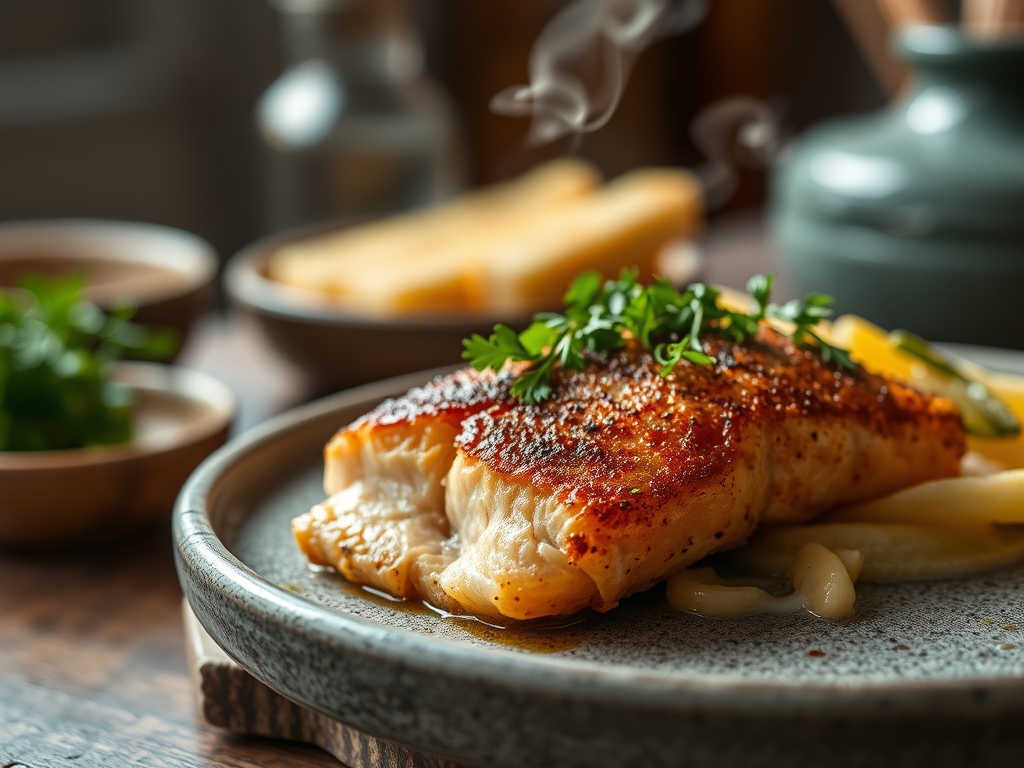
The sound of a perfect crunch is a universal love language. Imagine a golden, craggy exterior that shatters upon impact; it gives way to a center so buttery and succulent it practically melts. When exploring deep fried salmon recipes, most home cooks fear the dreaded "soggy skin" or the "dry interior." We are going to fix that today using pure molecular physics and a little bit of kitchen swagger. We are moving beyond basic battered fish to create a dish that feels like a high-end bistro masterpiece. This is about mastering the delicate balance between moisture retention and the Maillard reaction. We want that deep, nutty flavor that only comes from precisely controlled heat and high-quality fats. Grab your apron; we are about to turn your kitchen into the best seafood spot in town.
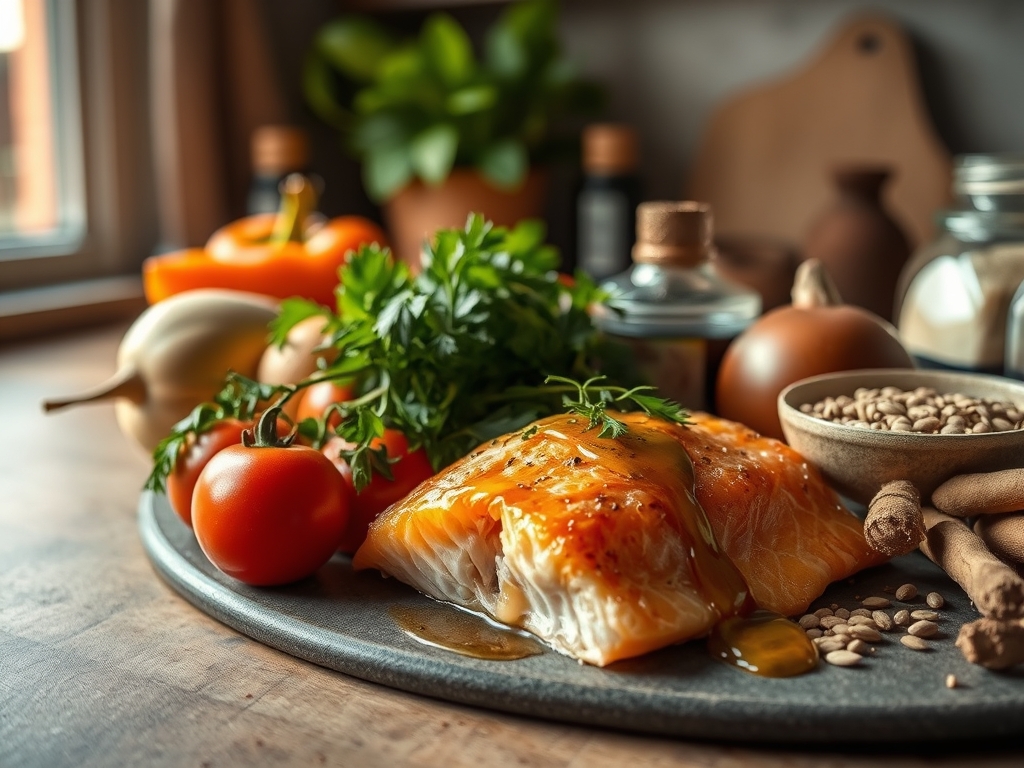
The Gathers:
To achieve a world-class result, your mise-en-place must be intentional. Start with fresh Atlantic or Sockeye fillets. You want high fat content because those lipids will render slightly during the fry, adding to the richness. You will need a digital scale to measure out 200 grams of all-purpose flour and 50 grams of cornstarch. This ratio is vital; cornstarch interferes with gluten development, ensuring the crust remains light rather than bready.
For the liquid component, use a cold, carbonated club soda or a piquant lager. The bubbles aerate the batter, creating tiny pockets of steam that expand rapidly in the oil. Have your spices ready: smoked paprika, garlic powder, and a generous amount of kosher salt.
Smart Substitutions: If you are avoiding gluten, swap the flour for a 1:1 ratio of rice flour and potato starch. Rice flour has a higher "crunch factor" because it absorbs less oil than wheat. For the frying medium, skip the olive oil. You need a high smoke point fat like avocado oil or refined peanut oil to prevent the development of acrid, burnt notes.
The Clock
Efficiency in the kitchen is all about the Chef's Flow. This is the art of sequencing tasks so that no component sits idle for too long.
- Prep Time: 15 minutes. This includes slicing the fish and whisking the dry ingredients.
- Resting Time: 10 minutes. Crucial for the salt to penetrate the protein.
- Cook Time: 4 to 6 minutes per batch.
- Total Time: Approximately 30 minutes.
The "flow" involves preheating your oil in a heavy-bottomed skillet or Dutch oven while you dredge the fish. Never let battered fish sit on the counter; the moisture from the salmon will hydrate the flour and turn your "crunch" into "mush" before it even hits the heat.
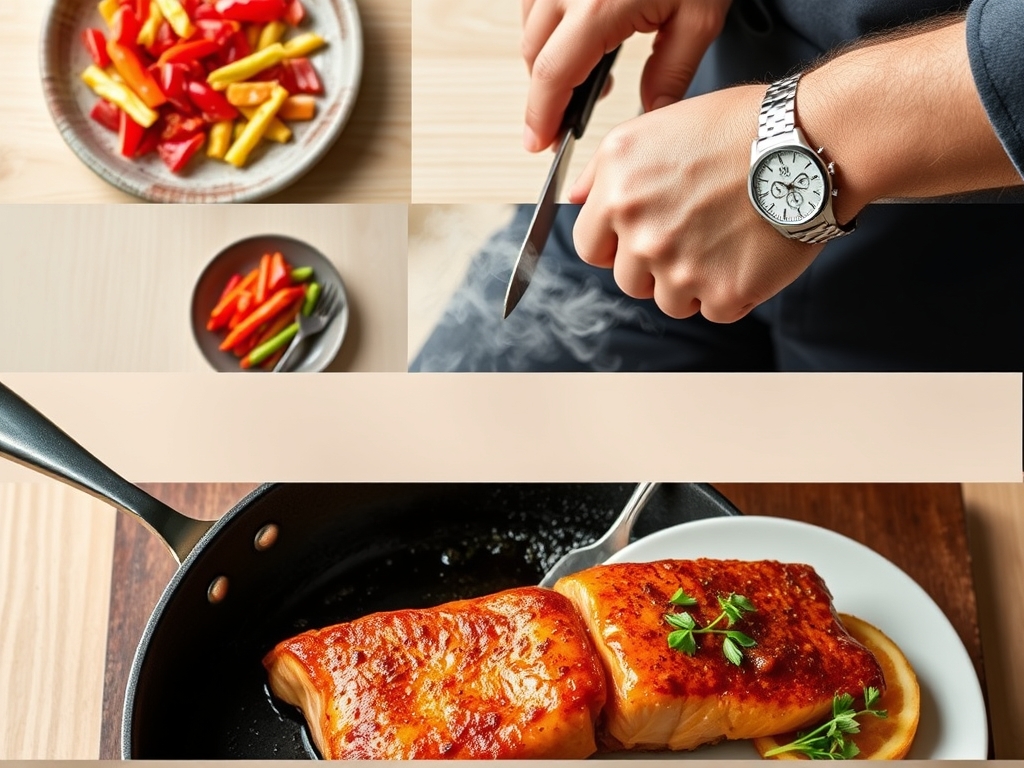
The Masterclass
1. The Desiccation Ritual
Pat your salmon fillets bone-dry with paper towels. Use a sharp chef's knife to cut them into uniform three-inch strips. Uniformity ensures they all finish cooking at the exact same millisecond.
Pro Tip: This is about surface tension. Any residual water on the surface of the fish will turn to steam under the batter, causing the crust to fall off. Dry fish equals a permanent bond.
2. The Dry Dredge
Toss the salmon pieces in a light coating of seasoned flour before dipping them into the wet batter. Use a bench scraper to move the pieces around without bruising the delicate flesh.
Pro Tip: This primary layer acts as a "primer." It absorbs the internal juices of the fish, creating a dry interface that allows the wet batter to cling tightly through the viscous stage of frying.
3. The Carbonated Bath
Whisk your ice-cold liquid into the remaining dry ingredients. The batter should be the consistency of heavy cream. Use a saucier or a deep bowl to make dipping easier.
Pro Tip: Cold batter + hot oil = thermal shock. This rapid temperature delta causes the gases in the carbonation to expand instantly, creating the honeycomb structure of a professional tempura.
4. The Precision Fry
Heat your oil to exactly 375 degrees Fahrenheit. Use an infrared thermometer to verify. Gently lower the fish into the oil using tongs, laying them away from you to avoid splashes.
Pro Tip: Do not overcrowd the pan. Dropping too much cold fish at once causes the oil temperature to plummet, leading to oil absorption and a greasy end product.
5. The Internal Finish
Fry until the exterior is a deep mahogany. Use a slotted spoon or a "spider" to remove the fish when the internal temperature hits 125 degrees Fahrenheit.
Pro Tip: This accounts for thermal carryover. The internal temperature will continue to rise about 5 to 10 degrees after removal, landing you at a perfect, flaky 135 degrees.
6. The Immediate Seasoning
As soon as the salmon leaves the oil, place it on a wire cooling rack (not a paper towel) and hit it with a final dusting of fine sea salt.
Pro Tip: This utilizes the capillary action of the hot surface oil to "glue" the salt to the crust before it sets.
The Deep Dive
Macro Nutrition: A standard 6-ounce serving of deep fried salmon contains approximately 450 calories, 35g of protein, and 28g of fats. While higher in calories than grilled versions, the Omega-3 fatty acids remain largely intact due to the short cooking window.
Dietary Swaps:
- Keto: Use crushed pork rinds and almond flour as the breading.
- Vegan: This technique works beautifully with "banana blossom" or firm tofu pressed for 24 hours.
- GF: As mentioned, rice flour is actually the "secret weapon" used by many pro chefs for extra crispiness.
The Fix-It:
- Soggy Crust: Your oil was too cold. Ensure it returns to 375 degrees between batches.
- Batter Falling Off: You skipped the dry dredge or the fish was wet. Dry it better next time!
- Burnt Outside/Raw Inside: Your oil was too hot. The sugars in the flour caramelized before the heat could reach the center.
Meal Prep & Reheating: To maintain "day-one" quality, never use a microwave. Reheat leftovers in an air fryer at 350 degrees for 3 minutes. This re-activates the fats and recrisps the exterior without overcooking the protein.
The Wrap-Up
Mastering deep fried salmon recipes is a rite of passage for any serious home cook. It is a dance of temperatures, textures, and timing. By focusing on the science of desiccation and the physics of carbonation, you have elevated a simple piece of seafood into a sensory experience. Serve this with a bright, acidic tartar sauce or a squeeze of charred lemon to cut through the richness. You have the tools; you have the knowledge; now go make some noise in that kitchen!
The Kitchen Table
What is the best oil for frying salmon?
Use oils with high smoke points like peanut, canola, or avocado oil. These fats can handle the 375 degree heat without breaking down or releasing bitter compounds; ensuring your salmon tastes clean and buttery rather than burnt.
Why does my batter get soggy so fast?
Sogginess usually happens because of steam trapped between the fish and the crust. Ensure your salmon is bone-dry before dredging and always rest the fried fish on a wire rack rather than a flat plate or paper towel.
Can I deep fry salmon with the skin on?
Absolutely. If you keep the skin on, ensure it is scaled and incredibly dry. The skin will become "crackling-like" and provide an extra layer of texture. Just ensure the skin side hits the hot oil first to set.
How do I know when the salmon is done?
The most reliable method is using an instant-read thermometer. Aim for an internal temperature of 125 degrees Fahrenheit. The fish will be golden brown on the outside and flake easily with a fork once it rests for two minutes.