
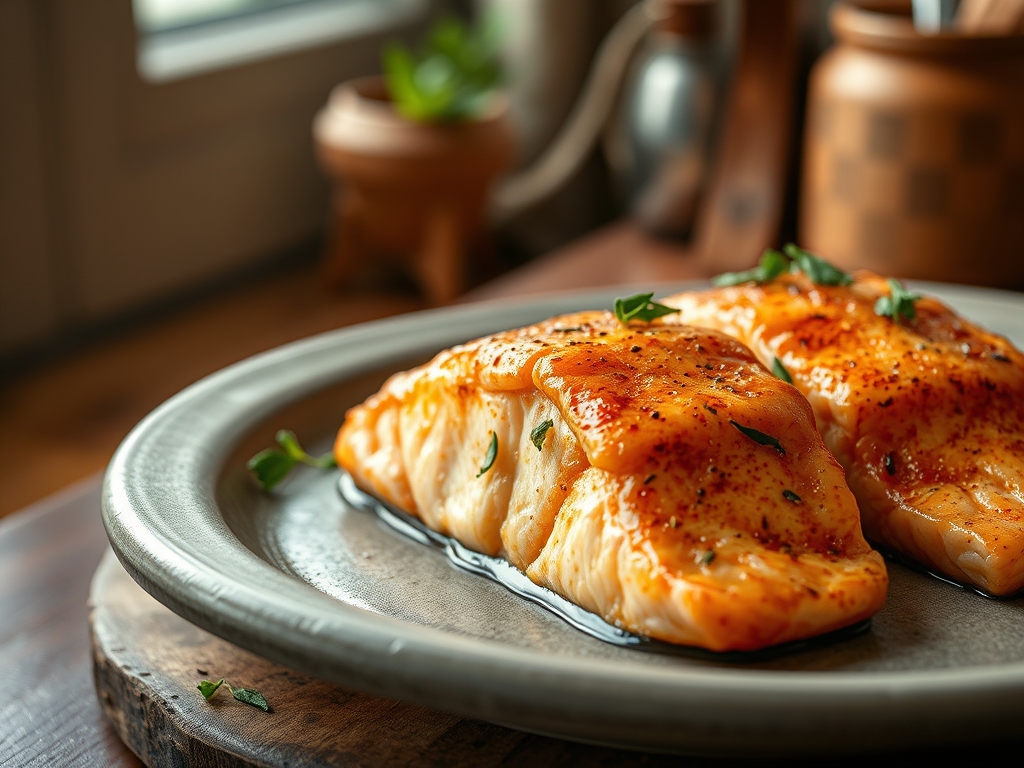
Close your eyes and listen for that distinct, rhythmic sizzle. It is the sound of cold protein hitting a shimmering, hot pan; a transformation where raw, translucent flesh turns into a buttery, flake-apart masterpiece. When you are hunting for flavorful salmon recipes, you are not just looking for a meal; you are looking for that perfect intersection of crispy skin and a tender, medium-rare center. Most people fear overcooking this delicate fish, but the secret lies in understanding the molecular structure of the fats. We are going to treat salmon like the luxury ingredient it is, using heat to render out the subcutaneous fats while locking in moisture. Whether you are craving a piquant citrus glaze or a deep, umami-rich crust, mastering these techniques will turn your kitchen into a high-end bistro. We are moving beyond basic seasoning and into the world of complex flavor profiles that elevate the humble fillet into something truly extraordinary. Grab your apron; we are about to make magic happen with heat and salt.
The Gathers:
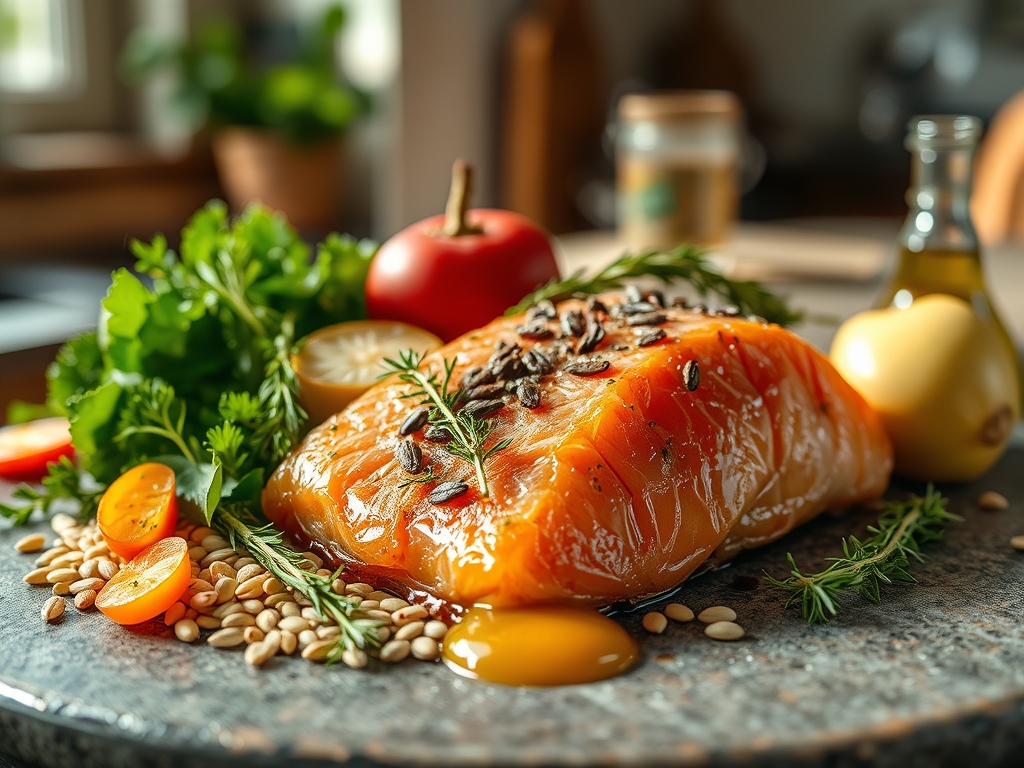
To execute these flavorful salmon recipes, your mise-en-place must be precise. Start with high-quality, center-cut fillets. Look for vibrant color and a firm texture that springs back when touched. You will need a heavy-bottomed skillet, preferably cast iron or stainless steel, to ensure even heat distribution. For the aromatics, gather fresh ginger, garlic, and bright citrus. The microplane is your best friend here; it allows you to zest the fruit and grate the ginger into a fine paste, maximizing surface area for flavor infusion.
You will also need a high-smoke-point oil like avocado or grapeseed oil. Avoid extra virgin olive oil for the initial sear, as its low smoke point will result in a bitter, burnt taste. For the "Smart Substitutions," if you are avoiding soy, coconut aminos offer a similar umami depth with a lower glycemic index. If fresh herbs are unavailable, use a 1:3 ratio of dried to fresh, but ensure you bloom them in the oil first to release their volatile compounds. Always keep a digital scale nearby to ensure your portions are uniform, which guarantees a consistent cook time across all fillets.
The Clock: Mastering the Chef's Flow
Efficiency in the kitchen is about the "Chef's Flow." This is the logical sequence of tasks that minimizes downtime. For these recipes, prep time is approximately 15 minutes, while active cook time ranges from 6 to 10 minutes depending on thickness. Total time from fridge to table is roughly 25 minutes.
The flow begins with tempering the fish. Taking the salmon out of the refrigerator 20 minutes before cooking prevents the "thermal shock" that causes the exterior to overcook before the interior reaches the desired temperature. While the fish tempers, you perform your knife work. Use a bench scraper to neatly transfer chopped aromatics to your prep bowls. By the time your pan is preheated to the point of wispy smoke, your fillets should be patted bone-dry. Moisture is the enemy of the Maillard reaction; any surface water will turn to steam, preventing that golden-brown crust we crave.
The Masterclass: Step-by-Step Excellence
1. The Ultimate Sear
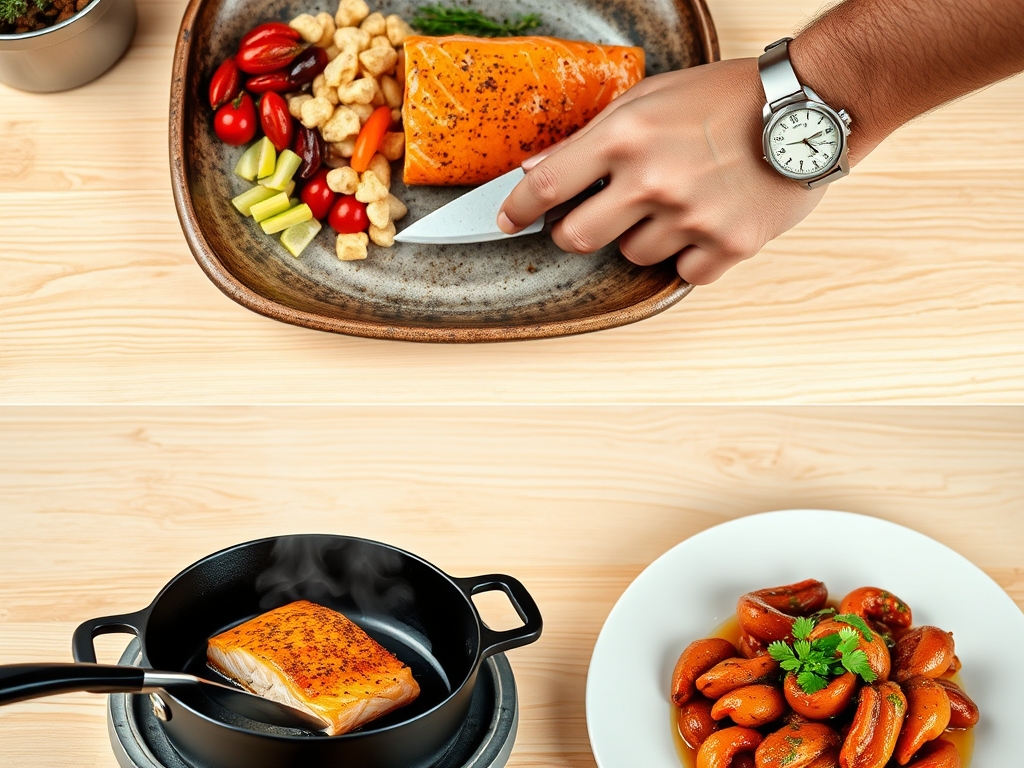
Season your fillets generously with kosher salt from a height to ensure even distribution. Place the fish skin-side down in the hot skillet. Press down firmly with a flexible fish spatula for the first 30 seconds.
Pro Tip: This initial pressure prevents the protein fibers from contracting and curling, ensuring maximum surface contact for enzymatic browning. This creates a uniform, crispy skin.
2. The Butter Baste
Once the skin is crispy and the fish is 70 percent cooked, flip it gently using tongs. Drop a knob of cold, unsalted butter, a crushed garlic clove, and a sprig of thyme into the pan.
Pro Tip: Use a saucier spoon to continuously bathe the fish in the foaming butter. This technique, known as arrosé, uses convection to finish the cooking process while infusing the flesh with nutty, toasted milk solids.
3. The Glaze Reduction
Remove the fish and deglaze the pan with a splash of white wine or citrus juice. Whisk in your flavor base (honey, soy, or miso) and simmer until the liquid becomes viscous and coats the back of a spoon.
Pro Tip: This reduction concentrates the sugars and acids. The science of reduction involves evaporating water to increase the density of flavor molecules, creating a piquant finish.
4. The Gentle Rest
Transfer the salmon to a warm plate and let it rest for at least 3 minutes before serving. Note the texture in the step-by-step photos above; the flakes should be distinct but moist.
Pro Tip: Resting allows for thermal carryover. The internal temperature will rise by 5 to 10 degrees, and the cell structures will reabsorb the juices, preventing them from leaking out when you take your first bite.
The Deep Dive: Nutrition and Troubleshooting
Salmon is a nutritional powerhouse, loaded with Omega-3 fatty acids (EPA and DHA) which are essential for brain health and reducing inflammation. A standard 6-ounce portion provides roughly 34 grams of high-quality protein. For those following a Keto lifestyle, salmon is the gold standard due to its healthy fat-to-protein ratio. If you are looking for a Vegan alternative, use "watermelon steak" or firm tofu marinated in kelp granules to mimic the oceanic flavor profile.
Even the best chefs run into hurdles. If your fish is sticking to the pan, it is likely because you tried to flip it too early. Protein will naturally "release" from the metal once the sear is complete. If you see white "goop" (albumin) seeping out, you have applied heat too aggressively; lower the flame next time. For meal prep, never reheat salmon in the microwave. Instead, use a low-temperature oven (275F) with a splash of water and a cover. This creates a gentle steam environment that restores the emulsification of the fats without making the fish rubbery.
The Wrap-Up
You now have the technical blueprint for creating flavorful salmon recipes that rival any five-star restaurant. By focusing on the science of heat, the importance of dry skin, and the magic of the butter baste, you have elevated a simple dinner into a culinary event. Remember, cooking is as much about the feel of the tools in your hands as it is about the ingredients. Trust your instincts, watch for the visual cues of the protein changing color, and do not be afraid to turn up the heat to get that perfect crunch. Now, go forth and conquer that skillet!
The Kitchen Table: FAQ
How do I know when the salmon is perfectly done?
Use a digital thermometer to check for an internal temperature of 125F for medium-rare. The flesh should be opaque on the outside but slightly translucent in the center, flaking easily with a gentle fork press.
Why does my salmon always turn out dry?
Dryness usually results from overcooking or skipping the tempering process. Cooking cold fish causes the outside to dry out before the middle is warm. Always rest your fish to allow juices to redistribute through the muscle fibers.
Can I cook salmon straight from the freezer?
It is not recommended for searing. Thawing ensures even heat penetration. However, if you must, use the "air fryer" method at a lower temperature to defrost and cook simultaneously, though you will sacrifice the crispiness of a pan sear.
What is the best way to get crispy skin?
Ensure the skin is bone-dry using paper towels. Start in a cold pan with a small amount of oil and gradually increase heat, or use a screaming hot pan and press the fish down to prevent curling and steam pockets.