
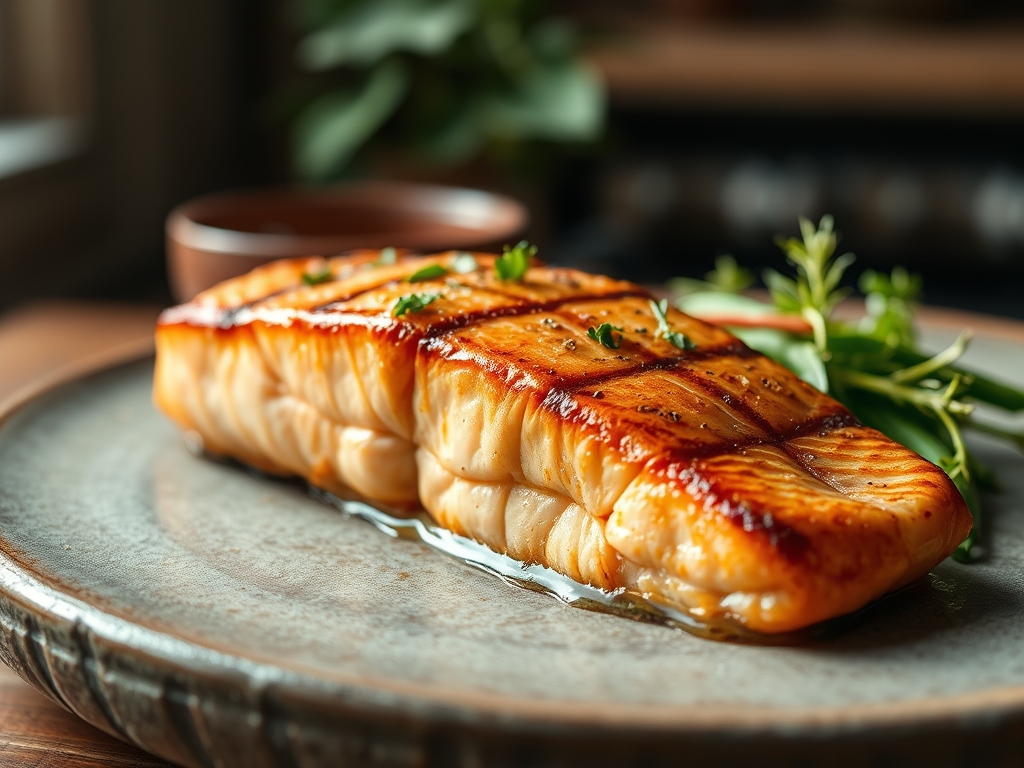
Picture the scene: the sun is dipping low; the air is thick with the scent of charred cedar and citrus. You are standing over a shimmering grate, holding a pair of precision offset tongs while a side of fish sizzles with a sound like applause. We are not just cooking dinner; we are engineering the best grilled salmon recipes ever by mastering the delicate chemistry of protein denaturation. Most people fear the grill because salmon is a temperamental protagonist; it can go from translucent and buttery to chalky and dry in a matter of seconds. But today, we are leaning into the science of the Maillard reaction to create a crust so crisp it shatters, protecting a center that remains lush and viscous. By the time we are done, you will understand exactly how heat interacts with omega-3 fatty acids to create a flavor profile that is both smoky and refined.
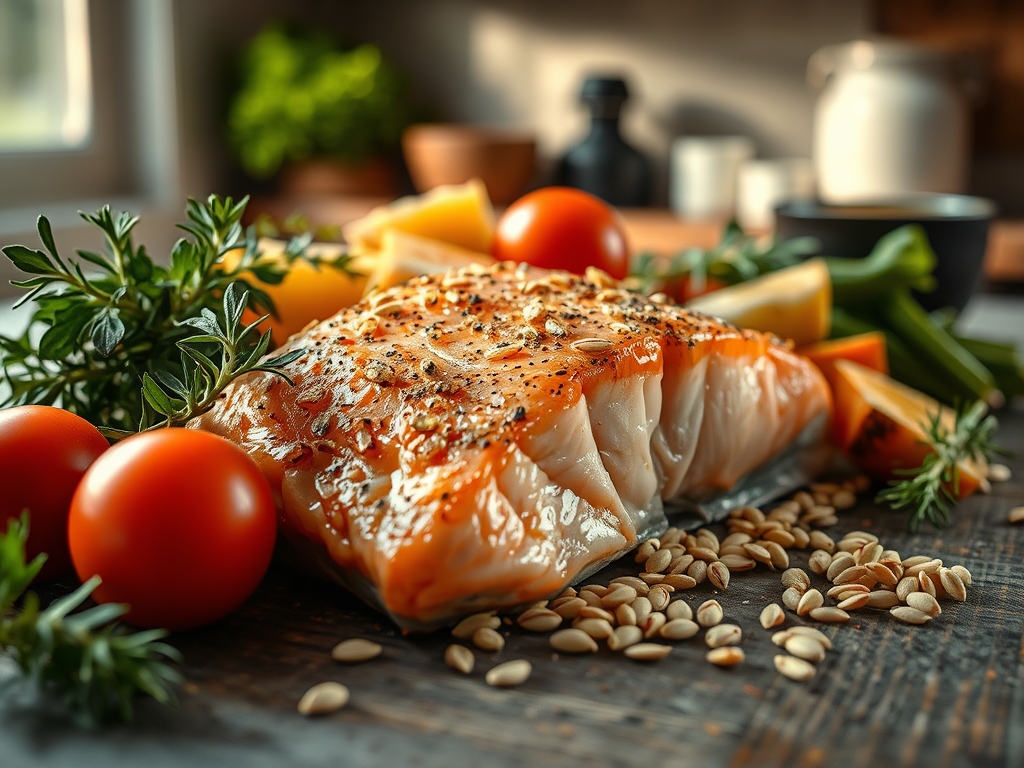
The Gathers:
Before we light the first coal, we must assemble our mise-en-place with the precision of a laboratory technician. Start with high-quality King or Sockeye fillets; look for deep pigmentation which indicates a high concentration of astaxanthin, a powerful antioxidant. You will need a microplane to zest organic lemons, ensuring you only capture the oil-rich flavedo without the bitter white pith. For the marinade, gather cold-pressed olive oil, toasted sesame oil for a piquant depth, and a high-grade sea salt with a consistent crystal size to ensure even osmotic pressure.
Smart Substitutions: If you are out of fresh citrus, a splash of verjus or a high-acid white wine vinegar will provide the necessary protons to brighten the fats. Instead of honey, try pomegranate molasses to infuse a tart, complex sweetness that caramelizes beautifully at high temperatures. If you lack a grill, a heavy-bottomed skillet or a cast-iron grill pan can replicate the thermal mass required for a proper sear.
The Clock:
The "Chef's Flow" is all about managing thermal momentum. Your total active preparation time is approximately 20 minutes, which includes the critical step of tempering the fish. You must allow the salmon to sit at room temperature for at least 15 minutes before it touches the heat; this prevents the "thermal shock" that causes the muscle fibers to contract violently and squeeze out moisture. The actual cook time is remarkably fast, usually between 6 to 10 minutes depending on thickness. Finally, factor in a mandatory 5-minute rest period. This allows the internal pressure to stabilize and the juices to redistribute, ensuring your first cut does not result in a puddle of lost flavor on the plate.
The Masterclass:
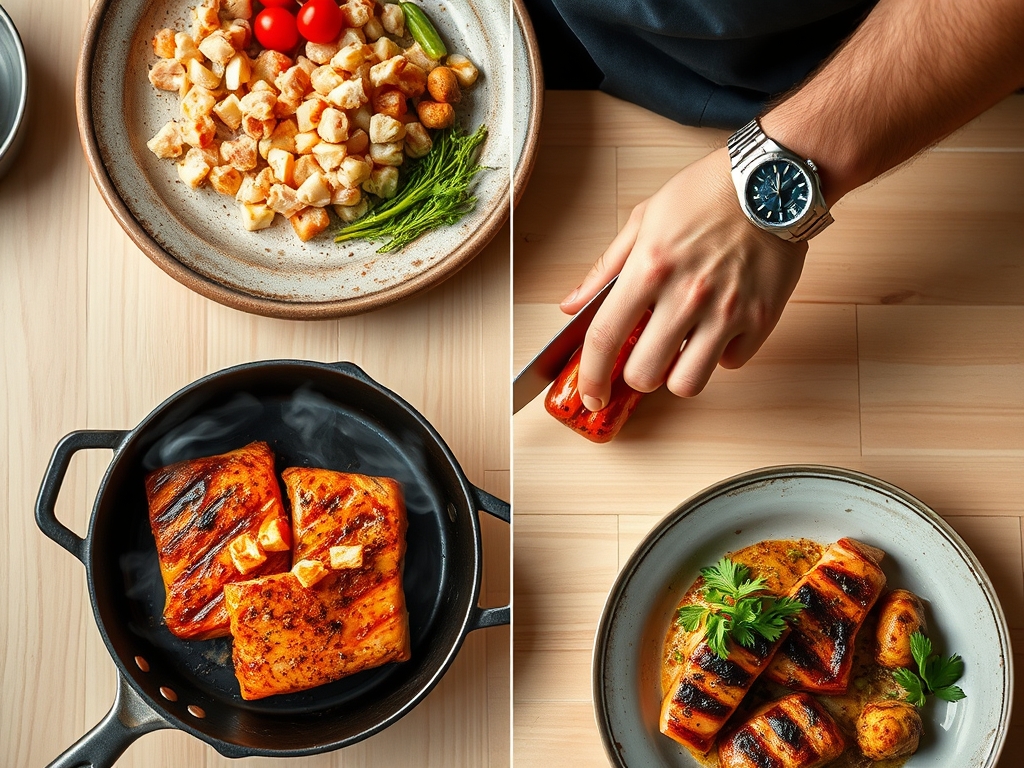
1. The Dry Brine Technique
Generously season your fillets with salt and a touch of sugar at least 30 minutes before grilling. This process, known as osmosis, initially draws moisture out, but then dissolves the salt into a brine that is reabsorbed, deeply seasoning the flesh and breaking down tough proteins.
Pro Tip: This technique alters the structure of the myosin filaments, allowing them to hold onto more water during the cooking process. It is the secret to a succulent interior.
2. Achieving Total Surface Dryness
Use a lint-free paper towel to pat the skin and flesh until they are bone-dry. Moisture is the enemy of the sear; if the surface is wet, the energy of the grill will be wasted on evaporating water rather than browning the fish.
Pro Tip: This prevents the "steaming" effect. You cannot achieve enzymatic browning (the Maillard reaction) until the surface temperature exceeds 285 degrees Fahrenheit, which is impossible if water is present.
3. Lubrication and the Oil Barrier
Brush the fish, not the grill, with a high-smoke-point oil like avocado oil. Using a silicone pastry brush, ensure every crevice is coated. This creates a hydrophobic barrier that prevents the protein from bonding with the metal grates.
Pro Tip: This is a lesson in molecular adhesion. When proteins get hot, they form chemical bonds with the metal of the grill. The oil acts as a sacrificial layer that breaks these bonds before they become permanent.
4. The Initial Sear (Skin-Side Down)
Place the fish on the hottest part of the grill, skin-side down. Press gently with a fish spatula to ensure total contact. Leave it undisturbed for at least 4 minutes. The skin acts as a natural heat shield, protecting the delicate flesh from direct radiation.
Pro Tip: This allows the subcutaneous fat to render, essentially frying the skin in its own lipids until it becomes as crisp as a potato chip.
5. Monitoring Internal Temperature
Use a digital probe thermometer to check for doneness. Do not rely on "feel" or the "flake test," which destroys the visual integrity of the fillet. Aim for an internal temperature of 125 degrees Fahrenheit for medium-rare.
Pro Tip: Remember thermal carryover. The internal temperature will continue to rise by 5 to 7 degrees after you remove the fish from the heat. Pulling it early ensures you don't overshoot into "dry" territory.
6. The Gentle Flip
Using your bench scraper or a wide spatula, gently lift the fish. If it resists, it is not ready to flip. Once the skin has sufficiently carbonized and released, it will move freely. Flip only once to finish the top side for about 60 seconds.
Pro Tip: Over-handling the fish leads to structural failure. Minimizing movement preserves the integrity of the albumin, the white protein that can sometimes leak out if the fish is stressed.
7. The Resting Phase
Transfer the salmon to a warm plate and tent loosely with foil. This is not just a suggestion; it is a mechanical necessity.
Pro Tip: During cooking, the proteins contract and push juices to the center. Resting allows the fibers to relax and re-absorb those juices, ensuring every bite is uniformly moist.
8. The Acidic Finish
Just before serving, use your saucier to drizzle a warm reduction of lemon, butter, and capers over the fish. The acidity cuts through the richness of the fats, creating a balanced palate.
Pro Tip: Fat carries flavor, but acid defines it. This final hit of citrus brightens the heavy omega-3s and creates a "clean" finish on the tongue.
The Deep Dive:
From a nutritional standpoint, salmon is a powerhouse. A standard 6-ounce portion delivers roughly 34 grams of high-bioavailability protein and a massive dose of Vitamin B12. For those following a Keto lifestyle, this is a "holy grail" meal due to the high fat-to-carb ratio. If you are cooking for a Vegan guest, you can apply these same grilling techniques to a thick "steak" of cauliflower or a firm block of tofu, though you will want to use a miso-based glaze to replicate the savory umami of the fish.
The Fix-It:
- Fish Sticking: If the fillet is stuck, do not yank it. Pour a tiny bit of oil down the grate near the stick point and wait 30 seconds; the heat will eventually cause the protein to release.
- The White Gunk (Albumin): If you see white clouds appearing, you are cooking too fast or too hot. Lower the heat or move the fish to a cooler zone.
- Flare-ups: Keep a small spray bottle of water nearby to douse flames caused by dripping fat, preventing a bitter, sooty taste.
Meal Prep: To reheat salmon without turning it into rubber, avoid the microwave. Instead, place it in a 275-degree oven with a tablespoon of water and cover it tightly. This "steams" the fish back to life, maintaining the original texture.
The Wrap-Up:
Mastering the best grilled salmon recipes ever is about more than just a recipe; it is about understanding the physics of the fire and the biology of the fish. When you treat the salmon with respect—tempering it, drying it, and monitoring the temperature with surgical precision—you transform a simple piece of seafood into a culinary masterpiece. Now, grab your tongs, fire up the coals, and go show those grates who is boss. Your kitchen table is about to become the hottest ticket in town.
The Kitchen Table:
How do I know when grilled salmon is done?
The most reliable method is using a digital thermometer. For a perfect medium-rare, pull the salmon off the grill when it hits 125 degrees Fahrenheit. The temperature will rise to the ideal 130 degrees during the resting period.
Should I leave the skin on when grilling?
Yes, always. The skin acts as a protective thermal barrier, preventing the delicate flesh from drying out. It also contains high concentrations of oils that render during cooking, adding incredible flavor and a satisfying, crunchy texture to the dish.
Why does my salmon always stick to the grill?
Sticking usually happens because the grill wasn't hot enough or the fish was too wet. Ensure the grates are preheated for 15 minutes and pat the salmon completely dry with paper towels before applying a thin layer of oil.
Can I grill frozen salmon fillets?
It is not recommended. Frozen salmon releases excess moisture as it thaws on the grill, which prevents searing and leads to a mushy texture. For the best results, thaw the fish completely in the refrigerator before beginning your prep.