
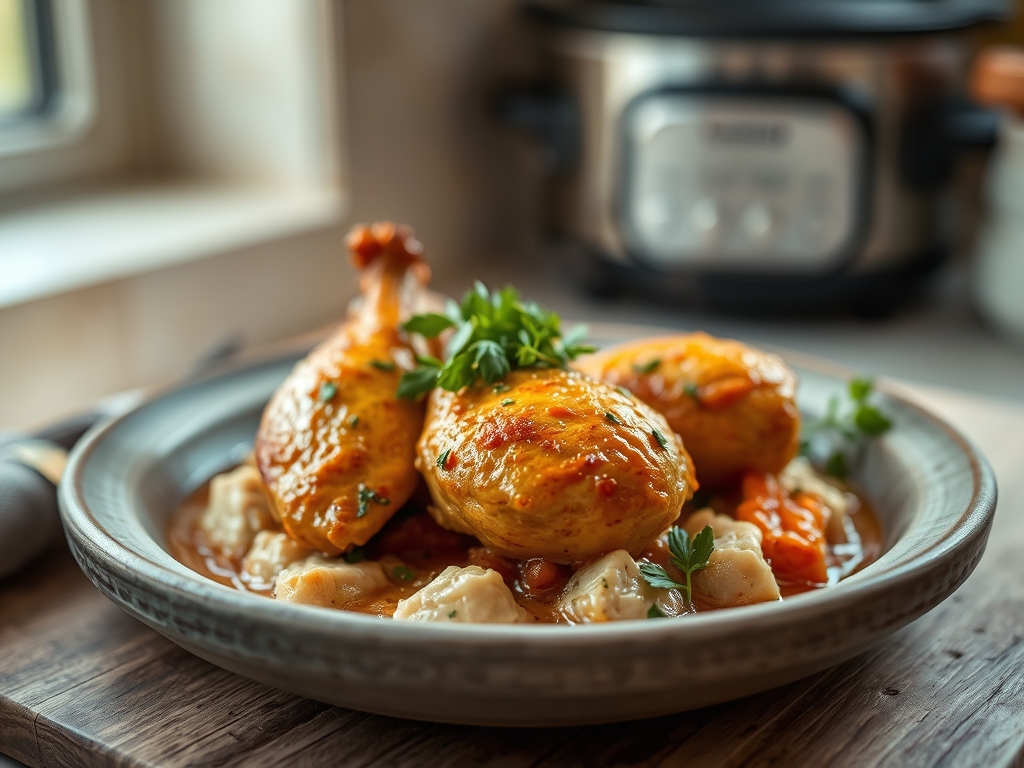
Picture this: you walk through the front door after a relentless day and the air greets you with the scent of slow-rendered fat and aromatic herbs. It is the olfactory equivalent of a weighted blanket. Finding reliable simple chicken recipes in crock pot rotations is not just about convenience; it is about mastering the physics of low and slow heat to transform lean protein into something spectacular. We are moving past the era of bland, watery stews. By understanding how collagen breaks down into gelatin over several hours, we can achieve a velvety mouthfeel that rivals any high-end bistro. These nine variations leverage the same foundational science to ensure your dinner is consistent, piquant, and utterly effortless. Whether you are craving a bright citrus infusion or a deep, earthy mole, the mechanics remain the same. We are going to use the ceramic vessel as a pressurized flavor chamber to infuse every fiber of the meat with seasoning. It is time to let the appliance do the heavy lifting while you take the credit for a perfectly executed meal.
The Gathers:
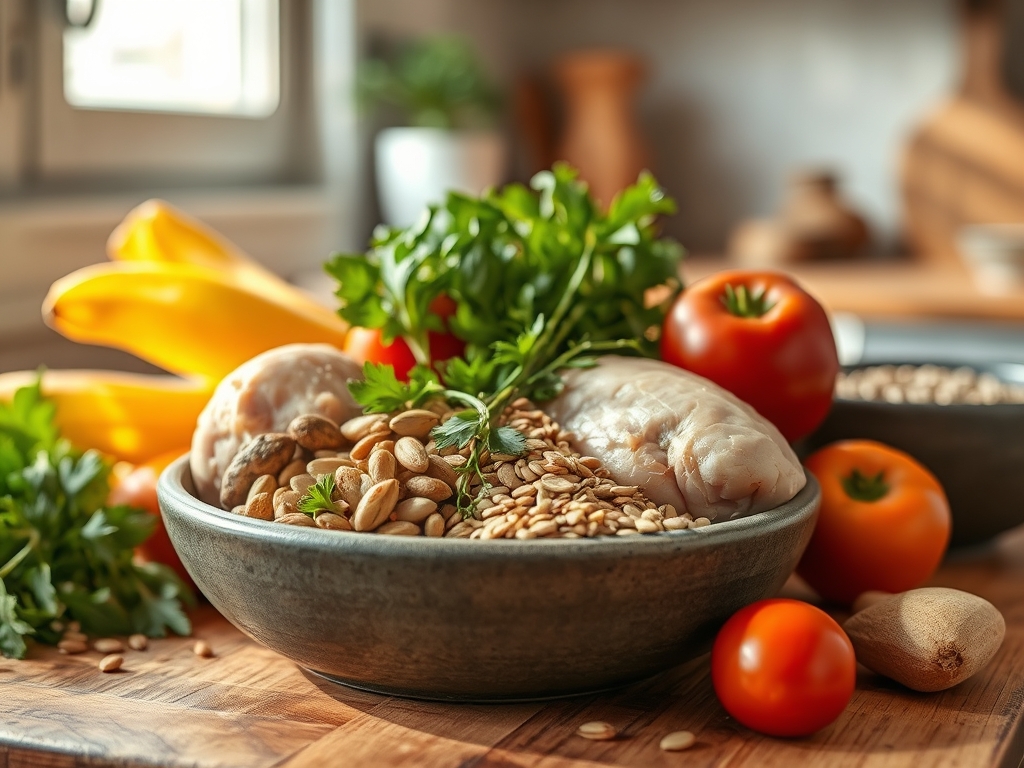
To begin, we must assemble our mise-en-place with precision. Start with high-quality poultry; organic thighs are preferable because their higher lipid content prevents desiccation during the long thermal cycle. You will need a digital scale to ensure your ratios of salt to protein are exact, usually aiming for a 1.5 percent salinity by weight. Gather your aromatics: yellow onions for their high sugar content, garlic cloves to be crushed with a bench scraper to release allicin, and fresh herbs like thyme or rosemary.
For the liquids, think in terms of viscosity. A splash of dry white wine provides the acidity needed to balance the fats, while a high-quality bone broth adds a rich, gelatinous body. Smart substitutions are your secret weapon here. If you lack fresh ginger, a microplane of frozen ginger root provides an even more intense pungent kick. Swap heavy cream for full-fat coconut milk to achieve a similar creamy texture without the dairy. If you find your sauce is too thin, a slurry of arrowroot powder acts as a superior thickening agent compared to flour, as it remains stable under prolonged heat and results in a glossy, translucent finish.
The Clock:
The "Chef's Flow" is all about front-loading the labor. Prep time for these dishes should never exceed twenty minutes. This involves the rapid chopping of aromatics and the initial searing of the protein. The cook time is where the magic happens. Most simple chicken recipes in crock pot settings require four hours on "High" or six to eight hours on "Low."
The science of the "Low" setting is superior for moisture retention. At lower temperatures, the muscle fibers contract more slowly, squeezing out less intracellular fluid. If you are using bone-in cuts, the extended time allows the marrow to dissolve, enriching the sauce with minerals and depth. Plan to start your prep during your morning coffee ritual; by the time your workday concludes, the thermal energy will have completed its transformation of the ingredients.
The Masterclass:
1. The Maillard Pre-Sear
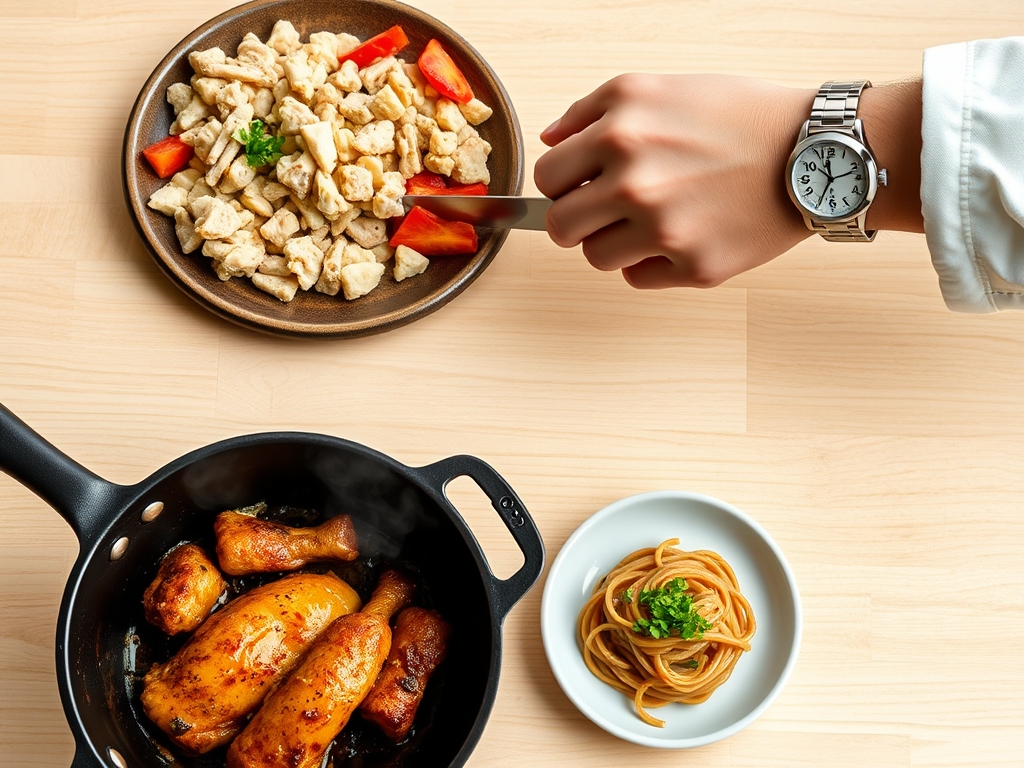
Before the chicken ever touches the ceramic pot, heat a heavy-bottomed skillet until it reaches the smoke point of your oil. Pat the chicken dry with paper towels to remove surface moisture. Sear the skin side down until it is golden brown.
Pro Tip: This triggers the Maillard reaction, a chemical dance between amino acids and reducing sugars that creates hundreds of flavor compounds impossible to achieve through boiling alone.
2. Deglazing the Foundation
Once the chicken is removed, pour a splash of stock or wine into the hot skillet. Use a wooden spoon to scrape up the brown bits (the fond) stuck to the bottom.
Pro Tip: This process captures the concentrated essence of the meat. These caramelized particles contain umami-rich compounds that provide the "base notes" for your entire dish.
3. Layering the Aromatics
Place your densest vegetables, like carrots and potatoes, at the very bottom of the crock pot. They require the most direct contact with the heating element located at the base of the unit.
Pro Tip: Vegetables have tougher cell walls made of cellulose. Placing them at the bottom ensures they reach the softening point without the chicken overcooking on top.
4. The Liquid Ratio
Pour your deglazed liquid and additional broth over the ingredients, but do not submerge the chicken completely. You want the top third of the meat to remain above the liquid line.
Pro Tip: This allows for a combination of braising and steaming. Total submersion leads to "boiled meat" syndrome, which can result in a rubbery texture.
5. The Low and Slow Phase
Cover the pot with a tight-fitting lid and resist the urge to peek. Every time the lid is lifted, the internal temperature drops by fifteen degrees, extending the cook time significantly.
Pro Tip: Maintaining a constant temperature is vital for collagen conversion. At approximately 160 degrees Fahrenheit, connective tissues begin to melt into gelatin, creating that "fall-apart" tenderness.
6. The Emulsification Finish
Ten minutes before serving, whisk in any fats or thickeners, such as butter or cold cream, using a saucier or small whisk.
Pro Tip: Creating a stable emulsion at the end of the cook cycle prevents the sauce from breaking or looking greasy. The fat molecules become suspended in the liquid for a silky finish.
The Deep Dive:
From a macro perspective, these dishes are nutritional powerhouses. A standard serving provides roughly 35 grams of protein and, depending on your vegetable choices, a significant dose of fiber and micronutrients. For those following a Keto lifestyle, focus on high-fat additions like avocado oil or heavy cream while omitting root vegetables. Vegan adaptations can be made by swapping chicken for chickpeas or jackfruit, though the cook time will decrease to prevent the plant fibers from disintegrating.
The "Fix-It" guide is essential for any home cook. If your dish is too salty, add a peeled potato for the final thirty minutes to absorb excess sodium. If the flavor feels "flat," it likely lacks acidity; a squeeze of fresh lemon juice or a teaspoon of apple cider vinegar will brighten the entire profile. If the sauce is too thin, temper in a small amount of cornstarch slurry. For meal prep, remember that reheating chicken can often lead to a "warmed-over flavor" caused by lipid oxidation. To prevent this, reheat your portions gently on the stove with an extra splash of broth to rehydrate the proteins.
The Wrap-Up:
Mastering simple chicken recipes in crock pot environments is the ultimate culinary "life hack." You are essentially using thermodynamics to create gourmet-level meals with minimal active labor. By focusing on the sear, the deglaze, and the slow conversion of collagen, you elevate humble ingredients into a sophisticated dining experience. Go ahead and experiment with different flavor profiles; the science will support you every step of the way. Your kitchen is now a laboratory of flavor, and the results are guaranteed to be delicious.
The Kitchen Table:
Can I put frozen chicken directly in the crock pot?
No, it is unsafe. Frozen meat stays in the "danger zone" (40 to 140 degrees Fahrenheit) for too long, allowing bacteria to multiply. Always thaw chicken completely in the refrigerator before adding it to your slow cooker for even heat distribution.
How do I prevent the chicken from becoming dry?
Use dark meat like thighs, which contain more connective tissue and fat. If using breasts, reduce the cook time and ensure the lid remains sealed to trap steam. Adding an acidic component also helps break down fibers while maintaining moisture.
Why does my slow cooker meal taste bland?
Blandness usually results from skipping the searing step or under-salting. Aromatics like garlic and onion lose potency over long periods; try adding a fresh handful of herbs or a splash of citrus right before serving to provide a bright, high-note finish.
Is it necessary to brown the meat first?
While not strictly required for safety, browning is essential for flavor. The Maillard reaction creates complex savory notes that raw simmering cannot replicate. If you are in a rush, you can skip it, but the depth of flavor will be significantly reduced.