
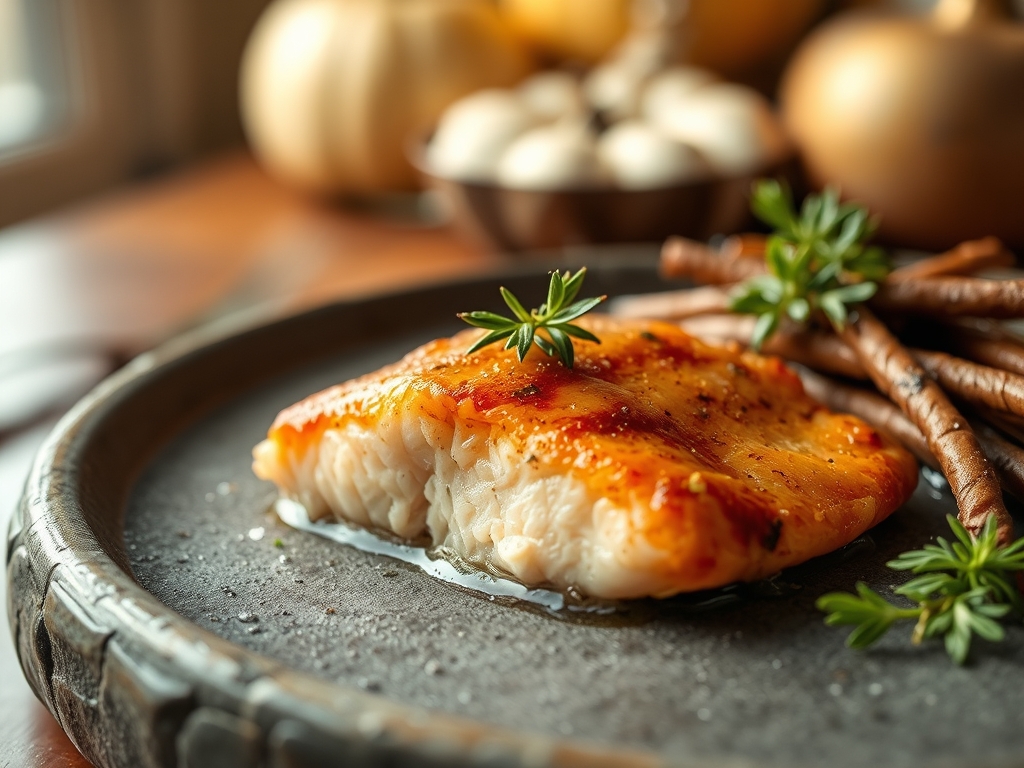
Picture a mahogany table laden with the usual suspects; the heavy stuffing, the mountains of mashed potatoes, and the requisite bird. Now, imagine a centerpiece that actually glows. We are breaking tradition with a shimmering, ruby-red side of fish. Mastering salmon recipes for thanksgiving is the ultimate host flex because it offers a light, sophisticated counterpoint to the heavy autumnal starches.
The scent of cedar smoke and rendered fat fills the room as you pull a perfectly glazed fillet from the oven. This is not just a meal; it is a calculated sensory experience. Salmon provides a rich, buttery mouthfeel that mimics the decadence of a holiday feast without the post-dinner slump. By understanding the molecular structure of the fish, we can transform a standard fillet into a showstopping roast that rivals any turkey.
We are going to explore nine distinct variations, from a pomegranate-sumac glaze that pops with acidity to a brown butter and hazelnut crust that echoes the toasted notes of the season. Whether you are hosting a small gathering or a massive family affair, these salmon recipes for thanksgiving ensure that every guest leaves impressed. Grab your favorite apron and a glass of crisp Riesling; we are about to turn your kitchen into a high-end bistro.
The Gathers:
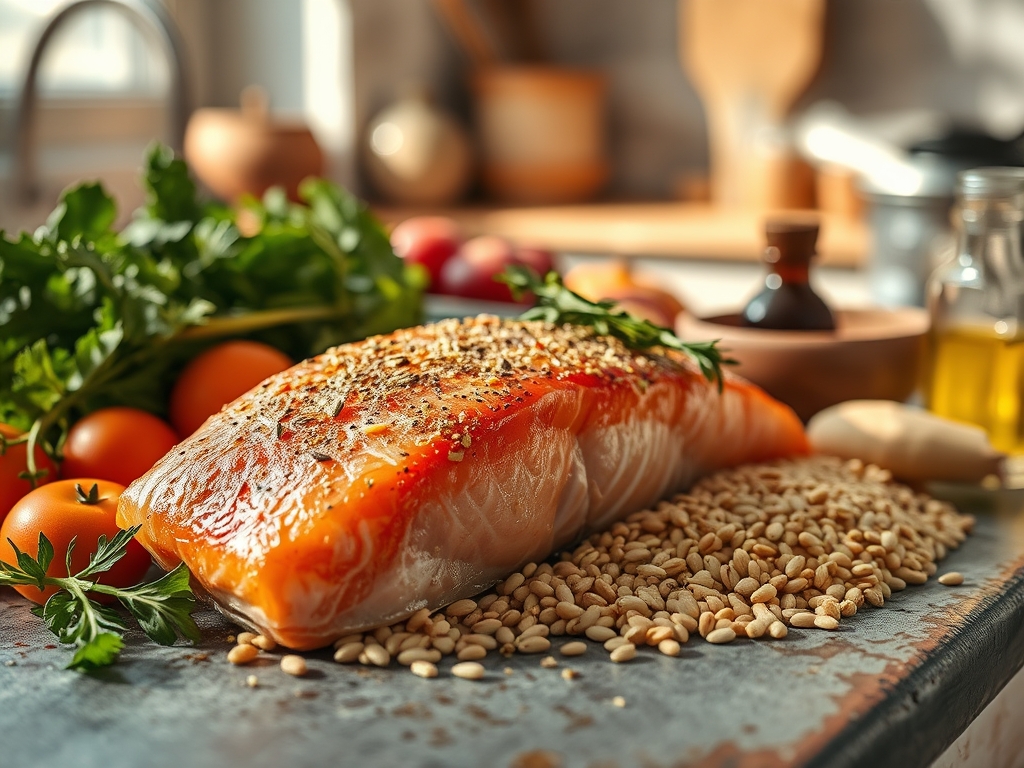
To achieve a restaurant-grade finish, your mise-en-place must be precise. Start with a side of King or Atlantic salmon, ideally between three and four pounds. Look for deep pigmentation and firm flesh; this indicates a high concentration of astaxanthin, the antioxidant that gives salmon its hue. You will need a microplane for zest, a saucier for reducing glazes, and a digital scale to ensure your dry rub ratios are exact.
The supporting cast includes high-smoke-point fats like avocado oil or clarified butter. We want to avoid bitter carbonization during the roasting process. For the aromatics, gather fresh sprigs of rosemary, thyme, and sage. These woody herbs contain volatile oils that infuse the fat of the fish as it renders. To balance the richness, we use piquant elements like capers, preserved lemons, or a splash of apple cider vinegar.
Smart Substitutions: If you cannot find fresh pomegranate seeds for the garnish, dried cranberries soaked in orange juice provide a similar tartness. For a dairy-free version of the cream sauces, use a full-fat coconut milk reduced with a splash of white wine to mimic the viscous texture of heavy cream. If you are out of honey, maple syrup is a superior autumnal alternative that pairs beautifully with the smoky notes of the fish.
The Clock
Efficiency in the kitchen is about "Chef's Flow." This means grouping tasks to minimize movement and maximize heat management. For a three-pound roast, expect 15 minutes of active preparation and 18 to 22 minutes of roasting time. However, the most critical window is the ten-minute rest period after the fish leaves the oven.
The total "floor-to-table" time is approximately 45 minutes. During the roasting phase, use those 20 minutes to deglaze your pans or whip up a quick herb oil. By the time the salmon has finished its thermal carryover, your sides should be plated and ready. This synchronization ensures that the fish is served at its peak temperature, roughly 125 degrees Fahrenheit for a medium-rare center.
The Masterclass
1. Tempering the Protein
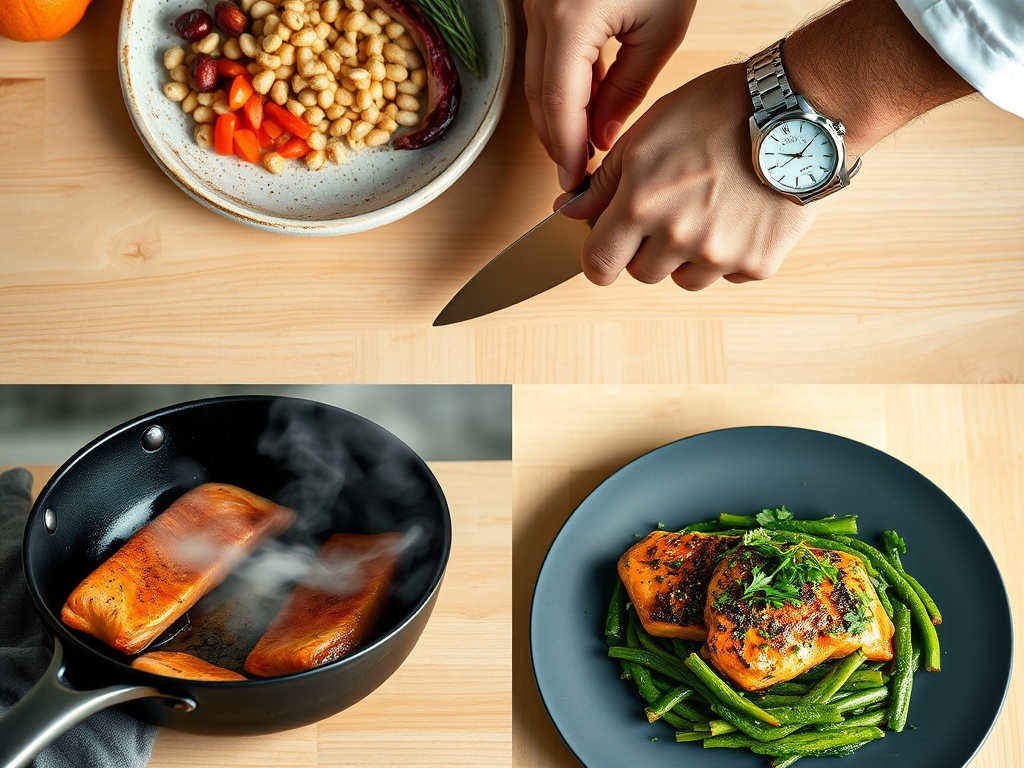
Remove the salmon from the refrigerator at least 30 minutes before cooking. Use a paper towel to pat the skin bone-dry. This step is non-negotiable for achieving a crisp exterior.
Pro Tip: Cold protein causes the muscle fibers to seize when hitting a hot pan. Tempering allows for even heat distribution, preventing the "grey ring" of overcooked meat near the surface.
2. The Salt Cure
Generously season the flesh side with kosher salt. Allow it to sit for ten minutes until the surface looks slightly "sweaty." This is the beginning of a dry brine.
Pro Tip: Salt breaks down the lean muscle proteins, allowing them to retain more moisture during the roasting process. This is known as denaturation, and it ensures a succulent flake.
3. Creating the Emulsion
In your saucier, whisk together your glaze ingredients; think honey, Dijon, and melted butter. Use a vigorous motion to aerate the mixture until it becomes a stable, glossy liquid.
Pro Tip: An emulsion allows fat-soluble and water-soluble flavors to coat the fish evenly. Without it, your glaze will break and slide off the fish into the bottom of the pan.
4. The Initial Sear
Place the salmon skin-side down in a heavy-bottomed skillet with a thin layer of shimmering oil. Press down firmly with a fish spatula for 30 seconds to prevent the skin from curling.
Pro Tip: This uses the Maillard reaction to create complex flavor compounds. The skin acts as an insulator, protecting the delicate flesh from the direct, aggressive heat of the burner.
5. The Controlled Roast
Transfer the skillet to a 375-degree oven. If you are using a sheet pan, ensure the fish is centered for optimal airflow. Brush half of your glaze onto the fish now.
Pro Tip: Roasting at a moderate temperature prevents the albumin (the white protein) from leaking out. If you see white spots, your oven is too hot or the fish is cooking too fast.
6. The Final Glaze and Broil
During the last two minutes of cooking, apply the remaining glaze and switch the oven to the broil setting. Watch it like a hawk to prevent burning.
Pro Tip: The high heat of the broiler causes the sugars in the glaze to caramelize and bubble. This creates a "glass-like" finish that traps the juices inside the fillet.
7. The Rest and Carryover
Slide the salmon onto a wooden board using a bench scraper for stability. Let it rest undisturbed for at least five to seven minutes before slicing.
Pro Tip: Internal temperatures will rise by 5 degrees after removal from the oven. Resting allows the juices to redistribute from the center back to the edges of the fillet.
The Deep Dive
Salmon is a nutritional powerhouse, boasting high levels of Omega-3 fatty acids, Vitamin B12, and Selenium. For a Thanksgiving crowd, it is the ultimate "guilt-free" indulgence. If you have guests with dietary restrictions, this dish is naturally Gluten-Free. For Keto followers, simply swap the honey in the glaze for an erythritol-based syrup. For a Vegan alternative, the same glazing techniques can be applied to thick-cut "steaks" of roasted cauliflower or celery root.
The Fix-It:
- The Skin is Soggy: If the skin is not crisp, it usually means there was too much moisture. Fix this by finishing the skin-side down in a hot pan for 60 seconds after roasting.
- The Fish is Dry: If you overshot the temperature, immediately spoon a warm, fat-rich sauce (like a lemon-butter hollandaise) over the flakes to mimic the lost moisture.
- The Glaze is Burnt: If the top charred too quickly, gently scrape off the burnt bits with a knife and apply a fresh layer of herb-infused oil to mask the bitterness.
Meal Prep and Reheating: To maintain "day-one" quality, reheat salmon in a low oven (275 degrees) with a splash of water or broth covered in foil. This creates a steam chamber that prevents the fats from oxidizing and turning "fishy." Avoid the microwave at all costs; it vibrates water molecules too violently, toughening the delicate protein structure.
The Wrap-Up
Bringing salmon recipes for thanksgiving into your holiday rotation is a bold move that pays off in flavor and flair. You have mastered the science of the sear, the chemistry of the glaze, and the patience of the rest. Your table will look like a spread from a high-end editorial, and your guests will be clamoring for the recipe before the first forkful even hits their mouths. Remember, cooking is as much about physics as it is about heart. Now, go forth and roast that fish with confidence!
The Kitchen Table
Can I use frozen salmon for Thanksgiving?
Yes, provided you thaw it slowly in the refrigerator for 24 hours. Pat the flesh completely dry to remove excess ice crystals, which can cause the fish to steam rather than sear during the roasting process.
What temperature is salmon considered done?
For a moist, flakey texture, aim for an internal temperature of 125 to 130 degrees Fahrenheit. The temperature will continue to rise slightly during the resting phase due to thermal carryover, reaching the food-safe 145-degree mark.
How do I prevent the white stuff from appearing?
That white substance is albumin. To minimize it, avoid overcooking and brine the fish in a basic salt solution for ten minutes before cooking. This relaxes the muscle fibers so they do not squeeze the protein out.
How much salmon should I buy per person?
Plan for about 6 to 8 ounces of raw salmon per guest. For a large Thanksgiving gathering, a full three-pound side of salmon typically serves six to eight people comfortably alongside traditional holiday side dishes.