
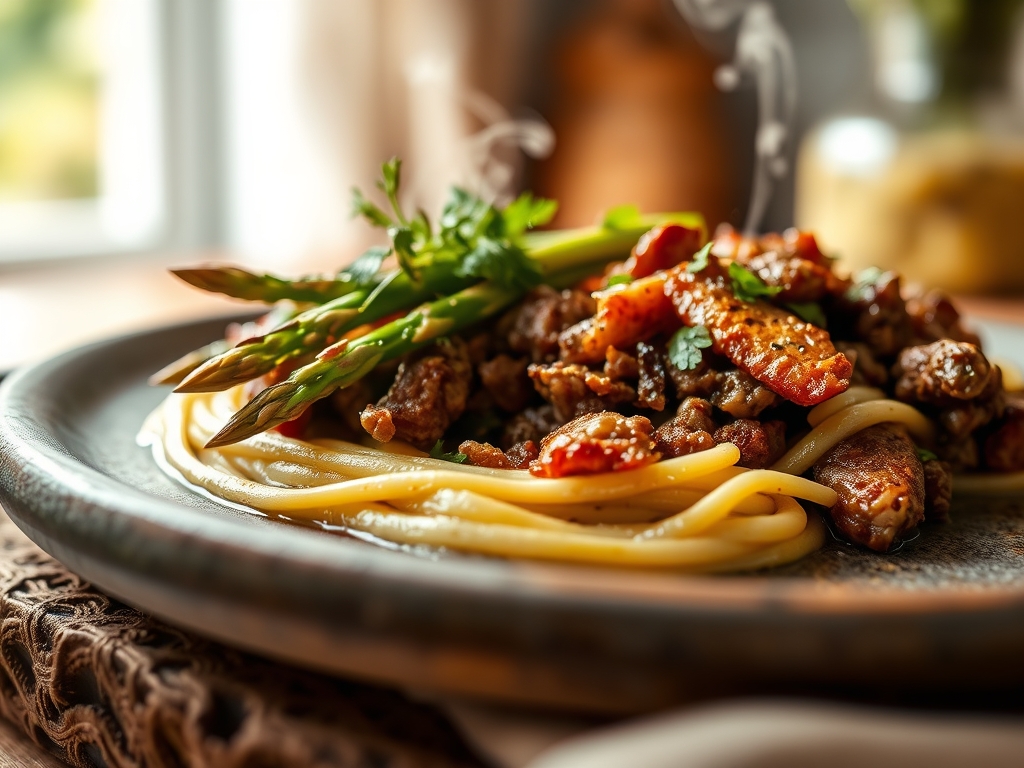
Picture the scent of rendered fat hitting a hot skillet; it is the olfactory equivalent of a warm hug. When you toss vibrant, snap-fresh spears into that same pan, you create a culinary synergy that is hard to beat. Mastering asparagus ground beef recipes is about more than just tossing meat and greens together. It is a study in contrasting textures and balanced acidity. We are talking about the deep, savory umami of browned beef meeting the bright, grassy snap of spring vegetables. Whether you are aiming for a quick weeknight stir fry or a sophisticated deconstructed cottage pie, the secret lies in the timing. You want the beef to undergo a full Maillard reaction while keeping the asparagus tender-crisp rather than mushy. This guide will transform your kitchen into a laboratory of flavor where every sear and deglaze serves a purpose. Grab your favorite heavy-bottomed skillet and let us get to work.
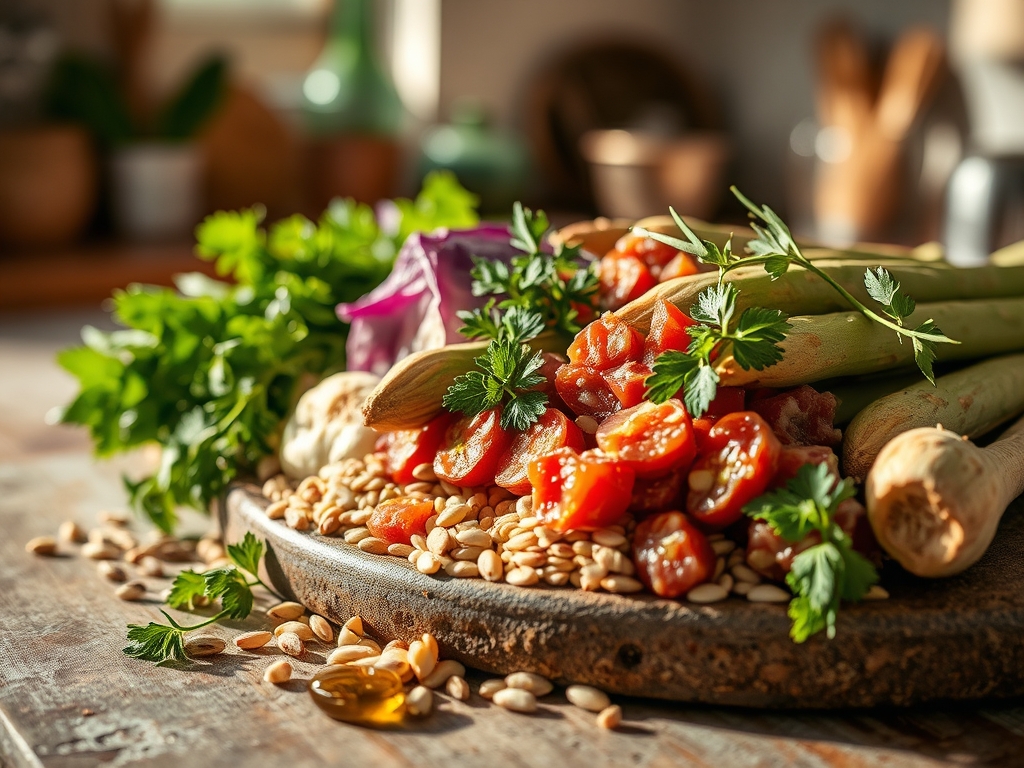
The Gathers:
To execute these dishes with precision, your mise-en-place must be flawless. Start with your protein; look for an 80/20 blend of ground chuck. This specific fat ratio ensures enough lipids to render out and fry the asparagus without needing excessive added oils. For the asparagus, choose stalks that are uniform in diameter, roughly the thickness of a pencil, to ensure even thermal penetration. You will also need a piquant aromatic base: fresh garlic cloves, shallots, and perhaps a knob of ginger if you are leaning toward an Asian-inspired profile.
Your toolkit is just as vital as your ingredients. A digital scale ensures your portions are consistent, while a sharp bench scraper makes transferring chopped aromatics from board to pan a seamless motion. For the seasoning, keep high-quality kosher salt and a pepper mill nearby. If you want to elevate the dish, have a microplane ready to zest lemon or grate hard cheeses over the final product.
Smart Substitutions:
If you are looking to lighten the caloric load, ground turkey or chicken can replace the beef, though you may need to add a teaspoon of toasted sesame oil to mimic the richness. For those avoiding nightshades, swap out red pepper flakes for a dash of white pepper to maintain that subtle heat. If asparagus is out of season, broccolini or snap peas offer a similar structural integrity and chlorophyll-rich flavor profile.
The Clock
Efficiency in the kitchen is governed by what I call the Chef's Flow. This is the art of overlapping tasks so that no heat is wasted. Total active prep time for most asparagus ground beef recipes should clock in at exactly 15 minutes, with a cook time of 12 to 18 minutes.
The flow begins with the beef. It requires the longest exposure to high heat to achieve a crust. While the beef is browning, you use those 5 to 7 minutes to trim your asparagus and mince your aromatics. Never prep the vegetables before the meat hits the pan; the beef needs your undivided attention during the initial sear to prevent boiling in its own juices. Once the meat is browned and the pan is hot, the vegetables take only minutes to reach perfection.
The Masterclass
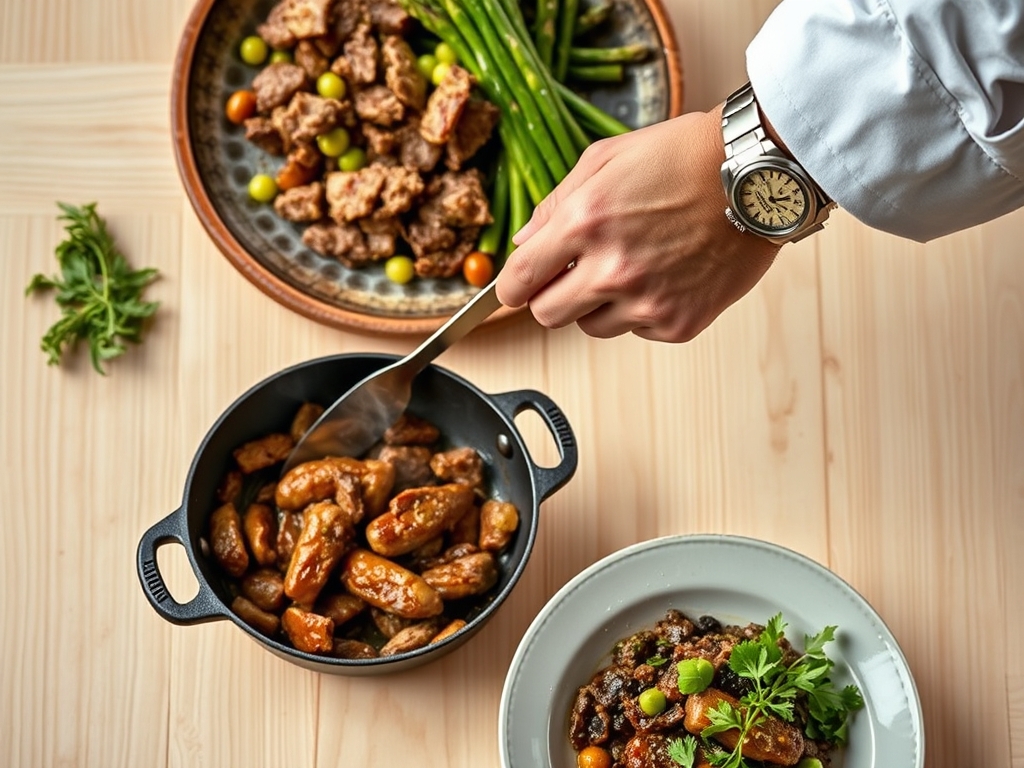
1. The High-Heat Render
Place your heavy-bottomed skillet over medium-high heat until it just begins to shimmer. Add the ground beef in a single, flat layer. Do not stir it immediately. Let it sit for at least three minutes to develop a deep brown crust.
Pro Tip: This is the Maillard reaction in action. By leaving the meat undisturbed, you allow the amino acids and reducing sugars to rearrange, creating hundreds of different flavor compounds that boiled meat simply cannot achieve.
2. Deglazing the Fond
Once the beef is browned, move it to the perimeter of the pan. You will see brown bits stuck to the bottom; this is the fond. Pour in a splash of beef stock, dry white wine, or even water. Use a wooden spoon to scrape those bits into the meat.
Pro Tip: Deglazing is a chemical process that dissolves the caramelized proteins back into a viscous sauce, ensuring that no flavor is lost to the pan's surface.
3. The Aromatic Infusion
Add your minced garlic, shallots, or ginger to the center of the pan where the fat has pooled. Sauté for only 45 seconds until the scent becomes fragrant but before the garlic turns bitter and brown.
Pro Tip: Garlic contains allicin, which is released when the cell walls are ruptured. Cooking it briefly in fat allows these fat-soluble flavor molecules to infuse the entire dish.
4. Precision Asparagus Sauté
Toss in your prepared asparagus. Use tongs to coat the stalks in the seasoned beef fat. Sauté for 4 to 5 minutes, depending on thickness. The color should shift from a dull forest green to a vibrant, neon emerald.
Pro Tip: This color change occurs when the heat collapses the air pockets between the plant cells, making the chlorophyll more visible. Remove from heat immediately to prevent the chlorophyll from breaking down and turning the vegetable grey.
5. The Emulsified Finish
Turn off the heat. Add a tablespoon of cold butter or a splash of heavy cream. Stir vigorously to combine the residual pan juices with the fat.
Pro Tip: This creates a temporary emulsion. The cold fat bonds with the liquid to create a glossy, velvet-like sauce that clings to the asparagus and beef.
6. The Aerated Garnish
Use your microplane to shave fresh parmesan or lemon zest over the dish from a height of about six inches.
Pro Tip: Garnishing from a height allows the particles to aerate as they fall, ensuring an even distribution of flavor rather than a concentrated clump in one spot.
The Deep Dive
From a nutritional standpoint, these pairings are a powerhouse. A standard serving offers approximately 35 grams of protein and a significant dose of Vitamin K and Folate from the asparagus. For those on a Keto path, this dish is a holy grail; it is naturally low-carb and high-fat. To make it Vegan, use a pea-protein crumble and increase the olive oil. For a Gluten-Free version, simply ensure your deglazing liquid or any added soy sauce is certified GF.
The Fix-It:
- Watery Pan: If the beef is steaming rather than frying, you likely overcrowded the pan. Remove half the meat, drain the liquid, and finish in two batches.
- Tough Asparagus: If the ends are woody, you missed the natural break point. Next time, snap one stalk by hand; it will naturally break where the fiber becomes tender.
- Bland Sauce: If the dish tastes flat, it lacks acidity. A squeeze of fresh lemon juice or a teaspoon of balsamic vinegar will "wake up" the savory notes.
Meal Prep Science:
When reheating, avoid the microwave if possible. The radiation vibrates water molecules so violently it turns asparagus into mush. Instead, use a small saucier or pan with a teaspoon of water and a lid. The steam will gently reheat the beef and greens without overcooking the delicate vegetable fibers.
The Wrap-Up
Mastering the art of asparagus ground beef recipes is a gateway to effortless, high-density cooking. By understanding the science of the sear and the chemistry of the crunch, you turn basic ingredients into a restaurant-quality experience. Remember to watch your heat, respect the fond, and always finish with a touch of brightness. Your kitchen is your playground; now go make something delicious!
The Kitchen Table
How do I keep asparagus from getting soggy in the fridge?
Store stalks upright in a glass with an inch of water, covered loosely with a plastic bag. This keeps the vascular system hydrated, maintaining the "snap" for up to five days before cooking.
Can I use frozen asparagus for these recipes?
Frozen asparagus often loses its structural integrity due to ice crystal formation. If using it, sauté it directly from frozen on very high heat to evaporate moisture quickly and prevent a mushy texture.
What is the best way to trim asparagus quickly?
Line up the tips and use a heavy chef's knife to slice off the bottom two inches in one motion. This ensures uniformity, which is critical for even cooking times in a hot skillet.
Why does my ground beef look grey instead of brown?
Grey meat is the result of "steaming" rather than "searing." Ensure your pan is smoking hot and the meat is patted dry with paper towels to remove surface moisture before it hits the fat.