
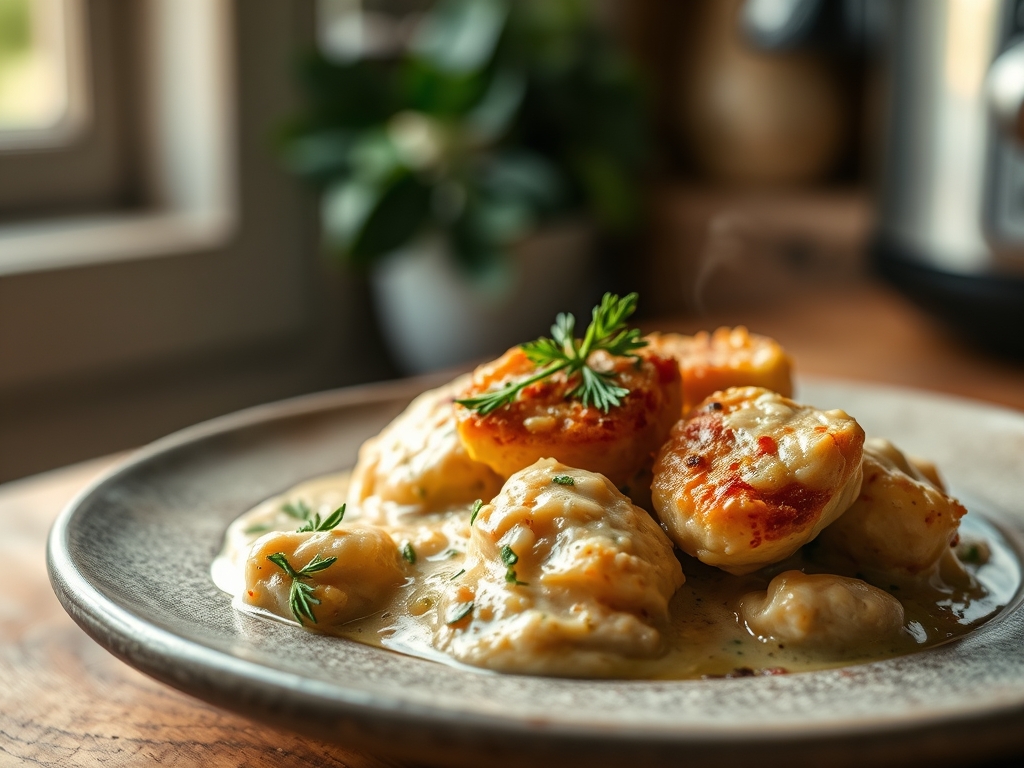
Picture this: you walk through the front door after a grueling ten hour day and the air is thick with the scent of savory thyme and simmered poultry. It is that specific, soul-soothing aroma that only crock pot cream of chicken recipes can provide. We are not just talking about dumping a can of soup over frozen breasts; we are engineering comfort through molecular synergy.
The secret to a truly transcendent slow-cooked meal lies in the emulsification of fats and the slow breakdown of connective tissues. When we utilize the low, consistent thermal energy of a slow cooker, we allow the proteins to tenderize without becoming stringy. This guide is your backstage pass to transforming a pantry staple into a five star dinner using nine sophisticated hacks that will make your kitchen feel like a high end bistro. We are going to dive into the chemistry of the "golden sauce" and ensure every bite is as viscous and velvety as a classic French veloute.
The Gathers:
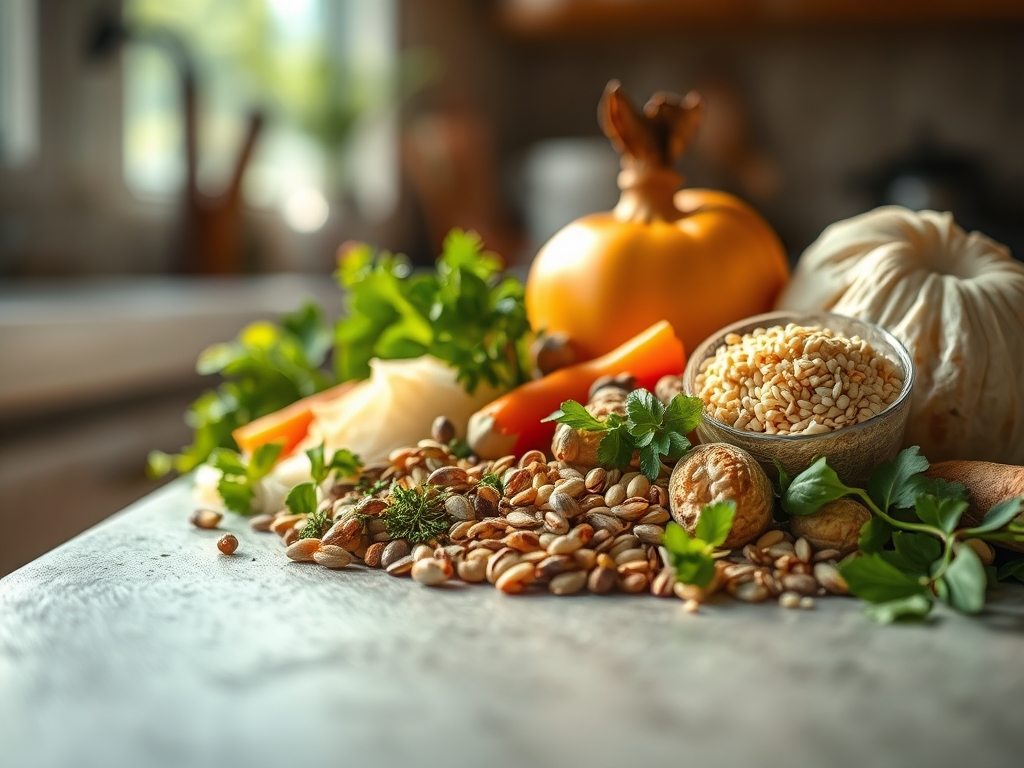
Before we engage the heating element, we must curate our mise-en-place. Start with high quality chicken thighs; the higher fat content compared to breasts ensures the meat remains succulent during the long thermal cycle. You will need a concentrated cream of chicken base, but do not stop there. Gather fresh aromatics: leeks, celery hearts, and garlic cloves. Use a microplane to zest a bit of lemon for acidity to cut through the heavy lipids.
For the liquid phase, reach for a low sodium bone broth. This provides a gelatinous body that water simply cannot replicate. If you are looking for Smart Substitutions, consider swapping the traditional canned soup for a homemade version using a saucier to whisk together a blonde roux of butter and flour, then tempering in heavy cream. If you are dairy free, full fat coconut milk mixed with nutritional yeast provides that same savory, piquant profile without the lactose. Always use a digital scale for your dry spices; precision prevents the sage or rosemary from overwhelming the delicate poultry notes.
The Clock:
In the world of slow cooking, time is an ingredient, not just a measurement. The "Chef's Flow" dictates that you should spend twenty minutes on active prep to save six hours of passive cooking. For most crock pot cream of chicken recipes, the sweet spot is four hours on high or seven hours on low.
Why the difference? Cooking on "Low" allows for a more gradual denaturation of proteins, which prevents the muscle fibers from seizing and squeezing out their moisture. If you are in a rush, the "High" setting works, but you must be vigilant about the "carryover cook." Use a digital probe thermometer to pull the chicken once it hits 160 degrees Fahrenheit; the residual heat will bring it to the food-safe 165 mark while it rests, ensuring the texture remains silky rather than chalky.
The Masterclass:
1. The Sear Strategy
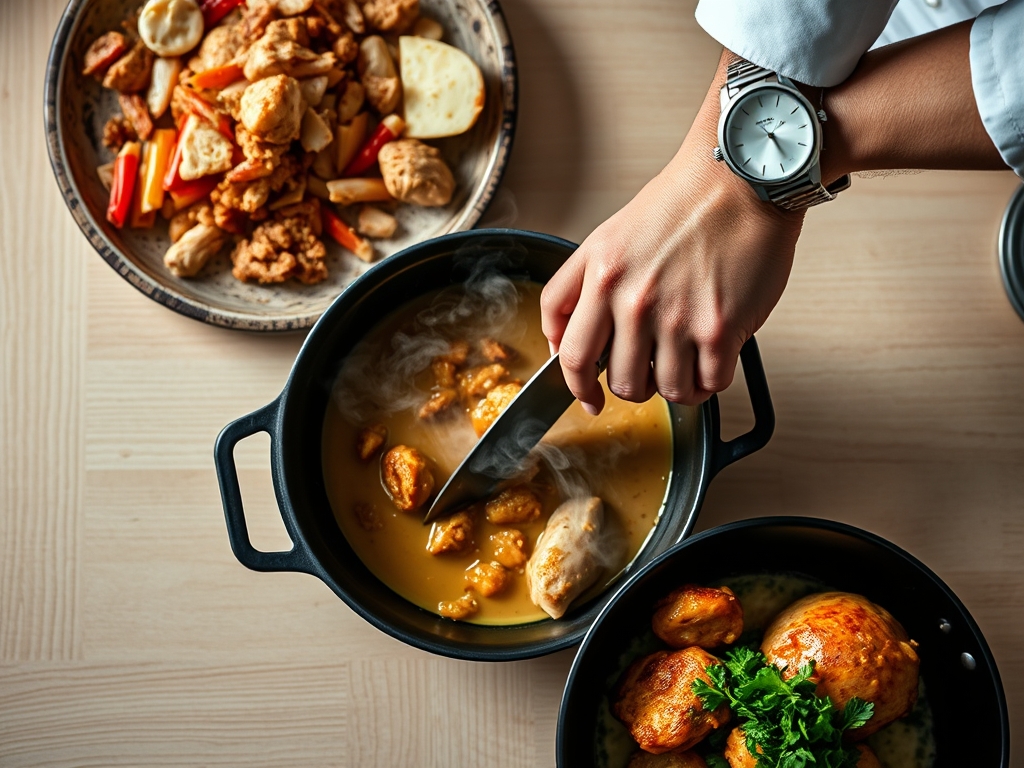
Never place raw meat directly into the crock. Use a heavy-bottomed skillet to sear your chicken in avocado oil until the skin is golden.
Pro Tip: This triggers the Maillard reaction, a chemical dance between amino acids and reducing sugars that creates hundreds of flavor compounds impossible to achieve through boiling alone.
2. Deglaze the Fond
After searing, pour a splash of dry white wine into the hot pan. Use a bench scraper or wooden spoon to lift the browned bits.
Pro Tip: These bits, known as "fond," contain concentrated umami. Incorporating them into your crock pot adds a complex depth that elevates the entire sauce profile.
3. Layering Aromatics
Place your hard vegetables like carrots and onions at the very bottom of the ceramic insert.
Pro Tip: The bottom of the crock pot is the hottest point. Vegetables require higher temperatures to break down cellulose than meat does to reach tenderness.
4. The Dairy Buffer
If your recipe calls for sour cream or heavy cream, do not add it at the start of the six hour cycle.
Pro Tip: High heat over long periods causes dairy to curdle as the proteins clump together. Fold these in during the final thirty minutes to maintain a smooth, homogenous texture.
5. Aerating the Sauce
Before serving, remove the chicken and use an immersion blender or a whisk to aerate the remaining liquid.
Pro Tip: Introducing air bubbles lightens the density of the cream sauce, making it feel less heavy on the palate while intensifying the aroma.
6. The Acid Zip
Just before clicking the "Warm" setting, stir in a teaspoon of apple cider vinegar or lemon juice.
Pro Tip: This is "brightening." The acid acts as a flavor catalyst, sharpening the heavy fats and making the savory notes "pop" in your mouth.
7. Fresh Herb Infusion
Add soft herbs like parsley or chives only in the last five minutes of cooking.
Pro Tip: Volatile oils in soft herbs are heat sensitive. Adding them too early destroys their vibrant color and delicate flavor profile.
8. The Slurry Finish
If your sauce looks too thin, mix a tablespoon of cornstarch with cold water and whisk it in.
Pro Tip: This creates a starch gelatinization effect. The starch granules swell and trap water, instantly increasing the viscosity of your cream of chicken base.
9. The Resting Period
Once the timer hits zero, let the pot sit with the lid slightly ajar for ten minutes.
Pro Tip: This allows the internal pressure of the meat to stabilize, meaning the juices stay inside the chicken rather than flooding the plate when you cut into it.
The Deep Dive:
When we look at the Macro Nutrition, a standard serving of these recipes provides roughly 35 grams of protein and 15 grams of fat. To optimize this for different lifestyles, the "Keto Swap" involves using cream cheese instead of flour based thickeners. For a Vegan alternative, use chickpeas and a cashew based cream sauce.
The Fix-It:
- Too Salty? Drop in a peeled, halved potato for the last thirty minutes to absorb excess sodium.
- Too Thin? Whisk in a dollop of instant mashed potato flakes; it is a "cheat code" for instant body.
- Bland Flavor? Add a teaspoon of Worcestershire sauce or fish sauce. These are "umami bombs" that deepen the savory profile without tasting like fish.
For Meal Prep, remember that cream based sauces can separate when frozen. To reheat and maintain "day-one" quality, add a tablespoon of milk and heat slowly on the stove while whisking constantly to re-emulsify the fats.
The Wrap-Up:
Mastering crock pot cream of chicken recipes is about more than just convenience; it is about using smart kitchen science to create a masterpiece with minimal effort. By understanding how to layer flavors and manage thermal energy, you transform a humble weeknight dinner into a culinary event. Now, grab your tongs, prep your aromatics, and let the slow cooker do the heavy lifting. You have got this!
The Kitchen Table:
Can I put frozen chicken in the crock pot?
It is not recommended for safety. Frozen meat stays in the "danger zone" (40 to 140 degrees Fahrenheit) too long, allowing bacteria to multiply. Always thaw your poultry completely in the refrigerator before adding it to the slow cooker.
How do I prevent my cream sauce from curdling?
The key is timing and temperature. Always add dairy products like sour cream, Greek yogurt, or heavy cream during the final thirty minutes of cooking. This prevents the proteins from overheating and separating into a grainy texture.
What is the best way to thicken the sauce?
Create a "slurry" by mixing equal parts cornstarch and cold water. Whisk this into the bubbling liquid during the last twenty minutes. The heat will activate the starches, creating a glossy, thick consistency without adding lumps.
Why is my chicken dry even in a slow cooker?
You likely overcooked it. Even in liquid, muscle fibers shrink and expel moisture if heated too long. Use a digital thermometer to check for an internal temperature of 165 degrees Fahrenheit and avoid cooking on "High" for over five hours.