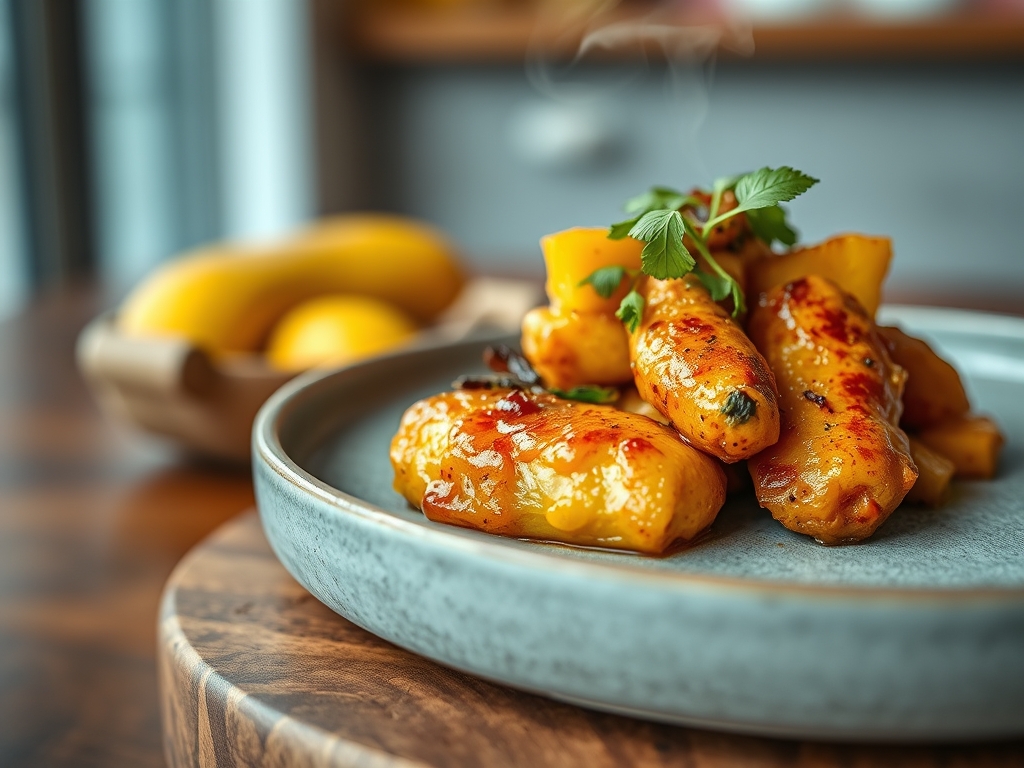
Picture the scene. A heavy-bottomed skillet is screaming on the stove; the air is thick with the scent of searing protein and the sharp, tropical sweetness of ripening fruit. We are not just making dinner; we are orchestrating a collision of acids, sugars, and amino acids that will redefine your weeknight rotation. Mastering mango chicken recipes is about more than just tossing fruit into a pan. It is about understanding how the protease enzymes in the mango interact with the muscle fibers of the chicken to create a texture that is impossibly tender. This is the ultimate fusion of piquant heat and viscous sweetness. Whether you are craving a sticky Thai glaze or a charred Caribbean salsa, these seven variations will transform your kitchen into a high-end bistro. We are diving deep into the chemistry of the Maillard reaction and the art of the perfect emulsion to ensure every bite is a masterclass in balance.
The Gathers:
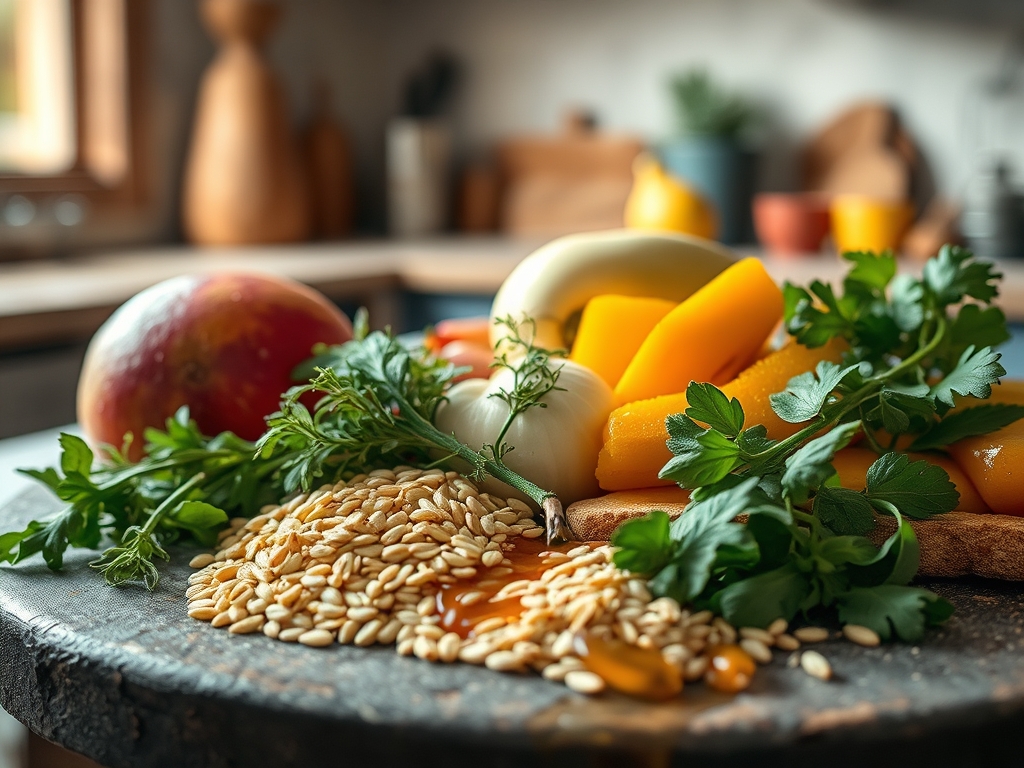
To execute world-class mango chicken recipes, your mise-en-place must be precise. Start with high-quality chicken thighs; the higher fat content allows for better rendering and a more succulent mouthfeel compared to lean breasts. For the mango, look for the Champagne or Kent varieties. These are less fibrous and contain a higher concentration of fructose, which aids in rapid caramelization. You will also need a high-smoke-point oil like avocado or grapeseed to handle the high-heat sear without breaking down into acrid compounds.
Your aromatics are equally vital. Fresh ginger provides a zesty bite that cuts through the sugar, while garlic adds a savory depth. Use a microplane to grate these finely; this increases the surface area and allows the essential oils to infuse the sauce more effectively. For the "Smart Substitutions," if you cannot find fresh mango, frozen chunks work beautifully if thawed and patted dry to prevent excess moisture from steaming your meat. If you are watching your refined sugar intake, replace honey with a splash of maple syrup or a dash of monk fruit sweetener to maintain that signature viscosity.
The Clock
Efficiency in the kitchen is all about "Chef's Flow." For most mango chicken recipes, you are looking at a 15-minute prep window and a 20-minute cook time. The secret to speed is parallel processing. While your chicken is coming to room temperature (essential for an even cook), use your bench scraper to organize your chopped aromatics. This prevents the "stop-and-start" rhythm that kills momentum.
Always preheat your skillet for at least three minutes before the first piece of meat touches the surface. This ensures immediate moisture evaporation, leading to a crisp exterior rather than a gray, boiled texture. If you are prepping for the week, you can dice the mango and aromatics up to 48 hours in advance. Just store them in airtight glass containers to prevent oxidation.
The Masterclass
1. The Sear and Render
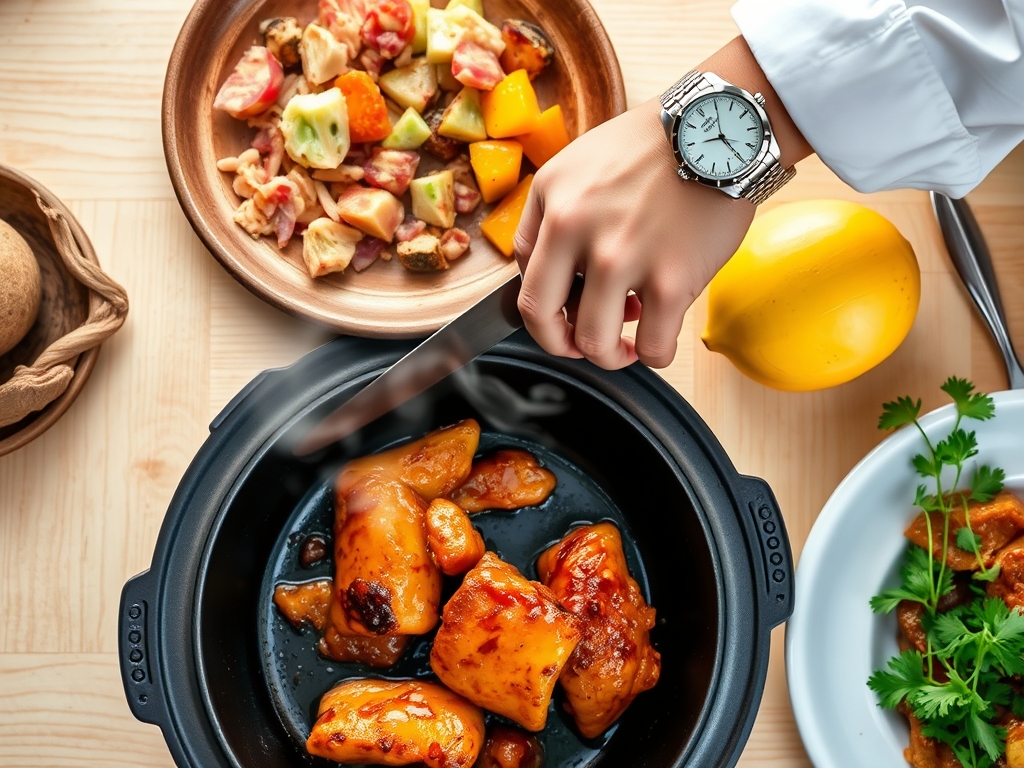
Place your seasoned chicken skin-side down in a hot saucier or skillet. Use heavy-duty tongs to press the meat down, ensuring maximum contact with the heat source. Do not crowd the pan; overcrowding drops the temperature and leads to steaming.
Pro Tip: This stage relies on the Maillard reaction, a chemical reaction between amino acids and reducing sugars that creates hundreds of different flavor compounds. If the meat is sticking, it is not ready to flip. Wait for the proteins to naturally release from the pan.
2. Deglazing the Fond
Once the chicken is golden, remove it and set it aside. You will see brown bits stuck to the bottom of the pan; this is "fond," and it is concentrated flavor gold. Pour in a splash of rice vinegar or lime juice to lift these bits.
Pro Tip: This is known as deglazing. The acidity of the liquid dissolves the caramelized proteins, incorporating them into your base sauce for a complex, savory profile that balances the upcoming sweetness of the mango.
3. Aromatics Infusion
Lower the heat slightly and add your ginger, garlic, and red pepper flakes. Use a wooden spoon to stir constantly for 60 seconds. You want to soften the cell walls of the aromatics to release their volatile oils without burning the delicate garlic solids.
Pro Tip: This process is called blooming. Fat-soluble flavor compounds in spices are far more potent when toasted in oil than when boiled in water, creating a more vibrant aromatic foundation for your mango chicken recipes.
4. The Mango Reduction
Add your diced mango and any liquid components (like coconut milk or soy sauce). Bring the mixture to a simmer, allowing the mango to soften and release its natural pectins. This will naturally thicken the sauce into a glossy, viscous coating.
Pro Tip: Watch for enzymatic browning. As the mango heats, its sugars begin to break down. If the sauce becomes too thick too quickly, add a tablespoon of water to maintain the emulsion and prevent the sugars from scorching.
5. Reintroducing the Protein
Nestle the chicken back into the simmering sauce. Use a spoon to baste the tops of the meat with the mango glaze. Cover the pan for the final three minutes to ensure the internal temperature reaches 165 degrees Fahrenheit.
Pro Tip: Account for thermal carryover. Meat continues to cook for several minutes after being removed from the heat. Pulling the chicken at 160 degrees and letting it rest will result in a perfectly juicy 165-degree finish.
The Deep Dive
From a nutritional standpoint, mango chicken recipes are a powerhouse. A standard serving offers roughly 35g of protein and is rich in Vitamin C and Vitamin A from the fresh fruit. To make this Keto-friendly, swap the mango for a smaller portion of berries and use erythritol for sweetness. For a vegan twist, firm tofu or chickpeas can be substituted for chicken; just ensure you press the tofu well to allow for a proper sear.
If your sauce is too thin, the "Fix-It" is a cornstarch slurry (one part starch to two parts cold water). Whisk it in slowly to avoid lumps. If the dish is too sweet, add a teaspoon of fish sauce or extra lime juice to provide a salty or acidic counterpoint. If the chicken is tough, you likely skipped the resting phase; next time, let it sit for five minutes before slicing. For meal prep, reheat your mango chicken in a skillet over medium heat with a splash of water. This re-hydrates the sauce and prevents the chicken from becoming rubbery in the microwave.
The Wrap-Up
There is a reason why mango chicken recipes remain a staple in both home kitchens and high-end eateries. They represent the perfect marriage of science and soul. By mastering the sear, deglazing the fond, and understanding the power of fruit-based reductions, you have leveled up your culinary game. Now, grab your favorite serving platter, garnish with plenty of fresh cilantro and a squeeze of lime, and enjoy the vibrant, tropical masterpiece you just created.
The Kitchen Table
How do I prevent the mango from turning into mush?
Add half of your mango at the start to build the sauce base and the remaining half during the last three minutes of cooking. This ensures you have both a thick glaze and distinct, structural fruit pieces in the finished dish.
Can I use canned mango for these recipes?
Canned mango is often stored in heavy syrup, which can make the dish cloyingly sweet. If using canned, rinse the fruit thoroughly and reduce the added sweeteners in the recipe to maintain a balanced, savory-to-sweet ratio in your sauce.
What is the best way to ripen a mango quickly?
Place firm mangoes in a paper bag at room temperature for two days. The bag traps ethylene gas, a natural plant hormone that speeds up the ripening process. Once the fruit yields to gentle pressure, it is ready for your skillet.
Why did my mango sauce break and look oily?
This usually happens if the heat is too high, causing the emulsion of fruit sugars and fats to separate. To fix a broken sauce, whisk in a tablespoon of warm water or coconut milk off the heat to re-emulsify the liquids.