
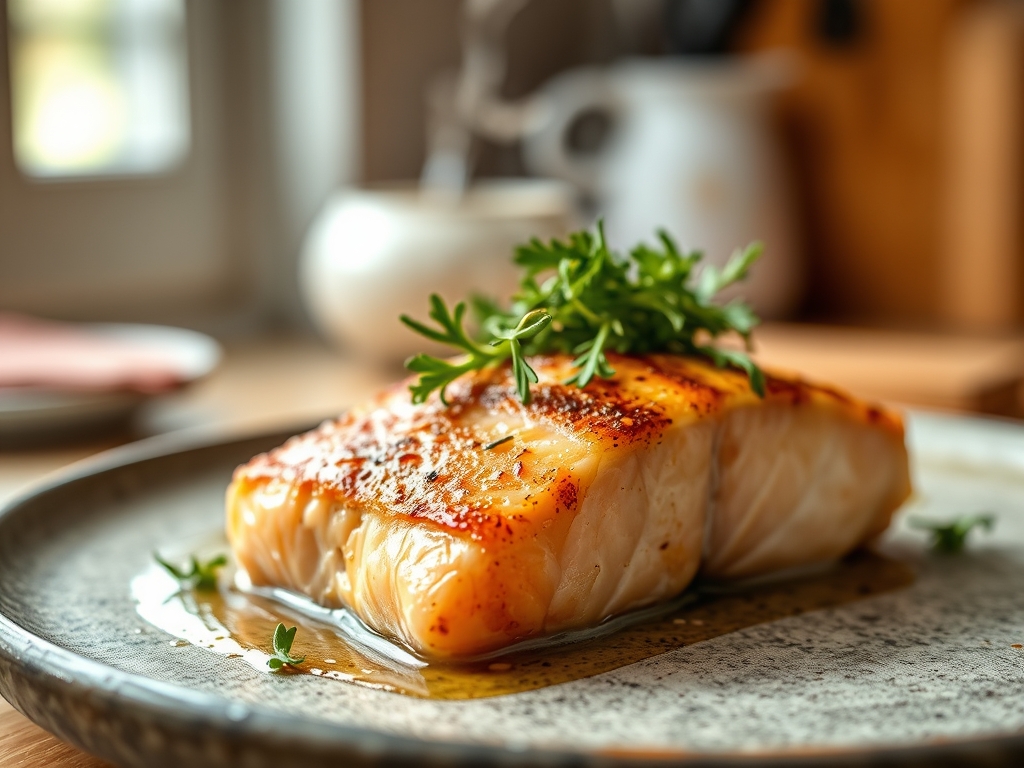
The scent of searing fat and citrus zest is the universal language of a kitchen that knows what it is doing. When you dive into the world of salmon recipes jamie oliver style, you are not just cooking a piece of fish; you are orchestrating a balance of crispy skin and butter-soft flesh. Jamie has a way of making high-end culinary physics feel like a casual Tuesday night. We are talking about that perfect, flakey texture that yields to a fork with zero resistance. To get there, we have to respect the biology of the fish. Salmon is packed with long-chain omega-3 fatty acids and delicate proteins that tighten up the second they hit excessive heat. If you have ever ended up with a dry, chalky fillet, it is likely because the albumin (that white protein liquid) was forced out by aggressive temperature spikes. Today, we are reclaiming the pan. We are going to use professional techniques to ensure every bite is a masterclass in moisture retention and flavor layering.
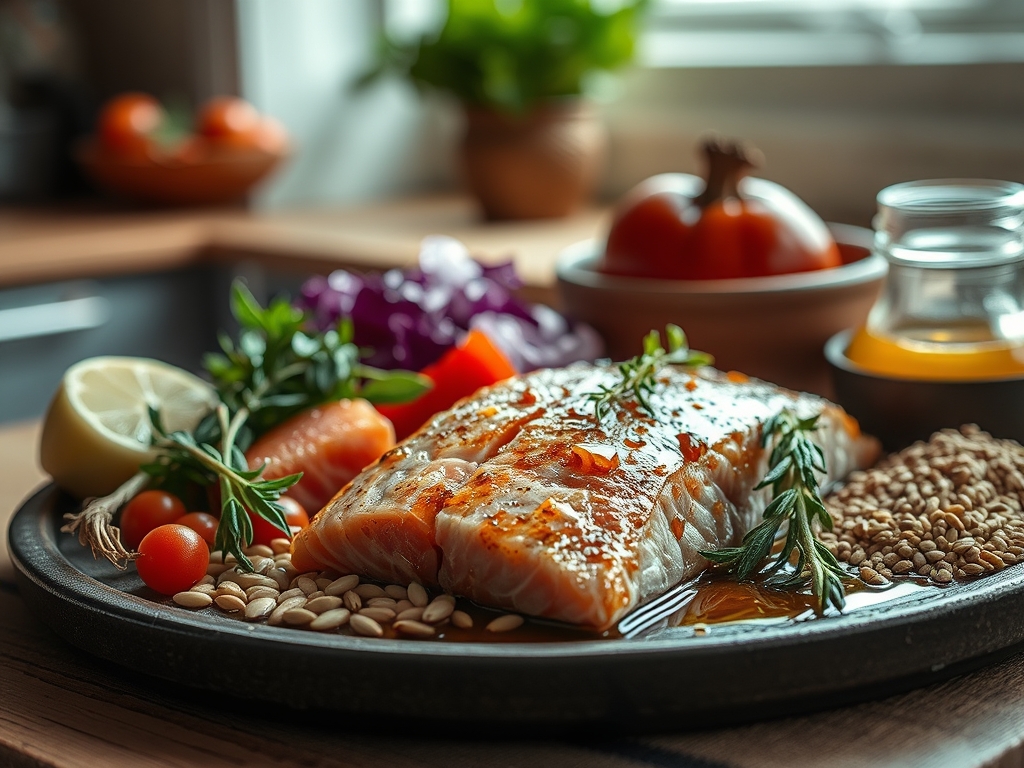
The Gathers:
To execute these salmon recipes jamie oliver would approve of, your mise-en-place must be precise. Start with center-cut fillets; these provide a uniform thickness which is vital for even thermal distribution. You will need a high-smoke-point oil like avocado or grapeseed oil to facilitate the Maillard reaction without scorching. Gather fresh woody herbs like rosemary or thyme to infuse the cooking fat. You will also need a microplane for zesting citrus, a heavy-bottomed skillet (cast iron or carbon steel is best for heat retention), and a digital scale to ensure your portions are consistent.
Smart Substitutions:
If you cannot find fresh salmon, high-quality frozen fillets work if thawed slowly in the refrigerator to prevent cell wall rupture. For a dairy-free alternative to the classic butter finish, use a viscous extra virgin olive oil added at the very end to provide that luxurious mouthfeel. If you want a piquant kick but lack lemons, a splash of verjuice or white balsamic vinegar offers a similar acidity profile to balance the rich fats of the fish.
The Clock: The Chef's Flow
Timing is the difference between a Michelin-star result and a rubbery mess. The "Chef's Flow" dictates that you spend 10 minutes on prep and exactly 8 to 12 minutes on the heat. You must allow the fish to sit at room temperature for 15 minutes before it touches the pan; this prevents "thermal shock," which causes the muscles to contract and squeeze out moisture.
The actual cooking time is a 70/30 split. You spend 70 percent of the time on the skin side to render the subcutaneous fat and create a structural crust. The remaining 30 percent is a gentle finish on the flesh side, often with the heat turned off, allowing the residual heat of the pan to carry the internal temperature to a perfect 125 degrees Fahrenheit.
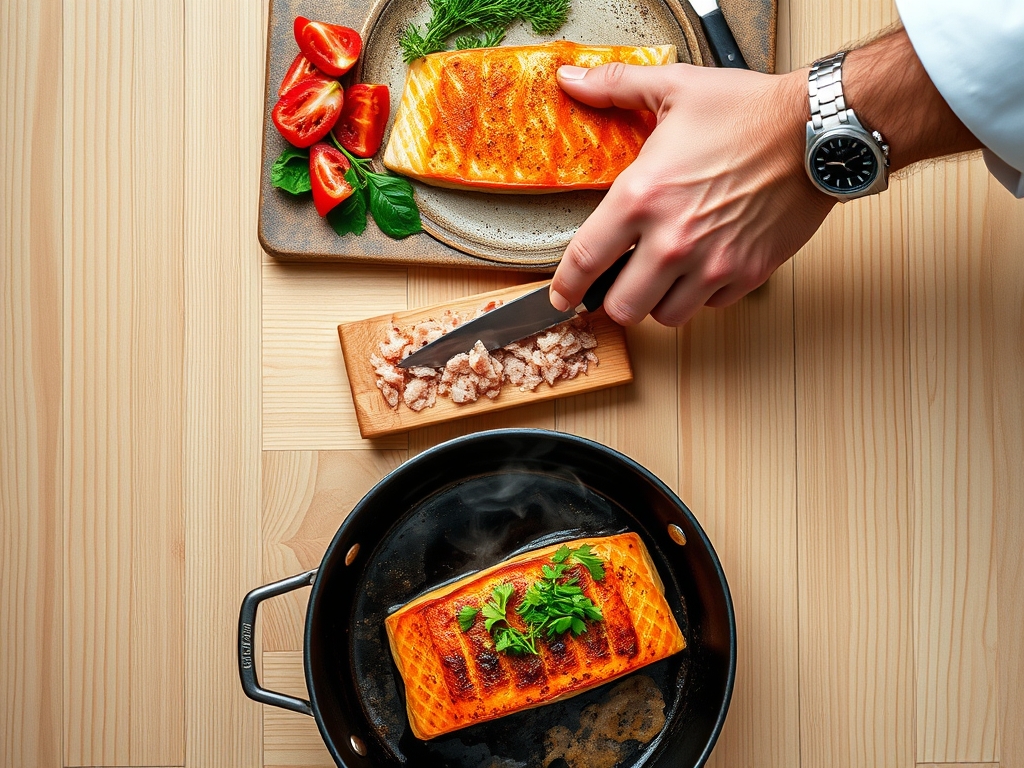
The Masterclass:
1. The Desiccated Surface
Before the fish even sees a flame, you must use a paper towel to bone-dry the skin. Moisture is the enemy of crispiness. If there is water on the surface, the energy of the pan goes into evaporating that water (steaming) rather than browning the proteins.
Pro Tip: This is known as preventing evaporative cooling. By removing surface moisture, you allow the surface temperature to rise rapidly above 285 degrees Fahrenheit, triggering the Maillard reaction for a savory, complex crust.
2. The Cold-Pan Start or High-Sear Entry
Jamie often advocates for a hot pan, but for thick fillets, starting in a medium-cold pan allows the fat to render slowly. Place the fish skin-side down and use your tongs to press it firmly against the surface for the first 30 seconds. This prevents the skin from curling as the collagen fibers shrink.
Pro Tip: Pressing the fish ensures maximum surface contact. This facilitates conduction, the most efficient form of heat transfer, leading to an even, golden-brown exterior without overcooking the center.
3. The Butter Baste and Aromatics
Once the skin is shatter-crisp, drop a knob of unsalted butter and your herbs into the pan. Use a large spoon to aerate the melting butter as it foams. Tilt the pan and continuously pour this hot, flavored fat over the raw top of the salmon.
Pro Tip: This technique, called arrosage, uses convection to cook the top of the fish gently. The milk solids in the butter undergo enzymatic browning, adding a nutty "beurre noisette" flavor profile to the dish.
4. The Gentle Flip
Using a fish spatula (which is flexible and slotted), gently turn the fillet. At this stage, the fish is fragile. You are only looking to kiss the flesh side with heat for about 60 seconds.
Pro Tip: This final step relies on thermal carryover. Even after you remove the fish from the pan, the internal temperature will continue to rise by 5 degrees. Pulling it early ensures a translucent, succulent center.
5. The Acidic Deglaze
After removing the fish to rest, the pan will have "fond" (browned bits) stuck to the bottom. Squeeze fresh lemon juice or a splash of white wine into the hot skillet. Use a bench scraper or whisk to loosen those bits.
Pro Tip: This process of deglazing creates a pan sauce that captures the concentrated flavors. The acid cuts through the heavy lipids of the salmon, creating a balanced palate.
6. The Resting Period
Place the salmon on a warm plate for at least 3 minutes. This allows the muscle fibers to relax and reabsorb the internal juices that were pushed toward the center during cooking.
Pro Tip: Resting allows for equilibrium of moisture. If you cut into the fish immediately, the pressure differential would cause all the delicious fats to leak out onto the plate.
7. The Final Seasoning
Finish with a sprinkle of flaky sea salt and fresh herbs. The large crystals of salt provide a textural contrast and a "pop" of flavor that fine table salt cannot achieve.
Pro Tip: Using a microplane to grate fresh horseradish or lemon zest at the very end preserves the volatile oils that would otherwise dissipate under high heat.
The Deep Dive:
Macro Nutrition:
Salmon is a nutritional powerhouse. A standard 6-ounce fillet provides roughly 34 grams of high-quality protein and 18 grams of healthy fats. It is naturally low in carbohydrates, making it a staple for metabolic health.
Dietary Swaps:
- Vegan: Swap the salmon for a thick "steak" of cauliflower or firm tofu, using the same searing techniques to achieve a crust.
- Keto/GF: This recipe is naturally keto and gluten-free. Ensure your "butter" is grass-fed for the highest nutrient density.
The Fix-It:
- Skin Sticking: You likely tried to flip the fish too early. The fish will naturally "release" from the pan once the proteins have sufficiently browned.
- White Gunk (Albumin): Your heat was too high. This is the fish's way of screaming. Lower the flame and use the butter-basting method to finish.
- Soggy Skin: You didn't dry the fish enough or you crowded the pan. Cook in batches to maintain pan temperature.
Meal Prep:
To reheat salmon without it turning into "fish jerky," avoid the microwave. Use a low oven (275 degrees) with a splash of water covered in foil to create a gentle steam environment. This preserves the viscous texture of the fats.
The Wrap-Up:
Mastering salmon recipes jamie oliver style is about moving from a "cook" to a "chef." It is about understanding that heat is a tool, not just a setting. When you hear that skin crackle and see that perfect pink center, you will know you have nailed the science. Now, grab your saucier, find the freshest fish possible, and turn your kitchen into a high-end bistro. You have the facts; now go create the flavor.
The Kitchen Table:
How do I keep salmon skin from sticking?
Ensure the pan is hot and the skin is bone-dry. Use a high-smoke-point oil and do not attempt to move the fish for the first two minutes. The fish will naturally release once the crust forms.
What is the white stuff on cooked salmon?
That is albumin, a harmless protein. It appears when salmon is cooked too fast or at too high a temperature, causing the muscle fibers to contract and squeeze the liquid out to the surface.
Can I cook salmon from frozen?
It is possible but not ideal for texture. For the best results, thaw the salmon in the fridge overnight. If rushing, use a sealed bag in cold water to preserve the delicate cell structure.
How do I know when salmon is done?
The most reliable method is using a digital thermometer to reach 125 degrees Fahrenheit. Visually, the fish should be opaque on the outside but still slightly translucent and "flaky" in the very center.