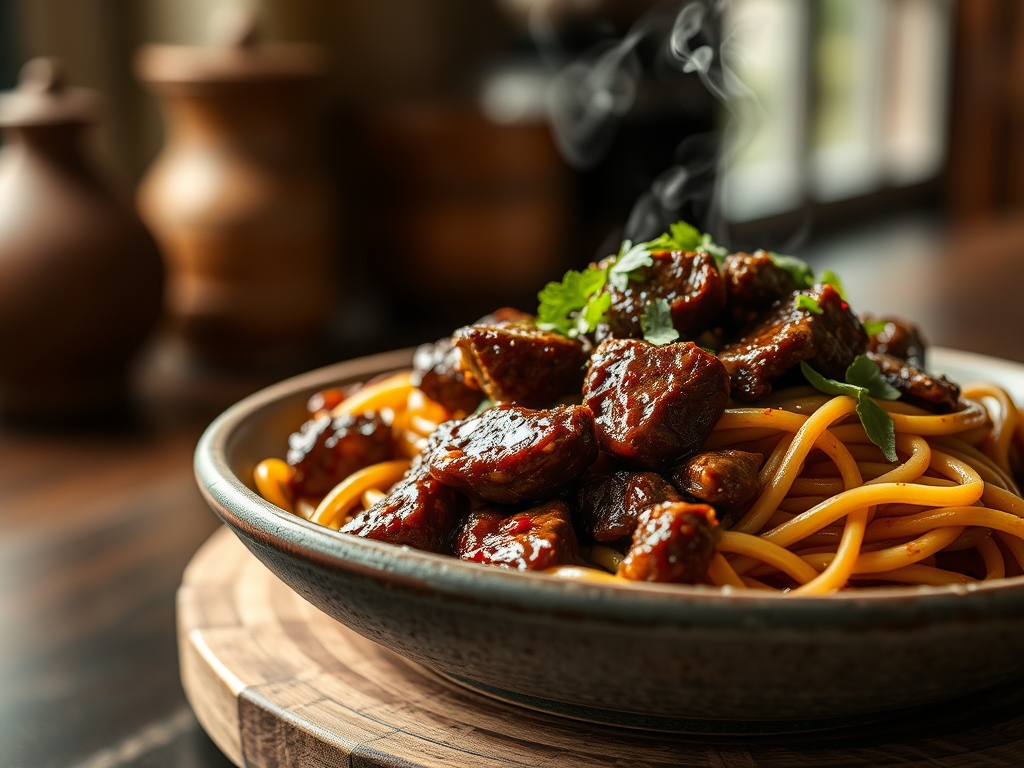
Picture the scene: a heavy-bottomed skillet screaming hot, the scent of toasted sesame oil blooming in the air, and the satisfying hiss as thin ribbons of flank steak hit the metal. When you are craving the perfect balance of salt, heat, and umami, nothing beats authentic asian beef recipes with noodles. It is a symphony of textures where the chew of the wheat meets the silkiness of rendered fat.
We are moving beyond basic takeout today. We are talking about the molecular magic that happens when you marry high-protein beef with complex carbohydrates. Whether it is the wide, slippery ribbons of Chow Fun or the bouncy, alkaline bite of Ramen, the goal is a cohesive emulsion of sauce and starch. You want that glossy coating that clings to every strand, a result of starch gelatinization meeting a piquant reduction. Grab your tongs and a sharp chef knife; we are diving into a world where every sear is a chemical victory and every bite is a masterclass in global flavor profiles.
The Gathers:
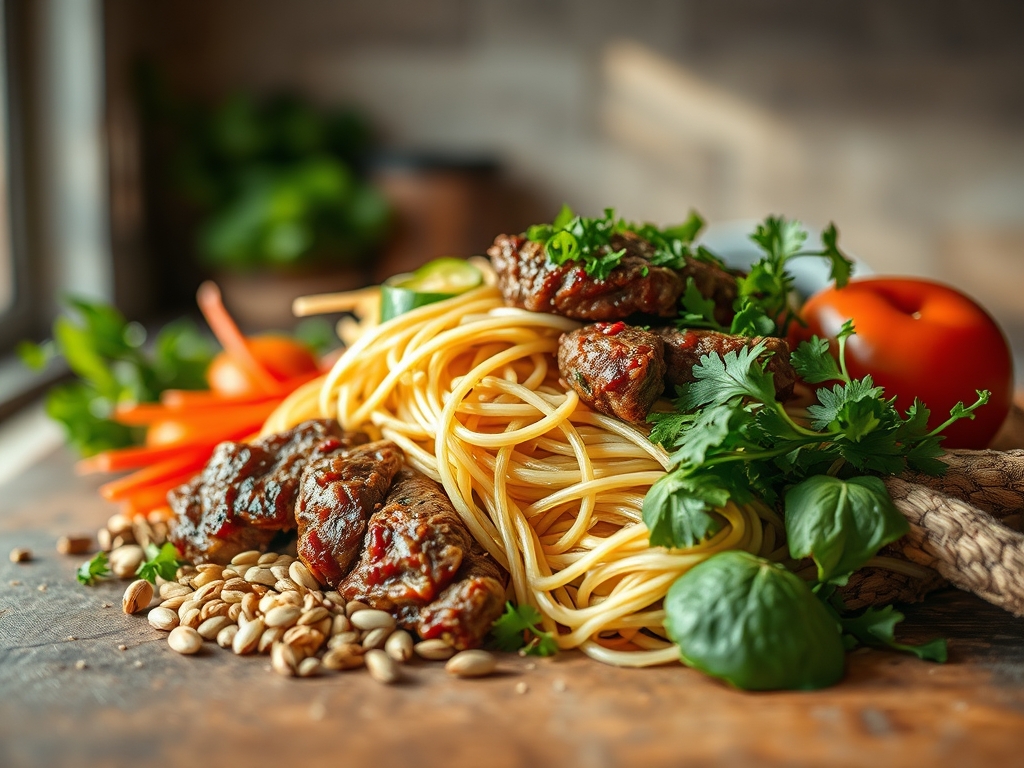
To achieve restaurant-quality results, your mise-en-place must be precise. Start with the protein: Chuck roast for slow braises or Flank steak for high-heat stir-frys. You will need a digital scale to measure out exactly 500 grams of beef, ensuring your sauce-to-meat ratio remains perfect. For the aromatics, gather fresh ginger, garlic, and scallions. Use a microplane to grate the ginger into a fine paste; this increases the surface area, allowing the gingerols to infuse the oil more rapidly.
The pantry staples are your flavor anchors. You need a high-quality light soy sauce for salt, dark soy for that deep mahogany color, and oyster sauce for a viscous mouthfeel. Do not forget the acid; Chinkiang black vinegar provides a woody, complex tartness that cuts through the richness of the beef fat.
Smart Substitutions:
If you cannot find Shaoxing wine, a dry sherry works beautifully because of its similar oxidative profile. For those avoiding gluten, liquid aminos or tamari offer the same savory depth. If fresh wide rice noodles are unavailable, dried rice sticks soaked in boiling water for exactly six minutes will mimic that elastic texture. Always keep a jar of sambal oelek or chili crisp nearby to adjust the piquant levels to your personal preference.
The Clock:
Efficiency in the kitchen is about the Chef's Flow. This is the art of overlapping tasks so that no heat is wasted. Your total active time for these recipes averages 40 minutes, but the sequence is vital.
- The Marinating Phase (15 Minutes): While the beef undergoes enzymatic tenderization in a mixture of soy and cornstarch, you prep your vegetables.
- The Noodle Prep (10 Minutes): Boil your water. Remember, noodles continue to cook after they are drained, so aim for a firm "al dente" to account for the final toss in the pan.
- The High-Heat Execution (15 Minutes): This is the fast part. Once the skillet is smoking, the actual cooking happens in a flash.
By the time the beef has finished its carryover cooking on the cutting board, your noodles should be ready to dive into the sauce.
The Masterclass:
1. The Velvet Sear
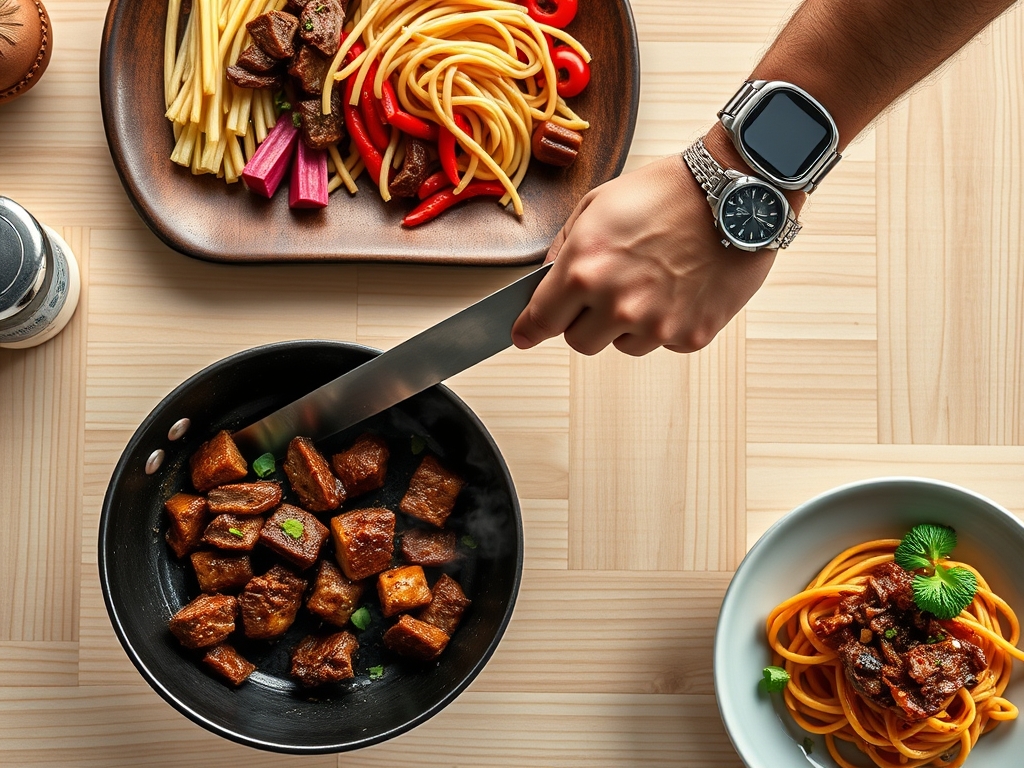
Slice your beef against the grain at a 45-degree angle. Toss the strips with a pinch of baking soda and cornstarch. This technique, known as velveting, raises the pH level on the surface of the meat, preventing the proteins from tightening up and becoming tough when they hit the heat.
Pro Tip: This chemical shift facilitates the Maillard reaction, creating a savory crust while keeping the interior incredibly tender.
2. The Aromatic Bloom
Heat your oil until it shimmers, then drop in your minced aromatics. Use a saucier or a wok to keep the ingredients moving constantly. You are looking to aerate the oils, releasing the volatile compounds in the garlic and ginger without burning the delicate sugars.
Pro Tip: Garlic burns at 350 degrees Fahrenheit; add it only after the beef has partially rendered its fat to act as a thermal buffer.
3. The Deglaze and Emulsify
Once the beef is browned, push it to the sides and pour your liquid base into the center. Use a bench scraper or a wooden spoon to scrape up the "fond" (those delicious brown bits). As the liquid bubbles, the cornstarch from the beef marinade will naturally thicken the sauce.
Pro Tip: This is starch gelatinization. The starch granules swell and burst, creating a mesh that traps moisture and creates a glossy, lip-smacking glaze.
4. The Noodle Integration
Add your noodles directly to the pan. Use long tongs to lift and fold the noodles, ensuring every strand is coated. If the sauce looks too thick, add a splash of the starchy noodle soaking water to loosen the emulsion.
Pro Tip: The residual heat provides thermal carryover, finishing the noodle cook-time perfectly without turning them into mush.
The Deep Dive:
From a nutritional standpoint, these dishes are powerhouses. A standard serving provides roughly 35 grams of protein and a significant dose of iron and B-vitamins. To make this Keto-friendly, swap the wheat noodles for shirataki (konjac) noodles, which have near-zero carbs and absorb flavors beautifully. For a Vegan twist, replace the beef with seitan or pressed extra-firm tofu, using "no-fish" sauce to maintain that salty depth.
The Fix-It:
- Soggy Noodles: This happens when the pan is overcrowded. Cook in smaller batches to maintain a high temperature.
- Tough Beef: You likely cut with the grain. Always slice perpendicular to the muscle fibers to shorten them.
- Bland Sauce: It needs more acid or salt. A final squeeze of lime or a dash of fish sauce usually wakes up the entire profile.
Meal Prep Science:
When reheating, avoid the microwave if possible. The high intensity can turn beef rubbery. Instead, use a splash of water in a covered skillet over medium heat. This creates steam, which re-hydrates the starch molecules in the noodles, returning them to their "day-one" silky texture.
The Wrap-Up:
You are now officially armed with the technical prowess to dominate the world of asian beef recipes with noodles. From the chemistry of velveting to the physics of a perfect emulsified sauce, you have the tools to turn simple ingredients into a gourmet experience. Cooking is just delicious science, after all. So, get that skillet hot, trust your instincts, and do not be afraid to let a little smoke fill the kitchen. Your taste buds will thank you for the effort.
The Kitchen Table:
Which cut of beef is best for stir-fry noodles?
Flank steak or sirloin tips are ideal. They are lean enough to sear quickly but have enough structural integrity to hold up against heavy sauces and high heat. Always slice against the grain for maximum tenderness.
How do I keep my rice noodles from sticking together?
Rinse cooked noodles under cold water immediately after draining. This removes excess surface starch. Then, toss them with a teaspoon of neutral oil or toasted sesame oil to create a lubricating barrier before adding them to the pan.
Can I make these recipes gluten-free easily?
Yes. Use tamari or coconut aminos instead of soy sauce. Ensure your oyster sauce is a certified gluten-free version, and always opt for 100 percent rice noodles or glass noodles made from mung bean starch.
What is the secret to the "smoky" restaurant flavor?
This is "Wok Hei" or breath of the wok. It is achieved by the combustion of oil droplets in high heat. At home, use a heavy cast-iron skillet and cook in very small batches to maintain extreme surface temperatures.